Why Carara National Park stands out
Carara National Park is best known for its exceptional bird populations, particularly the vibrant scarlet macaws that represent the second-largest wild population in Costa Rica. The park is considered one of the premier birdwatching destinations in the country, with 432 confirmed species including trogons, motmots, jacamars, antbirds, and numerous parrot species. The dense primary rainforest also supports the largest Central American crocodile population in the Tárcoles River, along with diverse mammal populations including sloths, monkeys, and recently rediscovered pumas. The park's accessibility features, including a universally designed trail system with haptic maps and Braille signage, make it notable for inclusive recreation.
Carara National Park history and protected-area timeline
Carara National Park was established on April 27, 1978, initially designated as a biological reserve to protect the significant forest ecosystems and biodiversity of the Tárcoles River basin region. For two decades, the area functioned as a biological reserve, allowing scientific study and limited visitation while maintaining protective status. Following the rapid growth in popularity after 1990, the Costa Rican government recognized the need to provide stronger protection and greater institutional support for the area. In November 1998, the protected area was upgraded from biological reserve to national park status, reflecting both its ecological importance and its increasing value as a conservation flagship. The park is managed by the National System of Conservation Areas (SINAC), which coordinates protection efforts across Costa Rica's protected area network. The park's trail system was designed with universal accessibility in mind, featuring slopes under six percent, rest areas, and specialized resources including haptic maps and Braille signage, making it notably inclusive.
Carara National Park landscape and geographic character
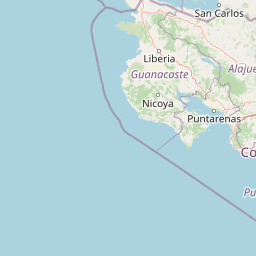
The landscape of Carara National Park is characterized by dense tropical rainforest terrain within the Pacific lowlands of Costa Rica. The park sits at relatively low elevation, receiving high annual rainfall that supports lush, multi-layered vegetation. The Tárcoles River forms the northern boundary of the park, creating an important aquatic corridor that winds through the protected area. The forest is notably wetter and has denser tree growth compared to nearby coastal parks, a function of its position within the tropical rainforest zone. The park's terrain is generally flat to gently rolling, typical of the Pacific coastal plain, though the forest interior creates a complex vertical structure with multiple canopy layers. The combination of riverine environments, forest interior, and the broader Tárcoles watershed creates a diverse landscape that supports both terrestrial and aquatic ecosystems.
Carara National Park ecosystems, habitats, and plant life
Carara National Park protects one of the most biologically significant rainforest areas in Costa Rica's Central Pacific region. The primary rainforest here is more extensive than in many other protected areas in the vicinity, creating optimal conditions for a wide range of species. The forest supports a complex vertical structure with emergents, canopy, understory, and forest floor layers, each providing distinct habitat conditions. The high rainfall and consistent tropical climate support year-round ecological processes. The park's position along the Pacific coast places it within important migratory pathways for birds, while the Tárcoles River provides critical aquatic habitat. The dense vegetation and wet conditions create an environment with abundant insect populations, which in turn support diverse predator communities throughout the food web.
Carara National Park wildlife and species highlights
The wildlife community at Carara National Park is exceptionally diverse, with the park supporting 432 confirmed bird species, making it one of the premier birdwatching destinations in Costa Rica. Scarlet macaws represent the flagship species, with the park containing the second-largest wild population in the country; these large, colorful parrots are among the chief attractions for visitors. The bird community includes orange-chinned parakeets and other parrots, numerous hummingbird species, woodpeckers, motmots, jacamars, manakins, antbirds, and several trogon species including the Northern black-throated trogon. Water birds are well-represented, with anhingas, multiple heron and egret species, and kingfishers inhabiting the river and wetland areas. The Tárcoles River hosts the largest American crocodile population in Central America, with these impressive reptiles present throughout most of the year. The reptile community includes 52 snake species plus various lizards and geckos. Amphibians include the distinctive green and black poison arrow frog. Mammals include white-tailed deer, red brockets, collared peccaries, agoutis, kinkajous, Panamanian white-faced capuchin and mantled howler monkeys, Hoffmann's two-toed and brown-throated three-toed sloths, white-nosed coatis, and pumas, though dense forest cover makes mammal observation more challenging.
Carara National Park conservation status and protection priorities
Carara National Park represents a critical conservation stronghold in Costa Rica's protected area network. The protection of primary rainforest in the Central Pacific region addresses significant conservation priorities, as this forest type has been extensively cleared for agriculture and development elsewhere in the country. The park's scarlet macaw population is of particular conservation importance, as this species has faced significant pressure from habitat loss and illegal pet trade throughout its range. The Tárcoles River and its riparian corridor provide essential habitat for the largest Central American crocodile population, a species that faces threats from hunting and habitat modification throughout its range. The park's designation as a national park rather than a simpler reserve category provides stronger legal protection and institutional support. The presence of pre-Columbian archaeological sites adds cultural heritage value to the conservation mandate, as these locations require protective management as part of the broader cultural landscape.
Carara National Park cultural meaning and human context
The area now within Carara National Park has a significant human history extending back millennia, with fifteen pre-Columbian archaeological sites documented within the park boundaries. These sites correspond to two main periods of occupation: the Pavas period from 300 BC to 300 AD, and the Cartago period from 800 to 1500 AD. Notable archaeological features include a rectangular base structure measuring 6 by 4 meters from the Cartago period, constructed of limestone and river rocks. The Hills Burial site represents a particularly significant location, comprising a large residential village and burial area situated on a hill overlooking the Tárcoles River. Archaeological evidence suggests this village exercised political and economic dominance over the lower river region. These pre-Columbian sites demonstrate that the area was a center of human activity and social organization long before European contact, with the landscape having supported indigenous communities for centuries.
Top sights and standout views in Carara National Park
Carara National Park offers exceptional birdwatching opportunities with over 400 species, highlighted by the spectacular scarlet macaw population. The Tárcoles River provides remarkable crocodile viewing opportunities, with the largest Central American population. The park's accessible trail system with universal design features makes wildlife observation available to visitors with disabilities. Ancient pre-Columbian archaeological sites reveal the region's deep human history. The dense primary rainforest creates an immersive tropical wilderness experience away from more developed parks.
Best time to visit Carara National Park
Carara National Park can be visited year-round due to Costa Rica's tropical climate, though the dry season from December through April typically offers more comfortable conditions for hiking with lower rainfall and reduced mosquito activity. The wet season from May through November brings higher precipitation, making the forest lusher but trails muddier and insect presence more pronounced. Birdwatching remains rewarding throughout the year, though scarlet macaws are most easily observed during the dry season when they are more active around feeding areas. The Tárcoles River crocodile population is visible year-round, with the river offering reliable wildlife viewing regardless of season.