Why Plitvice Lakes National Park stands out
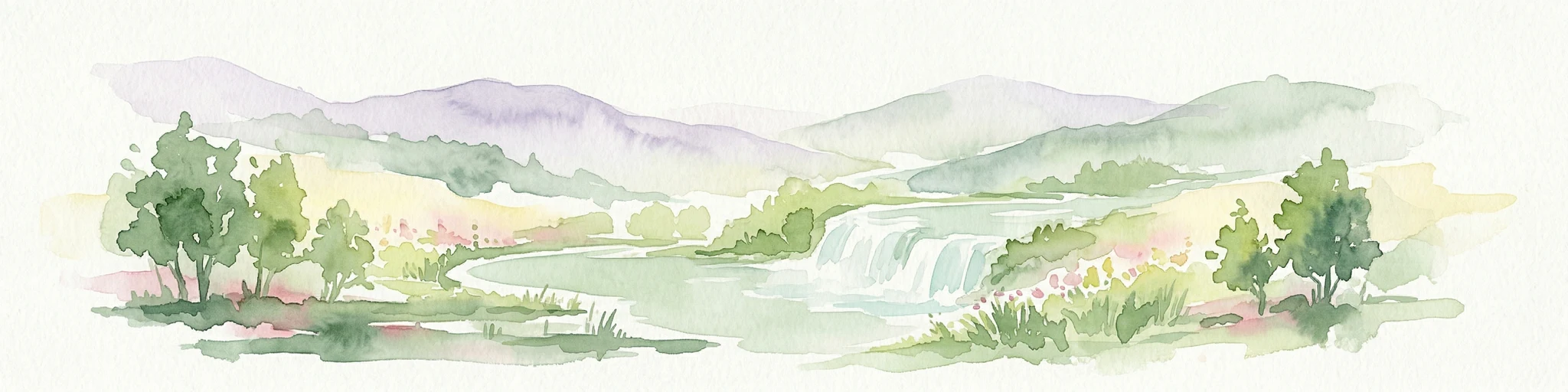
Plitvice Lakes is best known for its extraordinary chain of cascading lakes and waterfalls, where calcium-rich water has created dramatic travertine terraces over millennia. The visual spectacle of bright turquoise pools stepping down through forested canyons is the park's defining feature and the primary reason for its international fame. The upper lakes are larger, deeper, and set in denser forest, while the lower lakes form a tighter cascade with more dramatic waterfall drops. The travertine formations themselves are biologically created, growing as moss and algae trap calcium carbonate from the water, making this an active geological process visible to visitors. The park also contains one of the last significant old-growth forests in Europe, with some spruce trees exceeding 500 years in age.
Plitvice Lakes National Park history and protected-area timeline
The area that became Plitvice Lakes National Park was protected as early as 1910 by Austro-Hungarian authorities, making it one of the oldest nature protection efforts in the region. The modern national park was established in 1949 when the Yugoslav government designated the lake system and surrounding forest as a protected area. The establishment came during a period when communist Yugoslavia was investing in national parks as symbols of state stewardship over natural heritage. The park gained international recognition when it was inscribed on the UNESCO World Heritage List in 1979, becoming one of the first sites from Yugoslavia to receive this designation. In 2000, the park was placed on the World Heritage in Danger list due to damage from a major storm and threats from nearby development, but it was removed from the danger list in 2003 after conservation efforts stabilized the site. The park has since invested heavily in visitor management infrastructure, including elevated walkways that minimize impact on sensitive areas. The name Plitvice derives from the Croatian word 'plitak,' meaning shallow, referring to the relatively shallow depth of the lake basins.
Plitvice Lakes National Park landscape and geographic character
The physical landscape of Plitvice Lakes is defined by a series of valleys carved into the Dinaric mountain plateau, where limestone and dolomite bedrock has produced a classic karst terrain withSinkholes, caves, and underground water channels. The lake chain occupies two parallel valleys separated by a ridge of higher ground, with the upper lakes sitting roughly 150 to 200 meters above the lower group. The lakes range from small pools less than a hundred meters across to bodies spanning several hundred meters, with depths varying from shallow edges to over 40 meters in the deepest basins. The travertine barriers between lakes are the landscape's most distinctive feature, forming step-like waterfalls where water cascades from one pool to the next. These barriers range from thin cascading sheets to broad, multi-tiered falls several tens of meters high. The surrounding terrain is heavily forested mountainsides rising above the lake basins, with steep canyon walls in places creating a dramatic sense of enclosure. The Korana River emerges from the lowest of the lower lakes and flows out through a narrow gorge. The area experiences a continental climate with cold winters, significant snow accumulation, and warm summer months that bring the waterfalls to their fullest flow.
Plitvice Lakes National Park ecosystems, habitats, and plant life
The ecological character of Plitvice Lakes centers on the integration of aquatic and forest ecosystems within a karstic mountain setting. The lake system itself is oligotrophic to mesotrophic, with relatively low nutrient levels and exceptionally clear water that allows visibility to considerable depths. The travertine formations support specialized aquatic organisms and algae that contribute to the ongoing calcium carbonate deposition. The forest surrounding the lakes is a mix of beech and Norway spruce as the dominant species, with some areas of silver fir and European pine in drier locations. The forests represent some of the best-preserved old-growth stands in Croatia, with trees in the most remote areas exceeding 500 years in age and reaching significant dimensions. The park's elevation range and varied terrain create multiple habitat zones, from lakeshore wetlands to steep rocky slopes, supporting a diversity of plant communities. The karst groundwater systems feed the lakes from beneath, with numerous springs emerging along the lake shores and canyon walls.
Plitvice Lakes National Park wildlife and species highlights
The wildlife community of Plitvice Lakes reflects the forest-dominated landscape and the presence of large carnivores typical of Dinaric mountain ecosystems. The park provides habitat for brown bears, wolves, and lynx, representing the region's last significant populations of these species in Croatia, though they are elusive and rarely observed by visitors. Smaller mammals include red foxes, martens, badgers, and various rodent species. The bird community includes several species of woodpeckers, owls, and birds of prey such as the golden eagle and lesser spotted eagle that nest in the forest. The lake waters support fish including brown trout and grayling in the river sections, while the lakes themselves have limited fish populations due to their oligotrophic nature. Amphibians are well represented, particularly in the wetlands around lake margins, with species including fire salamanders, newts, and frogs. The dense forest cover and early morning mist create ideal conditions for wildlife observation, though patience and luck are required to spot the larger species.
Plitvice Lakes National Park conservation status and protection priorities
Plitvice Lakes National Park was designated a UNESCO World Heritage Site in recognition of its outstanding natural value, particularly the living travertine system that represents an exceptional example of ongoing geological and ecological processes. The park's karst aquifer is vulnerable to contamination from agricultural and development activities in the surrounding watershed, and managing water quality remains a central conservation priority. The old-growth forest communities are protected as integral to the park's ecological integrity, with active management focusing on maintaining natural forest dynamics rather than active timber production. Visitor impact is managed through carefully designed trail systems with elevated walkways that keep foot traffic off sensitive travertine formations. The park was placed on the World Heritage in Danger list in 2000 following damage from a 1999 storm that caused significant erosion and flooding, but intensive restoration efforts successfully addressed the damage and the site was removed from the danger list in 2003. Ongoing conservation challenges include managing visitor numbers during peak seasons and maintaining the ecological connections between the park and surrounding forested landscapes.
Plitvice Lakes National Park cultural meaning and human context
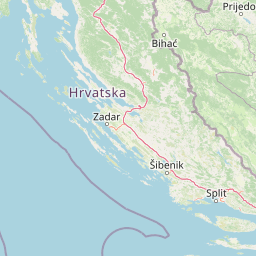
The Plitvice area has been inhabited for centuries, with evidence of human presence in the karst caves and surrounding valleys dating to prehistoric times. The name Plitvice itself comes from the region's history, referencing the shallow nature of the lake basins compared to deeper karst sinkholes in the area. Traditional villages in the surrounding region maintained livelihoods based on forestry, agriculture, and seasonal grazing that shaped the landscape before national park designation. The creation of the park in 1949 required resettling some communities and transitioning land uses to conservation, a process that continued through the Yugoslav period and into Croatian independence. The park's location near the border with Bosnia and Herzegovina has given it strategic significance in regional history, though the mountainous terrain kept the core lake area relatively isolated from major conflicts. The region's cultural heritage includes traditional wooden architecture and folk practices that reflect the area's position at the crossroads of Croatian, Bosnian, and Ottoman-influenced cultures.
Top sights and standout views in Plitvice Lakes National Park
The most compelling highlights of Plitvice Lakes National Park are the spectacular cascading lake system with its vividly colored turquoise and green pools, the living travertine terraces built by ongoing calcium carbonate deposition, and the surrounding old-growth forest that represents some of Europe's last primeval woodland. The 16 lakes connected by waterfalls create a constantly changing landscape as water flows through the system, with different lighting conditions and seasons revealing different aspects of the scenery. The hiking trail system allows visitors to traverse both the upper and lower lake groups, passing through forests of exceptional age and encountering viewpoints that frame the waterfalls against the surrounding mountains. The park's UNESCO World Heritage status recognizes both the natural beauty and the scientific importance of the travertine formation process. Winter transforms the landscape with snow and ice on the waterfalls, while summer brings the fullest water flow and the deepest coloration.
Best time to visit Plitvice Lakes National Park
Plitvice Lakes offers distinct experiences across seasons, each with different visual qualities and practical considerations. Spring and early summer bring the strongest water flow as snowmelt and rainfall feed the lakes, creating the most dramatic waterfalls but also attracting larger visitor crowds. The lakes display their most vivid colors during this period when water volume is highest. Autumn provides a different character, with fall colors in the beech forests creating a striking contrast against the turquoise water, and visitor numbers declining from summer peaks. Winter offers the most tranquil experience, with frozen waterfalls and snow-covered trails providing a completely different landscape, though some trails may be closed and access is more limited. The park is most crowded during July and August, so visiting in shoulder seasons provides both better wildlife viewing opportunities and a more contemplative experience of the landscape. Regardless of season, early morning visits offer the best chance to experience the lakes without the crowds and to see wildlife active in the quiet hours.