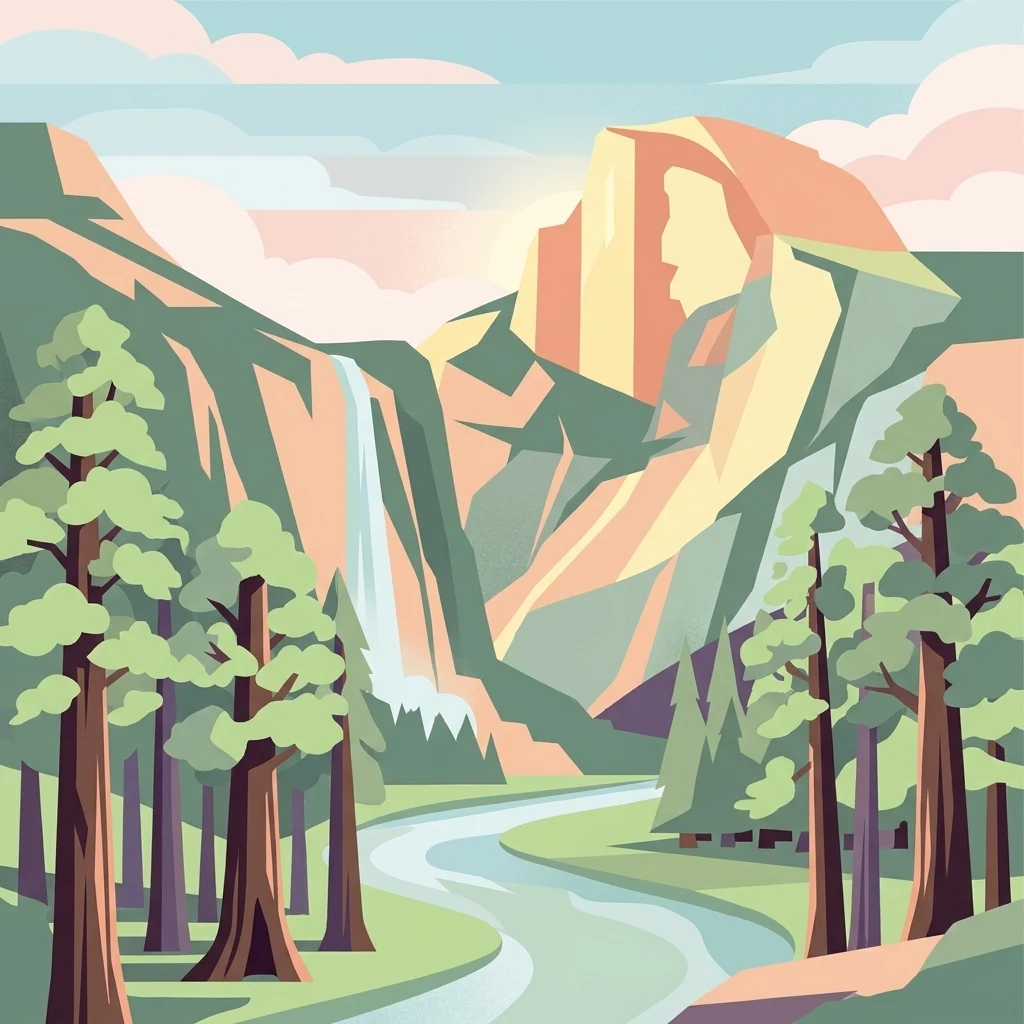

Why Yosemite National Park stands out
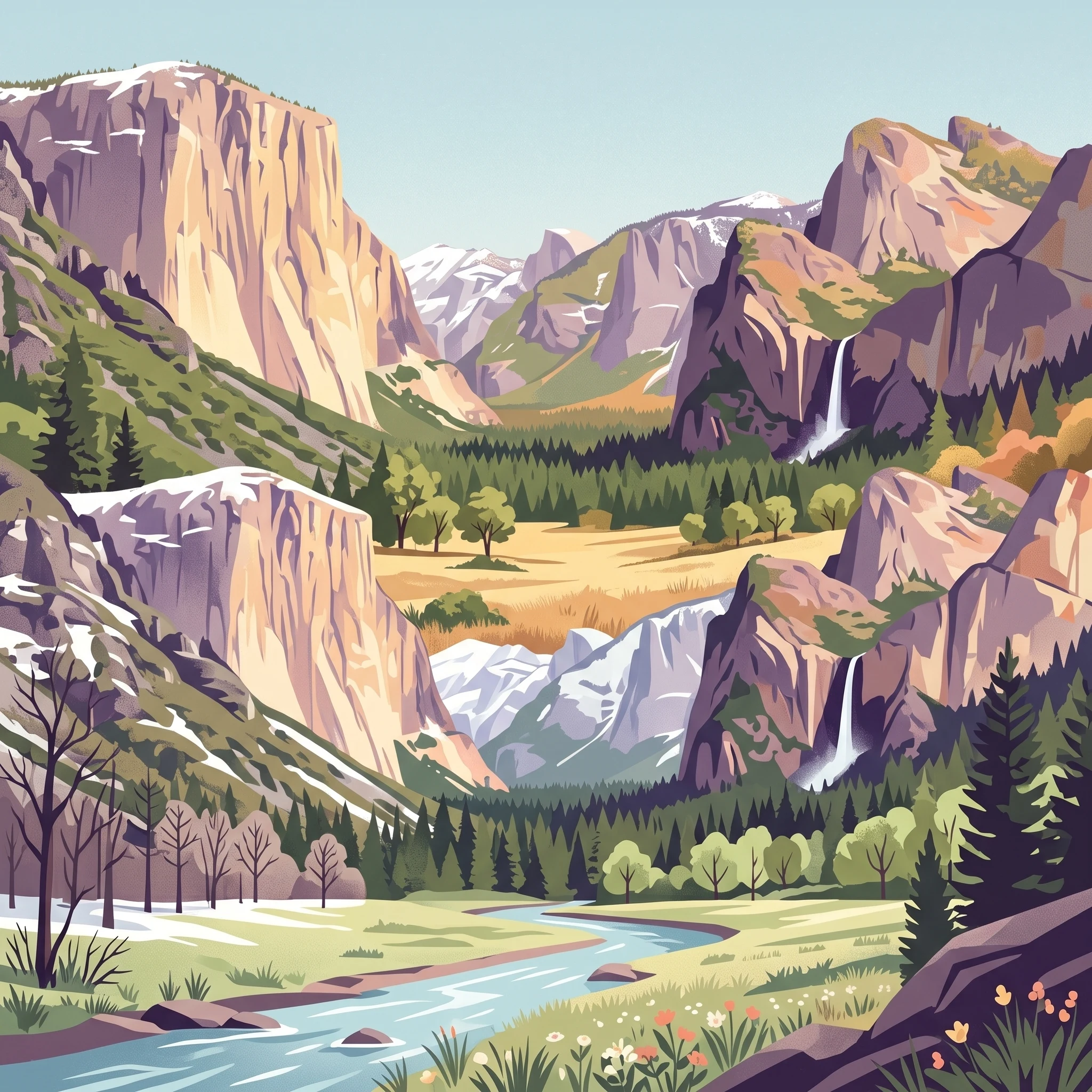
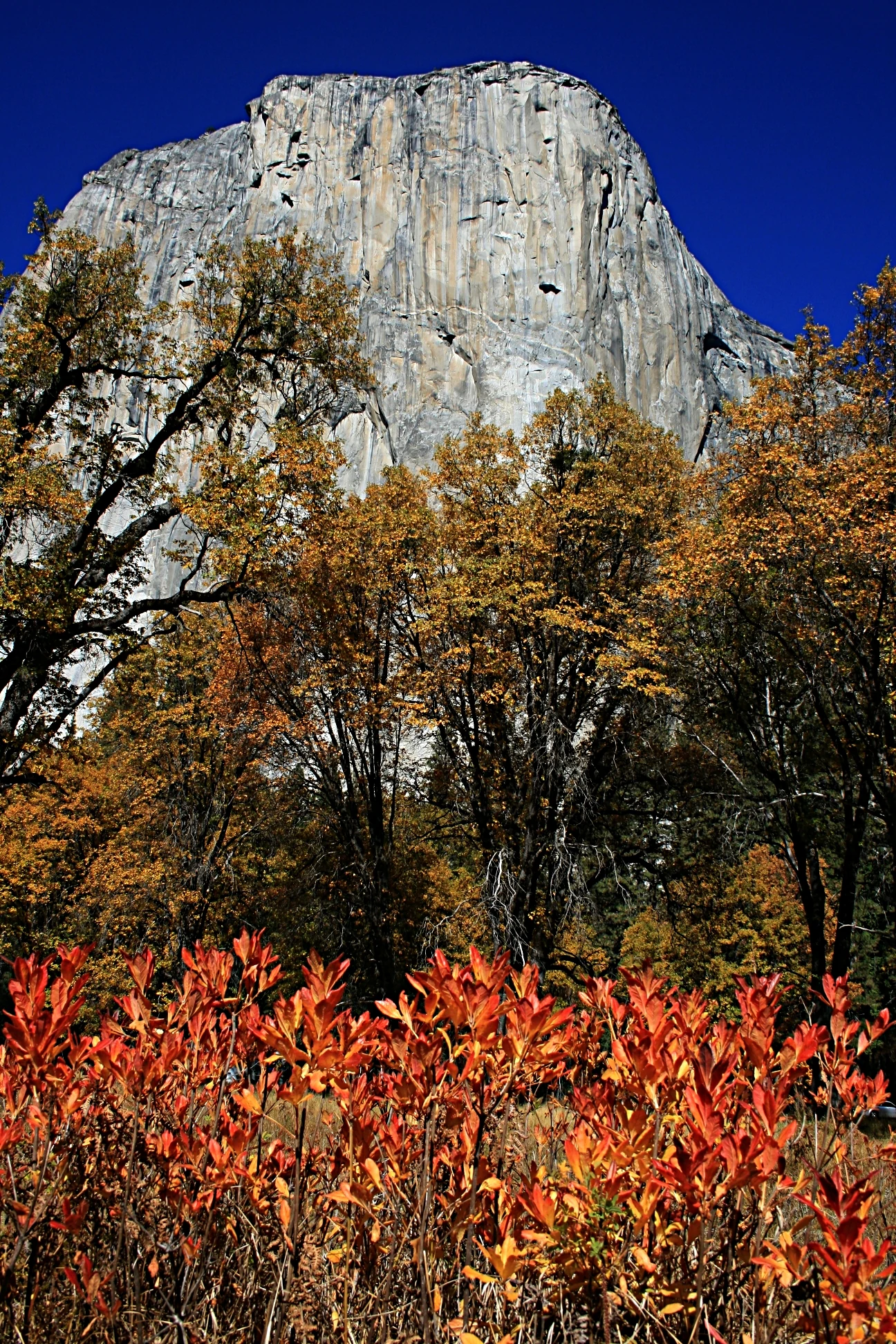
Yosemite is best known for its spectacular granite cliffs, including the iconic El Capitan, which rises approximately 3,000 feet above the valley floor and is a world-renowned rock climbing destination. The park features some of the world's most impressive waterfalls, with Yosemite Falls ranking as the fourth tallest in North America at 2,425 feet. The park protects three groves of ancient giant sequoia trees, among the largest and longest-living organisms on Earth. The U-shaped Yosemite Valley, carved by glacial activity, represents the park's most recognizable landscape, flanked by towering granite monoliths and cascading waterfalls. The park also contains extensive high country with Tuolumne Meadows, one of the largest subalpine meadows in the Sierra Nevada, and serves as habitat for diverse wildlife including black bear, mule deer, cougar, and the endangered Sierra Nevada bighorn sheep.
Yosemite National Park history and protected-area timeline
Yosemite's human history spans thousands of years, beginning with the indigenous peoples who called this landscape home. The Ahwahneechee people were the primary tribe residing within what is now the park boundaries, while surrounding areas were inhabited by related Southern Sierra Miwok, Northern Paiute, Mono, and Yokuts tribes. These indigenous peoples lived in the region for nearly 4,000 years, with the landscape providing game, fish, acorns, and other resources essential to their survival. The California Gold Rush of 1848 brought dramatic change, as tens of thousands of European Americans flooded the region, leading to conflict and the displacement of native peoples. The Mariposa War resulted in the forced removal of the Ahwahneechee, with Chief Tenaya and his people driven from their ancestral lands in 1851. European American exploration of Yosemite Valley began around 1833, with the first well-documented entrance occurring when the Mariposa Battalion, led by James Savage, entered the valley in 1851. Doctor Lafayette Bunnell, part of that expedition, later named Yosemite Valley based on his interviews with Chief Tenaya. The 1864 Yosemite Grant, signed by President Abraham Lincoln during the Civil War, represented a revolutionary concept: the preservation of natural scenery for public enjoyment. This was the first time land was set aside specifically for preservation and public use by the U.S. government, establishing a precedent that would lead to the creation of Yellowstone National Park in 1872 and eventually the entire National Park System. Galen Clark served as the first guardian of the grant, while John Muir's influential writings and advocacy led to the establishment of Yosemite National Park in 1890, encompassing the valley and surrounding areas. The National Park Service took over management in 1916, and the park was designated a UNESCO World Heritage Site in 1984.
Yosemite National Park landscape and geographic character
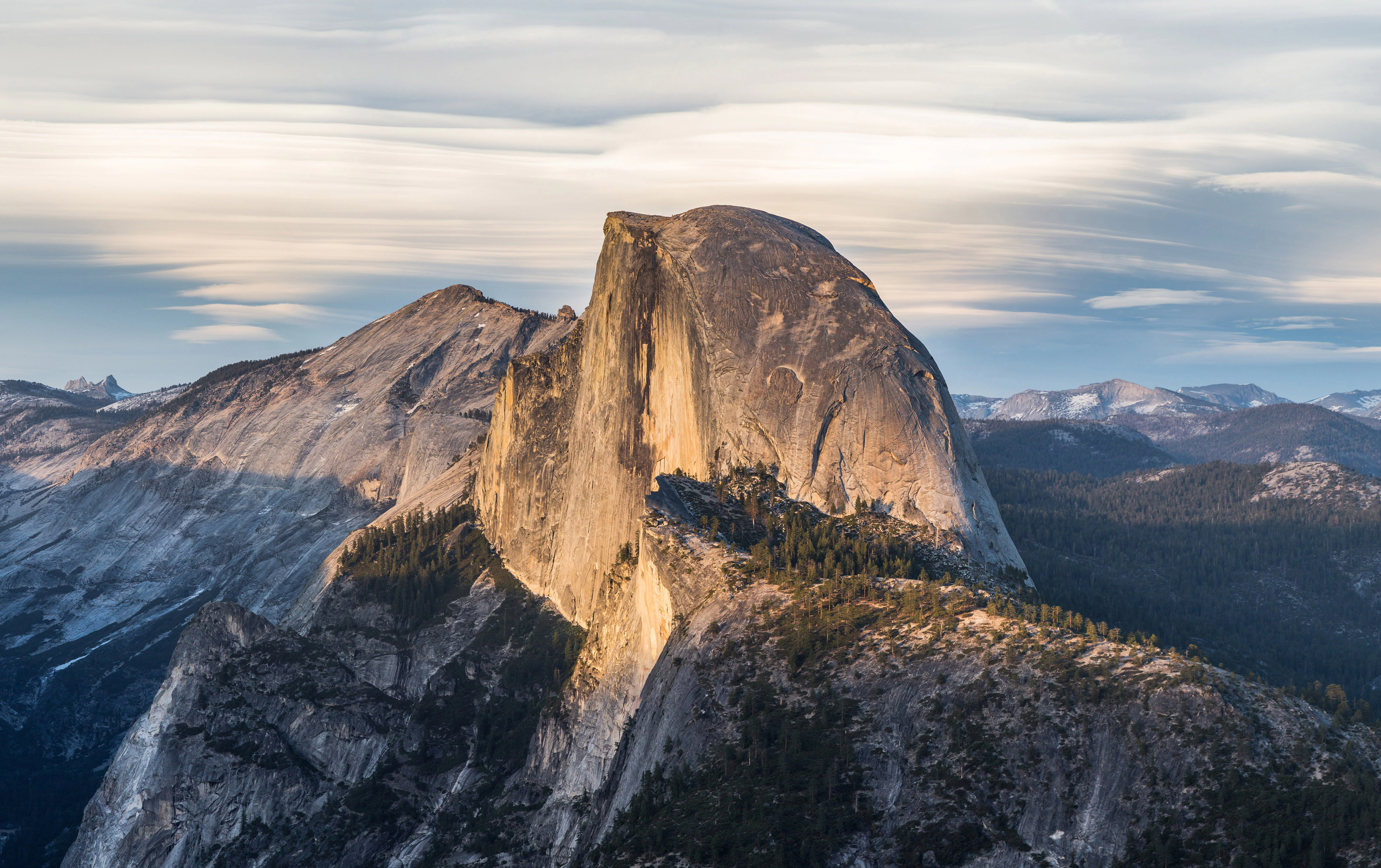
Yosemite's landscape is defined by the dramatic contrast between its glacial-carved valley floor and the surrounding mountainous terrain. The Sierra Nevada Batholith provides the geological foundation, with granite formations comprising approximately 95 percent of the park's landforms. The most recognizable feature is Yosemite Valley, a flat-floored canyon approximately seven miles long and one mile wide, surrounded by towering granite cliffs including El Capitan, Half Dome, Sentinel Rock, and Cathedral Spires. These cliffs exhibit dramatic exfoliation patterns where sheets of granite have peeled away from the rock face over millennia. The valley floor contains the Merced River, meadows, and doton trees, creating a pastoral landscape that contrasts sharply with the sheer walls rising above. Beyond the valley, the park contains numerous granite domes including Sentinel Dome and North Dome, while the high country features the extensive Tuolumne Meadows, a subalpine grassland surrounded by peaks and ridges. The park contains three distinct giant sequoia groves, with the Mariposa Grove being the largest at approximately 200 trees. Water features are abundant, with Yosemite Falls, Bridalveil Fall, Vernal Fall, and Nevada Fall among the most prominent, along with hundreds of smaller cascades that appear during spring snowmelt.
Yosemite National Park ecosystems, habitats, and plant life
Yosemite National Park preserves an extraordinary range of habitats across its dramatic elevation gradient from 2,127 to 13,114 feet. Five major vegetation zones characterize the park: chaparral and oak woodland at lower elevations, lower montane forest dominated by ponderosa pine and incense cedar, upper montane forest with red fir and lodgepole pine, subalpine zone featuring whitebark pine and mountain hemlock, and alpine tundra above treeline. The park contains approximately 352 square miles of old-growth forest, representing some of the most intact woodland remaining in the Sierra Nevada. Of California's approximately 7,000 plant species, more than 20 percent occur within Yosemite's boundaries, and the park provides suitable habitat for more than 160 rare plant species. Wetlands and meadows scattered throughout the park at various elevations provide critical habitat for numerous species, while the Merced and Tuolumne river systems support riparian ecosystems along their courses. The park's varied habitats support over 250 species of vertebrates, including fish, amphibians, reptiles, birds, and mammals, making it one of the most biodiverse protected areas in the Sierra Nevada.
Yosemite National Park wildlife and species highlights
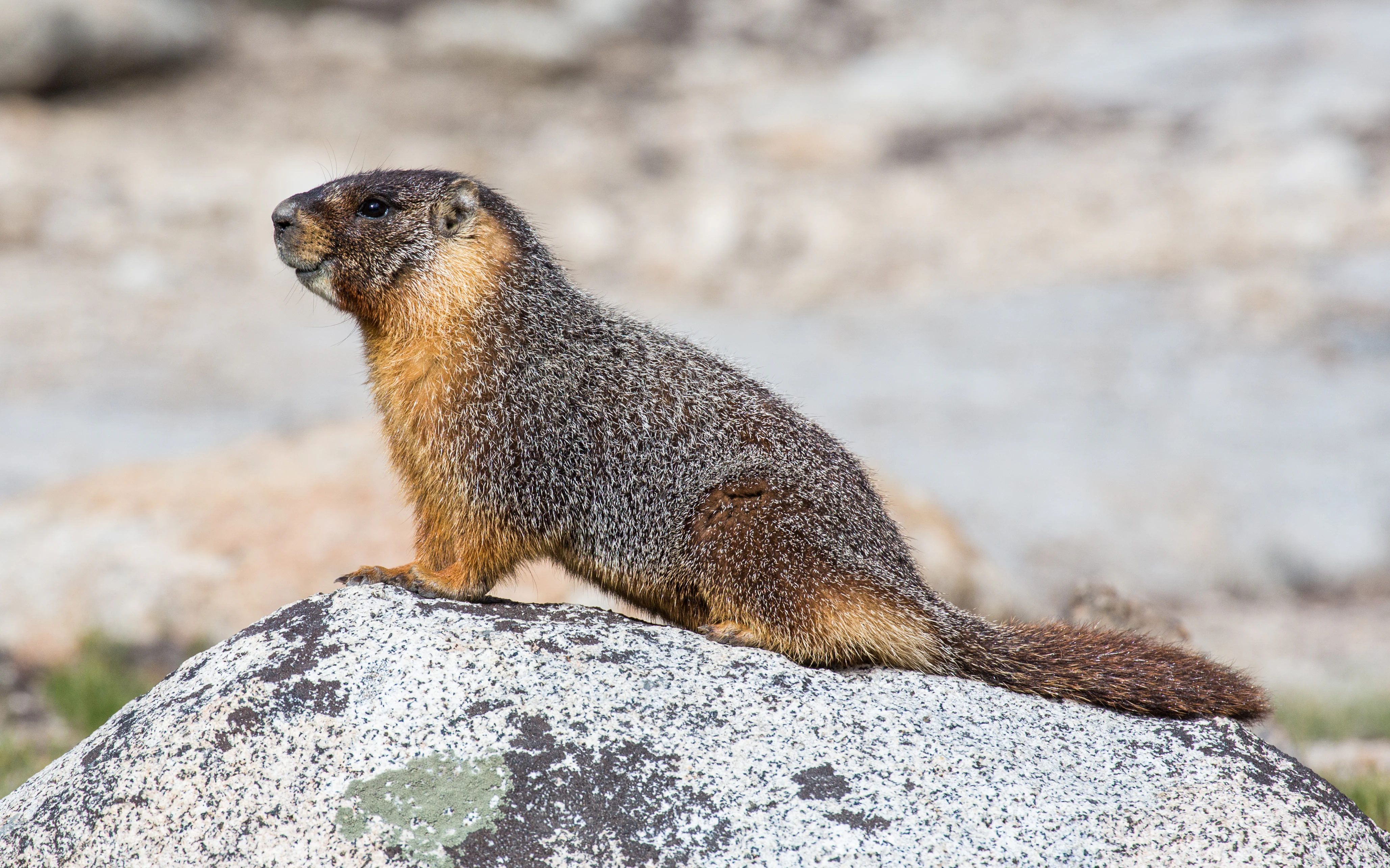
Yosemite supports a rich community of wildlife reflecting the diversity of its habitats and the connectivity of its protected landscapes. Mammals common throughout the park include black bear, coyote, bobcat, cougar, gray fox, and red fox, along with smaller species such as raccoon, river otter, and numerous rodents. Mule deer are commonly seen in meadows and forests throughout the park. At higher elevations, species such as the golden-mantled ground squirrel, chickaree, and fisher are prevalent, while the iconic yellow-bellied marmot inhabits alpine meadows. The park provides critical habitat for Sierra Nevada bighorn sheep, with a small reintroduced population found around Tioga Pass in the high country. Birdlife is exceptionally diverse, with species ranging from the white-headed woodpecker in lower forests to the black rosy finch and Clark's nutcracker in alpine zones. The great grey owl and willow flycatcher depend heavily on meadow habitats. Some species have been lost from the park within historical time, including the brown bear, California condor, and least Bell's vireo, while 37 species currently have special status under California or federal endangered species legislation.
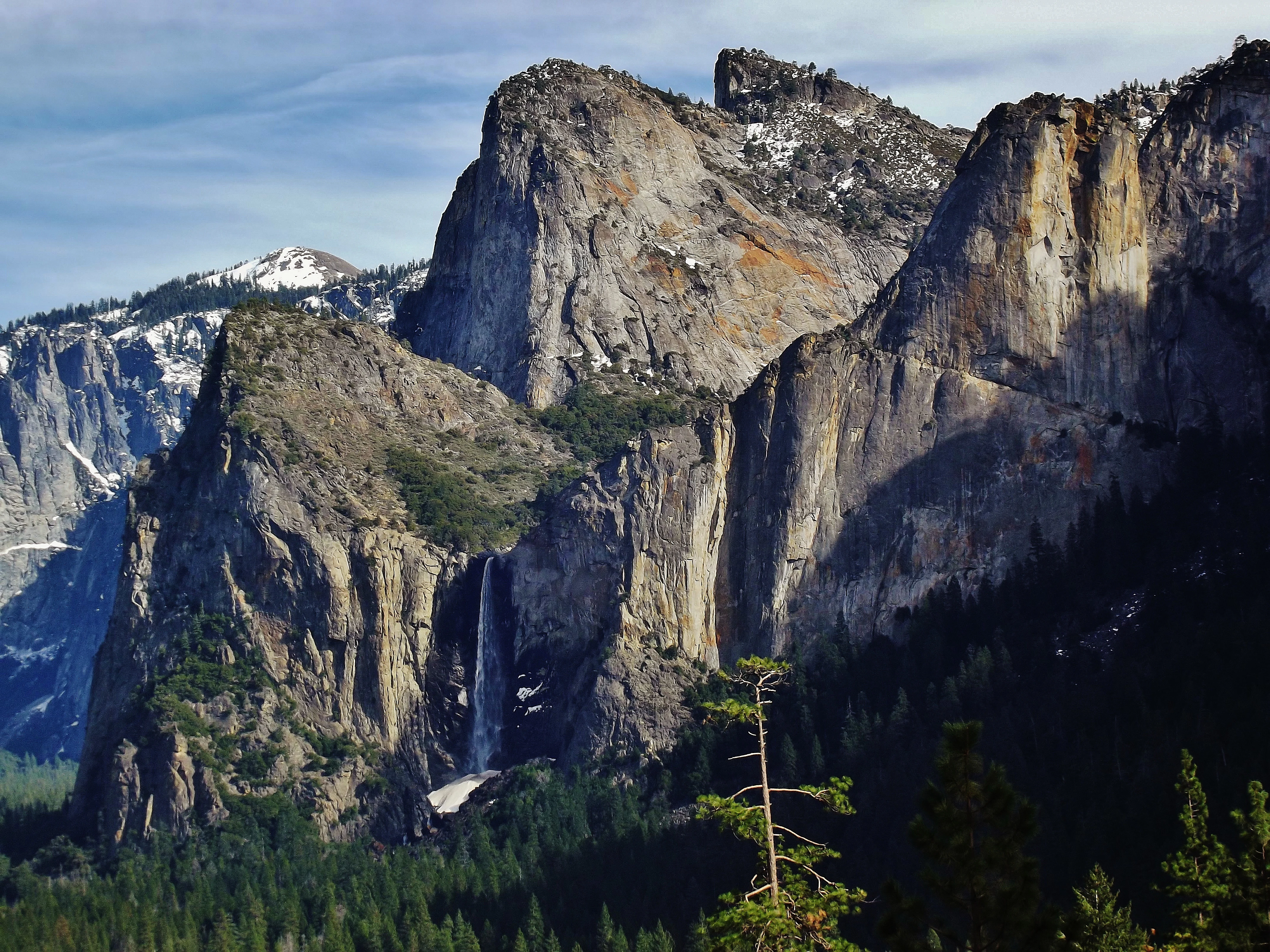
Yosemite National Park conservation status and protection priorities
Yosemite National Park represents one of the most significant conservation achievements in American history and continues to face ongoing management challenges. The park's designation as a UNESCO World Heritage Site in 1984 recognized its outstanding universal value as a natural landscape. Approximately 89 percent of the park, totaling 677,600 acres, was designated as the Yosemite Wilderness in 1984, providing the highest level of protection under the National Wilderness Preservation System. The park serves as a critical habitat block in the Sierra Nevada, supporting connectivity for wildlife movement across the mountain range. Conservation challenges include the presence of over 130 non-native plant species that threaten native communities, with species such as yellow star thistle competing with indigenous vegetation. Climate change is affecting the park through reduced snowpack, earlier spring melt, and increased wildfire frequency and intensity. The park's fire management has evolved from early fire suppression to prescribed fire programs that help maintain the natural fire regime essential for giant sequoia reproduction. The O'Shaughnessy Dam in Hetch Hetchy Valley remains a point of historical contention between those who oppose the flooding of a valley once compared to Yosemite Valley and those who support the water supply for San Francisco.
Yosemite National Park cultural meaning and human context
Yosemite's cultural landscape encompasses thousands of years of human presence, though the story is marked by displacement and loss for the region's indigenous peoples. The Ahwahneechee people, whose name means dwellers, were the primary residents of Yosemite Valley before European American settlement. The word Yosemite itself derives from the Miwok term yohhe'meti, meaning they are killers, which historically referred to the Ahwahneechee. Following the Mariposa War of 1851, the Ahwahneechee were forced from their lands, with Chief Tenaya and his people driven across the Sierra to join the Mono Lake Paiute. Many Ahwahneechee descendants were absorbed into that community, while others remained in the valley working in the emerging tourism industry. The last full-blooded Ahwahneechee, Totuya or Maria Lebrado, died in 1931. The National Park Service historically suppressed indigenous cultural expression, burning the Indian village in 1929 and evicting remaining Native residents in 1969. Today, the park maintains policies to protect sacred sites and allow Native peoples to return to their homelands. The park also contains significant historic structures including the Ahwahnee Hotel, now the Yosemite Valley Lodge, and Camp 4, which played a central role in the development of American rock climbing culture.
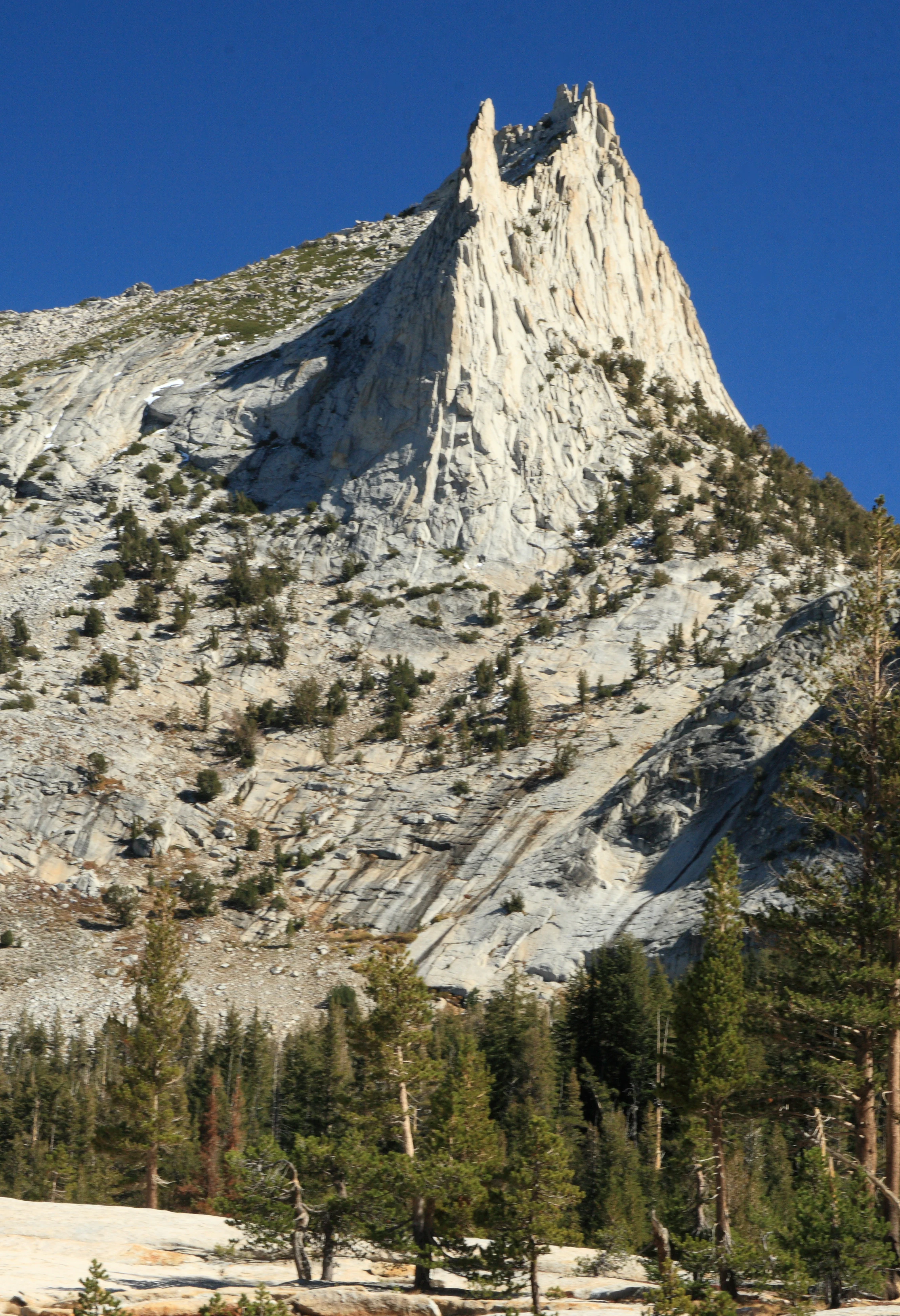
Top sights and standout views in Yosemite National Park
Yosemite Valley offers the park's most accessible and iconic scenery, with El Capitan, Half Dome, and the cascading falls providing the visual vocabulary that defines American wilderness. The Mariposa Grove of giant sequoia represents one of the largest and most accessible ancient forest stands in California, with trees reaching more than 2,000 years in age. Tuolumne Meadows provides a contrasting experience in the high country, with subalpine grasslands and mountain peaks offering hiking and climbing opportunities away from the valley crowds. The park's wilderness designation ensures that over 800 miles of trails lead into some of the most remote and pristine terrain in the Sierra Nevada. Hetch Hetchy Valley, while flooded by the O'Shaughnessy Dam, offers waterfalls including Wapama Falls and a more secluded experience. The park's rock climbing opportunities range from beginner bouldering to world-class routes on El Capitan, with Camp 4 serving as the historic center of American climbing culture.
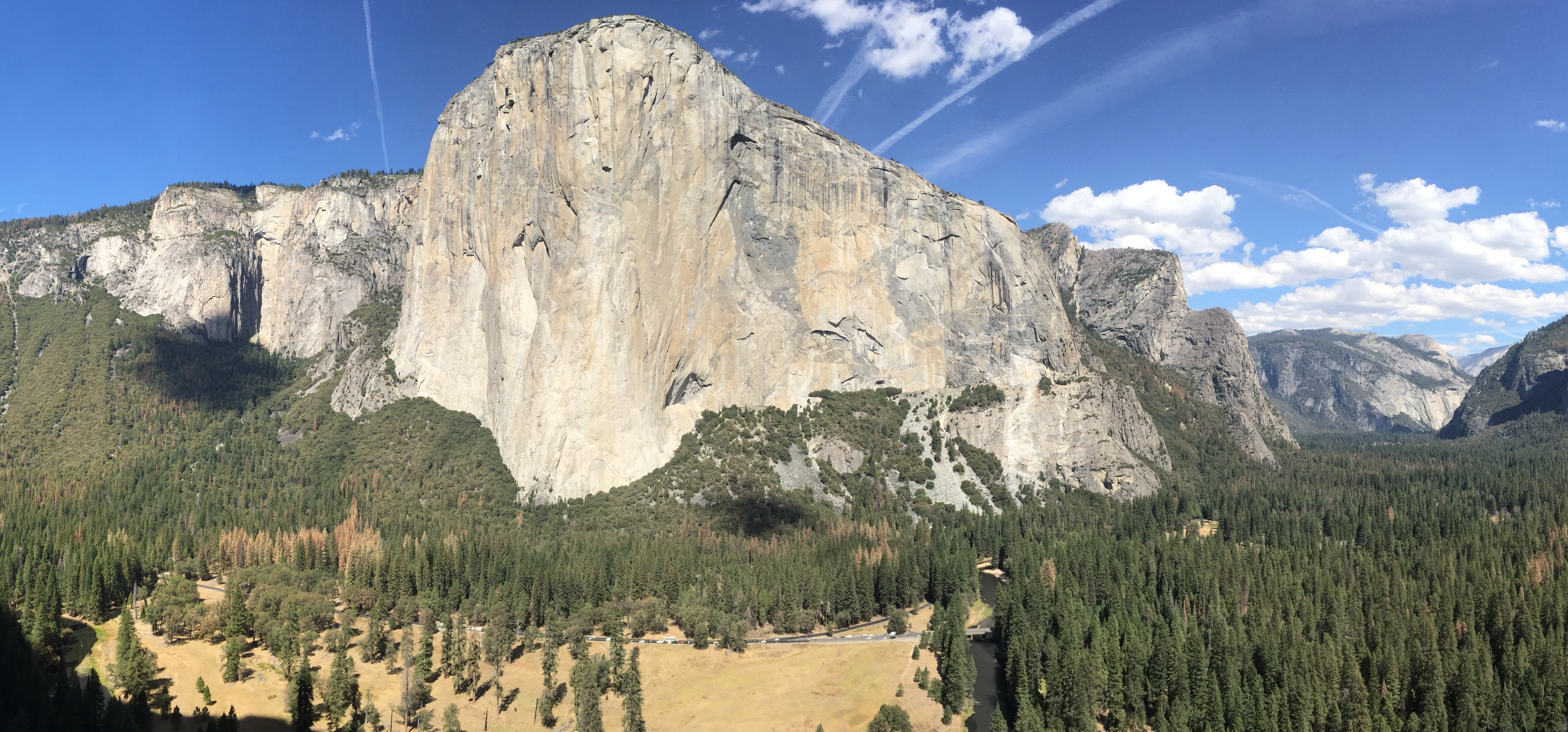
Best time to visit Yosemite National Park
Yosemite can be visited year-round, though each season offers distinctly different experiences. Spring and early summer, particularly April through June, bring the most dramatic waterfall displays as snowmelt cascades from hanging valleys and glacial steps. Wildflower displays in meadows are particularly spectacular during this period. Summer months draw the largest crowds, with warm temperatures in the valley allowing hiking, rock climbing, and camping, though the valley can become congested and parking limited. The high country, including Tuolumne Meadows, becomes accessible from mid-summer through early fall. Autumn offers fewer crowds and mild temperatures, with fall colors particularly striking in the oak woodlands and along the Merced River. Winter transforms the landscape, with snow blanketing the high country and occasional snow in the valley, creating opportunities for cross-country skiing, snowshoeing, and a more peaceful experience of the park's iconic scenery. Road closures during winter, particularly over Tioga Pass, limit access to some areas but create a quieter atmosphere in the valley.