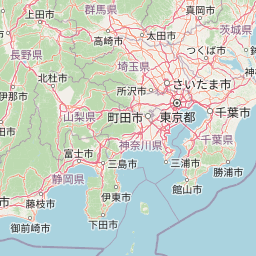
Why Fuji-Hakone-Izu National Park stands out
Fuji-Hakone-Izu National Park is best known for containing Mount Fuji, one of Japan's most recognizable cultural symbols and a sacred mountain that has inspired artists and pilgrims for centuries. The park is equally famous for its extensive hot spring resorts in the Hakone area and along the Izu Peninsula, where volcanic activity provides natural onsen waters that have drawn visitors for centuries. The Fuji Five Lakes at the base of Mount Fuji provide the park's most iconic views, while the Izu Islands offer a different character entirely, with volcanic landscapes, rugged coastlines, and excellent scuba diving opportunities in clear Pacific waters. The park's remarkable geographic diversity, spanning from snow-capped mountain peaks to subtropical island environments within a single protected area, makes it uniquely significant in Japan's national park system.
Fuji-Hakone-Izu National Park history and protected-area timeline
Fuji-Hakone-Izu National Park was established on February 2, 1936, as Fuji-Hakone National Park, making it one of the first four national parks created in Japan following the passage of the National Parks Law in 1931. The selection of Mount Fuji and the Hakone region for this inaugural designation reflected both the areas' exceptional natural beauty and their profound cultural significance in Japanese history and spirituality. Mount Fuji had long been a site of religious pilgrimage and artistic inspiration, while Hakone's hot springs had developed as a traditional resort destination since the Edo period. In 1950, the park underwent significant expansion when the Izu Islands were incorporated into the protected area, a change that necessitated revising the park's name to Fuji-Hakone-Izu National Park to reflect this southern extension. This expansion recognized that the volcanic islands possessed unique ecological and scenic values distinct from the mountain and lake landscapes of central Honshu. The park's proximity to Tokyo, Japan's largest metropolitan area, has made it the most visited national park in Japan since its establishment, with millions of domestic and international visitors drawn annually to experience its diverse landscapes, hot springs, and natural wonders.
Fuji-Hakone-Izu National Park landscape and geographic character
The landscape of Fuji-Hakone-Izu National Park encompasses an extraordinary diversity of terrain shaped by volcanic activity, erosion, and the collision of mountain, lake, coastal, and island environments. At the park's heart stands Mount Fuji, a nearly perfect conical stratovolcano that rises 3,776 meters above sea level and dominates the surrounding landscape with its snow-capped peak visible from great distances across the Kanto Plain. The Fuji Five Lakes, formed by ancient volcanic activity and subsequent damming of rivers, create a series of scenic water bodies at the mountain's base, their calm waters providing the classic reflective views of Mount Fuji that appear in countless photographs and artworks. The Hakone area features a volcanic landscape characterized by steaming vents, hot springs, and the caldera lake known as Lake Ashi, formed in the crater of an ancient volcano. The Owakudani valley displays active sulfurous hot springs and steam vents that attest to ongoing geothermal activity beneath the surface. The Izu Peninsula presents a mountainous spine of volcanic hills and mountains, including Mount Amagi, with deeply indented coastlines where rugged cliffs meet the Pacific Ocean. The Jogasaki coast exemplifies this dramatic shoreline with its sheer cliffs and pounding surf. The Izu Islands represent the park's most distant and distinctive landscape, a chain of volcanic islands rising from the Pacific Ocean, each with its own character shaped by past and present volcanic activity, with features ranging from volcanic calderas and lava formations to tropical coastlines and coral reefs.
Fuji-Hakone-Izu National Park ecosystems, habitats, and plant life
The nature of Fuji-Hakone-Izu National Park reflects the extraordinary environmental diversity created by the park's vast north-south extent and elevation range from sea level to 3,776 meters. Around Mount Fuji and in the higher elevations of the Hakone and Izu Peninsula regions, temperate forest communities predominate with species including Japanese beech, Japanese cedar, and various conifers adapted to cooler conditions. The Aokigahara forest at the northwestern base of Mount Fuji is particularly notable, a dense woodland growing on volcanic soil that has developed over centuries. As the park extends southward through the Izu Peninsula and into the Izu Islands, the vegetation transitions progressively toward subtropical communities, with warm-temperate forests featuring evergreen oaks, Japanese cypress, and increasingly tropical species on the southern islands. The Izu Islands themselves possess distinctive flora shaped by their volcanic origins and oceanic isolation, with endemic plant species adapted to the island environments. Marine environments around the Izu Islands support coral communities and tropical fish species in clearer Pacific waters, while the coastal areas feature diverse intertidal zones and kelp forests. Wetland areas, exemplified by the Hakone Botanical Garden of Wetlands, preserve specialized habitats for water-loving plant communities.
Fuji-Hakone-Izu National Park wildlife and species highlights
The wildlife of Fuji-Hakone-Izu National Park benefits from the protected status of diverse habitats spanning multiple ecological zones, though detailed species documentation is limited in the available source material. The forest environments throughout the park provide habitat for various bird species and small mammals, while the lake environments support waterfowl and fish populations. The Izu Islands, situated along potential migratory routes in the Pacific, offer opportunities for birdwatching with both resident and migratory species. Marine environments around the Izu Islands support diverse fish communities, coral formations, and other marine life that attract scuba divers to the clear waters. The park's varied elevations create opportunities for observing different ecological communities, from alpine species adapted to the harsh conditions near Mount Fuji's summit to subtropical marine life in the island waters. The protected area status helps preserve these wildlife communities despite the high visitation levels that characterize the park.
Fuji-Hakone-Izu National Park conservation status and protection priorities
Fuji-Hakone-Izu National Park was established as one of Japan's first national parks in 1936, reflecting a pioneering commitment to protecting the nation's most significant natural landscapes. The park's designation as an IUCN Category II protected area indicates its primary purpose of preserving natural ecosystems while allowing for sustainable recreation and environmental education. The conservation challenges facing the park are substantial given its status as Japan's most visited national park, with millions of annual visitors creating pressure on natural resources and requiring careful management of impacts. The park encompasses a range of sensitive environments from alpine zones around Mount Fuji to marine ecosystems around the Izu Islands, each requiring specific management approaches. Ongoing volcanic activity on several of the Izu Islands, including Izu Ōshima which remains an active volcano, adds complexity to conservation planning and requires monitoring of geological hazards. The protection of scenic views, particularly the iconic perspectives of Mount Fuji across the Five Lakes, requires coordination with surrounding lands outside the park boundaries. Japan's national park system continues to evolve in its approaches to balancing conservation with public enjoyment, and Fuji-Hakone-Izu serves as a model for managing high-use protected areas.
Fuji-Hakone-Izu National Park cultural meaning and human context
Fuji-Hakone-Izu National Park is deeply intertwined with Japanese cultural history, particularly through the central presence of Mount Fuji, which has held religious significance in Japan for centuries as a sacred mountain Shinto shrine at its summit and a destination for pilgrimage journeys. The mountain appears throughout Japanese art, literature, and poetry as a symbol of national identity and natural beauty, with the view across the Five Lakes representing one of the most celebrated scenes in Japanese visual culture. Hakone developed as a hot spring resort destination during the Edo period when the Old Tōkaidō Road connected Edo (modern Tokyo) to Kyoto, and travelers would stop to bathe in the therapeutic waters. The historic route passes through the park area, preserving a cultural landscape that connects to Japan's pre-modern travel traditions. The Izu Peninsula and Islands have their own cultural heritage tied to maritime traditions, fishing communities, and the distinctive island lifestyles that have developed in relative isolation from the main island. The park's creation in 1936 reflected a modern concept of national parks that sought to preserve natural heritage while making it accessible to contemporary society, building on older traditions of appreciating scenic landscapes that were central to Japanese aesthetics.
Top sights and standout views in Fuji-Hakone-Izu National Park
Fuji-Hakone-Izu National Park offers an exceptional concentration of highlights within a single protected area, beginning with Mount Fuji itself, whose iconic symmetrical cone and snow-capped peak represent one of Japan's most recognizable symbols. The Fuji Five Lakes provide accessible and stunning viewpoints for experiencing the mountain, with Lake Kawaguchi offering particularly famous reflections. Hakone's hot spring resorts present opportunities for traditional onsen bathing surrounded by mountain scenery, while the Owakudani geothermal area showcases active steam vents and volcanic activity. Lake Ashi in Hakone, a caldera lake with views of surrounding mountains, is accessible via cable car and offers scenic boat cruises. The Izu Islands extend the park's character far to the south, where volcanic islands like Izu Ōshima provide distinctive landscapes and the clear Pacific waters support scuba diving at sites like the Izu Ocean Park with its famous underwater post box. The Jogasaki coast on the Izu Peninsula presents dramatic Pacific coastline views from a scenic walking trail.
Best time to visit Fuji-Hakone-Izu National Park
The best time to visit Fuji-Hakone-Izu National Park depends on the specific experiences sought, though spring and autumn generally offer the most favorable conditions across most of the park. The period from April through June brings mild temperatures, clear skies, and the spectacular scenery of cherry blossoms in spring followed by fresh green foliage in early summer, while autumn from October through November offers crisp air, autumn colors painting the forests, and some of the clearest views of Mount Fuji. Summer months can be crowded and feature both hot temperatures in the lowlands and unpredictable weather on the mountain, though this is also the season when the Fuji Five Lakes are most vibrant with visitors. Winter transforms the park, particularly Mount Fuji, which acquires its characteristic snow cap and offers different scenic appeal, though some facilities may have reduced hours. The Izu Islands can be enjoyed year-round due to their milder climate, though summer brings warmer ocean temperatures for swimming and diving while winter offers fewer crowds and clear visibility for underwater activities. Visitors planning to climb Mount Fuji should be aware that the official climbing season is limited to July and August when mountain huts and facilities are operational.