Mori Atlas logo
National parkOze National Park

Discover the mapped boundaries and natural terrain of Oze National Park.

Oze National Park: A Protected Landscape within the Kantō Region's Geography

Oze National Park represents a significant protected landscape within Japan's Kantō region, offering a distinct geographic identity for atlas exploration. This page provides a foundational understanding of its protected area status and its place in the regional natural terrain. Users can explore how its mapped boundaries contribute to the broader geographical context of the area, serving as a key point for understanding conservation landscapes and regional geography.

wetlandshigh-altitude ecosystemspeat bogsmountain parksRamsar sitesmarshland

Oze National Park

National park

Park overview

Structured park overview, official facts, and landscape profile for Oze National Park

Oze National Park park facts, protected area profile, and essential visitor context
Review the core facts for Oze National Park, including designation, size, terrain, visitor scale, habitats, and operating context in one park-focused overview.

About Oze National Park

Oze National Park represents a unique addition to Japan's national park system, established to protect a landscape type that had not previously been represented in the country's network of protected areas. The park's territory encompasses the Ozegahara marsh complex, a vast expanse of peat bog and wetland that sits at considerable elevation in the mountain ranges separating the Kantō and Niigata regions. This high-altitude setting creates conditions that support vegetation communities more commonly associated with much higher latitudes, including extensive sedge meadows, peat-forming mosses, and specialized wetland flora. The surrounding mountain environments add vertical diversity to the park, with peaks providing alpine zones above the marshland floor. The park's establishment in 2007 reflected a growing recognition that Japan's wetland ecosystems required dedicated protection, building upon the earlier Ramsar designation of the Oze wetlands in 2005. The park's boundary encompasses not only the core marshland but also the forested mountain slopes and alpine zones that contribute to the integrity of the watershed feeding the wetland system.

Quick facts and research context for Oze National Park

Oze National Park occupies a high-elevation position in the Kantō region of central Honshu, spanning four Japanese prefectures. The park was designated as Japan's 29th national park and encompasses approximately 372 square kilometers of protected territory. The area was previously part of Nikkō National Park before being elevated to independent park status. Oze holds Ramsar Convention designation as a wetlands site of international importance, recognizing its significant peat bog and marshland ecosystems.

Park context

Deeper park guide and search-rich context for Oze National Park

Oze National Park history, landscape, wildlife, and travel context
Explore Oze National Park through its history, landscape character, ecosystems, wildlife, conservation priorities, cultural context, and seasonal travel timing in a structured park guide built for atlas discovery and search intent.

Why Oze National Park stands out

Oze National Park is best known for its extraordinary high-altitude marshland ecosystem, particularly the Ozegahara peat bog, which ranks among Japan's most significant wetland areas. The park protects extensive open greenland at elevations that support unique subalpine vegetation communities. The iconic view of Mount Shibutsu rising behind the marshland has become one of the most photographed landscapes in Japan's protected area system. The combination of rolling wetlands, alpine peaks, and the rarity of such ecosystems in Japan's mountainous terrain makes this park a distinctive conservation asset.

Oze National Park history and protected-area timeline

Oze National Park was officially established on August 30, 2007, becoming Japan's 29th national park and the first new designation in twenty years. The park was created through the elevation of portions of the former Nikkō National Park, specifically the Oze area and surrounding mountain territories, to independent national park status. This designation followed the Ramsar Convention recognition of the Oze wetlands as a site of international importance in November 2005, which had already signaled the ecological significance of the marshland. The creation of a new national park in the twenty-year period between Kushiro-shitsugen in 1987 and Oze in 2007 reflected both evolving conservation priorities in Japan and the specific ecological value of this high-altitude wetland ecosystem. The park's establishment also acknowledged the cultural significance of the Oze landscape, which appears in traditional contexts such as the Jomo Karuta card game from Gunma Prefecture.

Oze National Park landscape and geographic character

The landscape of Oze National Park is defined by the contrast between its expansive marshland floor and the surrounding mountain rim. Ozegahara represents a vast peat bog environment at high elevation, characterized by gentle undulating terrain covered in wetland vegetation. The marshland creates an open, sweeping landscape that differs markedly from the dense forests that dominate much of Japan's mountain environments. Around the wetland periphery, mountains including Mount Shibutsu and Mount Aizu-Komagatake rise to provide vertical definition to the park, with their slopes supporting forest cover that transitions from subalpine conifers at higher elevations to mixed deciduous forests below. The combination of the open wetland, the surrounding forest, and the alpine peaks creates a landscape of considerable visual variety within a relatively compact area.

Oze National Park ecosystems, habitats, and plant life

The nature of Oze National Park centers on its high-altitude wetland ecosystem, which supports vegetation communities uncommon in Japan's mountain environments. The Ozegahara marsh contains extensive peat deposits that have accumulated over millennia, creating a foundation for specialized wetland plant communities. Sedge-dominated vegetation covers much of the marsh floor, with various species of cottongrass and other wetland specialists adapted to the acidic, waterlogged conditions. The surrounding slopes support forest ecosystems that transition through distinct altitudinal zones, from mixed forests at lower elevations through subalpine coniferous forests to alpine zones on the highest peaks. The combination of protected marshland, forest, and alpine habitats within a single protected area creates a diverse ecological framework.

Oze National Park wildlife and species highlights

Oze National Park supports wildlife populations characteristic of Japan's high-altitude mountain and wetland environments. The marshland and surrounding wetland areas provide habitat for various bird species associated with open wetland environments, including species that use these habitats for breeding and foraging. The forest environments on the mountain slopes support typical Japanese mountain fauna, with the protected status of the area helping to maintain ecological continuity across the elevational gradient from wetland to alpine zones.

Oze National Park conservation status and protection priorities

Oze National Park holds recognition under both Japan's national park system and the international Ramsar Convention, reflecting its significance as a wetland conservation area. The Ramsar designation, awarded in November 2005, acknowledged the international importance of the Ozegahara ecosystem as a peat bog and wetland habitat. This dual protection framework emphasizes both the national significance of the area as a representative Japanese protected landscape and its international recognition as a significant wetland ecosystem. The park's establishment followed growing understanding of the ecological value of high-altitude wetlands in Japan and the need for dedicated protection of these relatively rare habitat types.

Oze National Park cultural meaning and human context

The Oze landscape holds a place in Japanese regional culture, most notably through its representation in the Jomo Karuta traditional card game from Gunma Prefecture. This cultural reference reflects the long-standing recognition of the Oze landscape as a distinctive feature of the region's identity. The park spans four prefectures, creating a cross-regional protected area that connects different parts of central Japan through the shared presence of this significant natural landscape.

Top sights and standout views in Oze National Park

The defining highlight of Oze National Park is the Ozegahara marsh itself, a sweeping high-altitude wetland that creates an almost subarctic landscape in the heart of Japan. The view of Mount Shibutsu rising behind the marshland has become an iconic image of Japanese natural landscapes. The park's significance as Japan's first new national park in twenty years underscores its role in expanding the representativeness of Japan's protected area network to include major wetland ecosystems. The Ramsar designation further emphasizes the international conservation importance of this high-altitude bog system.

Best time to visit Oze National Park

Oze National Park can be visited throughout the year, though the high-altitude setting means that conditions vary substantially across seasons. The summer months bring the warmest temperatures and the peak growing season for the marshland vegetation, when the wetland is at its most lush and the wildflower display is most pronounced. Autumn brings changing colors to the surrounding forests and can offer crisp, clear weather. Winter transforms the landscape into a snowy environment, with the marshland and peaks under snow cover. The visitable season for the more accessible parts of the park may vary with snow conditions.
Park location guide

Geography guide, regional context, and park location map for Oze National Park

Oze National Park park geography, regions, and map view in Japan
Understand where Oze National Park sits in Japan through a broader geographic reading of the surrounding landscape, nearby location context, and its mapped position within the national park landscape.

How Oze National Park fits into Japan

Japan is an island nation in East Asia comprising over 14,000 islands in the Pacific Ocean. The country operates as a unitary parliamentary constitutional monarchy with Emperor Naruhito as the reigning monarch and Prime Minister Sanae Takaichi leading the government. With a population of approximately 123 million, Japan is the world's 11th most populous country and a major economic power with one of the strongest militaries, though it has constitutionally renounced its right to declare war.

Wider geography shaping Oze National Park in Japan

Japan is an island nation in the Pacific Ocean, bordered to the west by the Sea of Japan and extending from the Sea of Okhotsk in the north to the East China Sea in the south. The Japanese archipelago lies off the northeast coast of the Asian mainland. Approximately 75% of Japan's terrain is mountainous and heavily forested, with agricultural land and urbanized populations concentrated along the eastern coastal plains. The country is divided into 47 administrative prefectures and eight traditional regions.

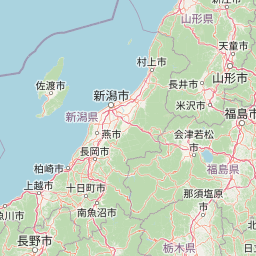
Map view of Oze National Park

Use this park location map to pinpoint Oze National Park in Japan, understand its exact geographic position, and read its mapped placement within the surrounding landscape more clearly.

Pigeon | © OpenStreetMap contributors

Location context for Oze National Park

Kantō region
Park atlas

Discover other Japanese national parks and protected landscapes that share regional geography, wetland ecosystems, or alpine terrain with Oze National Park.

Explore National Parks Near Oze National Park, Comparing Japan's Diverse Protected Wetlands and Mountain Ranges
Browse national parks and other protected areas situated near Oze National Park, exploring a range of regional geography, distinct wetland ecosystems, and varied mountain landscapes. Compare these Japanese protected areas to understand their unique features, geographic spread, and conservation significance within the broader atlas of Asian natural environments.
National parkTochigi Prefecture

Nikkō National Park: Discover its Protected Landscape and Regional Geography

Explore mapped boundaries and natural terrain within Tochigi Prefecture.

Understand Nikkō National Park as a key protected area within the geography of Tochigi Prefecture. This dedicated page provides an atlas-style overview of its natural landscape, mapped contours, and significance. Users can gain insights into the park's protected status and its placement within Japan's diverse natural regions, fostering a deeper appreciation for its geographic context.

Area
1,149.08 km²
Established
1934
IUCN
II
Relief
Mountain
National parkJapan

Jōshin'etsu-kōgen National Park: Protected Landscape and Regional Geography Atlas

Explore the mapped boundaries and geographic identity of this national park.

Jōshin'etsu-kōgen National Park represents a vital protected area within Japan, offering rich opportunities for geographic discovery through its mapped landscape. This entry provides detailed context on its protected boundaries and its relation to the surrounding regional geography, perfect for atlas-based exploration of natural terrains and conservation landscapes. Understand the unique geographic setting of this important national park.

Area
1,481.94 km²
Established
1949
IUCN
II
Relief
Mountain
National parkTōhoku region

Bandai-Asahi National Park: National Park Exploration and Geographic Context

Explore protected landscapes and mapped terrain in Japan's Tōhoku region.

Bandai-Asahi National Park provides critical insights into Japan's protected natural areas and regional geography. As a designated national park, it serves as a key entity for understanding mapped boundaries and landscape characteristics within the Tōhoku region. This page is designed for detailed atlas exploration, offering a focused view on the park's geography and its significance as a protected landscape.

Area
1,870.41 km²
Established
1950
IUCN
II
Visitors
7.1M annual
National parkJapan

Myōkō-Togakushi Renzan National Park: Mapped Protected Landscape Geography in Japan

Explore the park's regional terrain and protected area context.

Delve into the geographic specificities of Myōkō-Togakushi Renzan National Park, a key protected landscape in Japan. This entry focuses on its mapped terrain, regional setting, and the atlas-value of understanding its protected boundaries. Gain clarity on the park's distinct natural geography and its contribution to the broader protected area network.

Area
397.72 km²
Established
2015
IUCN
II
Relief
Mountain
National parkSaitama Prefecture

Chichibu-Tama-Kai National Park: Mapped Protected Landscape and Regional Geography

Explore the geographic identity of this national park.

Discover Chichibu-Tama-Kai National Park through its protected landscape features and geographic setting. This page provides detailed atlas context, focusing on the park's mapped boundaries and its contribution to the regional geography of Saitama Prefecture. Understand the unique character and structural significance of this national park for comprehensive geographic discovery.

Area
1,216 km²
Established
1950
IUCN
II
Relief
Mountain
Watercolor painting of green and pink mountain ranges with forested foreground and distant peaks.
National parkChūbu region

Minami Alps National Park: A Protected Alpine Wilderness in Japan's Chūbu Region

Discover its dramatic peaks and vital river headwaters.

Minami Alps National Park offers a profound exploration into Japan's high-altitude natural geography. As a national park, it preserves a dramatic alpine environment defined by glacially carved terrain and multiple peaks exceeding 3000 meters. This protected landscape serves as a vital watershed, safeguarding the origins of major river systems and showcasing a rugged mountain character distinct from more accessible areas, ideal for understanding protected wildlands.

Area
357.52 km²
Established
1964
IUCN
II
Relief
Mountain
Watercolor illustration of a mountain landscape with a lake, grasses, and flowers
National parkIshikawa Prefecture

Hakusan National Park: Sacred Mountain Protected Landscape in Ishikawa Prefecture

Mapped alpine terrain and volcanic geography for protected area discovery.

Hakusan National Park offers a unique exploration of Japan's sacred mountain heritage and alpine natural beauty. This protected landscape, centered on Mount Haku, features distinct volcanic terrain, crater lakes, and exceptional alpine flora. Users can explore the park's mapped boundaries, understand its place within Ishikawa Prefecture's geography, and appreciate its role as a significant UNESCO Biosphere Reserve for detailed atlas-based discovery.

Area
477 km²
Established
1962
IUCN
II
Relief
Mountain
National parkJapan

Fuji-Hakone-Izu National Park: Japan's Premier National Park with Diverse Volcanic Landscapes and Mapped Geography

Explore volcanic terrain, hot springs, islands, and Mount Fuji's iconic protected boundaries.

Fuji-Hakone-Izu National Park is a vast and diverse protected area in Japan, anchored by the iconic Mount Fuji. This national park features a remarkable range of volcanic landscapes, including natural hot springs, rugged coastlines, and the unique Izu Islands extending into the Pacific. Delve into its mapped geography and protected landscape identity for a comprehensive atlas-style understanding of this significant natural asset within Japan.

Area
1,227 km²
Established
1936
IUCN
II
Visitors
11.3M annual

Common questions about visiting, size, designation, and location context for Oze National Park

Oze National Park FAQs for park facts, access, geography, and protected area context
Find quick answers about Oze National Park, including protected-area facts, park geography, trail and visitor context, and how the park fits into its surrounding country and regional landscape.
MoriAtlas Explorer

Continue Your Protected Areas Search Across the Global Atlas

Deepen your exploration by continuing the structured search for national parks and protected areas worldwide. Utilize the comprehensive filtering capabilities to compare different conservation landscapes and refine your understanding of global park geography. Discover more about the distribution and characteristics of protected natural areas.

Global natural geography