Why Yoshino-Kumano National Park stands out
The park is best known for Mount Yoshino, which hosts one of Japan's most renowned cherry blossom viewing sites with approximately 30,000 cherry trees covering its slopes in spectacular fashion each spring. The park also protects the sacred Kumano Hongū Taisha shrine and the surrounding Kumano Sanzan (three great shrines) complex that has been a center of pilgrimage for over 1,000 years. The Nachi Falls, one of Japan's most photographed waterfalls, and the dramatic coastal geology of Kushimoto Marine Park further distinguish this park. The ancient pilgrimage trails that traverse the park connect these spiritual sites through centuries-old routes穿过原始森林和高山地区.
Yoshino-Kumano National Park history and protected-area timeline
Yoshino-Kumano National Park was established on February 1, 1936, as part of Japan's second wave of national park designations following the creation of Nikko National Park in 1934. The early establishment of this park reflects the special recognition given to the Kii Mountain Range's combination of outstanding natural beauty and profound spiritual significance. The park was created during a period when Japan was developing its modern conservation framework, and the selection of this area highlighted the country's understanding that natural and cultural heritage could not be separated in many of its most treasured landscapes. The subsequent inclusion of the park's sacred sites and pilgrimage routes within the UNESCO World Heritage designation in 2004 further cemented international recognition of the area's universal value. The park's boundaries have been refined over the decades to balance protection of critical ecosystems with sustainable use by local communities and pilgrims.
Yoshino-Kumano National Park landscape and geographic character
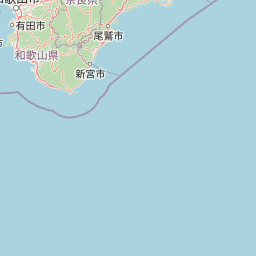
The park's landscape is defined by the rugged, heavily forested peaks of the Kii Mountain Range, which rises dramatically from the Pacific coast to elevations exceeding 1,900 meters at Mount Ōdaigahara. Deep river valleys have carved through the mountainous terrain, creating spectacular gorges such as Dorokyō Gorge where rushing waters tumble over ancient rocks beneath towering forest canopies. The coastal sections of the park feature dramatic cliffs and rocky headlands where the mountains meet the sea, particularly around Kushimoto Marine Park. Mount Yoshino presents a distinctive landscape of forested slopes that each spring transform into a sea of pink and white cherry blossoms, a phenomenon that has been documented in Japanese poetry and art since the Heian period. The terrain includes rocky ridgelines, cascading waterfalls including the famous Nachi Falls, and ancient forest stands of Japanese cypress and cedar that have grown for centuries.
Yoshino-Kumano National Park ecosystems, habitats, and plant life
The park protects a remarkable diversity of habitats across its altitudinal range, from coastal marine environments to subalpine forest communities. The mountain forests of the Kii Peninsula represent some of the most extensive remaining old-growth forests in Japan, dominated by Japanese cypress, Japanese cedar, and Japanese beech that create a densely forested landscape. These forests support complex ecological communities adapted to the region's high rainfall and moderate temperatures. The marine environments along the park's Pacific coast feature clear waters and diverse seafloor habitats that support tropical and temperate species where the Kuroshio Current brings warmth from the south. The park's inclusion in the UNESCO World Heritage designation reflects the global significance of these ecosystems and the traditional management practices that have maintained their health for centuries.
Yoshino-Kumano National Park wildlife and species highlights
The park's extensive forests provide habitat for numerous species of birds, mammals, and other wildlife characteristic of Japan's central mountain regions. The old-growth forests support populations of Japanese serow and Japanese macaque, which are commonly observed throughout the park's higher elevations. Birdlife includes various species of thrushes, warblers, and woodpeckers that thrive in the diverse forest structure, as well as birds of prey such as mountain hawk-eagles that soar above the ridgelines. The marine environments around Kushimoto support populations of sea turtles, dolphin pods, and diverse fish species that attract both researchers and snorkelers. The rivers and streams throughout the park provide habitat for freshwater fish and amphibians, while the wet microclimates created by the region's high precipitation support diverse invertebrate communities.
Yoshino-Kumano National Park conservation status and protection priorities
Yoshino-Kumano National Park plays a crucial role in protecting some of Japan's most significant natural and cultural landscapes within a single protected area. The park's ecosystems represent a conservation priority due to the combination of high biodiversity values and the cultural heritage that depends on maintaining the landscape's traditional character. The forest communities within the park have been managed for centuries under traditional practices that have maintained old-growth characteristics across large areas, providing lessons in sustainable relationships between human communities and natural systems. The UNESCO World Heritage designation for the Sacred Sites and Pilgrimage Routes in the Kii Mountain Range brought additional international attention and resources for conservation efforts within the park. Ongoing management focuses on balancing the needs of the park's natural systems with the continued practice of traditional pilgrimage and sustainable use by local communities.
Yoshino-Kumano National Park cultural meaning and human context
The cultural significance of this landscape cannot be overstated, as the Kii Mountain Range has been a center of religious practice and pilgrimage for over a thousand years. The Kumano Sanzan, three great shrines centered on Kumano Hongū Taisha, represents one of Japan's oldest and most important pilgrimage traditions, drawing millions of practitioners over the centuries. The ancient trails that connect these sacred sites, known as the Kumano Kodo pilgrimage routes, traverse the heart of the national park and are recognized as UNESCO World Heritage. Mount Yoshino's cherry blossoms have been celebrated in Japanese poetry and art since at least the Heian period, making this landscape one of the country's most culturally resonant natural sites. The continued practice of pilgrimage along these ancient routes, combined with seasonal cherry blossom viewing traditions, maintains living cultural connections to this landscape that span more than thirty generations.
Top sights and standout views in Yoshino-Kumano National Park
The park offers visitors an exceptional combination of natural wonders and cultural experiences that distinguish it from other Japanese protected areas. Mount Yoshino's spring cherry blossom spectacle remains one of the country's most iconic seasonal displays, while the Kumano pilgrimage routes provide opportunities to walk along ancient trails that have been used for centuries. The Nachi Falls, which plunges 133 meters in a single graceful cascade, stands as one of Japan's most photographed natural landmarks and is closely associated with the adjacent Kumano Hongū Taisha shrine. The coastal marine environments around Kushimoto offer excellent snorkeling and diving in clear waters teeming with tropical fish species. The deep forests and mountain peaks provide rewarding hiking experiences through landscapes that have shaped Japanese spiritual and artistic traditions.
Best time to visit Yoshino-Kumano National Park
The park can be visited throughout the year, though different seasons offer distinctly different experiences. Spring, particularly late March through early April, brings the famous cherry blossom season to Mount Yoshino when the entire mountain transforms into a pink and white wonderland, though this period also brings the largest crowds. Summer months offer lush green forests and comfortable temperatures for hiking, while the coastal areas provide refreshing relief from mountain heat. Autumn brings spectacular fall color to the park's deciduous forests, particularly in October and November, as the maples and other species turn brilliant shades of red and gold. Winter offers a quieter experience with snow-dusted peaks and frozen waterfalls, though some trails may be difficult to access. The pilgrimage routes can be walked in any season, though spring and autumn typically provide the most comfortable conditions.