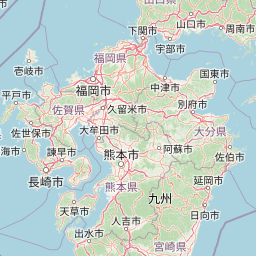
Why Unzen-Amakusa National Park stands out
Unzen-Amakusa is best known for its dramatic volcanic landscape centered on Mount Unzen, one of Japan's most active and dangerous volcanoes. The park also preserves the Amakusa islands, a chain of rugged volcanic islands with distinctive coastlines, cliffs, and marine environments. Beyond its natural features, the park is notable for its deep connection to Japan's hidden Christian history, encompassing sites related to the Kakure Kirishitan who maintained their faith through centuries of prohibition. The juxtaposition of volcanic fire and religious perseverance gives this park a distinctive character within Japan's protected areas.
Unzen-Amakusa National Park history and protected-area timeline
Unzen-Amakusa National Park traces its origins to March 1934, when it was initially established as Unzen National Park, making it one of Japan's first national parks created under the country's pioneering conservation framework. The original designation reflected the area's exceptional volcanic landscapes and the recognition that Mount Unzen and its surroundings warranted national-level protection.
The park underwent significant expansion in 1956, when the Amakusa islands and surrounding marine areas were incorporated into the protected zone, leading to the renaming as Unzen-Amakusa National Park. This expansion reflected a growing understanding of the interconnectedness between volcanic terrestrial environments and the surrounding marine ecosystems. The park's boundaries have continued to evolve as conservation priorities have shifted and as the understanding of the region's ecological and cultural values has deepened.
Unzen-Amakusa National Park landscape and geographic character
The landscape of Unzen-Amakusa National Park is defined by the powerful interplay between volcanic processes and marine environments. Mount Unzen rises as a prominent stratovolcano, its slopes carved by past eruptions and its crater still capable of producing the pyroclastic flows that make it one of Japan's most hazardous peaks. The volcanic terrain includes lava domes, ash deposits, and the stark, recovery-stage landscapes left by the 1990s eruptions where vegetation is gradually returning.
The Amakusa islands present a contrasting but equally dramatic landscape of rugged, steep-sided volcanic mountains rising directly from the sea. Coastal cliffs drop sharply into productive waters, while the islands' interiors contain rolling hills and small valleys. The Yatsushiro Sea between the islands and the mainland creates a distinct marine environment influenced by warm currents from the south. This combination of dramatic upland terrain and productive marine waters gives the park a diverse physical character that supports varied ecosystems.
Unzen-Amakusa National Park ecosystems, habitats, and plant life
The ecological character of Unzen-Amakusa reflects the park's position in southern Kyushu's warm temperate zone. The lower slopes of Mount Unzen support dense forests of Japanese cedar and cypress, while higher elevations give way to mixed hardwood forests. The volcanic soils, despite their recent disturbance, support opportunistic vegetation that is gradually reclaiming the eruption-affected areas, demonstrating the resilience of forest ecosystems in this region.
The Amakusa islands contain distinctive coastal and marine habitats. The surrounding waters support rich fish populations, coral communities in warmer months, and important marine bird habitats. The islands' isolated position has allowed some species to develop local adaptations, and the combination of terrestrial and marine environments within a single protected area creates unusual ecological diversity. The park's elevation range from sea level to over 1,500 meters at Mount Unzen's peak contributes to habitat diversity across different vegetation zones.
Unzen-Amakusa National Park wildlife and species highlights
Unzen-Amakusa supports representative wildlife of southern Japan's warm temperate forests and marine environments. The terrestrial habitats shelter populations of Japanese macaques, deer, and smaller mammals, while the forests provide important bird habitat for both resident species and migratory visitors. The avian community includes various thrushes, warblers, and raptors that use the diverse forest environments.
The marine environments surrounding the Amakusa islands are particularly significant for seabirds and for fish species that inhabit the productive waters of the Yatsushiro Sea. The coastal cliffs serve as nesting sites for seabirds, and the underwater environments support diverse fish communities. While the park is not known for any single flagship species of exceptional rarity, the combination of forested slopes, volcanic terrain, and productive marine waters creates a coherent ecosystem that supports biodiversity across multiple habitat types.
Unzen-Amakusa National Park conservation status and protection priorities
Unzen-Amakusa National Park represents an important conservation designation for southern Japan's volcanic and coastal ecosystems. The park's protection encompasses not only the terrestrial volcanic landscapes but also the surrounding marine environments, recognizing that effective conservation must address both land and sea. The IUCN Category II designation reflects the park's role in protecting outstanding natural landscapes while allowing sustainable use.
The volcanic nature of the park presents unique management challenges, as Mount Unzen remains an active volcano with ongoing monitoring and hazard mitigation requirements. Conservation efforts must balance visitor access with safety considerations while working to protect the ecological values of the area. The presence of culturally significant sites related to Japan's Christian heritage adds another dimension to conservation planning, as both natural and cultural values require consideration in park management.
Unzen-Amakusa National Park cultural meaning and human context
The cultural landscape of Unzen-Amakusa carries profound significance rooted in Japan's complex religious history. The Amakusa islands and surrounding coastal areas became refuge for Kakure Kirishitan—hidden Christians—during the Edo period when Christianity was banned and practitioners faced persecution. These communities developed unique practices that blended Catholic traditions with local customs, maintaining their faith in secret for over two centuries until religious freedom was restored in the late 19th century.
The park encompasses numerous sites related to this hidden Christian heritage, including locations where communities gathered for secret worship, places associated with martyrs and missionaries, and areas where the distinctive cultural practices of the Kakure Kirishitan were preserved. This cultural dimension transforms the park from a purely natural landscape into a place where geological processes and human spiritual history intersect. The resilience of these communities in the face of volcanic danger and religious persecution creates a compelling narrative that enriches the park's identity.
Top sights and standout views in Unzen-Amakusa National Park
The defining highlights of Unzen-Amakusa National Park include the dramatic volcanic landscape of Mount Unzen, with its history of active eruptions and ongoing geological processes. The Amakusa islands offer a contrasting maritime environment with rugged coastlines, traditional fishing communities, and cultural sites related to Japan's hidden Christian history. The park's combination of natural volcanic beauty and profound human cultural story makes it distinctive among Japan's protected areas.
Best time to visit Unzen-Amakusa National Park
The best time to visit Unzen-Amakusa National Park depends on interests and tolerance for different conditions. Spring and autumn offer comfortable temperatures and generally stable weather, making these seasons popular for hiking and outdoor exploration. Summer brings warmer temperatures and the opportunity to enjoy the marine environments around the Amakusa islands, though this is also the typhoon season. Winter can be cold but often clear, offering different perspectives on the volcanic landscapes. Those interested in the cultural aspects related to Christian heritage may find that any season provides meaningful access to the significant sites within the park.