Why Shikotsu-Tōya National Park stands out
Shikotsu-Tōya National Park is best known for its spectacular volcanic caldera lakes, particularly Lake Shikotsu and Lake Tōya, which give the park its name. The region is distinguished by its active volcanic landscape, including the Mount Usu area where new volcanic formations like Mount Shōwa-shinzan emerged from the plain as a result of eruptions beginning in 1944. The park is also renowned for its hot spring resorts, particularly Noboribetsu, which features the dramatic Jigokudani (Hell Valley) thermal area. The combination of accessible volcanic geology, scenic caldera lakes surrounded by active volcanoes, and traditional Japanese hot spring culture creates a distinctive national park that serves both scientific and recreational purposes.
Shikotsu-Tōya National Park history and protected-area timeline
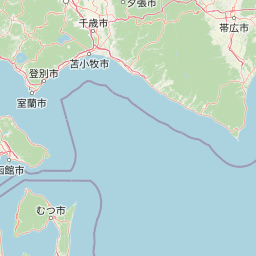
Shikotsu-Tōya National Park was established on May 16, 1949, during a period when Japan was developing its modern national park system following the devastation of World War II. The designation recognized both the outstanding natural beauty and the scientific importance of Hokkaido's volcanic landscape. The park was named for its two central caldera lakes, Shikotsu and Tōya, which had long been recognized as geologically significant features. Prior to national park designation, the area had been inhabited and used by local communities for centuries, particularly around the hot spring regions that became centers of relaxation and healing. The post-war period saw increased scientific interest in the volcanic processes observable in the park, particularly at Mount Usu where successive eruptions since 1944 have created new landforms including the distinctive Mount Shōwa-shinzan. Over the decades, the park has developed infrastructure to support visitors, including the establishment of three visitor centers that provide environmental education and interpretation services. The park's proximity to Sapporo and Chitose has made it a model for integrating conservation with accessible outdoor recreation.
Shikotsu-Tōya National Park landscape and geographic character
The landscape of Shikotsu-Tōya National Park is fundamentally shaped by volcanic activity, with caldera formations, volcanic peaks, and geothermal features defining its character. Lake Shikotsu occupies a caldera formed by ancient volcanic eruptions and is encircled by a ring of active volcanoes including Mount Tarumae rising to 1,041 meters and Mount Eniwa reaching 1,320 meters. Lake Tōya similarly fills a caldera depression and is surrounded by volcanic terrain, with Mount Usu and the relatively young Mount Shōwa-shinzan standing as active volcanic cones. Mount Yōtei, a symmetrical stratovolcano, forms a prominent landmark visible from many parts of the park and represents one of Hokkaido's most recognizable peaks. The terrain includes deeply incised valleys such as Hōhei Gorge (Hōheikyō) and the Jōzan-kei area, where stream erosion has carved dramatic channels through the volcanic rock. Near Noboribetsu, the landscape takes on an especially dramatic character where geothermal activity has created the Jigokudani area, a terrain of steaming vents, sulfurous vents, and mineral-stained ground that resembles a volcanic underworld. The park also includes areas of relatively flat terrain between volcanic features where forest communities have developed.
Shikotsu-Tōya National Park ecosystems, habitats, and plant life
The ecological character of Shikotsu-Tōya National Park reflects the cool temperate climate of northern Hokkaido and the diverse habitats created by its volcanic landscape. The park supports mixed forests composed of coniferous species including Ezo spruce and Sakhalin fir alongside deciduous trees such as Mongolian oak and Japanese elm. Siberian dwarf pines occur in higher elevation zones, while the subalpine environment supports characteristic alpine vegetation including Labrador tea and blue mountainheath. These forest communities provide habitat for a range of mammal species including Japanese deer, Yezo sika deer, Hokkaido squirrels, brown alpine hares, and Ezo red foxes. The lake environments attract waterfowl including spotbill ducks and tufted ducks, while bird species such as Japanese scops owl and black woodpecker inhabit the forested areas. The combination of volcanic terrain, forest ecosystems, lake wetlands, and geothermal areas creates a mosaic of habitats that supports biodiversity while remaining accessible for environmental education and scientific study.
Shikotsu-Tōya National Park wildlife and species highlights
The wildlife of Shikotsu-Tōya National Park reflects the forest-dominant character of Hokkaido's natural landscapes. Large mammals include Japanese deer and Yezo sika deer, which are commonly observed in forested areas and meadows throughout the park. The Ezo red fox, a subspecies adapted to Hokkaido's climate, persists in the park's woodland environments. Smaller mammals include Hokkaido squirrels and brown alpine hares, both well-adapted to the seasonal variations of the northern environment. The park's bird community features species associated with forest habitats such as the Japanese scops owl and black woodpecker, while the lake environments attract waterfowl including spotbill ducks and tufted ducks. The diverse habitats from lakeshore to subalpine zones support a range of species, though the park is not known for particularly rare or endangered species concentrations. Instead, the wildlife value lies in the opportunity to observe typical Hokkaido forest and lake ecosystems in a relatively accessible setting.
Shikotsu-Tōya National Park conservation status and protection priorities
Shikotsu-Tōya National Park serves important conservation functions within Hokkaido's protected area network, preserving representative examples of the island's volcanic landscape ecology. The protection of caldera lake ecosystems, active volcanic terrain, and mixed forest communities ensures that these interconnected habitats remain intact for future generations. The park's designation as IUCN Category II reflects its primary purpose of protecting natural ecosystems while permitting sustainable recreation and environmental education. The presence of ongoing volcanic activity, visible at Mount Usu and the Noboribetsu geothermal area, makes the park particularly valuable for scientific study of volcanic processes and crater formation. Visitor centers at Lake Shikotsu, Lake Tōya, and the Toyako area provide interpretation services that help visitors understand the park's geological and ecological significance. The integration of hot spring resorts within the park boundaries presents management challenges but also demonstrates how human use and natural protection can coexist in Japanese conservation practice.
Shikotsu-Tōya National Park cultural meaning and human context
The Shikotsu-Tōya region has a long human history intertwined with its volcanic landscape, particularly evident in the hot spring culture that remains central to the area's identity. Noboribetsu hot spring, one of Hokkaido's most famous thermal resorts, has developed around the geothermal vents of the Jigokudani area, where visitors have bathed in the mineral-rich waters for generations. This tradition of thermal bathing reflects the Japanese cultural practice of onsen use, which views hot springs as places for relaxation, healing, and spiritual refreshment. The area around Jōzan-kei has historically been associated with Buddhist monastic settlement, and the gorge retains cultural significance as a scenic and spiritual landscape. The park lies within the traditional territory of Ainu communities, the indigenous peoples of Hokkaido, though the English-language Wikipedia source provides limited detail on this aspect. The proximity to Sapporo has influenced the development of the park as a recreational area for urban residents seeking escape to natural environments, creating a pattern of regular visitation that connects city dwellers with the volcanic landscapes of their home island.
Top sights and standout views in Shikotsu-Tōya National Park
Shikotsu-Tōya National Park offers several standout features that distinguish it within Hokkaido's park system. The dual caldera lakes, Lake Shikotsu and Lake Tōya, provide spectacular scenery framed by volcanic peaks, with Lake Shikotsu being particularly noted for its deep blue waters encircled by mountains. The active volcanic landscape around Mount Usu and the emergence of Mount Shōwa-shinzan since 1944 offer rare opportunities to observe volcanic formation processes in progress. The Noboribetsu hot springs, particularly the dramatic Jigokudani geothermal area, represent one of Hokkaido's most impressive thermal landscapes. Mount Yōtei, with its iconic symmetrical cone, serves as a scenic landmark visible from throughout the park. The combination of these natural features with accessible visitor infrastructure makes the park an excellent introduction to Hokkaido's volcanic landscapes.
Best time to visit Shikotsu-Tōya National Park
The best time to visit Shikotsu-Tōya National Park depends on what visitors hope to experience, though the park is accessible year-round. Summer months from June through September offer warm temperatures ideal for hiking, lake activities, and hot spring bathing, with the green forest landscapes providing a classic alpine character. Autumn brings spectacular fall foliage as the deciduous trees change color, creating vibrant orange and red displays around the lakes and valleys. Winter transforms the park into a snowy wonderland, with the volcanic peaks often dusted in snow and the hot springs offering a particularly appealing contrast against the cold air. Spring provides a season of renewal as snow melts and new growth appears, though this period can be brief. The park's proximity to Sapporo means it can be visited as a day trip or extended stay, and each season offers distinctly different visual and experiential qualities.