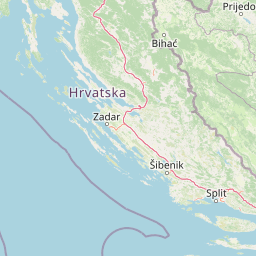

Why Paklenica National Park stands out
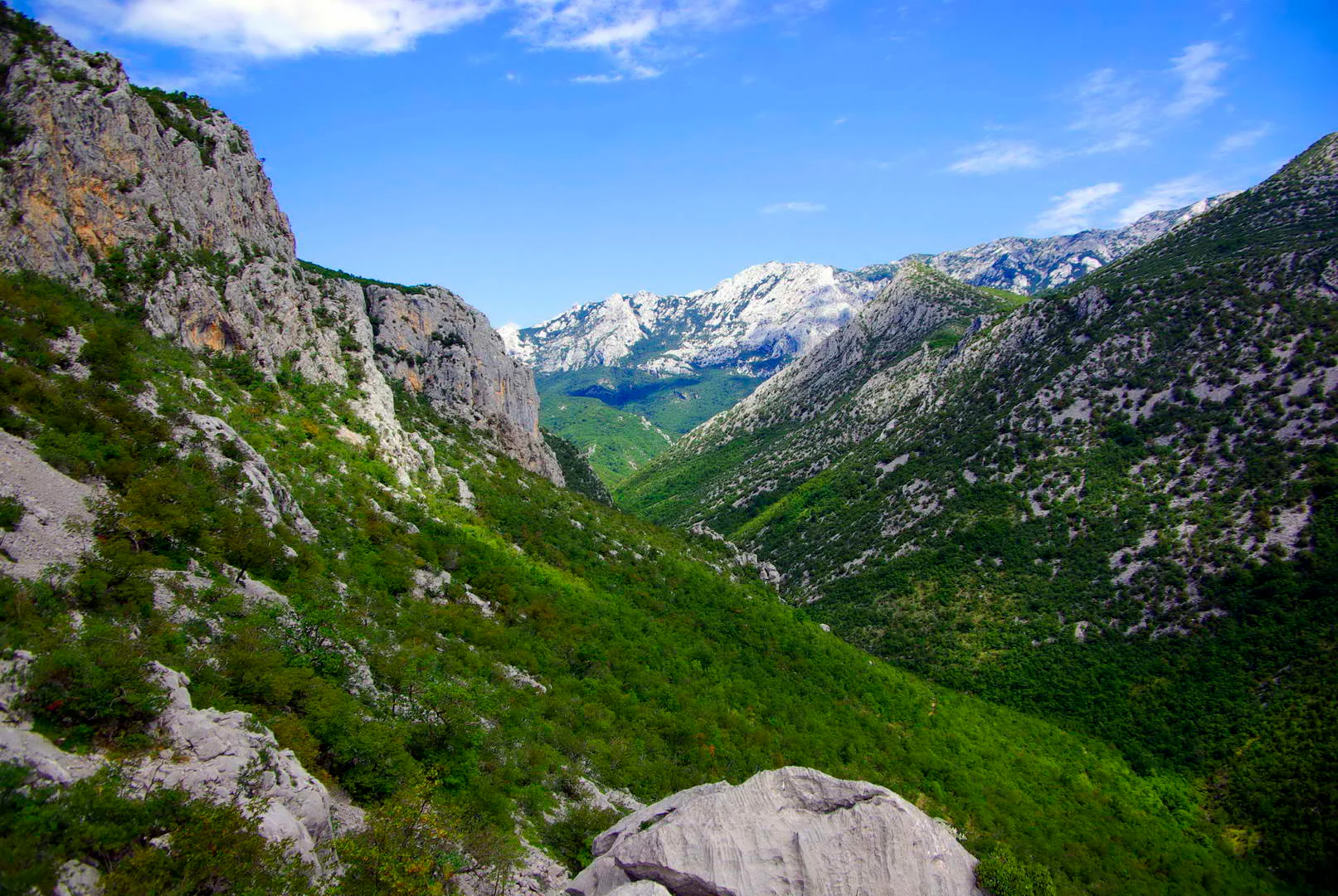
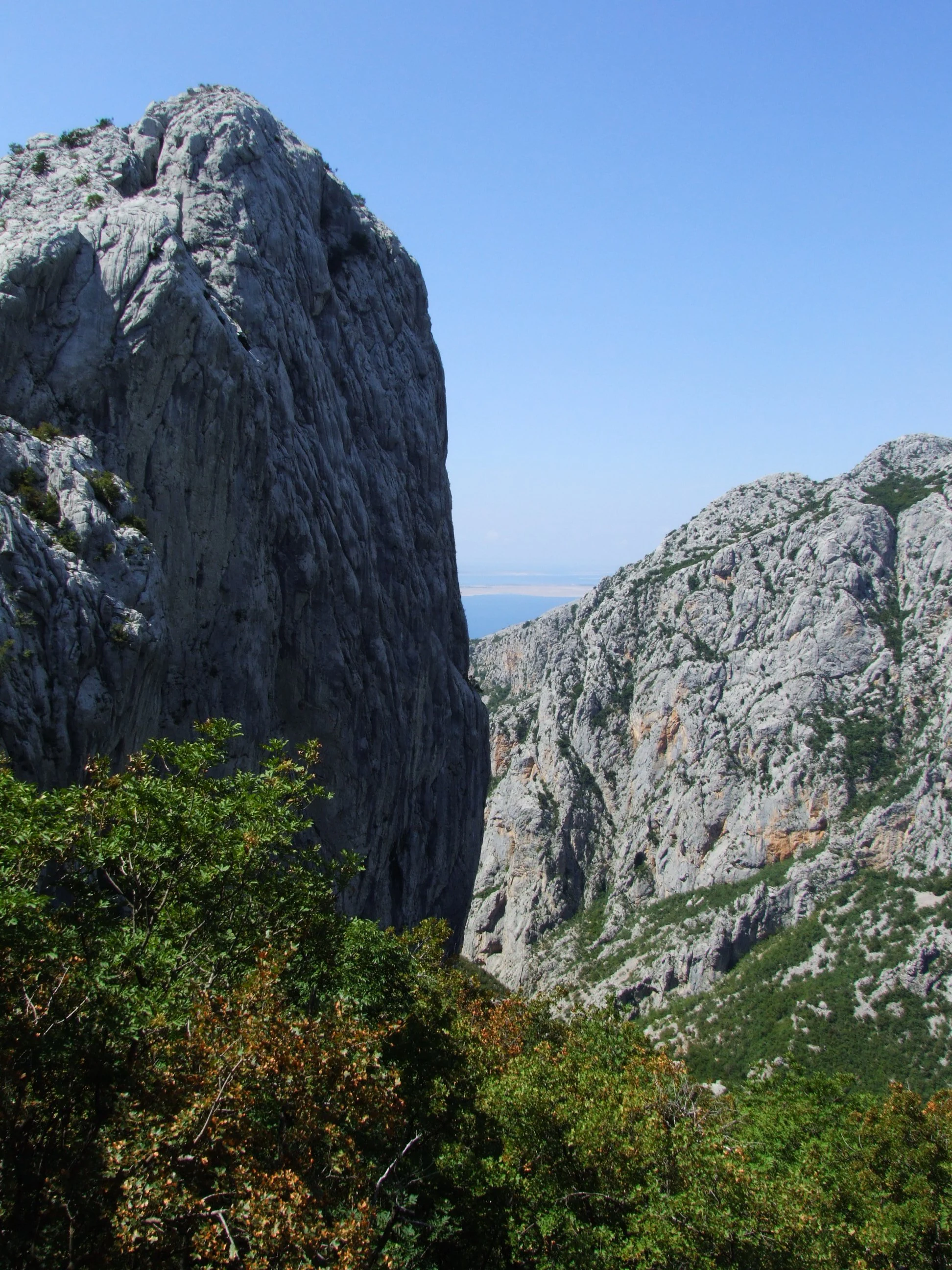
Paklenica is best known for its spectacular vertical limestone walls in the Velika Paklenica canyon, which feature over 360 rock climbing routes of varying difficulty. The iconic Anića kuk pinnacle, rising 712 meters above the canyon floor, hosts some of the most challenging big-wall routes in the region and has been a legendary destination for climbers since the sport resumed in 1955. The park's dramatic karst canyon scenery, with its towering cliffs and narrow passages, represents one of the most impressivemountain landscapes along the entire Adriatic coast. Additionally, the ancient beech forests of southern Velebit, inscribed on the UNESCO World Heritage List as part of the Ancient and Primeval Beech Forests of the Carpathians and Other Regions of Europe, distinguish Paklenica as a site of outstanding universal value for European forest ecology.
Paklenica National Park history and protected-area timeline
The Paklenica region has been inhabited since prehistoric times, with Mesolithic flint tools found in Vaganačka Cave beneath Veliko Rujno providing evidence of human presence during the last ice age, when sea levels were 120 meters lower than today and the Velebit Channel was a broad river valley. Approximately eight thousand years ago, the first cattle breeders and farmers arrived, bringing domestic goats, sheep, and wheat, marking a transition from hunter-gatherer lifestyles to livestock-rearing that would define the region's economy for millennia. During the Bronze Age, Liburnian peoples constructed fortified settlements and stone buildings—some serving as refuges for surrounding villages, others as seats of local rulers—overseeing important trade and cattle routes through the Paklenica corridor. The Roman period saw the establishment of Starigrad (ancient Argyruntum) as a significant trading center on the Adriatic coast, with Emperor Tiberius fortifying the town in the 4th century AD. Archaeological excavations have yielded over 400 graves containing jewelry, glassware, weapons, and tools, including a remarkable collection of 146 ancient glass vessels. Following the Roman period, the area saw Justinian-era fortifications built to defend against invading tribal peoples. The arrival of Croats in the early Middle Ages brought the construction of chapels including St. George in Rovanjska, St. Peter in Starigrad, and St. Mary Magdalene, as well as medieval forts such as Večka Kula and Paklarić. The modern era brought dramatic developments during the Yugoslav period, when an underground military complex was constructed between 1950 and 1953 at the height of Cold War tensions—a facility that remained classified until 1991 and now serves as a visitor center dedicated to mountain climbing. Rock climbing in Paklenica resumed in 1955 and has since developed into the primary attraction, with the park hosting the first Yugoslav alpine climbing gathering in 1959 and establishing itself as a cradle of Croatian and Yugoslav alpinism.
Paklenica National Park landscape and geographic character
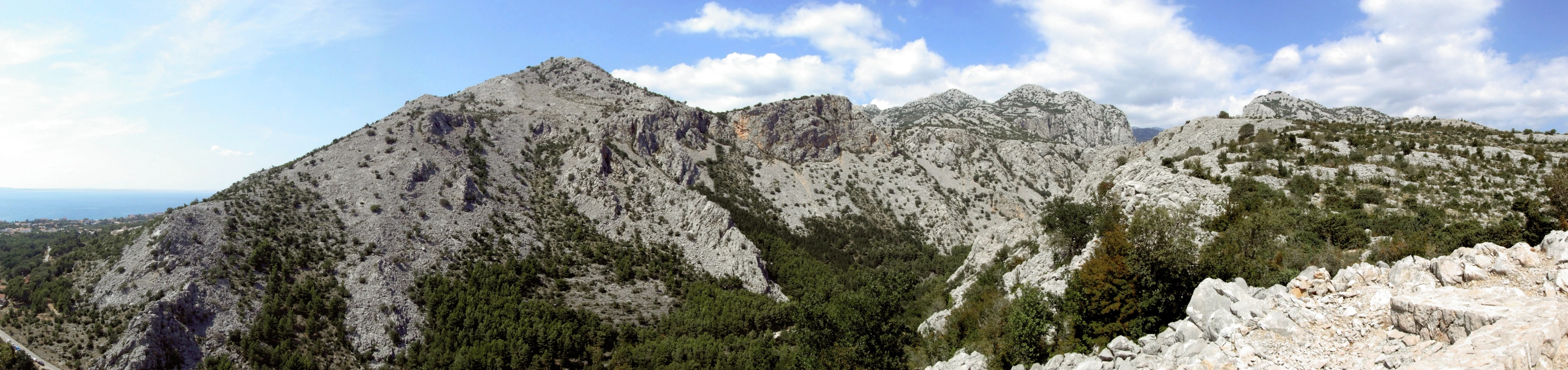
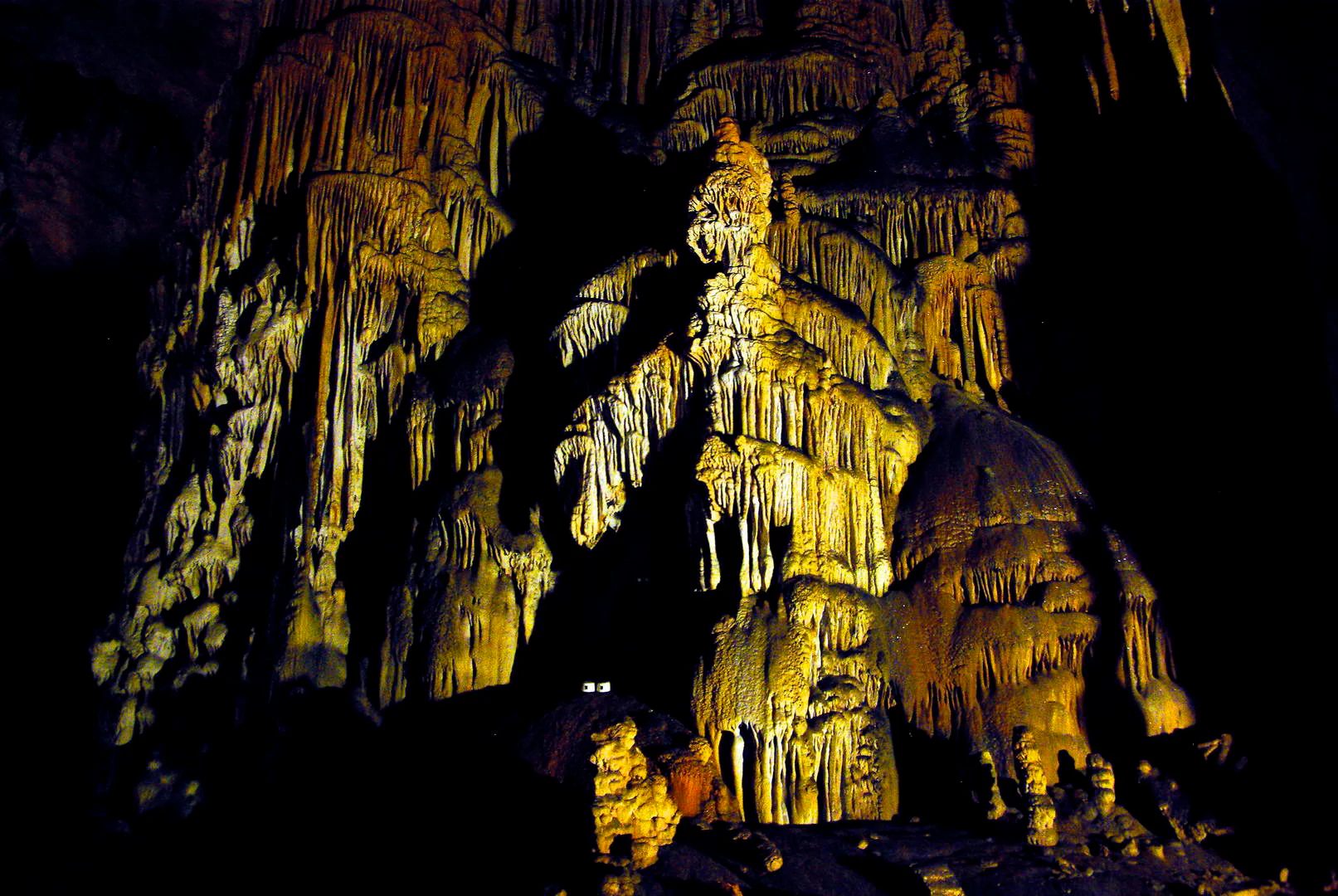
The physical landscape of Paklenica is defined by its two spectacular karst canyons, which have been carved by water through thousands of years of geological time. Velika Paklenica, the larger and more dramatic of the two, extends 14 kilometers into the Velebit mountains, with walls rising 500 to 800 meters above the canyon floor and narrowing to just 50 meters at its most dramatic constriction near the Bunkers. The most impressive section occurs downstream from Anića luka, where vertical cliffs rise directly beside the stream, creating a tunnel-like passage of extraordinary beauty. Mala Paklenica, though smaller at 12 kilometers in length and 400 to 500 meters in width, presents similarly dramatic scenery with cliffs reaching 650 meters and a narrow channel at one point only 10 meters wide. The central area of the park features the Borovnik and Crni vrh relief complex, with the distinctive bowl-shaped valley of Velika Močila sitting at 850 meters above sea level, surrounded by peaks including Crni vrh at 1,110 meters. The eastern portion of the park is geomorphologically diverse, inaccessible, and wild, transitioning into milder karst plateaus around Malo Libinje and Veliko Libinje with numerous pits and karst depressions. The highest terrain occupies a narrow ridge of Velebit, 1 to 3 kilometers wide, with Vaganski vrh—the highest peak of Velebit—rising to 1,757 meters. The park's karst geology has produced an extensive subterranean landscape, with 76 documented speleological objects including 39 pits and 37 caves, making it one of the most thoroughly explored speleological areas in Croatia.
Paklenica National Park ecosystems, habitats, and plant life
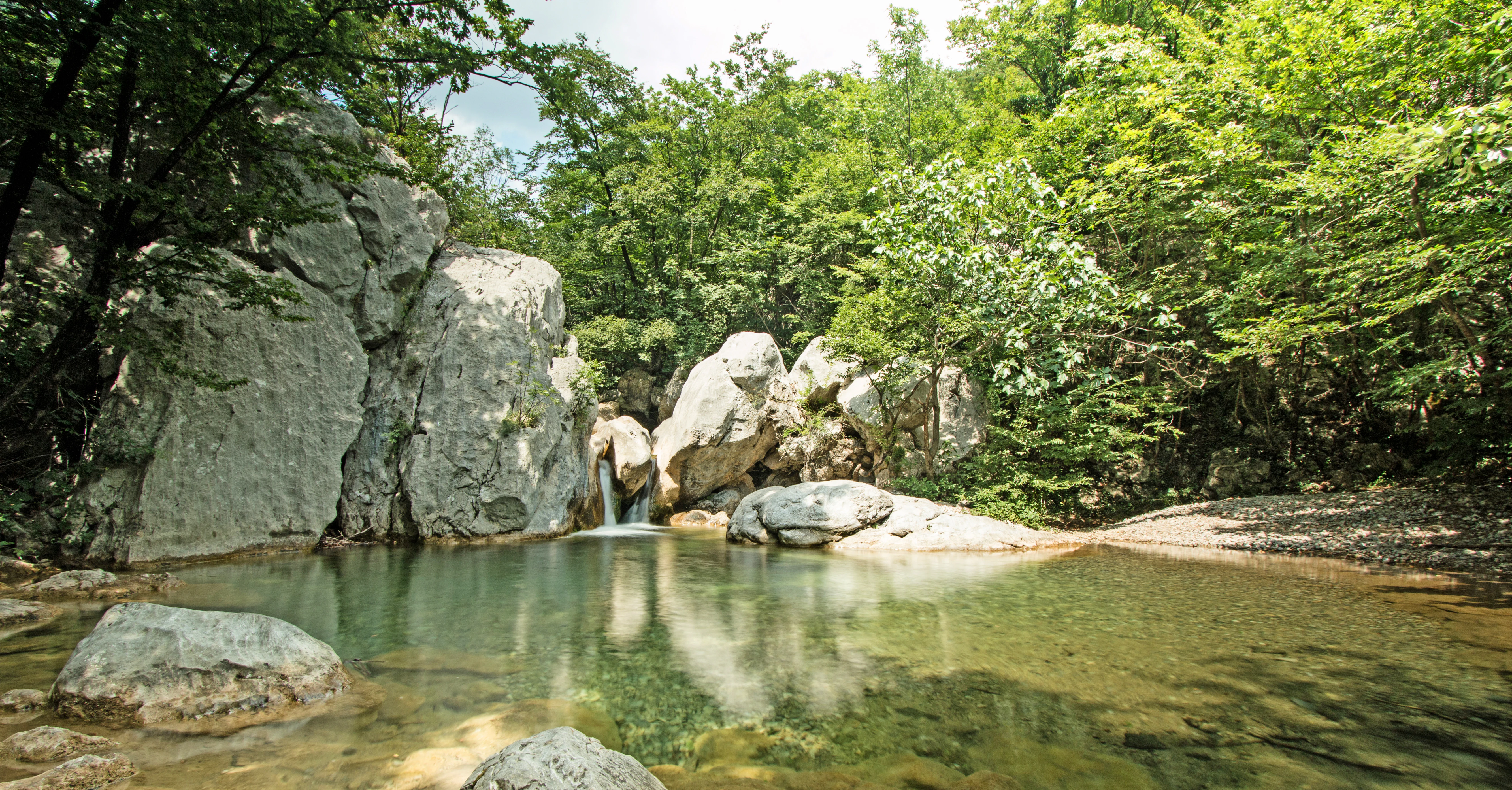
The ecological character of Paklenica reflects the complex interaction between its karst terrain, elevation range, and position at the junction of Mediterranean and continental climate influences. The park contains approximately 1,000 plant species and subspecies, of which 79 are endemic—representing a remarkable concentration of botanical diversity for this relatively small area. The vegetation is organized in distinct zones that follow elevation and exposure: oak and oriental hornbeam forests occupy the lower slopes, giving way to extensive beech forests that form the dominant forest type at middle elevations, while black pine forests occur on drier sites and the mountain pine (Pinus mugo) marks the upper forest limit. Fern forests develop in the cooler, more humid microclimates of the canyon floors. The ancient beech forests within the park were recognized in 2017 as part of the UNESCO World Heritage inscription covering ancient and primeval beech forests across Europe, acknowledging their significance as living records of forest ecological dynamics since the last Ice Age. The park's position on the Velebit mountain—essentially a land bridge between the continental interior and the Adriatic coast—creates a meeting point for species from different biogeographic origins, enhancing the overall biodiversity. Approximately 55 percent of the park is covered in vegetation, while the remaining 45 percent consists of bare karst rock, creating a mosaic of forested slopes and exposed limestone that characterizes the visual identity of southern Velebit.
Paklenica National Park wildlife and species highlights
Paklenica supports a rich vertebrate fauna that reflects the diversity of its habitats and the ecological importance of the Velebit corridor as a migration route and biogeographic crossroads. Birds represent the most diverse vertebrate group, with 230 species recorded to date, including 102 species that nest within the broader park area. The canyon cliffs of Velika and Mala Paklenica host a community of 24 bird species specialized for rock and cliff habitats, while the endangered golden eagle, peregrine falcon, short-toed eagle, and northern goshawk add particular conservation significance to the avifauna. Forest areas support populations of woodpeckers, including the rare white-backed woodpecker and middle spotted woodpecker. The park is home to 53 mammal species, with roe deer and chamois being characteristic large mammals of the mountainous terrain, while the brown bear represents the apex predator. Over 40 species of amphibians and reptiles are found within the park, including the endangered Orsini's viper—a species of particular conservation concern. The cave systems support an interesting community of subterranean species including crabs, mites, nematodes, aquatic worms, spiders, pseudoscorpions, beetles, and bats, representing a specialized underground fauna adapted to the dark, stable conditions of the karst environment.
Paklenica National Park conservation status and protection priorities
Paklenica holds significant conservation value at multiple levels, from national importance to outstanding universal significance at the global scale. The park was established in 1949 as the second-oldest national park in Croatia, following only Plitvice Lakes, and represents a long-standing commitment to protecting the natural heritage of the Velebit region. The inclusion of the park's ancient beech forests in the UNESCO World Heritage inscription of the Ancient and Primeval Beech Forests of the Carpathians and Other Regions of Europe in 2017 marked a pivotal moment, recognizing these forests as representing outstanding examples of forest ecological processes in Europe since the last Ice Age. The 2,031 hectares of old-growth beech forest within the park at locations called Suva draga–Klimenta and Oglavinovac–Javornik form part of a trans-European World Heritage site spanning 18 countries. The park's conservation significance extends beyond its forests to include its karst landscape—which represents one of the most completely explored speleological areas in Croatia—the diversity of endemic species, and the populations of threatened birds including golden eagles and peregrine falcons. The presence of Orsini's viper, an endangered species of European conservation concern, further underscores the park's importance for reptile conservation.
Paklenica National Park cultural meaning and human context
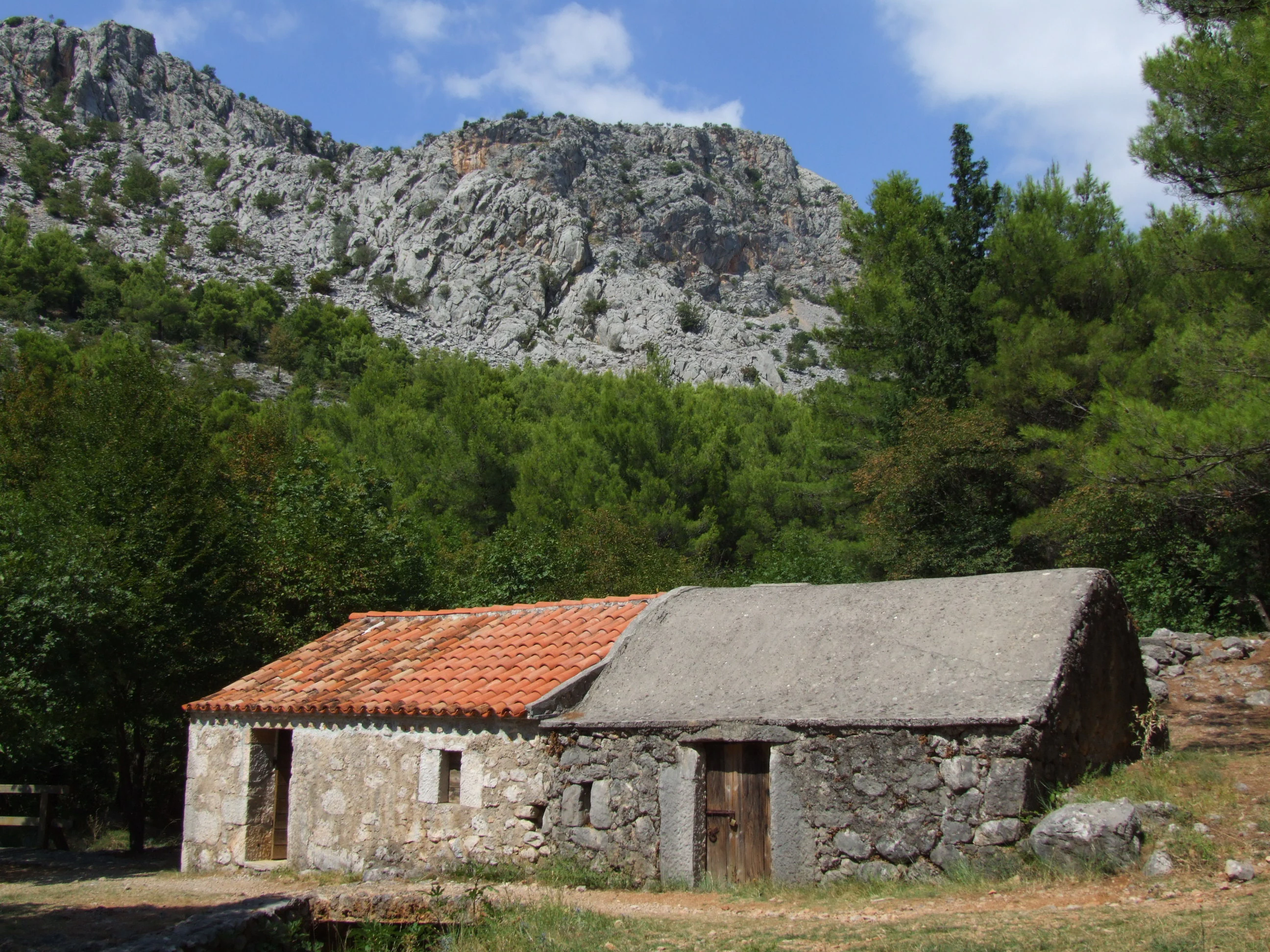
The Paklenica landscape bears the imprint of human presence spanning thousands of years, from prehistoric hunters through the Bronze Age Liburnian civilizations, Roman settlers, medieval communities, and the modern era. The Liburnian peoples, who inhabited the eastern Adriatic coast during the last two thousand years BC, constructed fortified stone settlements—some serving as refuges, others as seats of local rulers—along the Paklenica corridor, overseeing important cattle and trade routes leading to Lika via the mountain passes. Ring-shaped burial mounds called gromile, and casket heaps where rulers were buried in stone-tablet coffins, represent the physical traces of this ancient civilization. The Roman period saw Starigrad established as Argyruntum, a trading center whose ruins and cemetery have yielded extensive archaeological material, including a remarkable collection of 146 ancient glass vessels now housed in the Zadar Museum of Archaeology. Medieval Christian heritage survives in the form of chapels including St. George in Rovanjska, St. Peter in Starigrad, and St. Mary Magdalene, built between the 9th and 12th centuries. The Cold War-era underground military complex, constructed between 1950 and 1953 and only declassified in 1991, represents a more recent layer of human history—now repurposed as a visitor center that connects the park's natural landscape with its climbing heritage.
Top sights and standout views in Paklenica National Park
Paklenica combines extraordinary natural beauty with remarkable biodiversity and outstanding recreational opportunities in a setting that is uniquely Croatian. The dramatic vertical cliffs of the Velika Paklenica canyon, particularly the Anića kuk pinnacle, represent one of the finest climbing destinations in Europe, with routes ranging from beginner-friendly paths to some of the most challenging big-wall ascents on the continent. The ancient beech forests—inscribed on the UNESCO World Heritage List—provide a rare glimpse of Europe's primeval forest heritage, with trees that have grown for centuries in a landscape largely untouched by modern forestry. The park's 76 documented caves and pits make it a paradise for speleologists, while the network of 150 to 200 kilometers of marked trails offers exceptional hiking through terrain that ranges from Mediterranean canyon floors to alpine peaks exceeding 1,750 meters. The presence of brown bears, chamois, golden eagles, and over 230 bird species makes Paklenica a outstanding destination for wildlife observation, while the karst landscape itself—with its sinkholes, caves, and sculpted limestone—represents a geological masterpiece that has been shaped over millions of years.
Best time to visit Paklenica National Park
Paklenica can be visited throughout the year, though the optimal seasons for different activities vary considerably. For rock climbing, the main season begins in spring and extends through late autumn, with comfortable temperatures and conditions suitable for extended climbs on the limestone walls. The shoulder seasons of April through June and September through October offer the most pleasant hiking conditions, with moderate temperatures in the canyons and wildflowers in spring or golden foliage in autumn adding to the visual appeal. Summer months can be very hot in the canyon bottoms, though the higher elevations and forest trails provide cooler alternatives. Winter brings snow to the upper elevations and can render some trails impassable, but offers a dramatically different character for those interested in experiencing the park in solitude. The park remains open year-round, though some facilities and trails may have seasonal access restrictions.