Why Kornati Islands National Park stands out
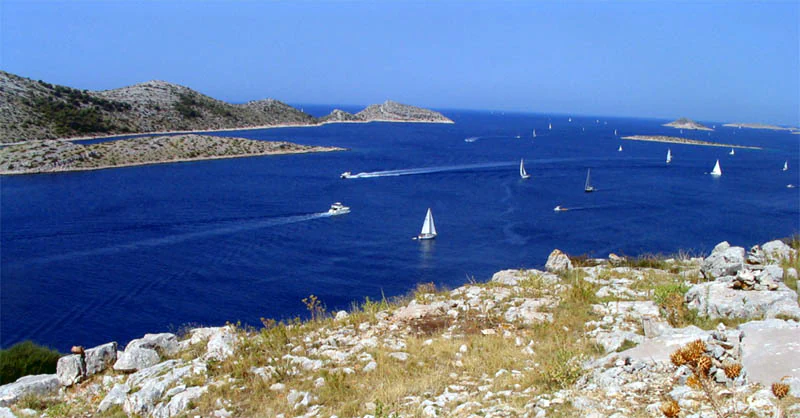
Kornati is best known for being the densest archipelago in the Mediterranean Sea, with 140 islands and islets concentrated in a relatively small sea area. The park is distinguished by its dramatic karst limestone landscapes, including towering cliffs, bizarre rock formations, and extensive flat rock areas called Tarac. The marine environment is equally significant, with protected waters supporting Mediterranean biodiversity including coral, algae, sponges, and the rare noble pen shell (Pinna nobilis). The park's complete protection of both land and sea makes it unique among Croatian national parks, with fishing strictly limited to allow regeneration of overfished populations. The islands contain significant archaeological evidence of human presence from Neolithic times through the Illyrian, Roman, and Venetian periods.
Kornati Islands National Park history and protected-area timeline
The Kornati islands have a long human history that has profoundly shaped their landscape. Archaeological evidence confirms human presence beginning in the Neolithic Age, with Illyrian settlements documented on the island of Kornat. The Roman period left particularly visible marks on the archipelago, with villa mosaic floors preserved and small towers like Toreta likely constructed in the 6th century AD. During the Roman era, the islands supported active communities with evidence of stone quarries at locations including Stražišče and Tarac, and on the islands of Levrnaka and Lavsa.
The long Venetian occupation period saw the islands used strategically for resupplying the Venetian fleet. However, this era also brought significant environmental degradation. Deforestation, overgrazing by sheep and goats, and periodic burning of scrub to improve grazing conditions devastated the islands' vegetation and fauna, ultimately leading to depopulation. The islands were subsequently purchased by citizens of Murter in the late 19th century.
In 1980, recognizing both the natural significance and cultural heritage of the archipelago, the Yugoslav government designated the southernmost 89 islands as Kornati Islands National Park. The protected area was expanded to include the marine environment, a decision that acknowledged the interconnectedness of terrestrial and coastal marine ecosystems. This comprehensive protection distinguishes the park and reflects a broader understanding of ecological conservation that extends beyond just land-based preservation.
Kornati Islands National Park landscape and geographic character
The Kornati landscape is defined by its karst-limestone terrain, a geological characteristic that shapes every aspect of the islands' appearance and ecology. The terrain displays remarkable diversity despite the relatively small area, ranging from dramatic sea cliffs that drop directly into the sea to extensive flat rock plateaus known locally as tarac. The porosity of karst rock means the islands drain rapidly, creating the characteristic dry, stony appearance that contrasts with the surrounding azure waters.
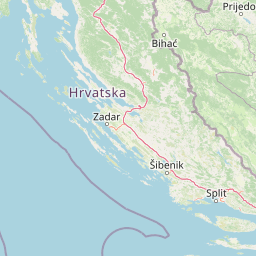
Geographically, the archipelago divides into two distinct sections. The Gornji Kornati (Upper Kornati) lie closer to the mainland and include the northernmost island of Sit and its surrounding islets, separated by a channel from Žut and its satellites to the south. Žut is the most indented and largest of the Upper Kornati. The Donji Kornati (Lower Kornati) extend toward the open sea in the southwest and include the major island of Kornat along with the surrounding islets that comprise most of the national park area.
The islands reach elevations of 237 meters at Klobuk on Kornat, though most of the terrain is relatively low and rolling. The coastline alternates between steep cliffs and small coves with beaches of round stones. Inland, the terrain is typically rocky with shallow soil accumulations in depressions. The flat rock areas (tarac) represent distinctive geological features where erosion has exposed smooth, level limestone surfaces. Numerous caves and sinkholes dot the landscape, typical of karst terrain everywhere in the Mediterranean region.
Kornati Islands National Park ecosystems, habitats, and plant life
The nature of Kornati reflects the harsh Mediterranean conditions that have shaped both flora and fauna on these limestone islands. Vegetation is sparse maquis shrubland, a reflection of the dry, stony terrain and the historical deforestation that removed the original Holm oak forests. Around 200 plant varieties have been documented on the islands, though many have degenerated from their historical abundance. The dominant vegetation consists of tough grasses and aromatic Mediterranean herbs including sage and feather grass, which bloom in spring and provide excellent forage for bees.
The marine environment surrounding the islands is protected as part of the national park, with fishing severely limited to allow regeneration of fish populations that were severely overfished in previous decades. The underwater relief creates a labyrinth of channels and varying depths that support distinctive marine communities. The waters are typical of the Adriatic and Mediterranean but contain some unique features due to the underwater topography, including particular assemblages of algae, coral, and sponges. The noble pen shell (Pinna nobilis), a large Mediterranean mollusk, lives in the Kornati waters and is protected by law.
The ecological significance extends to both land and sea, making this one of Croatia's more comprehensive protected areas. The limited human impact, with no permanent settlements within the park, has allowed ecosystems to maintain relatively natural character despite historical degradation. The protection of marine areas is particularly important in a region where coastal waters have faced significant fishing pressure.
Kornati Islands National Park wildlife and species highlights
Wildlife on the Kornati islands reflects the Mediterranean environment and the islands' relatively isolated position in the Adriatic Sea. The most numerous animals are seagulls, which nest on the coastal cliffs and are a constant presence throughout the archipelago. The terrestrial fauna is limited by the harsh conditions—dry terrain with sparse vegetation—but includes several reptile species including lizards and ring-snakes, as well as 69 documented butterfly varieties. Small populations of amphibians and rodents also inhabit the islands.
The marine wildlife is more varied and forms a significant part of the park's ecological significance. The waters support typical Adriatic and Mediterranean species, though the underwater relief creates conditions for some unique assemblages. The sea was historically one of the richest areas in the Adriatic for sponge hunters, though this population has declined with increased exploitation. The Mediterranean monk seal (Monachus albiventur) was once present around the islands, with the southernmost point Vela Kurka (Mendo) named in connection with this now nearly extinct species.
The protection of marine areas within the national park has been crucial for allowing fish populations to regenerate after decades of overfishing. This comprehensive approach to protecting both land and sea ecosystems distinguishes Kornati and reflects a more holistic understanding of ecological conservation in coastal environments.
Kornati Islands National Park conservation status and protection priorities
Kornati Islands National Park represents a comprehensive approach to conservation that protects both terrestrial and marine environments—a distinction that sets it apart from many other protected areas in the region. The 1980 designation created protections for 89 southern islands of the archipelago, encompassing approximately 320 square kilometers of combined sea and land area. Within this area, 109 islands, islets, and reefs fall under national park jurisdiction.
The conservation framework recognizes the interconnectedness of land and sea ecosystems in this Mediterranean archipelago. Fishing within park boundaries is extremely limited to allow regeneration of fish shoals that had been severely depleted by decades of intensive exploitation. The protection of the marine environment is particularly significant in the Adriatic Sea, where coastal fisheries have faced considerable pressure.
Specific species receive additional legal protection, most notably the noble pen shell (Pinna nobilis), a large Mediterranean bivalve that inhabits the waters around the islands. The Mediterranean monk seal, though now nearly extinct from the region, is recognized historically as part of the islands' biodiversity heritage. The karst geology and its embedded fossil record also represent a form of geological conservation protected within the park boundaries.
The park management works from Murter, the neighboring island connected to the mainland, coordinating efforts to preserve this unique Mediterranean ecosystem while acknowledging the islands' long human history and cultural heritage.
Kornati Islands National Park cultural meaning and human context
The Kornati islands carry a rich human heritage that spans several millennia, though no permanent settlements exist within the national park today. Archaeological evidence documents continuous human presence from the Neolithic Age through the Illyrian and Roman periods, with the Venetian era leaving particularly visible marks on the landscape. On Kornat island, the small tower known as Toreta likely dates to the 6th century AD, representing Byzantine or early medieval construction.
Roman presence is especially well-documented, with mosaic floors from villas still visible and evidence of active stone quarries at locations including Stražišče, Tarac, Levrnaka, and Lavsa. The Middle Ages saw the island of Piškera used as a storage point for fish, indicating the continuity of maritime economic activity that characterizes the Dalmatian coast.
During Venetian rule, the islands served strategic purposes for the fleet, contributing to the deforestation and overgrazing that transformed the landscape from its original forested state to the sparse maquis that dominates today. In the late 19th century, islands were purchased by mainland landowners from Murter and Dugi Otok, who maintain seasonal shelters in protected coves but do not maintain permanent residences.
The archipelago is sometimes known as the Stomorski islands, reflecting historical administrative divisions. Some island names, like Babina Guzica and Kurba Vela, originated as mock vulgar names given to Austrian surveyors by local guides at the end of the 19th century, demonstrating the islands' distinctive naming traditions.
Top sights and standout views in Kornati Islands National Park
Kornati Islands National Park offers one of the Mediterranean region's most distinctive island wilderness experiences through its exceptional concentration of islands within a relatively small area. The karst limestone landscape creates dramatic visual contrasts between rugged cliffs, flat rock plateaus, and the vivid blue Adriatic waters. The complete protection of both land and sea provides rare opportunities to experience Mediterranean ecosystems with minimal human development—indeed, there are no permanent settlements within the park boundaries. The islands' archaeological heritage spans from Neolithic settlements through Roman villas and medieval towers, adding historical depth to the natural landscape. The marine protection has allowed fish populations to regenerate in waters that were once severely overfished, creating improved opportunities for observing marine life. The density of the archipelago—unmatched anywhere in the Mediterranean—creates a unique navigational and visual experience for visitors exploring by boat.
Best time to visit Kornati Islands National Park
The Kornati islands can be visited year-round, though the peak season corresponds with the broader Mediterranean tourism period from May through September. Summer months offer the warmest conditions with sea temperatures reaching 22-23°C, making swimming and water activities appealing. However, the peak summer period also brings the largest numbers of visitors to the archipelago.
Spring and autumn offer more moderate conditions with fewer crowds while maintaining comfortable temperatures for outdoor exploration. The average July temperature of 23.9°C provides pleasant conditions for hiking and island exploration, while the mild winter with January averages around 7°C allows for quieter visits, though many services are reduced during the off-season.
The climate supports year-round accessibility for those seeking solitude, though the summer fire risk—most notably the tragic 2007 fire that claimed twelve firefighters' lives—creates periods when access restrictions may be in place. The spring bloom brings the aromatic maquis vegetation into flower, creating particularly fragrant conditions across the islands. Sea conditions are generally calm during the summer months, making boat navigation among the islands safer and more pleasant.