Why Biokovo Nature Park stands out
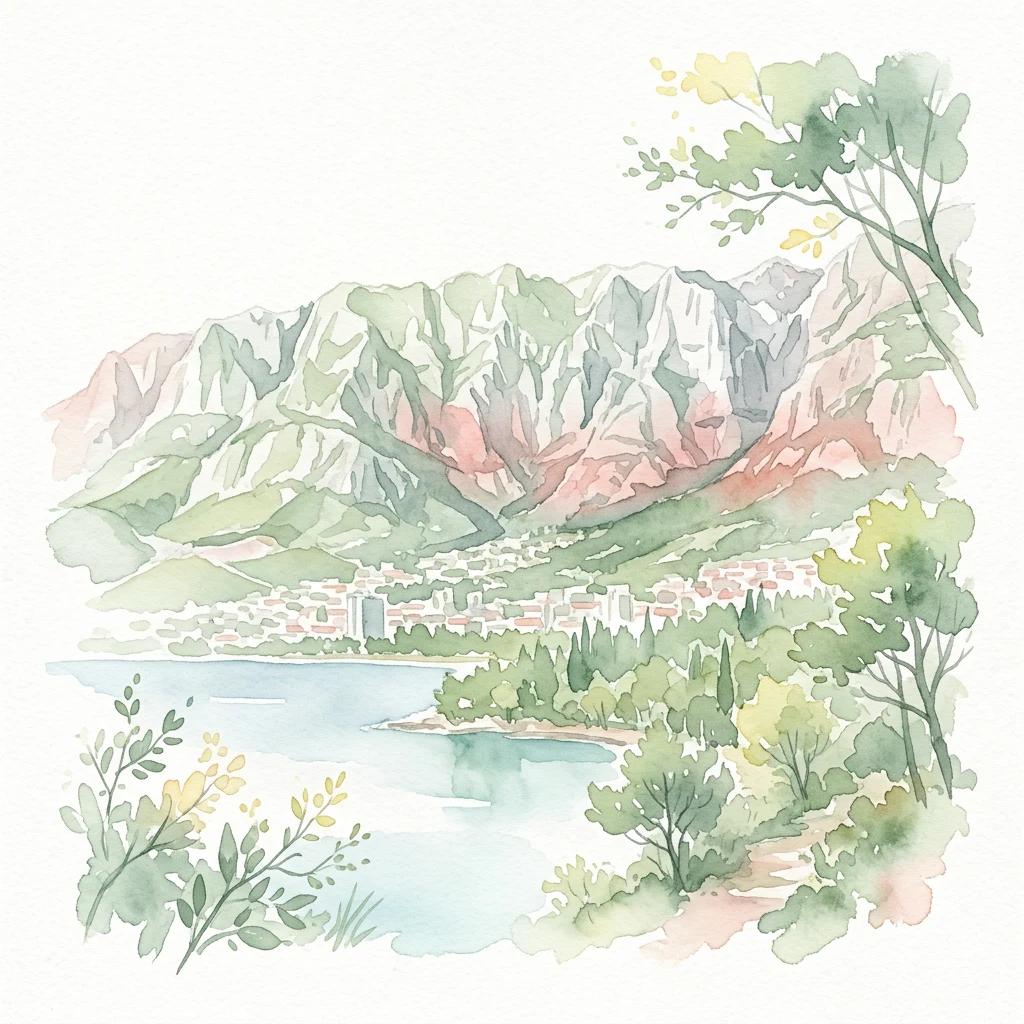
Biokovo is best known for its dramatic coastal mountain scenery, where sheer limestone cliffs rise abruptly from the Adriatic coastline, creating one of the most striking vertical transitions in European geography. The summit of Sveti Jure, accessible by the Biokovska cesta road, Croatia's highest public road, offers panoramic views spanning the Makarska Riviera, the offshore islands, and on clear days the Italian mainland. The mountain's karst landscape is exceptional, featuring an extensive network of sinkholes, caves, and underground passages that rank among the most developed in the Dinaric region. Biokovo also serves as a challenging venue for professional cycling, featuring as a summit finish in the Tour of Croatia race. The mountain is home to endemic flora and fauna adapted to its unique combination of Mediterranean sunshine and alpine conditions.
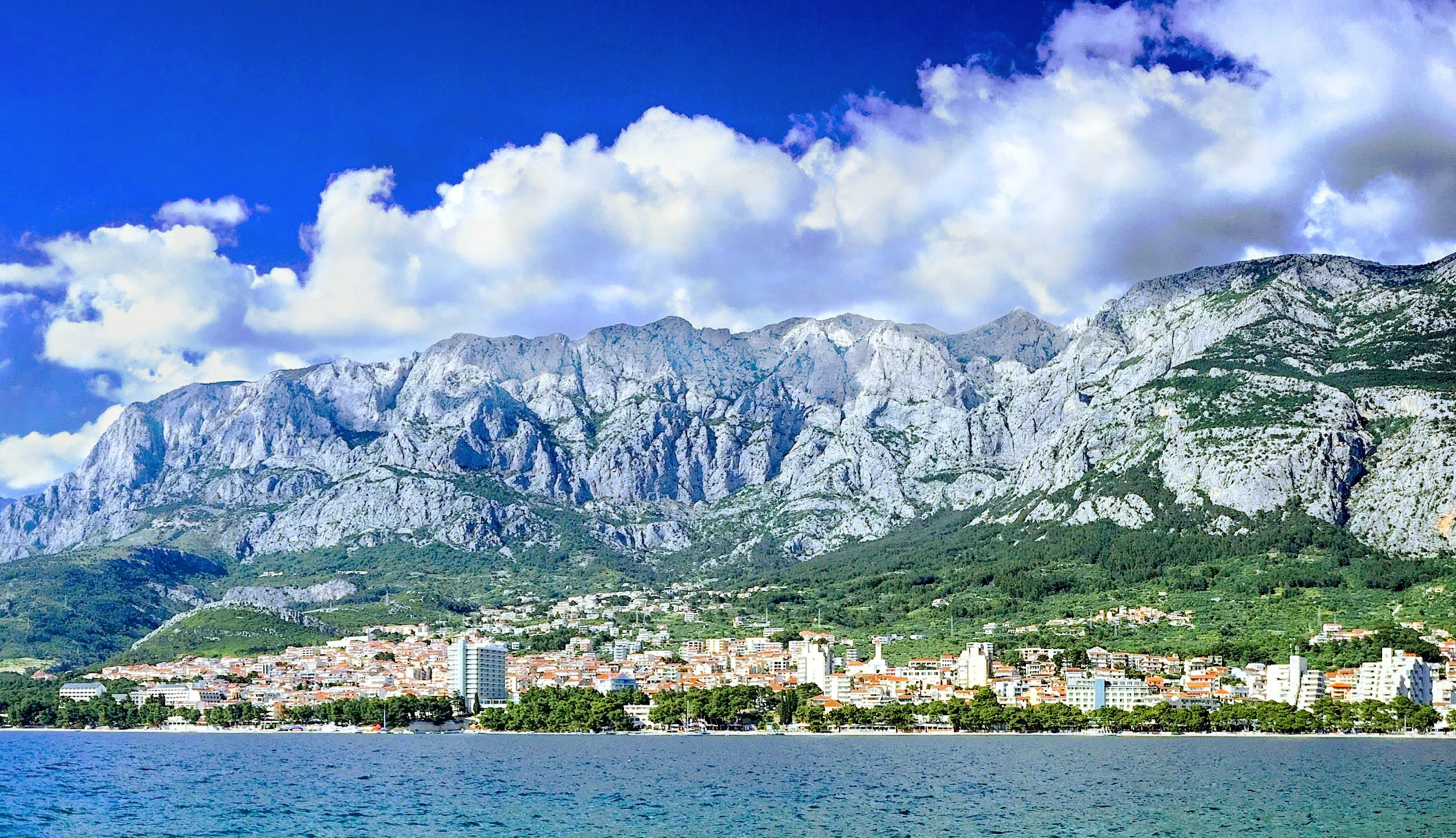
Biokovo Nature Park history and protected-area timeline
Biokovo has long held significance as a landmark and resource for the coastal communities of Dalmatia. The mountain's slopes have been used for cattle raising, grape growing, and hunting for generations, particularly in the Zabiokovlje region—a mountainous area encompassing villages such as Gornja Brela, Zadvarje, Žeževica, Grabovac, Rastovac, Zagvozd, Župa, Rašćane, and Kozica. These settlements, situated at elevations around 1,100 meters in the mountain's shadow, developed distinctive agricultural traditions suited to the karst terrain.
The modern protected area was established in 1981 when the northern portion of the Biokovo range was declared a nature park. In 1998, the Republic of Croatia created the public institution Park prirode Biokovo to manage the protected area, charge with its protection, maintenance, and promotion. The construction of Biokovska cesta—the mountain road leading to Sveti Jure—represented a significant development in the region's infrastructure, with the original road built for the construction of the television transmitter in 1965 and asphalted in 1978. The road was built through the efforts and dedication of local residents. The mountain has also been a destination for hikers since the early twentieth century, with the Aleksandrov dom mountain hut on Vošac at 1,400 meters welcoming visitors as early as the 1935-1936 season, attracting climbers from Czechoslovakia, Germany, England, Austria, and France.
Biokovo Nature Park landscape and geographic character
The Biokovo landscape is defined by its dramatic elevation change from sea level to 1,762 meters, accomplished within a relatively short horizontal distance. The mountain presents a massive, steep-walled face to the Adriatic, with ridges and peaks breaking the skyline above the coastal towns of the Makarska Riviera. The terrain is dominated by karst topography, with the landscape featuring an extraordinary density of sinkholes—locally called ponikve—some of which exceed 100 meters in depth. These depressions, along with collapsed caves and deep vertical shafts, create the distinctive terrain known as mrežasti krš or network karst.
The limestone geology has been carved by water and gravity into a landscape of crags, cliffs, and rock towers. The summit area of Sveti Jure and the surrounding peaks feature a more subdued terrain of grass-covered slopes and rocky plateaus, with snow persisting for much of the year in the highest areas. Below the summit, the mountain slopes descend through distinct vegetation zones toward the coastal plain. The mountain includes several notable peaks besides Sveti Jure: Troglav reaches 1,658 meters, Sveti Ilija stands at 1,642 meters, and Šćirovac, Kimet, Veliki Šibenik, and Vošac all exceed 1,400 meters. The Vošac peak offers what is considered one of the finest viewpoints over the Makarska Riviera.
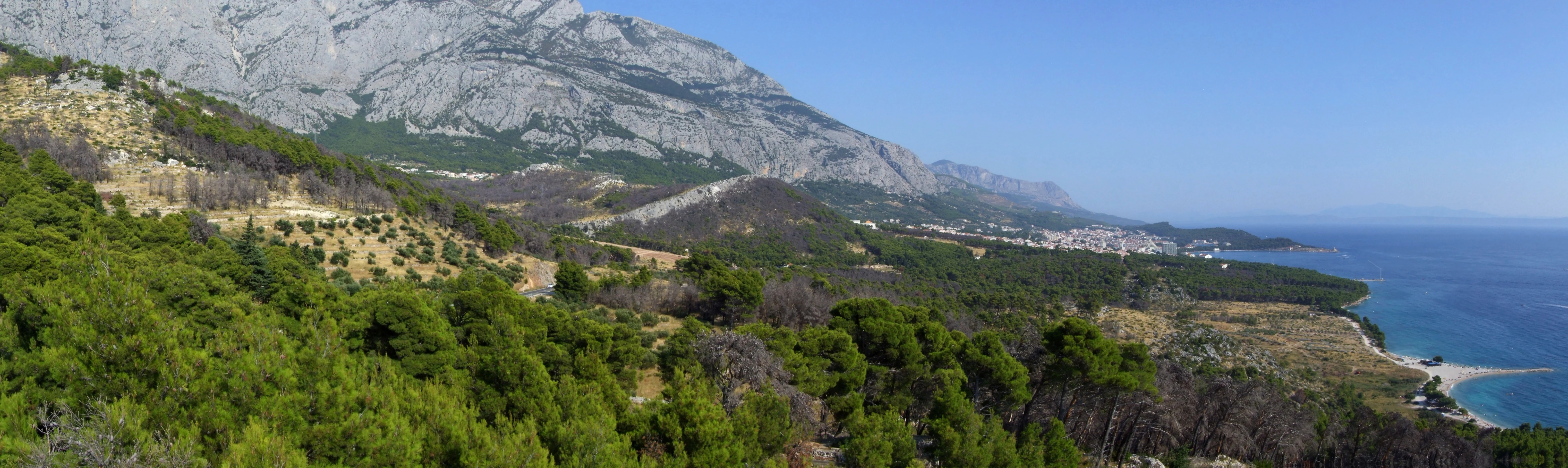
Biokovo Nature Park ecosystems, habitats, and plant life
Biokovo's nature is shaped by the intersection of Mediterranean and continental climatic influences, creating a mosaic of habitats that support remarkable biodiversity. The mountain's elevation gradient, combined with its position along the Adriatic, produces a range of microclimates that support both Mediterranean species at lower elevations and continental alpine species near the summit. The park's vegetation includes dry Mediterranean garrigue and maquis on the sun-exposed lower slopes, giving way to forests of beech and fir in the cooler, shadier positions and at higher elevations. The summit zones feature alpine grassland communities adapted to the harsh conditions, including strong winds and significant temperature fluctuations.
The park protects over 1,500 plant and animal species, with numerous endemic species found in the karst cave systems and on the mountain's isolated peaks. The karst landscape provides critical habitat for cave-dwelling organisms, with more than 400 speleological objects catalogued within the Biokovo range. These underground environments, with their constant temperature and humidity, host specialized fauna found nowhere else. The combination of different habitat types—cliff faces, rock ledges, forest stands, sinkholes, and caves—creates the ecological diversity that makes Biokovo significant for conservation within the Dinaric region.
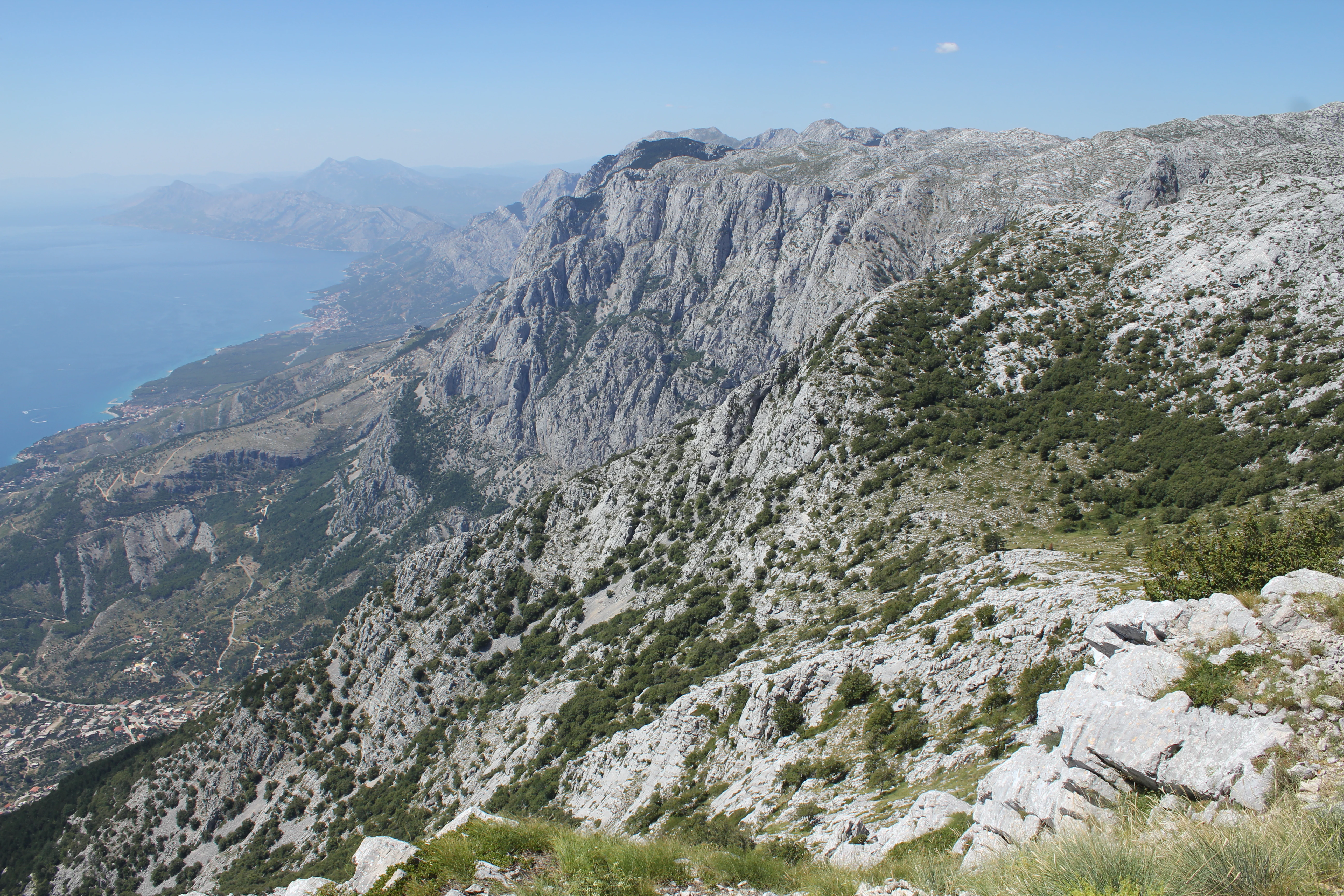
Biokovo Nature Park wildlife and species highlights
Biokovo supports a diverse fauna reflecting its position at the crossroads of Mediterranean and Alpine biogeographic regions. The mountain's forests and rocky habitats provide shelter for several species of raptors, including eagles and falcons that nest on the limestone cliffs. The karst cave systems host specialized invertebrate communities, with numerous species adapted to the dark, stable conditions of the underground environment. In the higher elevations, species such as chamois and wild boar traverse the rocky terrain, while the forest zones support deer and other woodland mammals. The diverse plant communities attract insects and pollinators, particularly in the flower-rich alpine meadows during summer months. The sinkholes and rock faces provide breeding habitat for birds adapted to cliff environments, while the transitional forests host species typical of both Mediterranean and continental European faunal communities.
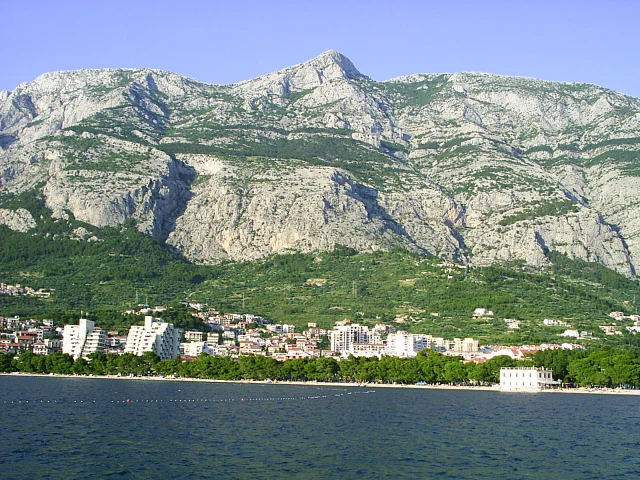
Biokovo Nature Park conservation status and protection priorities
Biokovo Nature Park represents an important protected area within Croatia's coastal mountain systems, preserving a landscape that exemplifies the intersection of Mediterranean and Alpine ecological zones. The park protects significant karst ecosystems, including both surface landforms and the extensive cave systems that harbor endemic biodiversity. The protected status helps preserve the mountain's natural vegetation communities, which include old-growth forests and alpine grasslands that would otherwise face pressure from development or intensive land use. The park also serves as a critical ecological corridor, connecting coastal and continental habitats and allowing species to migrate between different elevation zones. The karst landscape's sensitivity to disturbance—karst ecosystems recover very slowly from damage—makes protected area status essential for long-term conservation of these unique environments.
Biokovo Nature Park cultural meaning and human context
Biokovo has been an integral part of the cultural landscape of Dalmatia for centuries, with the mountain's slopes and villages forming a distinctive cultural region known as Zabiokovlje. The local population developed unique traditions suited to the challenging karst environment, including specialized agricultural practices such as cattle raising, grape cultivation, and seasonal transhumance. The mountain's peaks hold religious significance, with chapels at Sveti Jure and Sveti Ilija serving as destinations for annual pilgrimages. The church at Sveti Jure, built in 1968 near the site of an older chapel destroyed for transmitter construction, hosts a mass on the last Saturday of July that draws faithful from both the coastal Primorje region and the Zagora interior. The annual pilgrimage to Sveti Ilija, held in late July, is described as one of the most inaccessible masses in Croatia, with the chapel having been restored by local residents in the 1990s.
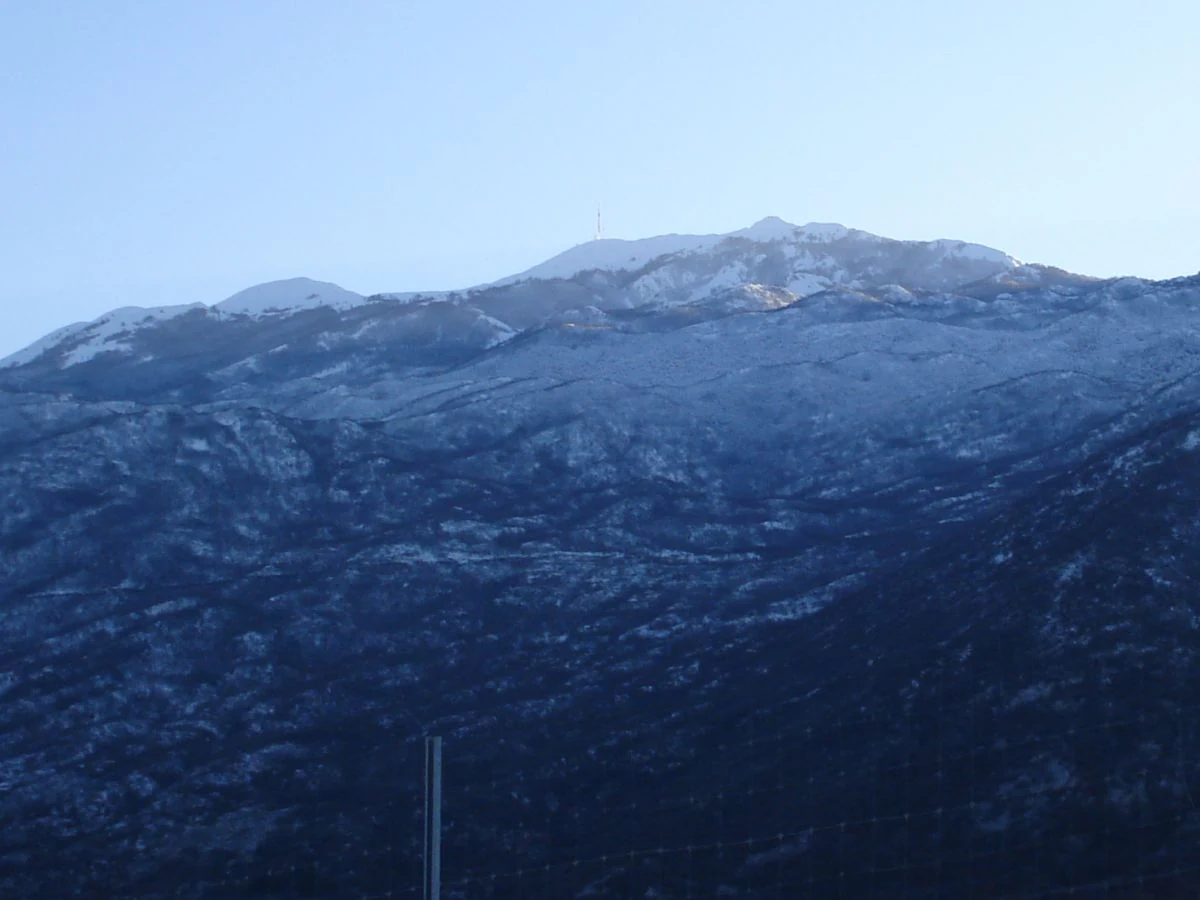
Top sights and standout views in Biokovo Nature Park
The summit of Sveti Jure at 1,762 meters provides the park's most spectacular highlight, with panoramic views encompassing the Makarska Riviera, the Adriatic islands, and on clear days the Italian mainland 250 kilometers away. The Biokovska cesta road—Croatia's highest public road—allows vehicle access to near the summit, making the alpine experience accessible to visitors without climbing ability. The karst landscape, with its network of sinkholes and over 400 catalogued caves, represents one of the most developed karst systems in the Dinaric region and offers exceptional opportunities for speleological exploration. The mountain's ecological diversity, with over 1,500 species including endemic cave organisms, demonstrates the conservation significance of the protected area. The challenging cycling ascent to Sveti Jure, featured in the Tour of Croatia, has established Biokovo as a landmark in professional cycling. The visitor center in Makarska provides orientation and educational resources for exploring the park's trails and natural features.
Best time to visit Biokovo Nature Park
Biokovo can be visited throughout the year, though each season offers different experiences and considerations for visitors. Summer brings the most accessible conditions, with warm weather on the coast and the mountain trails generally clear, though the summit can remain cool and windy. The summer months see the highest visitor numbers, particularly at Sveti Jure where minibus tours operate during July and August. Spring and autumn offer milder conditions and fewer crowds, with spring bringing wildflower displays in the mountain meadows and autumn providing clear visibility for panoramic views. Winter conditions can be severe at higher elevations, with snow persisting on the summit and temperatures well below freezing; the mountain road may be closed or require caution during this season. The harshest conditions typically prevail from December through March, while May through October represents the most suitable period for general visitation. Visitors should be aware that the mountain can be dangerous for unprepared hikers, and the terrain demands appropriate equipment and awareness of weather changes.