Why Durmitor National Park stands out
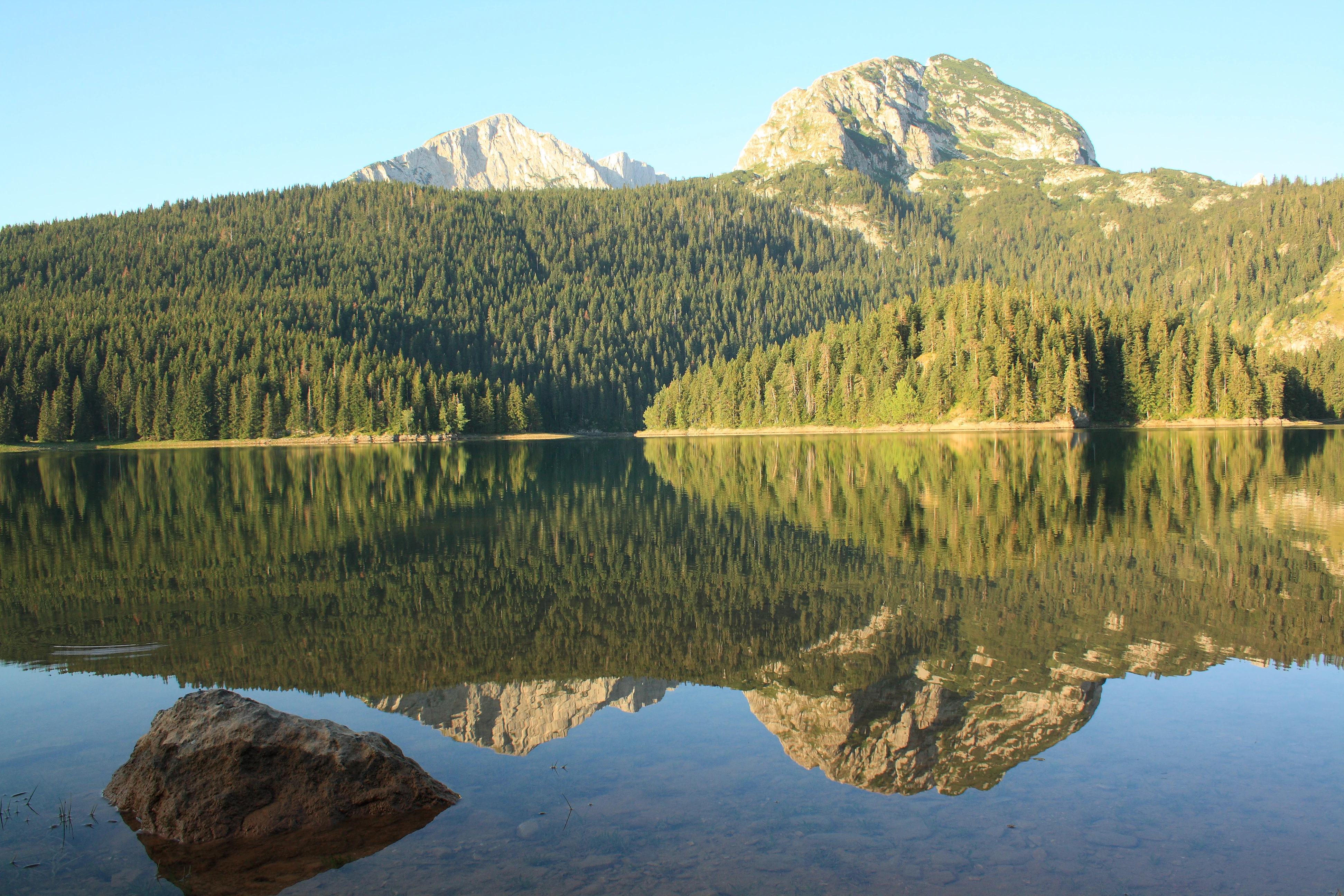
Durmitor National Park is renowned for its dramatic alpine landscape characterized by steep limestone peaks, deep glacial valleys, and pristine mountain lakes. The park protects one of the most significant wilderness areas in the Balkans, with extensive old-growth forests and exceptional geological diversity. The area is known for its network of glacial lakes, rugged mountain terrain, and the dramatic Tara River canyon that forms part of the park's boundary.
Durmitor National Park history and protected-area timeline
Durmitor National Park was formally designated as a protected area to preserve the exceptional natural values of the Durmitor mountain region in Montenegro. The park's creation reflected growing post-war recognition in Yugoslavia of the need to conserve significant natural landscapes. The protected area was established with boundaries designed to encompass the core of the Durmitor massif and its most ecologically and scenically important zones. Over time, the park has maintained its protected status through changes in Montenegro's political landscape, continuing to serve as the primary mechanism for safeguarding this mountain wilderness.
Durmitor National Park landscape and geographic character
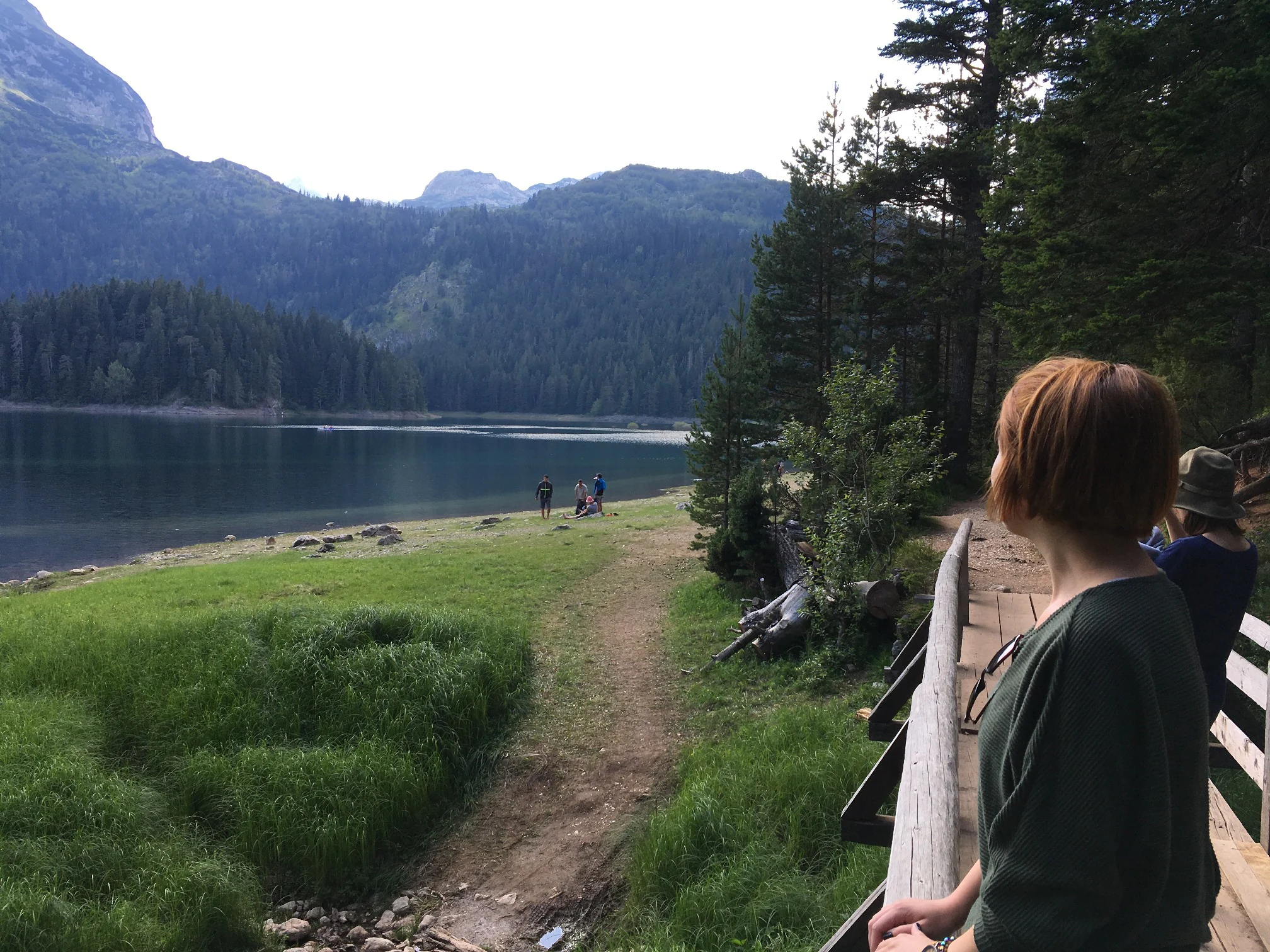
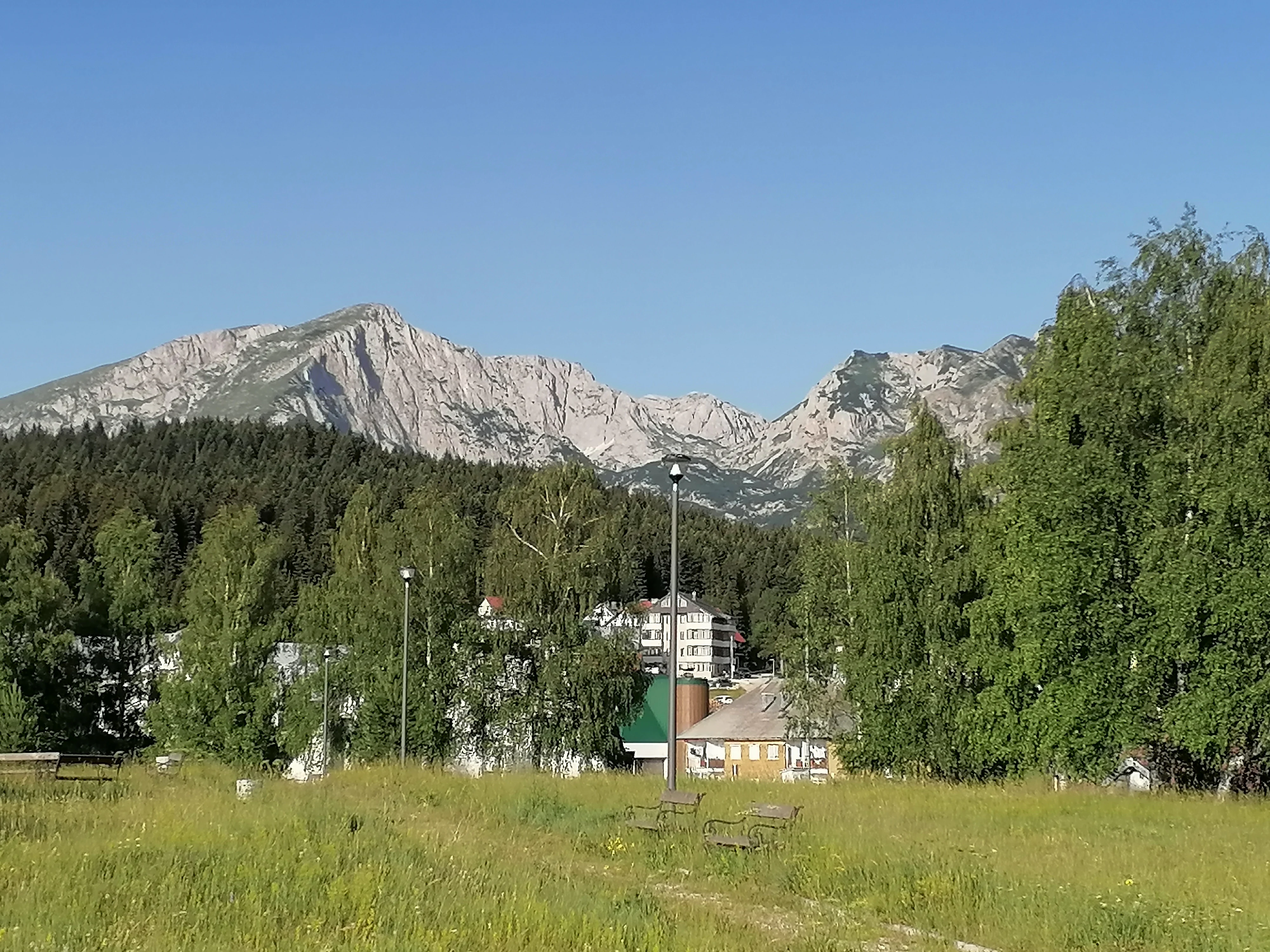
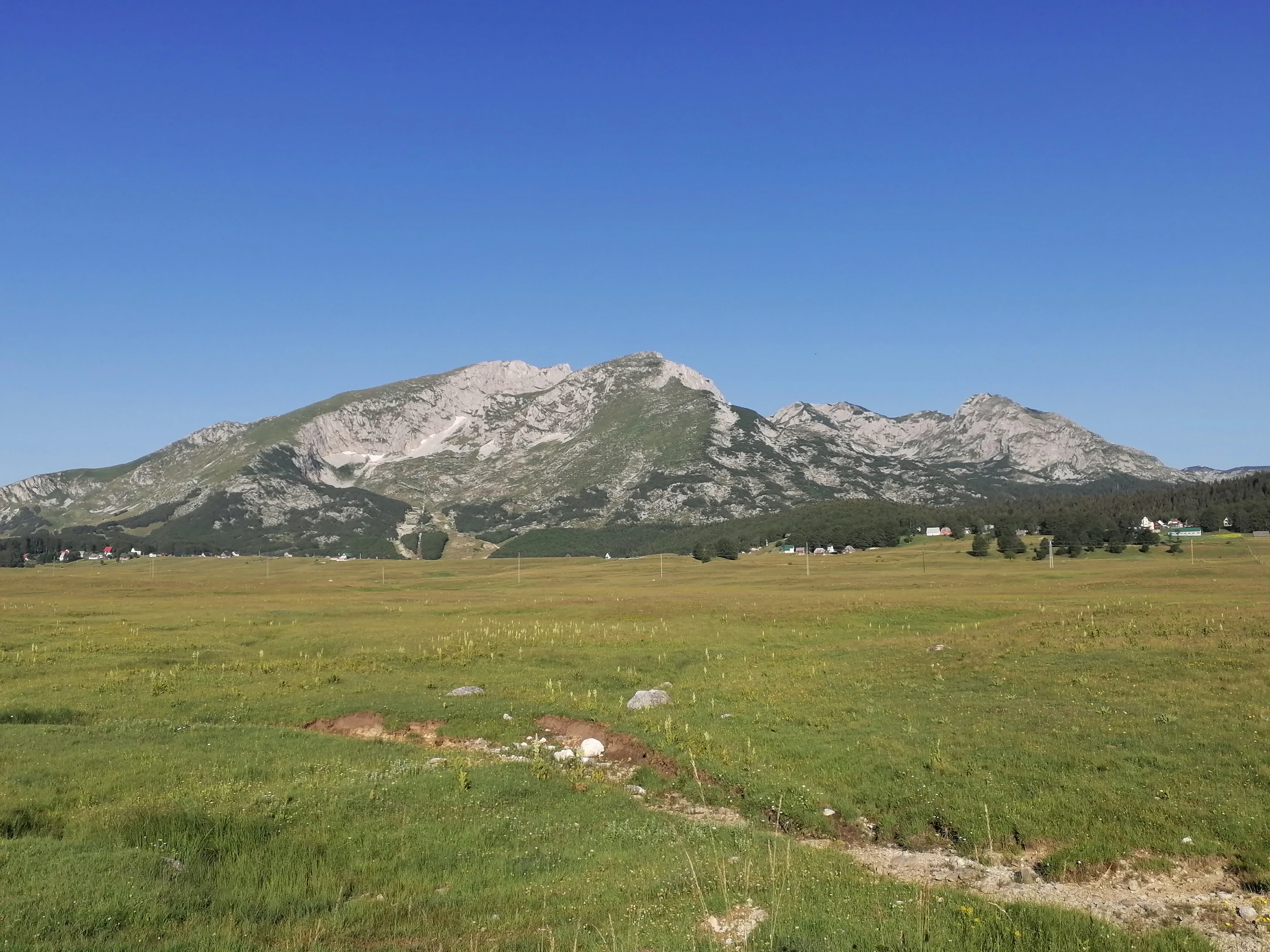
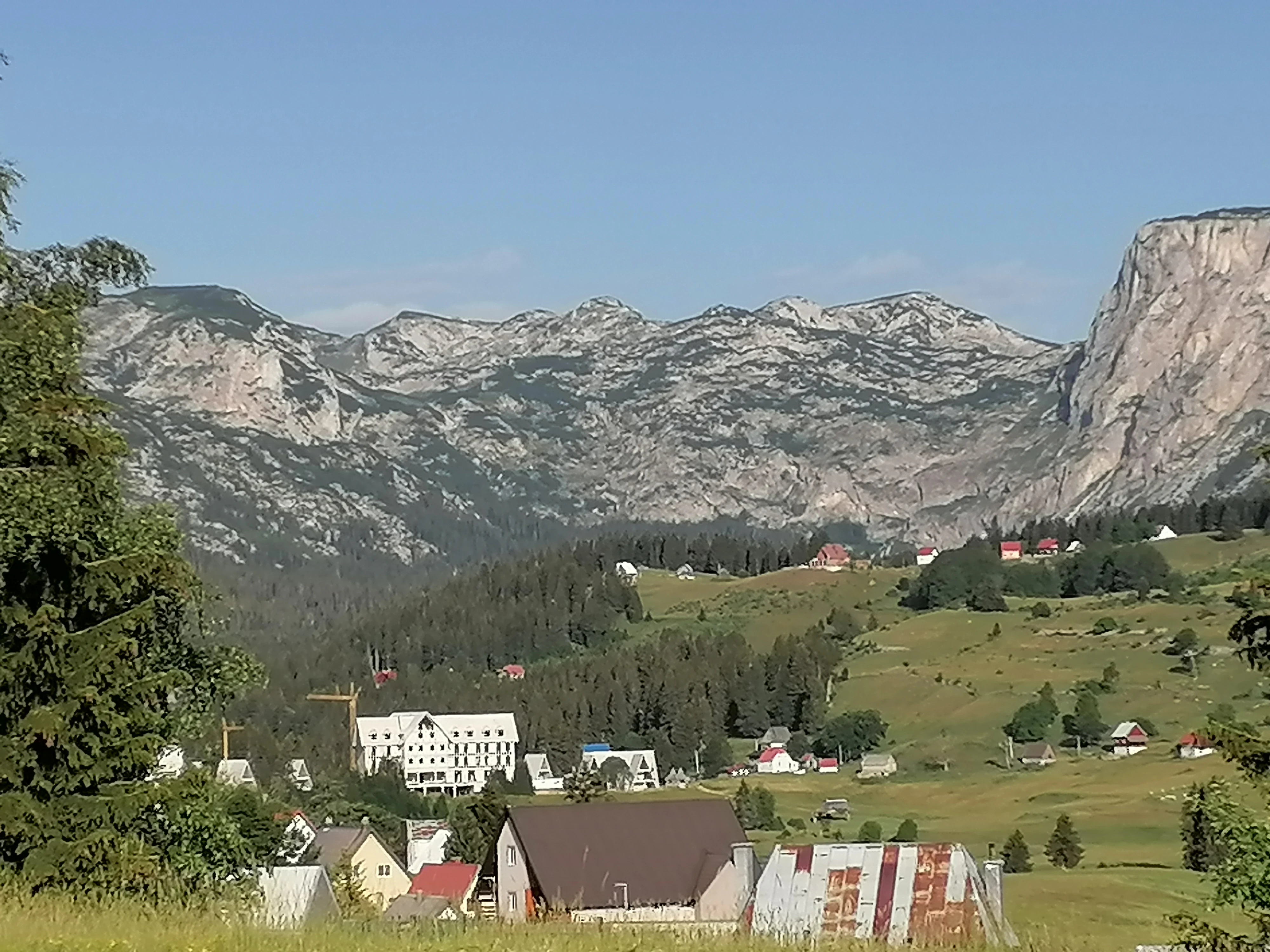
The Durmitor landscape is defined by a dramatic mountain environment shaped by glacial processes during the Pleistocene epoch. The massif rises sharply from the surrounding terrain, presenting a rugged skyline of limestone peaks, sharp ridges, and steep-walled valleys. Glacial activity carved deep cirques and U-shaped valleys, leaving behind a landscape of dramatic vertical relief. The terrain includes extensive areas above the tree line where alpine vegetation dominates exposed slopes and meadows. Below the timberline, the mountainsides are covered in dense forest, primarily composed of beech and conifer species. The park also encompasses portions of the Tara River canyon, one of the deepest river canyons in Europe, where the river has cut through the limestone bedrock to create a striking geomorphological feature.
Durmitor National Park ecosystems, habitats, and plant life
The Durmitor region supports a remarkable diversity of habitats across its altitudinal range. The park encompasses montane and subalpine forest communities, alpine meadows and grasslands, rock habitats, and wetland areas associated with glacial lakes and streams. The forest ecosystems include both deciduous and coniferous species, forming structured communities that vary with elevation and aspect. The alpine zone supports specialized plant communities adapted to harsh mountain conditions. These diverse habitats together support the park's ecological significance, maintaining biological diversity across multiple ecosystem types within a relatively compact mountain landscape.
Durmitor National Park wildlife and species highlights
Durmitor National Park provides habitat for diverse wildlife species adapted to the mountain environment. The forest ecosystems support populations of large mammals including several species of ungulates that inhabit the wooded slopes and valleys. The park's various habitats, from forests to alpine meadows, create conditions supporting a range of bird species and other wildlife. The protected status of the area helps maintain populations of species that depend on the region's relatively intact natural habitats for their survival.
Durmitor National Park conservation status and protection priorities
Durmitor National Park represents one of the most significant protected areas in the Balkans, safeguarding a mountain ecosystem of international importance. The park's designation recognizes the outstanding universal value of its natural landscapes, with the Durmitor area having been considered for UNESCO World Heritage status. The protected area serves as a crucial reservoir of biodiversity, preserving habitats and species in a region where natural environments have faced pressures from development and land use changes. Conservation of the Durmitor region reflects broader efforts to maintain Montenegro's natural heritage and the ecological services provided by healthy mountain ecosystems.
Durmitor National Park cultural meaning and human context
The Durmitor region has historically been inhabited by communities whose traditional lifestyles were closely connected to the mountain environment. The local population developed patterns of land use adapted to the rugged terrain, including pastoral activities that shaped the landscape over centuries. These traditional relationships between human communities and the mountain environment contributed to the cultural landscape character of the region, though the core of the national park is focused on preserving natural rather than cultural values.
Top sights and standout views in Durmitor National Park
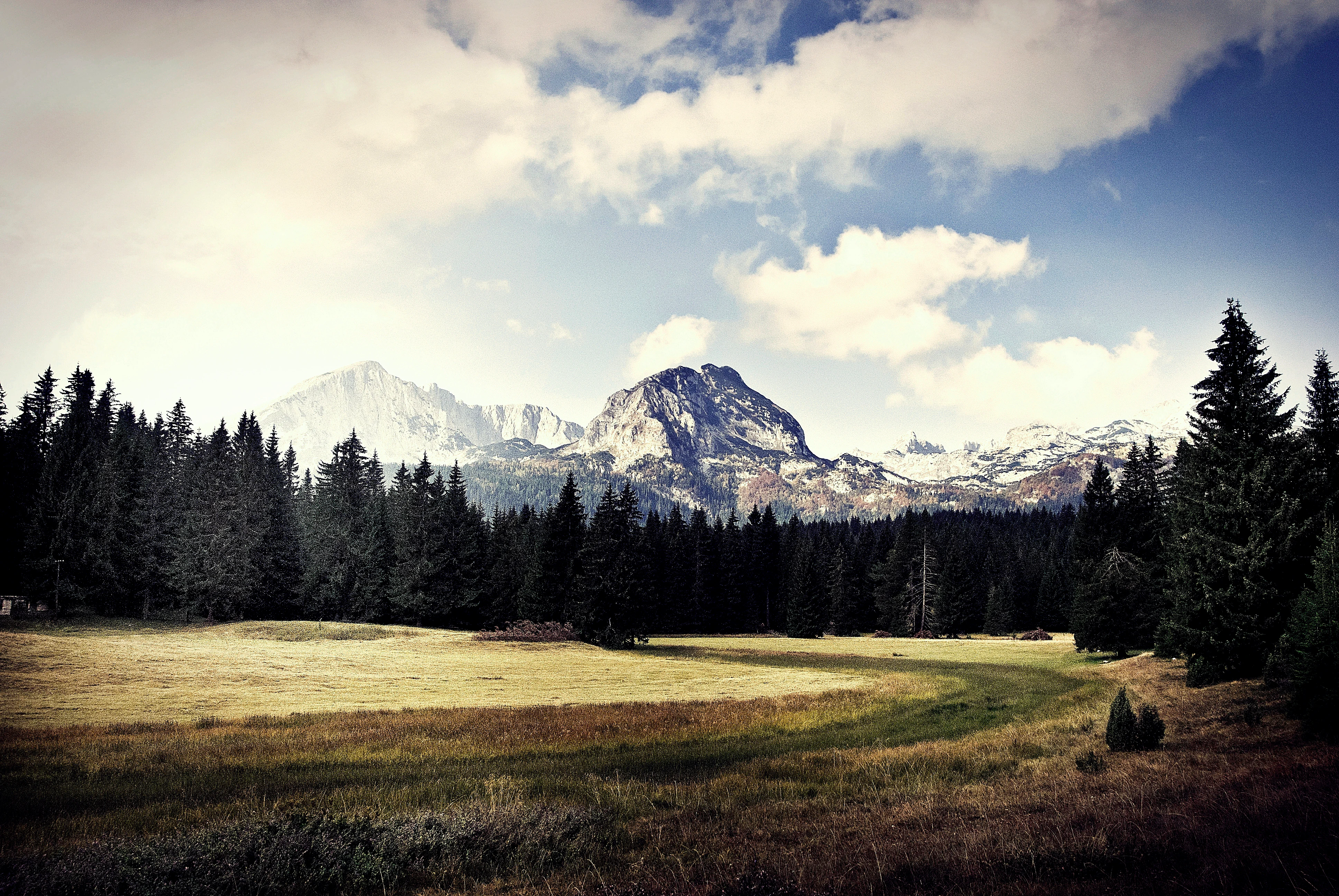
Durmitor National Park protects one of the most spectacular mountain landscapes in southeastern Europe, with its combination of towering peaks, glacial lakes, and deep canyons representing exceptional natural beauty. The park preserves extensive old-growth forests, alpine meadows, and the dramatic Tara River canyon, all within a relatively compact protected area. The geological diversity of the Durmitor massif, with its karst features and glacial landforms, adds to the park's significance as a natural science resource. The protected area maintains Montenegro's commitment to preserving its most important natural landscapes for future generations.
Best time to visit Durmitor National Park
The summer months from June through September offer the most accessible conditions for exploring Durmitor National Park, with mild temperatures in the mountain environment and generally favorable weather for outdoor activities. Winter brings heavy snowfall to the mountains, transforming the landscape but limiting access to higher elevations. The shoulder seasons of spring and autumn provide alternative periods for visiting, each offering different environmental conditions and landscape characteristics.