Why Lovćen National Park stands out
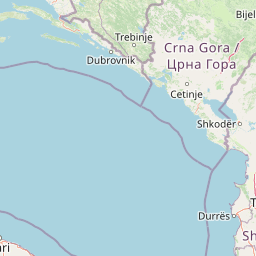
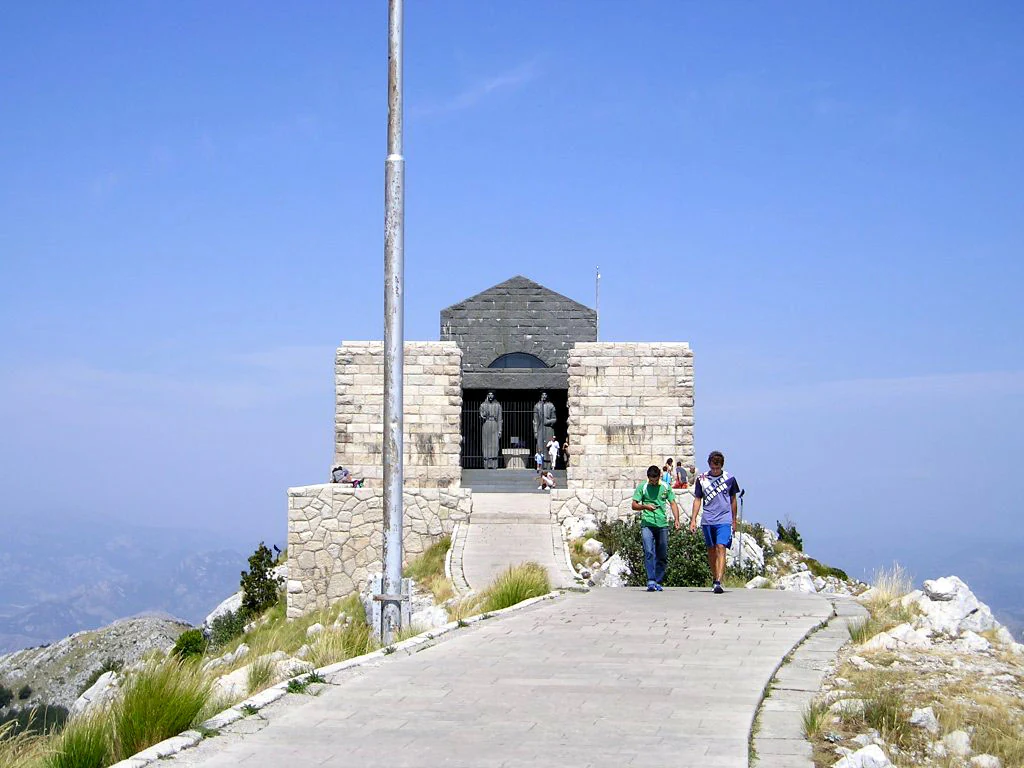
Lovćen National Park is best known for the Petar II Petrović-Njegoš Mausoleum, an imposing structure positioned atop Jezerski vrh that houses the tomb of Montenegro's most revered ruler and philosopher-poet. The park is also celebrated for its dramatic karst landscape of sheer limestone cliffs, deep gorges, and the distinctive Lovćen peaks that dominate the coastal-inland transition zone of Montenegro. The combination of natural ruggedness and cultural symbolism makes this park a defining feature of Montenegrin identity.
Lovćen National Park history and protected-area timeline
The establishment of Lovćen National Park in 1952 reflected the post-World War II recognition of Lovćen's dual significance as both a natural treasure and a cultural landmark. The mountain had long held sacred status in Montenegrin tradition, and the placement of Njegoš's mausoleum at the summit in 1974 further cemented the site's role as a place of national pilgrimage. The mausoleum, replacing an earlier church that had been destroyed, was constructed to honor the poet-philosopher who had envisioned a Montenegrin state unified under spiritual and cultural ideals. The park's boundaries have been maintained to protect both the natural environment of the mountain slopes and the cultural landscape surrounding this paramount national monument.
Lovćen National Park landscape and geographic character
The Lovćen landscape is defined by its dramatic karst topography, a geological character shared with much of the Dinaric Alps region. The mountain rises as a compact limestone mass with two principal peaks, and the park protects the upper portions of this terrain. Steep cliffs and rocky faces dominate the upper elevations, while lower slopes feature forested terrain descending through alternating bands of vegetation. The geological substrate of karst limestone has produced a landscape of sinkholes, caves, and rugged terrain that gives Lovćen its distinctive visual character. From the upper peaks, views extend across the Montenegrin landscape, encompassing both coastal vistas and the mountainous interior, making the park a natural observation point of exceptional importance.
Lovćen National Park ecosystems, habitats, and plant life
The ecological character of Lovćen National Park reflects the transitional position of this mountain between Mediterranean and continental climatic zones. The park supports diverse forest communities that vary with elevation and aspect, with beech forests dominating the main forest belt and fir present in appropriate microhabitats. The karst landscape creates specialized habitats on cliff faces, in caves, and across exposed limestone terrain. This diversity of habitats supports a correspondingly varied community of plant and animal species adapted to the montane environment. The protected area serves as an important corridor for species moving between coastal and interior mountain ecosystems.
Lovćen National Park wildlife and species highlights
The wildlife of Lovćen reflects the montane character of this protected area within the Dinaric Alps region. The forests and rocky terrain provide habitat for typical Balkan mountain fauna, including various bird species associated with forest and cliff environments. The karst cave systems offer shelter for cave-dwelling species, while the diverse forest structure supports mammalian species adapted to montane woodland. The park's position along the Adriatic flyway also brings migratory bird activity during appropriate seasons. While specific species lists would require detailed survey data, the overall ecological character supports a representative community of Balkan mountain wildlife.
Lovćen National Park conservation status and protection priorities
Lovćen National Park represents one of Montenegro's oldest protected areas and embodies the nation's approach to balancing natural preservation with cultural heritage protection. The park's karst ecosystems contain specialized species and communities that depend on the intact forest and rocky habitats within the protected boundaries. The protection of Lovćen also serves broader conservation goals by maintaining forest cover on a mountainous landscape that otherwise faces pressures from logging and development. The dual designation recognizing both natural and cultural values reflects an integrated approach to landscape conservation that preserves the holistic character of this significant Montenegrin landmark.
Lovćen National Park cultural meaning and human context
Mount Lovćen holds profound significance in Montenegrin cultural identity, having served as a symbolic and strategic center for the Montenegrin state across centuries. The mountain's fortress-like appearance made it a natural defensive position, while its prominent position above the landscape gave it spiritual importance. The placement of the Petar II Petrović-Njegoš mausoleum at the summit represents the culmination of this cultural significance, transforming the natural peak into a site of national pilgrimage. Njegoš, who ruled as both prince-bishop and poet, embodied the Montenegrin aspirations for cultural and political identity during the 19th century, and his tomb on this commanding peak connects the natural landscape with the nation's historical narrative.
Top sights and standout views in Lovćen National Park
The Petar II Petrović-Njegoš Mausoleum atop Jezerski vrh remains the defining feature of Lovćen National Park, an architectural landmark of national importance. The panoramic views from the upper peaks encompass the full sweep of Montenegrin terrain from coast to mountains. The karst landscape of dramatic limestone peaks and cliffs represents outstanding Dinaric alpine terrain. The forest communities of beech and fir create a green mantle across the mountain slopes. The cultural heritage of the site connects natural beauty with Montenegrin historical identity.
Best time to visit Lovćen National Park
Lovćen National Park can be visited throughout the year, with each season offering a different character to the mountain experience. The summer months bring stable weather and the most accessible conditions for hiking and sightseeing at higher elevations. Autumn often brings clear skies and the spectacle of forest color as the deciduous communities change. Winter transforms the landscape with snow, though conditions may limit access to higher elevations. Spring brings renewal to the vegetation and can be particularly attractive as the mountain flora awakens. The mausoleum remains accessible in most seasons, though visitors should check current access conditions, particularly in winter months when snow may affect road access to upper parking areas.