
Why Alps of Albania National Park stands out
The park is best known for its dramatic alpine landscapes within the Accursed Mountains, a remote wilderness area that remains largely pristine despite its proximity to populated regions. The combination of towering limestone peaks, deep glacial valleys, and extensive karst systems including Grunas Canyon and extensive cave networks beneath Arapi mountain creates an exceptional mountain landscape. The park protects significant populations of large mammals including brown bears, gray wolves, Eurasian lynx, and chamois, while the endemic tulip species Tulipa albanica reflects the region's botanical significance.
Alps of Albania National Park history and protected-area timeline
Alps of Albania National Park was formally established on January 26, 2022, through Albanian Council of Ministers Decision No. 59, creating Albania's largest national park by area. The park was created through the consolidation of three previously designated protected areas: Theth National Park, which was established in 1966 and covered approximately 2,630 hectares around the upper Shala Valley; Valbona Valley National Park, designated in 1996; and Gashi Nature Reserve, which had been protected as a strict nature reserve. This amalgamation brought together complementary ecosystems and conservation designations under a unified management framework. Theth itself had additional recognition in 2017 when it was declared a Protected Historic Center, acknowledging the cultural significance of the traditional village and its relationship with the surrounding landscape. The creation of the unified park reflected a growing recognition of the transboundary ecological importance of the Albanian Alps region and the need for comprehensive landscape-level conservation that bridges previous administrative boundaries between protected areas.
Alps of Albania National Park landscape and geographic character
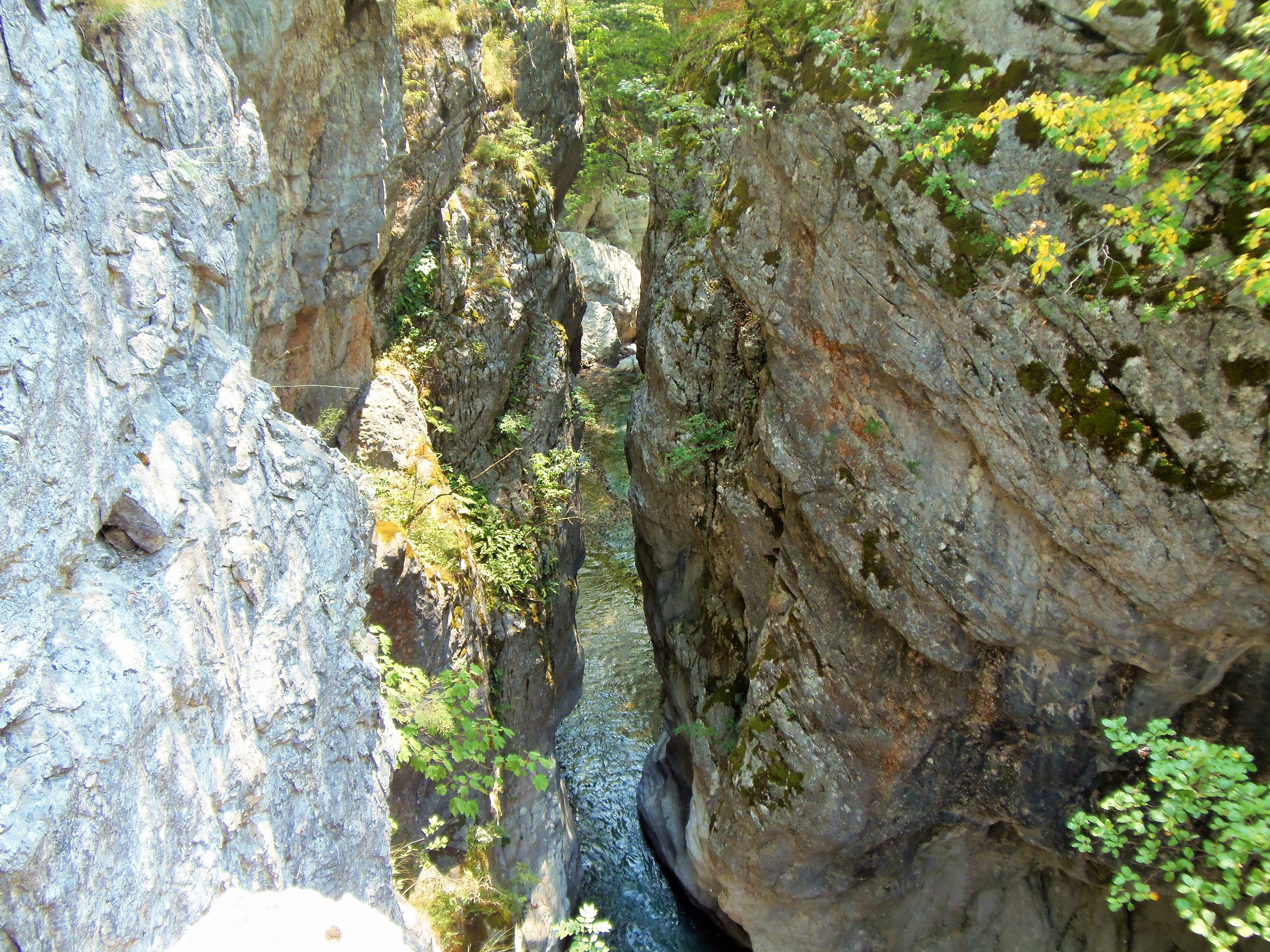
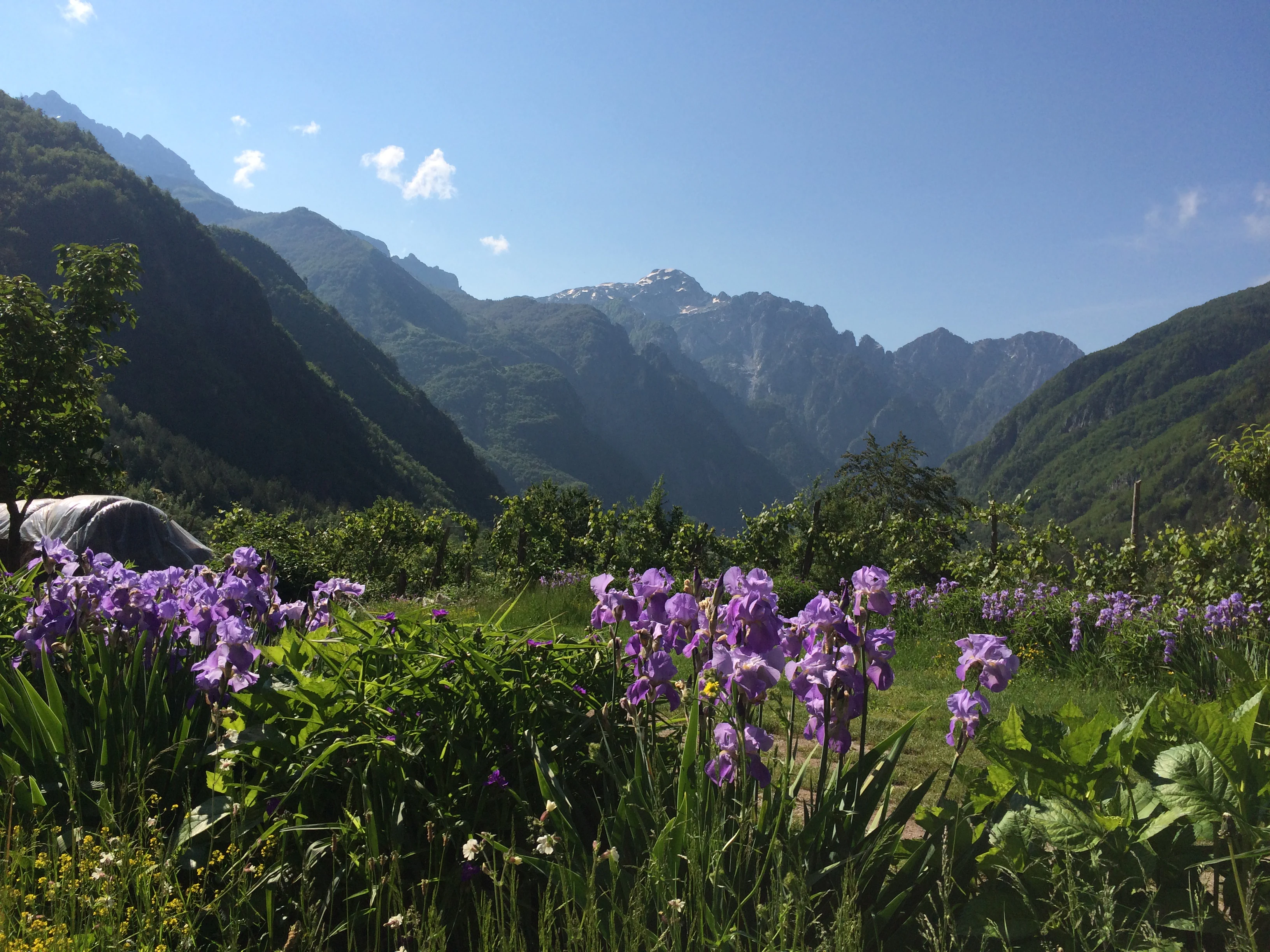
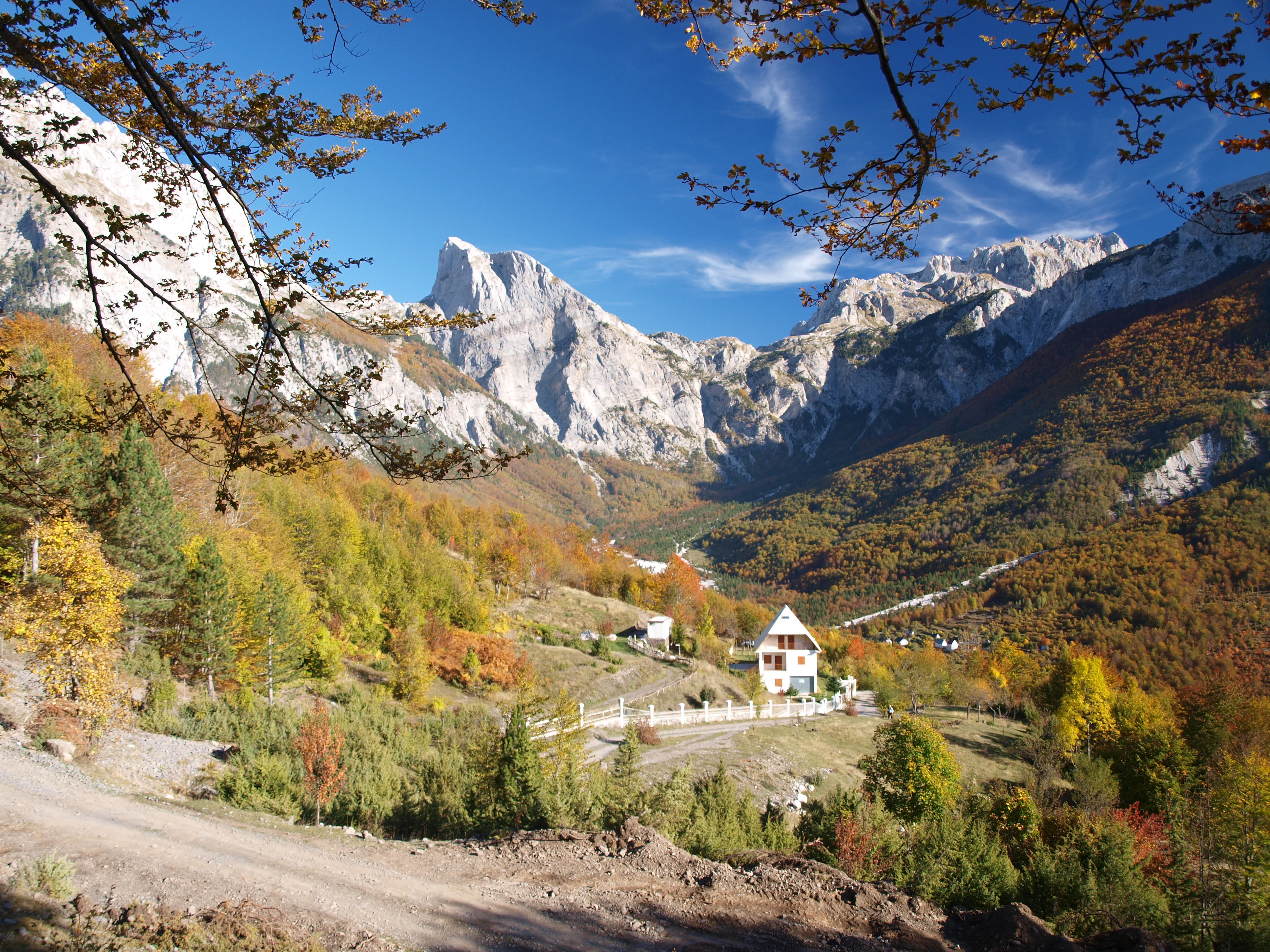
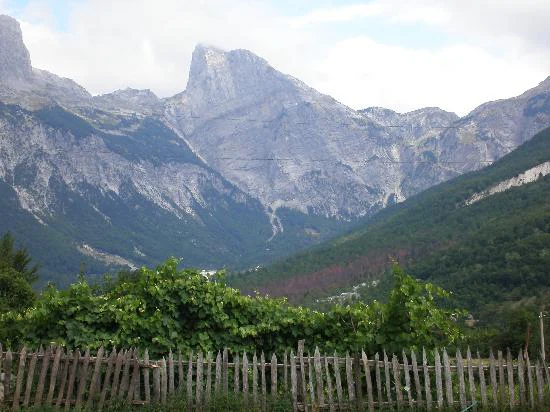
The physical landscape of Alps of Albania National Park is defined by the dramatic terrain of the Albanian Alps, a high-altitude mountain range characterized by steep limestone and dolomite peaks, deep glacial valleys, and extensive karst formations. The range forms a dome-like structure with mountain ridges and valleys radiating outward, creating a complex and visually spectacular terrain. The park contains numerous peaks exceeding 2,000 meters, with Maja e Jezercës reaching 2,694 meters as the highest summit of the entire Dinaric Alps system. The geological character is dominated by karst processes, which have produced remarkable features including the Grunas Canyon with its vast carbon formations and the extensive cave systems beneath Arapi mountain, which contains the country's longest horizontal cave. The landscape includes glacial valleys carved by ancient ice flows, numerous rivers including the Shala, Valbona, Cemi, and Gashi, and approximately 30 glacial lakes distributed across the region. The terrain creates a landscape of exceptional vertical contrast, with dramatic rock faces and cliff walls including the southern wall of Arapi, considered the highest rock face in the Balkans.
Alps of Albania National Park ecosystems, habitats, and plant life
The park protects a remarkably diverse array of ecosystems spanning multiple forest types and alpine zones. The Dinaric Mountains mixed forests ecoregion of the Palearctic realm characterizes the lower elevations, with three distinct forest floors identified within the park. The oak floor extends from 600 to 800 meters, featuring Austrian oak, oriental hornbeam, hophornbeam, European cornel, and South European flowering ash. The beech floor dominates between 900 and 1,900 meters, primarily composed of common beech, silver fir, and sycamore. The alpine floor occupies elevations from 1,900 to 2,300 meters, characterized by herbaceous plants and shrubs including juniper and willow, along with alpine bluegrass, alpine aster, and various trefoil species. Despite the park's mountainous character, it supports exceptional botanical diversity with estimates of 1,500 to 1,650 plant species, including approximately 70 endangered species. The endemic Tulipa albanica represents a particularly significant botanical treasure found nowhere else in the world.
Alps of Albania National Park wildlife and species highlights
The park supports significant populations of large mammals and diverse bird communities despite its harsh alpine conditions. Mammal species recorded within the park include brown bear, roe deer, chamois, gray wolf, Eurasian lynx, and wild goat, representing both common and rare or endangered species. The bird fauna includes approximately 50 observed species, with notable raptors such as the golden eagle and lesser kestrel. Other bird species present include the Eurasian nuthatch, European robin, common blackbird, red-backed shrike, western capercaillie, and rock partridge. The harsh winters limit reptile and amphibian diversity, with approximately 10 reptile species and 8 amphibian species recorded, including the alpine salamander, common frog, alpine newt, and brown trout in the park's rivers and streams. The combination of diverse habitats from forested valleys to alpine meadows supports this range of wildlife, though the extreme seasonal conditions create a challenging environment for many species.
Alps of Albania National Park conservation status and protection priorities
Alps of Albania National Park holds significant conservation importance at both national and regional levels. As Albania's largest national park, it protects the country's most extensive remaining wilderness area and the core of its high-altitude mountain ecosystems. The park has been identified as both an Important Bird Area and an Important Plant Area, designations that recognize its exceptional biodiversity value. The establishment of the park in 2022 reflected growing recognition that the previous fragmented protected area network needed consolidation to effectively conserve the transboundary ecological values of the Albanian Alps region. The park protects approximately 70 endangered plant species and provides crucial habitat for endangered large mammals including brown bears, gray wolves, and lynx. The preservation of largely untouched ecosystems, combined with the protection of cultural heritage sites like Theth village, represents a holistic approach to conservation that recognizes the interconnection between natural and cultural landscapes in this remote mountain region.
Alps of Albania National Park cultural meaning and human context
The park encompasses meaningful cultural heritage, particularly through Theth village sprawled across the upper Shala Valley, which has been recognized as a Protected Historic Center since 2017. This traditional mountain village is trapped on four sides by two-thousander peaks including Radohima, Arapi, Poplluka, and Jezerca, creating an isolated community whose relationship with the surrounding landscape has shaped distinctive cultural patterns. The region has historically been one of Albania's most remote areas, and this isolation has preserved both natural ecosystems and traditional ways of life. The establishment of the consolidated national park reflects an integrated approach that recognizes the cultural dimension of the landscape alongside its ecological significance, treating the human heritage and natural systems as interconnected elements of the Albanian Alps' identity.
Top sights and standout views in Alps of Albania National Park
The park's standout features include the dramatic peaks of the Albanian Alps with their exceptional vertical relief, the extensive karst landscape with notable features like Grunas Canyon and cave systems beneath Arapi, and the remarkably preserved pristine ecosystems that remain largely untouched despite centuries of human presence in the region. The presence of Albania's highest peak outside the Korab mountains, combined with the protection of significant populations of brown bears, wolves, and lynx, establishes the park as a premier destination for mountain wilderness and wildlife observation in the Balkans. The consolidation of Theth, Valbona Valley, and Gashi into a single protected area creates one of the most comprehensive conservation landscapes in the region.
Best time to visit Alps of Albania National Park
The optimal time to visit Alps of Albania National Park depends on interests, with summer months offering the most accessible conditions for hiking and exploration while winter brings harsh conditions with heavy snowfall that limits access to higher elevations. Summer, particularly July through September, provides the warmest conditions and most accessible trail networks, though the alpine environment means temperatures remain cool at higher elevations. Autumn offers spectacular fall foliage in the forests and fewer crowds, while spring brings snowmelt feeding the waterfalls and rivers but potentially unstable weather. Winter access is limited due to severe conditions, though the landscape transforms into a dramatic winter wilderness for those with appropriate equipment and experience. The Valbona Pass at 1,795 meters provides a key mountain crossing route that is most reliably passable during the warmer months.