
Why Šar Planina National Park stands out
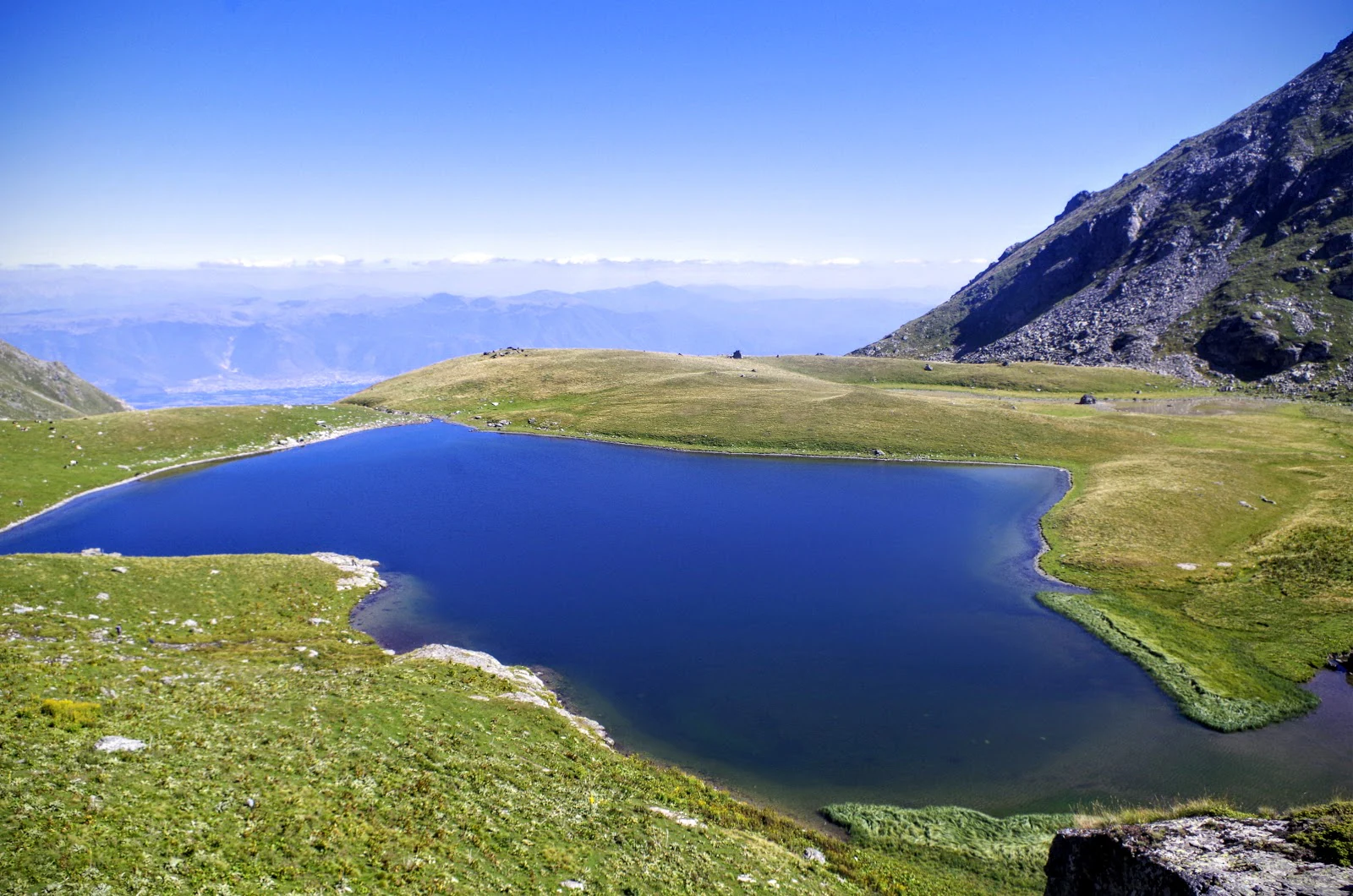
Šar Planina is best known for its dramatic alpine scenery, extensive glacial lake systems, and status as a critical refuge for the endangered Balkan lynx. The mountain range holds the densest concentration of peaks over 2,000 meters in North Macedonia, creating a rugged landscape of sharp ridges, deep valleys, and open alpine meadows. The park's 29 glacial lakes, including Bogovińsko Еzero, Crno Еzero, and Karanikoličko Еzero, are among its most distinctive features, sitting in glacial cirques beneath towering summits. The area is also renowned for the Šarplaninec, a historic shepherd dog breed named after the mountains that has been used for centuries to guard livestock against predators in these high-altitude pastures.
Šar Planina National Park history and protected-area timeline
The protection of Šar Planina has a long and complex history. Initial conservation efforts began in 1986, according to the International Union for Conservation of Nature, but the path to national park status took decades. After the breakup of Yugoslavia and North Macedonia's independence, a new initiative to protect the mountain was launched in 1997. However, this proposal was rejected during public hearings in 2000, before even reaching parliamentary consideration—a failure attributed to insufficient involvement of local municipal authorities in the planning phase and the absence of a public awareness campaign that might have built community support. A turning point came in April 2021, when a survey revealed that 82 percent of residents in the Šar Planina area favored national park designation. This groundswell of local support led to the Assembly of North Macedonia approving the declaration on June 30, 2021, with 66 votes in favor. The establishment marked North Macedonia's fourth national park and the first created after independence. In April 2024, the park administration reported that over 400 hectares of forest were burned within the protected area in a single month, highlighting ongoing conservation challenges.
Šar Planina National Park landscape and geographic character
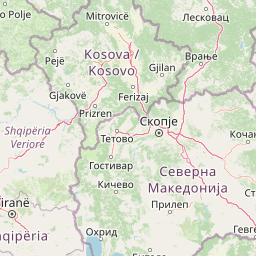
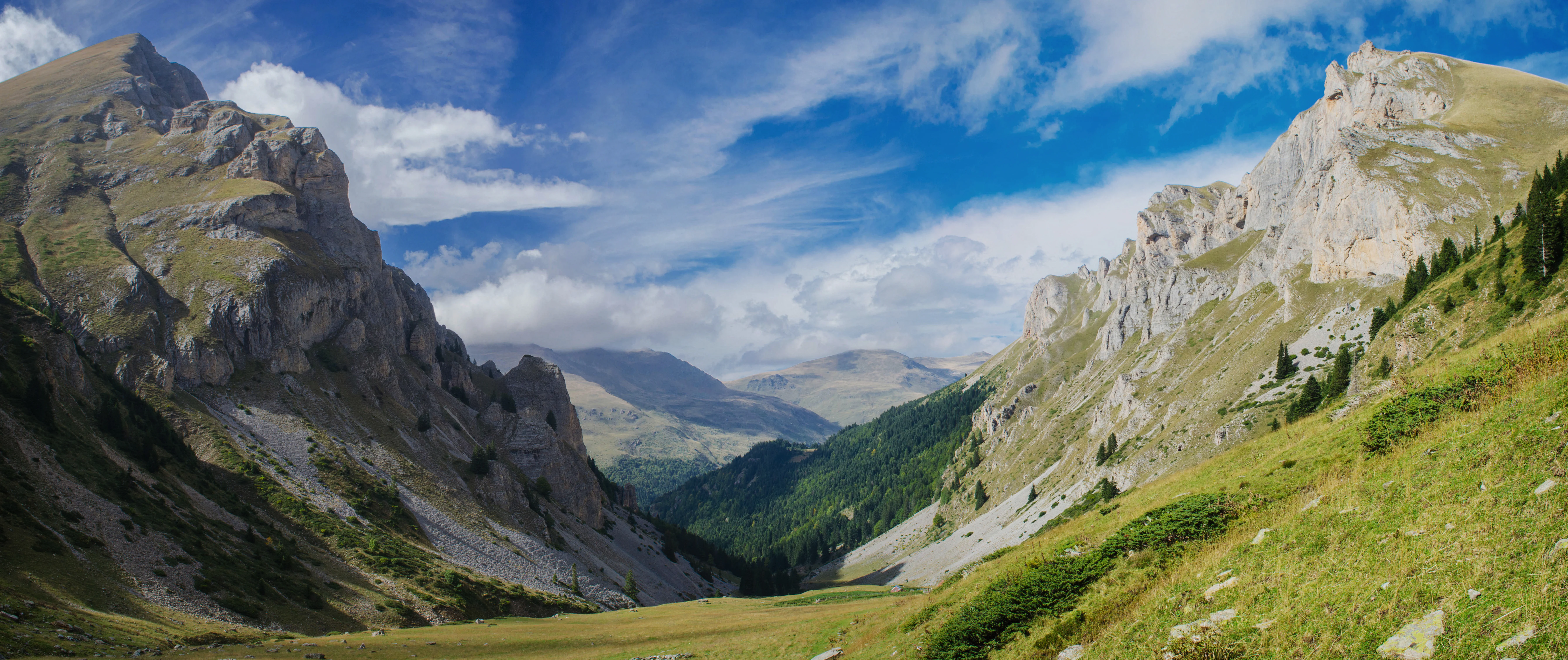
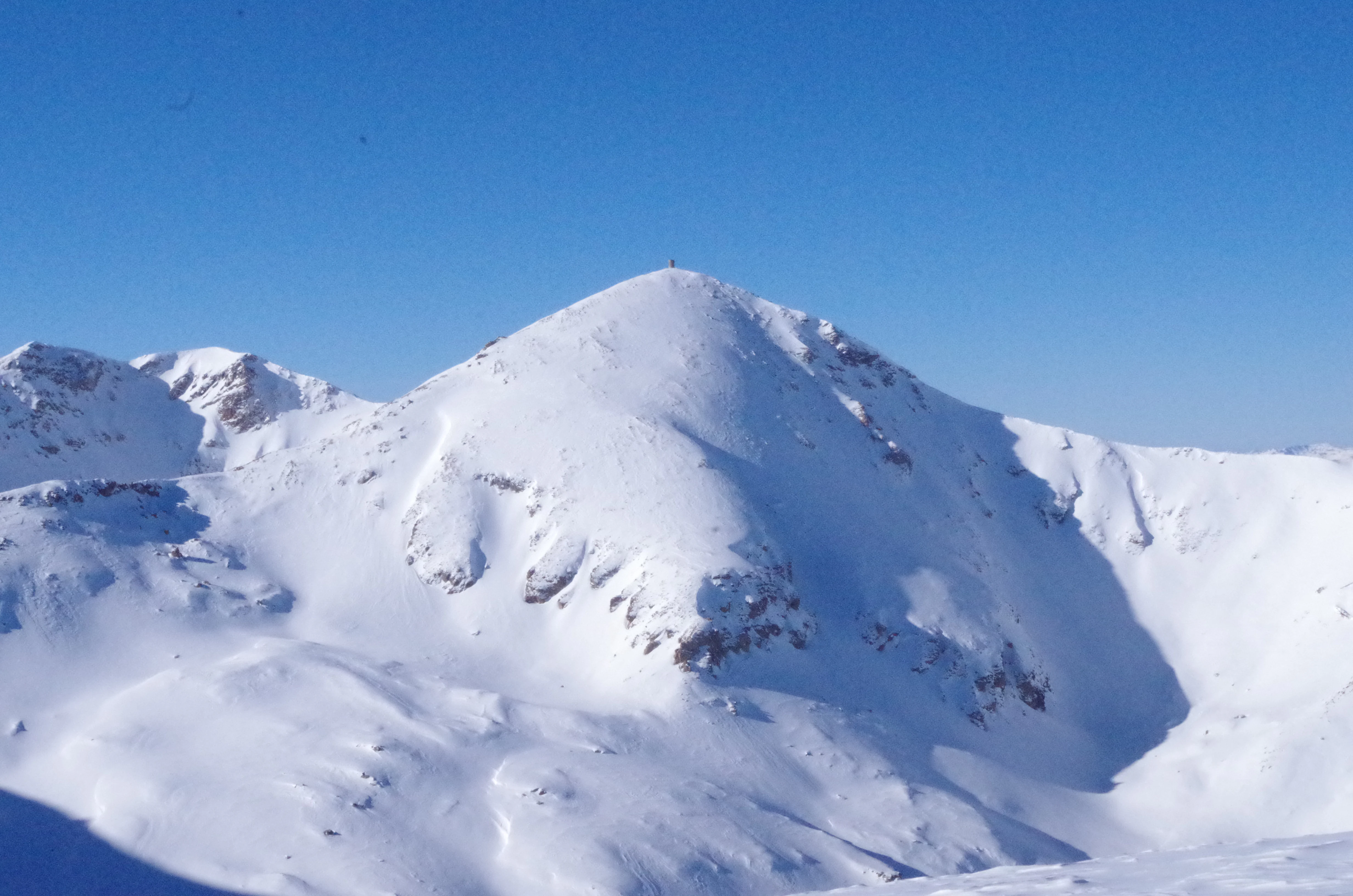
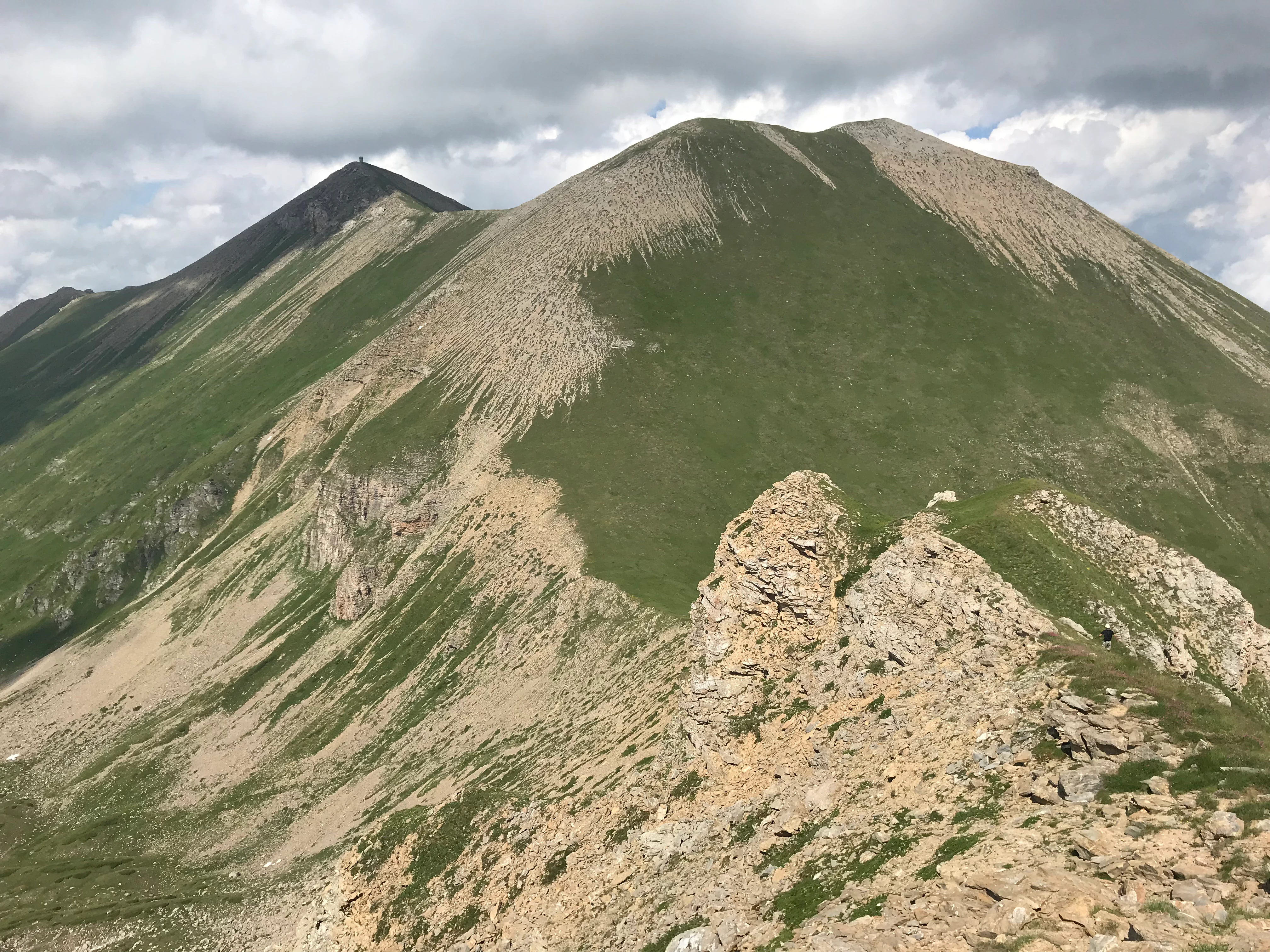
The Šar Planina landscape is defined by its dramatic alpine character and geological complexity. The mountain range is composed primarily of Paleozoic metamorphic rocks with varying resistance, which has influenced the formation of its distinctive relief. Glacial and fluvial erosion has created an area characterized by high valley density and short plateaus intersected by limestone, quartzite, and granitoid ridges. The range features approximately 220 peaks exceeding 2,000 meters, with the highest being Titov Vrv at 2,748 meters, followed by Mali Turčin (2,702m), Bazard (2,700m), and Ljuboten (2,499m). The alpine zone above 2,000 meters features exposed rock, glacial cirques, and permanent snowfields, while lower elevations support forested slopes and alpine meadows. The park contains 29 permanent glacial lakes, the highest concentration in North Macedonia, concentrated in the central and higher regions of the range. Numerous rivers carved by intense vertical erosion have formed narrow canyon segments in the upper reaches, with the mountain's drainage feeding into the Vardar River basin.
Šar Planina National Park ecosystems, habitats, and plant life
The Šar Planina ecosystem exhibits remarkable biodiversity across its elevation gradients. The forest zone features deciduous, broadleaf, coniferous, and mixed forests, with beech, oak, chestnut, maple, and hornbeam dominating the lower slopes below approximately 1,500 meters. Above the deciduous zone, a narrower belt of coniferous forest contains spruce and fir, along with endemic and relict species including the Bosnian pine and Macedonian pine. High-altitude pastures cover approximately 45,000 hectares above the tree line, supporting diverse grassland communities that extend to the highest summits. The region's biodiversity is substantial: 662 diatom species, 1,260 vascular plant species, more than 260 moss species, 500 fungi species, and 160 lichen species have been documented within the park boundaries. The area falls within the Balkan mixed forests ecoregion of the Palearctic temperate broadleaf and mixed forest biome.
Šar Planina National Park wildlife and species highlights
Šar Planina supports a rich vertebrate fauna across its diverse habitats. The mammal population includes 51 documented species, with the critically endangered Balkan lynx being the most significant—this elusive predator inhabits the high forest zones, particularly in mixed deciduous forests and rocky areas in the Ruševica gorge. Other notable mammals include the brown bear, wolf, wildcat, otter, wild boar, chamois, roe deer, red fox, and badger, along with several mustelid species. The avifauna is represented by 128 bird species, with particularly important populations of raptors including the golden eagle, bearded vulture, kite, and peregrine falcon. The open high-altitude terrain provides habitat for alpine bird species such as the red-billed chough, yellow-billed chough, alpine chough, alpine accentor, and snow bunting. The park's freshwater systems support five fish species, including the Macedonian trout, while 11 amphibian and 17 reptile species have been recorded, including the globally endangered nose-horned viper which receives strict protection within the park.
Šar Planina National Park conservation status and protection priorities
Šar Planina National Park represents a critical conservation priority for the Balkans and Europe as a whole. The protected area safeguards one of the last strongholds of the Balkan lynx, a subspecies classified as critically endangered with only an estimated 50-100 individuals remaining in the wild, primarily concentrated in these mountainous border regions between North Macedonia, Albania, and Kosovo. The park's four-zone management system balances strict protection of the most sensitive areas with sustainable use of cultural landscapes and development zones around the Popova Šapka ski resort. Beyond species protection, the area preserves important forest ecosystems, glacial lake systems, and geological formations that represent unique examples of Balkan alpine environments. The establishment of this national park fulfills North Macedonia's commitments to expand its protected area network and provides a framework for sustainable management of the mountain's natural resources while supporting local communities.
Šar Planina National Park cultural meaning and human context
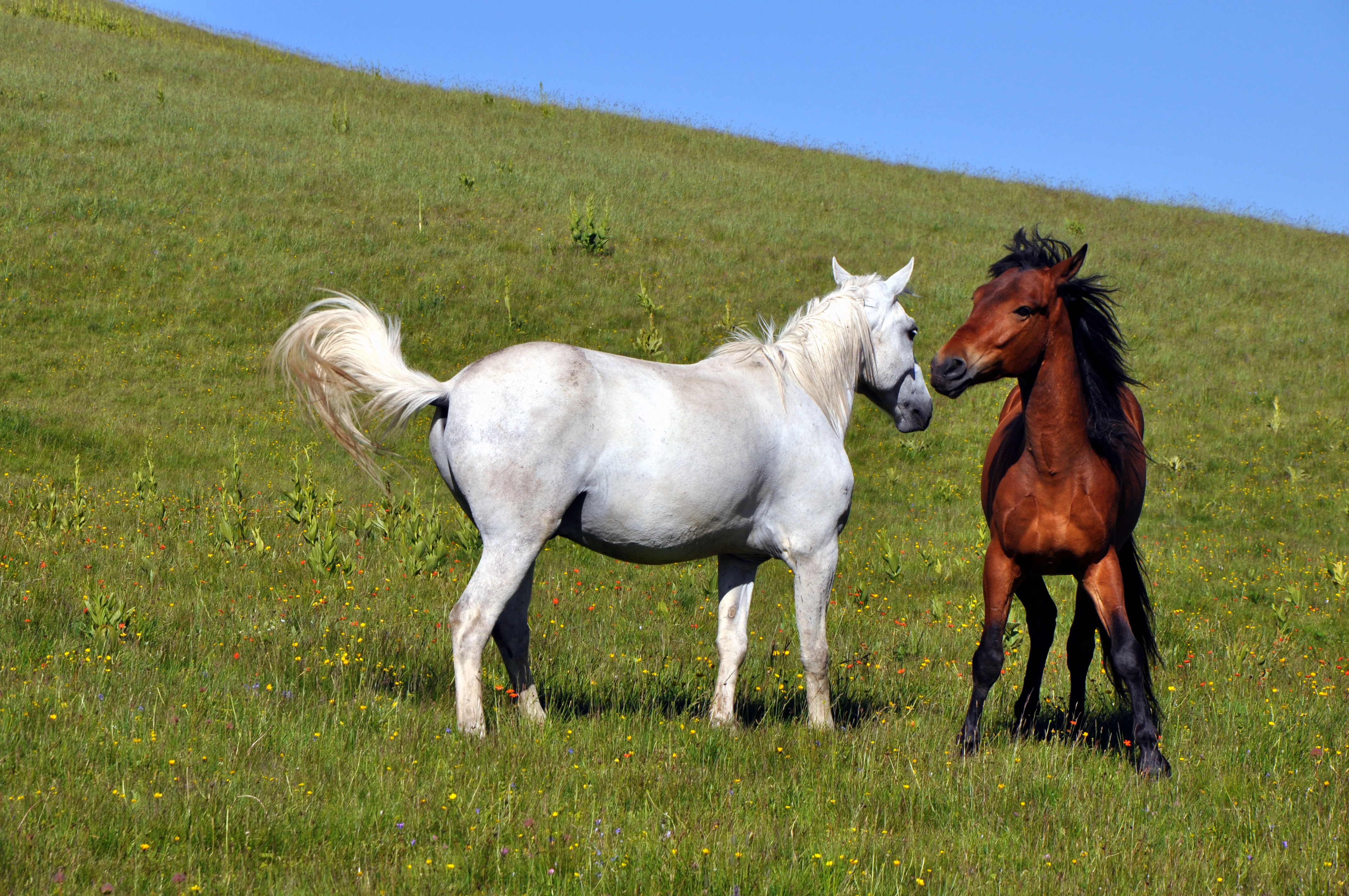
The Šar Planina landscape is deeply intertwined with human history and traditional practices that have shaped the region for centuries. Within the park boundaries lie 27 villages with approximately 17,000 residents, whose ancestors have practiced pastoralism and agriculture in these mountain valleys for generations. Traditional high-altitude pastoralism remains important, with summer pastures supporting livestock grazing that has influenced the open alpine meadows visible today. The area is home to diverse communities across its seven municipalities, each contributing to the region's cultural fabric. The Šarplaninec, a distinctive shepherd dog breed named after these mountains, represents a cultural heritage that has spread beyond the region—this robust breed has been used for centuries to protect livestock from wolves and bears in these rugged highlands and has become recognized internationally. The proposed road connection between Tetovo and Prizren through the park, advocated by both North Macedonia and Kosovo governments, reflects ongoing tensions between development pressures and conservation values in this transboundary mountain region.
Top sights and standout views in Šar Planina National Park
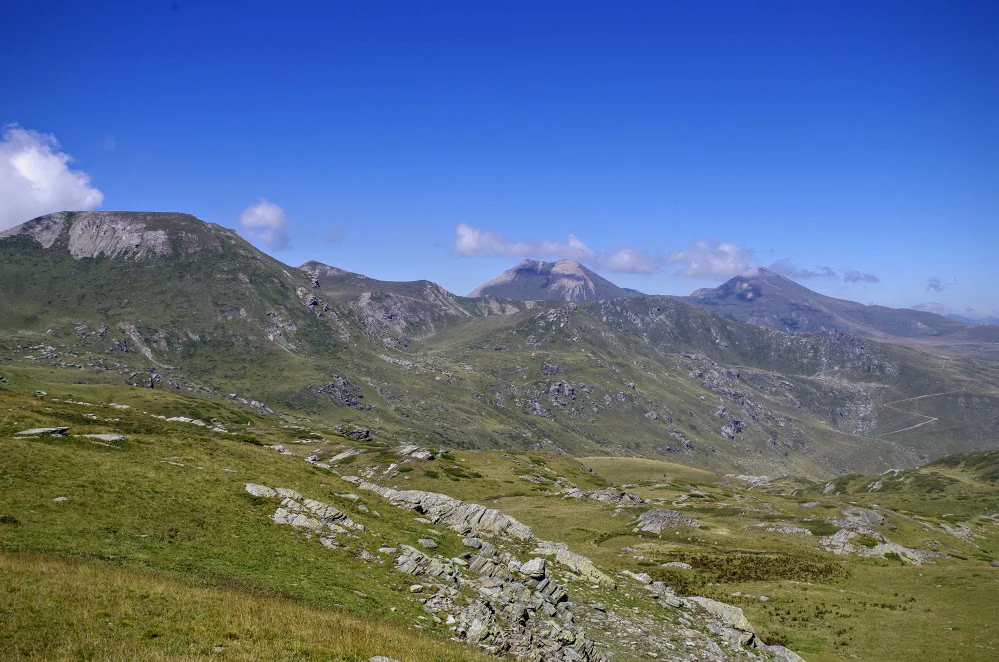
Šar Planina National Park offers exceptional alpine wilderness with nearly 220 peaks exceeding 2,000 meters, the highest concentration in North Macedonia. The park protects 29 glacial lakes, the "Šar's Eyes," scattered through dramatic cirques beneath towering summits. The area serves as a crucial refuge for the endangered Balkan lynx, symbol of the park. Titov Vrv, the highest peak at 2,748 meters, dominates a landscape of sharp ridges, deep valleys, and open alpine meadows. Four protection zones manage approximately 627 km² of mountain terrain, balancing strict preservation with sustainable use around the Popova Šapka ski resort. The mountain's geological diversity includes limestone, quartzite, and granitoid formations carved by glacial and fluvial processes. Rich biodiversity spans from deciduous forests through coniferous zones to alpine pastures, supporting 51 mammal species and 128 bird species.
Best time to visit Šar Planina National Park
The best time to visit Šar Planina depends on intended activities and tolerance for varying conditions. Summer months from June through September offer the most accessible period for hiking and exploration, with warm temperatures in the valleys and alpine meadows in full bloom, though afternoon thunderstorms are common. The ski season at Popova Šapka runs from December through March, making winter suitable for skiing and winter sports. Spring and autumn provide transitional conditions—autumn often brings stable weather and colorful foliage in the lower forests, while spring sees snowmelt feeding the glacial lakes and waterfalls. The high-altitude zones remain cold even in summer, and conditions can change rapidly throughout the year. Those seeking to observe wildlife may find different opportunities across seasons, with larger mammals more active during cooler periods.