
Why Sharr Mountains National Park stands out
Sharr Mountains National Park is best known for its dramatic alpine scenery, with jagged peaks and steep glacial valleys creating one of Kosovo's most spectacular mountain landscapes. The park protects extensive old-growth forests of pine, fir, and beech, as well as subalpine and alpine meadows that support diverse flora. The area is also notable for its wildlife, including populations of brown bear, wolf, and chamois, making it one of Kosovo's most important areas for large mammal conservation.
Sharr Mountains National Park history and protected-area timeline
Sharr Mountains National Park was officially designated in 2013, representing Kosovo's commitment to preserving its highland natural heritage. Prior to formal protection, the Šar Mountains had long been recognized for their ecological and landscape values, though historical resource exploitation had impacted some areas. The park's creation followed a period of increasing environmental awareness in Kosovo and the development of national environmental legislation. The designation built upon earlier conservation efforts in the region and aimed to provide formal protection for one of the country's most significant mountain ecosystems.
Sharr Mountains National Park landscape and geographic character
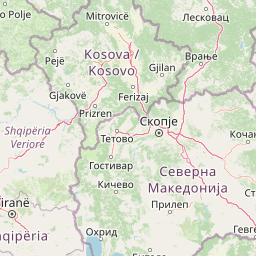
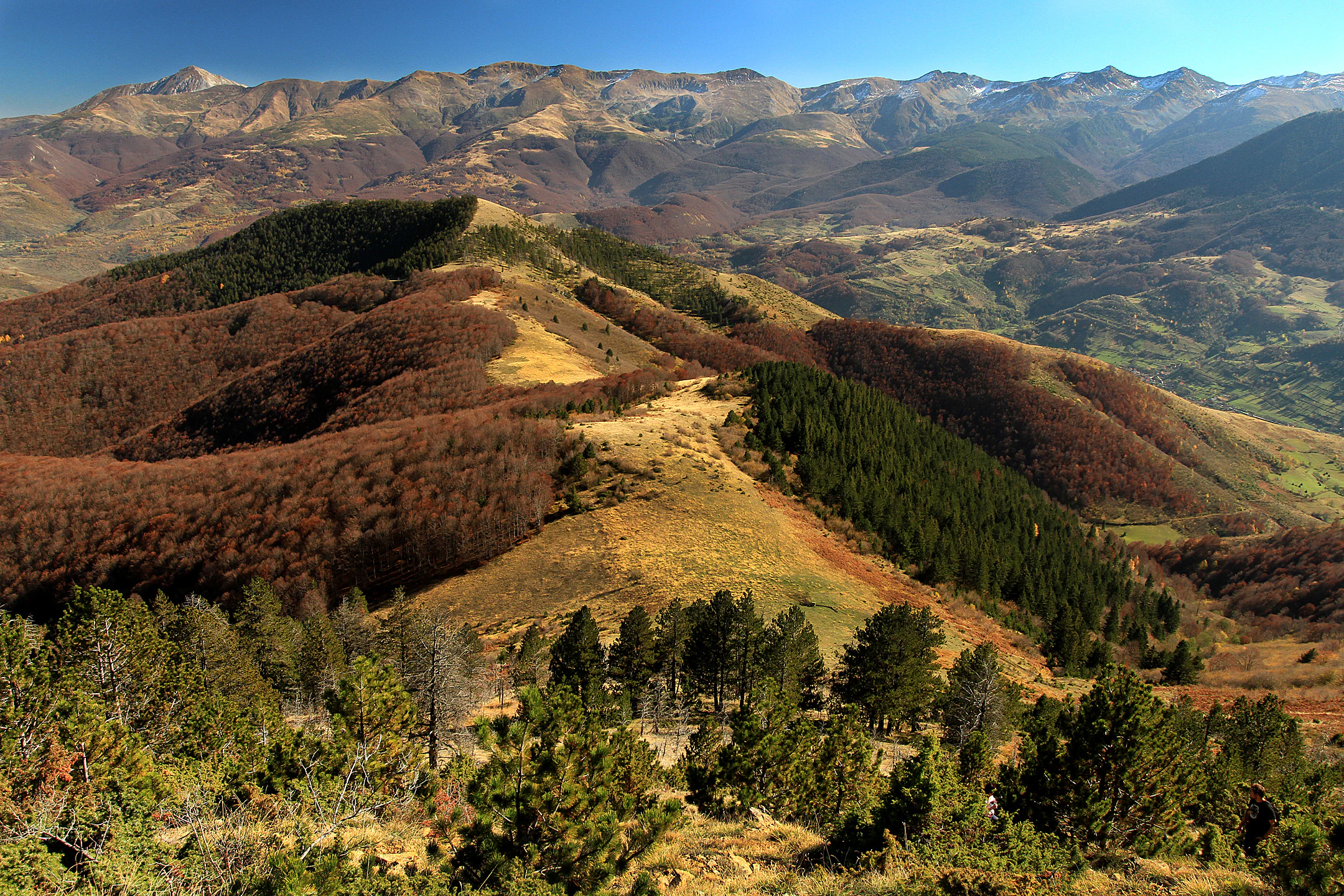
The landscape of Sharr Mountains National Park is defined by its dramatic alpine topography. The Šar Mountains rise steeply from the surrounding valleys, with peaks reaching elevations that create a harsh yet beautiful environment. The terrain shows clear evidence of glacial activity, with U-shaped valleys, cirques, and moraines shaping the high mountain scenery. Rocky ridgelines alternate with grass-covered slopes and forested zones in the lower elevations. The park contains several glacial lakes, known as 'eyes of the mountain,' which add to the scenic diversity. Streams descend rapidly through the valleys, carving waterfalls and cascades as they descend to lower elevations.
Sharr Mountains National Park ecosystems, habitats, and plant life
The ecological diversity of Sharr Mountains National Park reflects its range of elevations and varied topography. The park encompasses several distinct vegetation zones, from deciduous and mixed forests in the lower valleys through coniferous forests to subalpine shrubland and alpine meadows at the highest elevations. The forests include significant stands of beech, oak, pine, and fir, some of which represent relatively intact old-growth examples. The alpine zone features characteristic high-elevation grasslands and rocky terrain adapted to harsh conditions. The combination of diverse habitats supports a range of plant species, including several endemic varieties found only in the Balkan mountains.
Sharr Mountains National Park wildlife and species highlights
Sharr Mountains National Park provides important habitat for large mammals in the Balkans. The park supports populations of brown bear and wolf, two species that require extensive territories and intact ecosystems. Chamois, the agile mountain goat-antelope, inhabits the rocky terrain above the treeline. The diverse habitats also support smaller mammals, bird species, and reptiles. The forest and alpine environments create conditions suitable for species adapted to both wooded and open terrain. The park's importance for wildlife conservation reflects its relatively intact ecosystems and the connectivity it provides to surrounding mountain areas.
Sharr Mountains National Park conservation status and protection priorities
Sharr Mountains National Park represents a key component of Kosovo's protected area system, providing formal protection to one of the country's most significant mountain ecosystems. The park contributes to biodiversity conservation by protecting habitats for species including brown bear and wolf, both of which are of conservation concern in the region. The watershed protection function of the forested catchments adds to the park's conservation value. As a transboundary mountain range, the Šar Mountains also contribute to regional conservation networks, though management challenges include addressing historical impacts and balancing conservation with visitor access and local resource use.
Sharr Mountains National Park cultural meaning and human context
The Šar Mountains have been inhabited for centuries by communities practicing pastoralism and mountain agriculture. Traditional villages in the valleys and summer settlements in the high meadows reflect the historical relationship between local communities and the mountain environment. The area is part of a region with rich cultural traditions tied to the seasonal movement of people and livestock between valleys and alpine pastures. These traditional practices have shaped the landscape over generations and remain part of the region's cultural identity.
Top sights and standout views in Sharr Mountains National Park
The dramatic alpine peaks and glacial valleys of the Šar Mountains create one of Kosovo's most impressive mountain landscapes. Protected old-growth forests, alpine meadows with diverse flora, and populations of brown bear and wolf make the park important for biodiversity. The glacial lakes, mountain streams, and scenic ridgelines provide outstanding natural beauty. The park offers opportunities for hiking, mountain exploration, and winter sports, particularly from the Brezovica access area.
Best time to visit Sharr Mountains National Park
The summer months of June through September offer the most reliable access to the park's hiking trails and mountain areas, with warm temperatures in the valleys and wildflower displays in the alpine meadows. Autumn brings golden foliage to the forests and clear mountain air. Winter transforms the landscape into a skiing destination, though conditions can be challenging. Spring and early summer see snowmelt feeding the streams and waterfalls. The high mountain areas experience significant snow cover during winter, and weather conditions can change rapidly at any time of year.