
Why Pelister National Park stands out
Pelister is best known for its extensive forests of the endemic Macedonian pine (Pinus peuce), locally called molika, which represents one of the best-developed habitats of this rare five-needle pine in the entire Balkans. The park is celebrated for its remarkable plant biodiversity with over 1,050 plant species, including approximately 900 angiosperms, 37 tree species, and 38 shrub species. The Macedonian pine, a Tertiary relic endemic to the central Balkan region, was first scientifically described by the German botanist August Grisebach in 1843 after he discovered it on Pelister. The geological formations known as stone rivers, accumulations of granite blocks created by repeated freezing and thawing during the Pleistocene epoch, are among the park's most distinctive landscapes, with some reaching lengths up to three kilometers.
Pelister National Park history and protected-area timeline
Pelister National Park was established on November 30, 1948, making it Yugoslavia's first national park and North Macedonia's oldest protected area. The initial protected area covered a smaller footprint, which was significantly expanded in 2007 to 14,300 hectares (later cited as 17,150 hectares) to provide enhanced protection for a larger portion of the Baba mountain massif. The earliest recorded mountain climbing activity on Pelister dates to 1836 by Ami Bue, followed by the Austrian botanist August Grisebach in 1839, who later scientifically described the endemic Macedonian pine in 1843. Subsequent notable ascents included those by Edmund Spenser in 1850 and Henrih Bart in 1862. Organized mountaineering began with the establishment of the mountaineering society Pelagonija in 1926, later renamed Pelister. By 1938, two mountain lodges had been constructed: Begova Česma at 1,420 meters and Kopanki at 1,610 meters. Additional infrastructure developed after World War II included mountain lodges at Golemo Ezero and Golema Livada, along with recreational facilities and villas at various locations within the park.
Pelister National Park landscape and geographic character
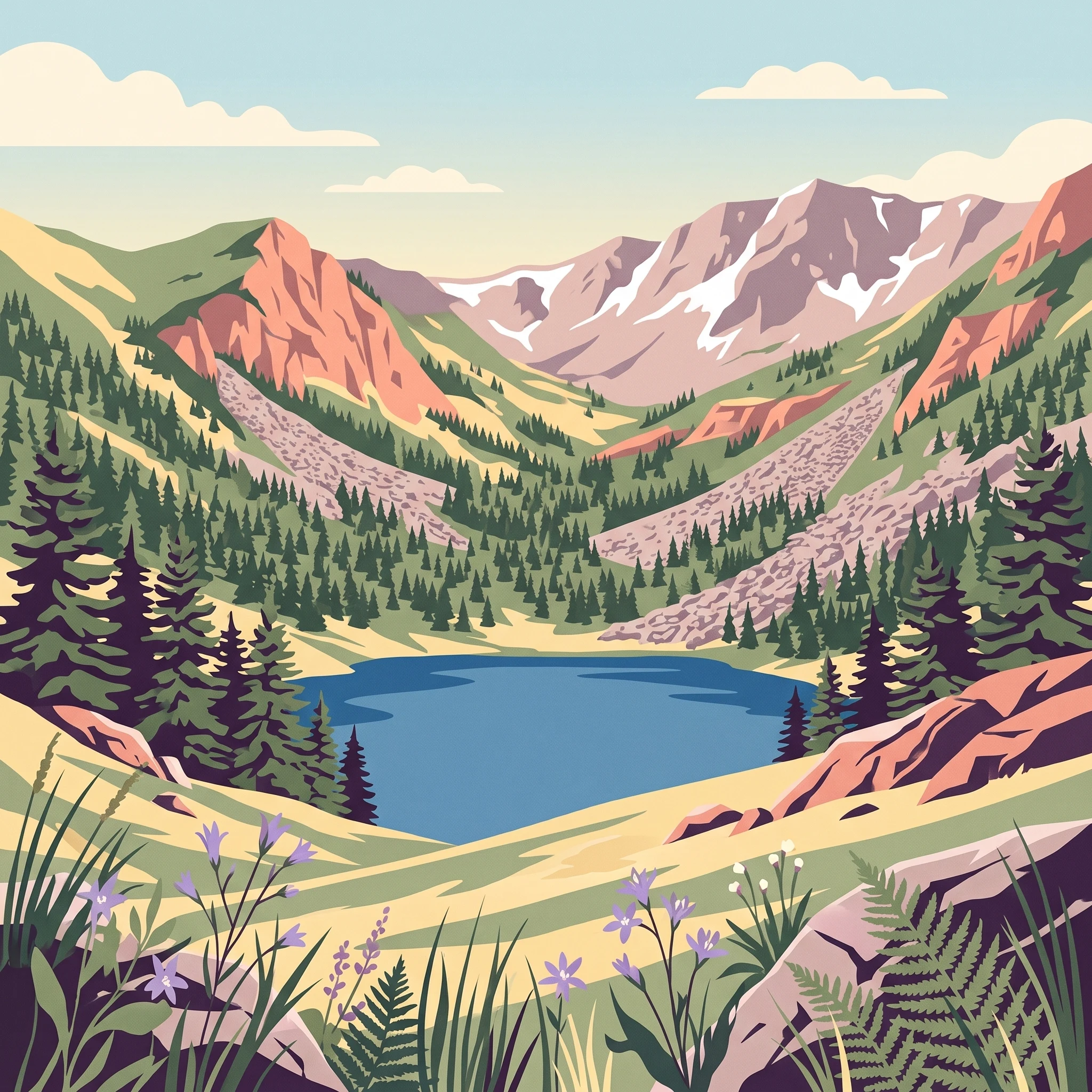
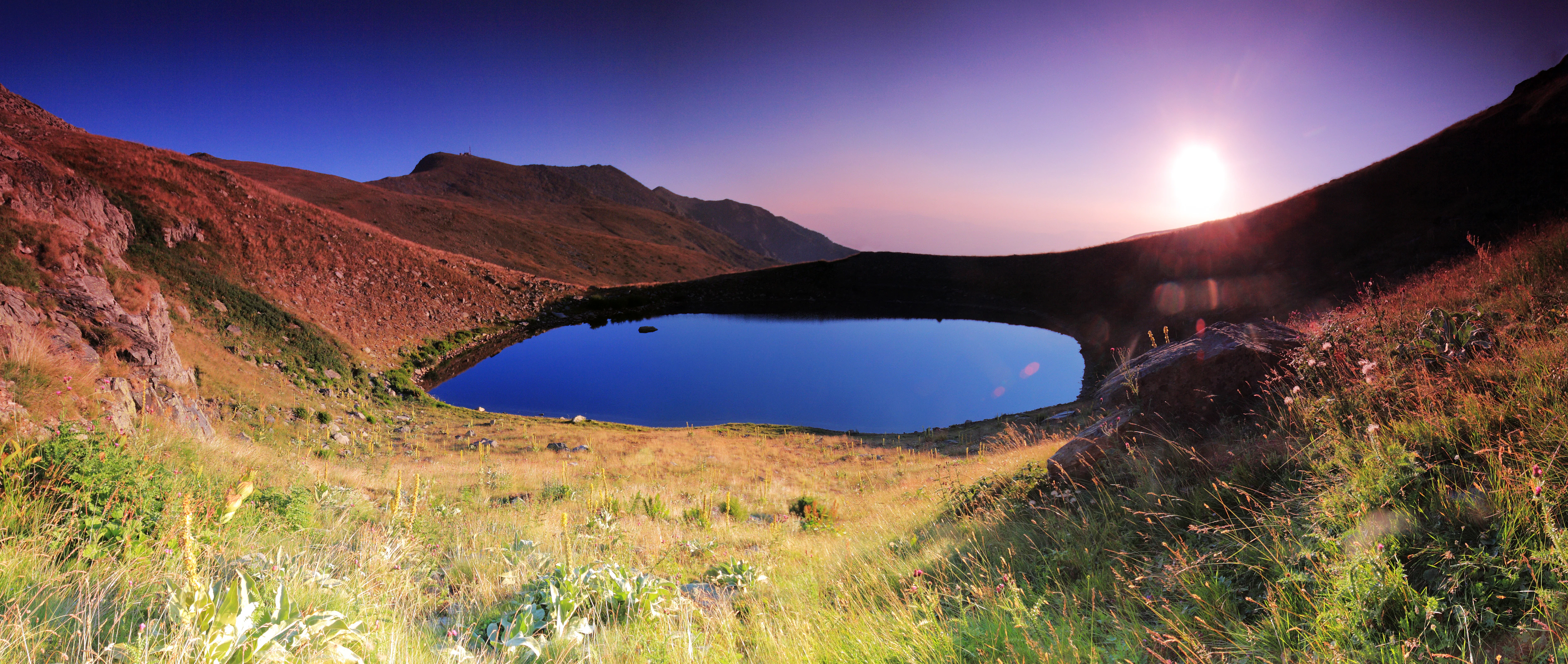
The physical landscape of Pelister National Park is characterized by dramatic alpine terrain with distinctive geological and glacial features. The Baba Mountain massif, the third-highest range in North Macedonia, dominates the park with peaks exceeding 2,000 meters separated by deep valleys. The geological foundation consists primarily of Pelister granite and green shales from the Ordovician and Palaeozoic periods, belonging to the western Macedonian geotectonic zone and representing the southernmost extension of the Rhodope mountain system. The most visually striking landscape features are the stone rivers—locally called kameni reki—massive accumulations of granite blocks and pieces of eruptive rocks including dolerite and gabbro. These formations resulted from repeated freezing and thawing cycles during the Pleistocene epoch and create distinctive rocky streams flowing down mountain slopes, with some extending up to three kilometers in length. Additional glacial landforms include characteristic cirques, moraines, and nivation hollows. The park contains two glacial lakes situated at approximately 2,200 meters elevation, known as Pelister Eyes or Forest Eyes, which add to the alpine character of the landscape.
Pelister National Park ecosystems, habitats, and plant life
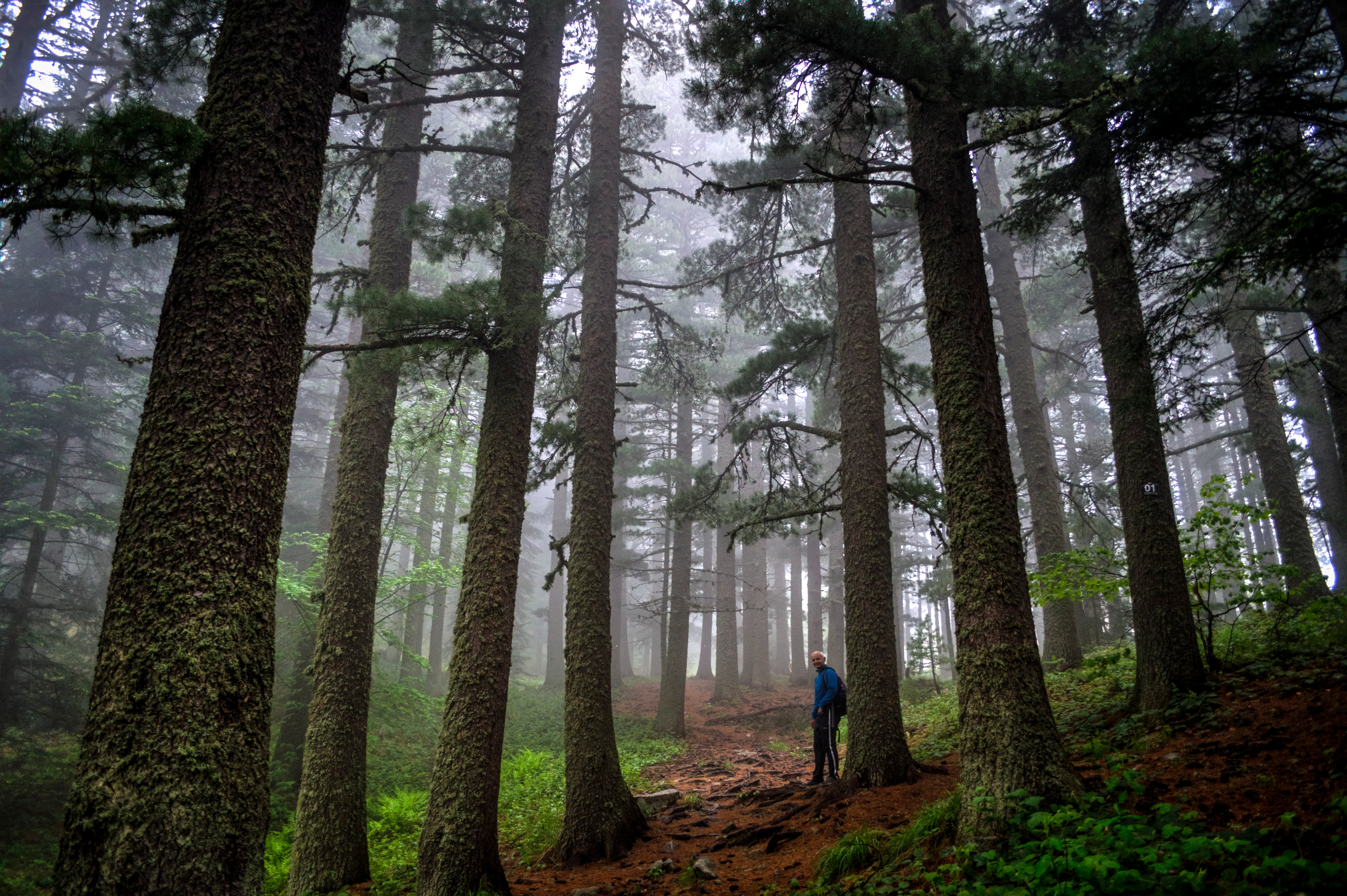
The ecological character of Pelister National Park is defined by diverse ecosystems spanning forests, alpine grasslands, and freshwater habitats, supporting exceptional biodiversity. The most ecologically significant vegetation type is the extensive Macedonian pine forest, which forms one of the best-developed and most compact habitats of this rare endemic species in the Balkans. The Macedonian pine typically dominates forest communities between elevations of 1,200 and 1,600 meters, though specimens can be found up to 2,500 meters. These trees can reach heights of 30 to 50 meters and typically grow on silicate substrates in fresh, moist, and deep soils, with some individuals exceeding 200 years in age. The park supports over 1,050 plant species, including approximately 900 angiosperms, 37 tree species, and 38 shrub species, organized into 21 distinct plant communities comprising 8 forest and 13 grassland associations. The park represents a classic locality for more than 20 plant species, including two local endemics: the Pelister lady's mantle (Alchemilla peristerica) and Pelister crocus (Crocus pelistericus). The Macedonian pine, as a Tertiary relic and endemic to the central Balkan region, was the primary scientific justification for establishing the park as a protected area.
Pelister National Park wildlife and species highlights
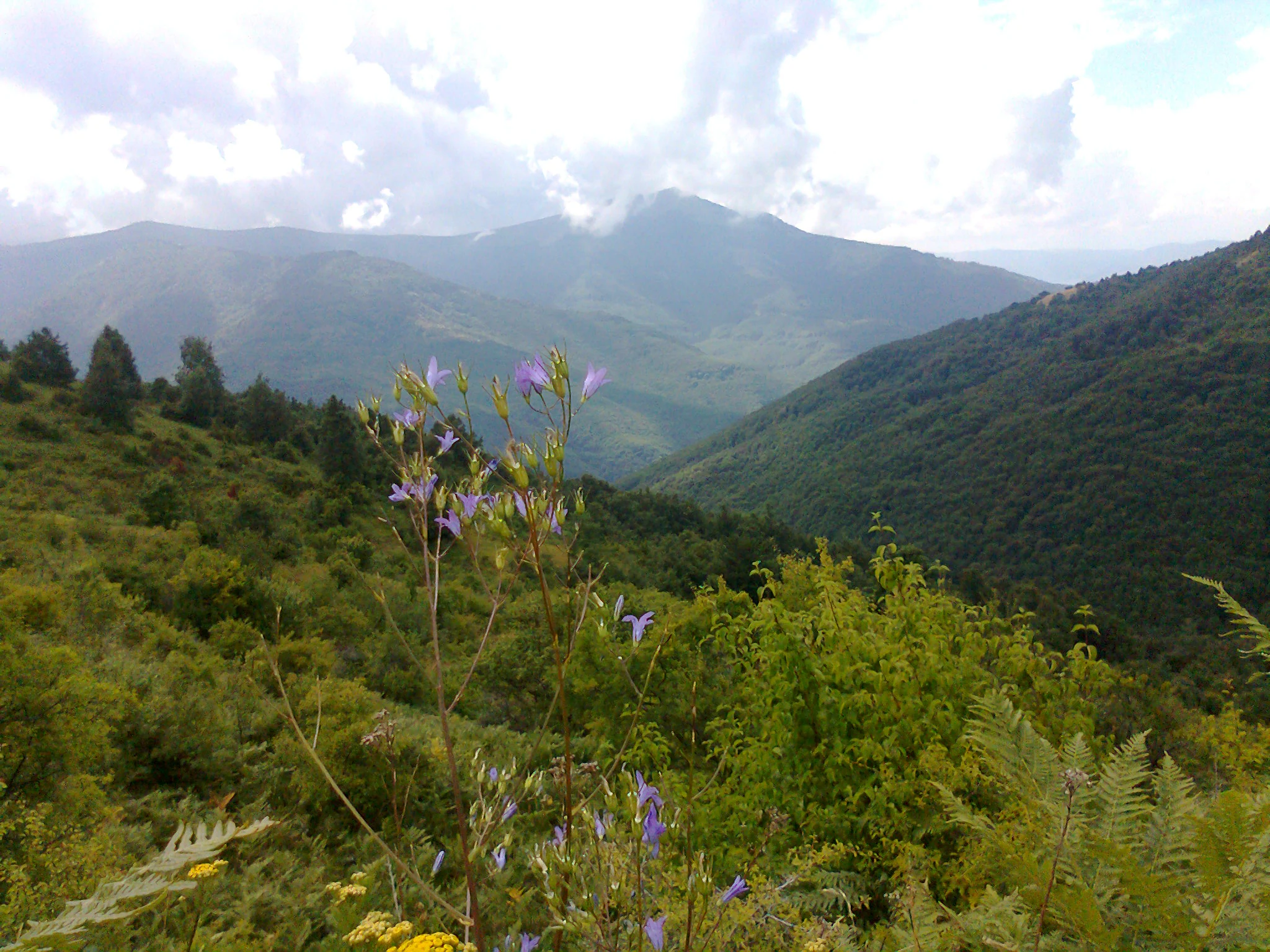
Pelister National Park supports significant wildlife populations across diverse habitats, with several species protected under international conservation agreements. Mammalian fauna includes notable species such as the grey wolf (Canis lupus) and European otter (Lutra lutra), both of which occupy important ecological niches within the park's forest and freshwater ecosystems. The park is particularly significant for birdlife, hosting the bearded vulture (Gypaetus barbatus), a striking raptor that relies on alpine habitats and is recognized as a species of conservation concern in Europe. The aquatic ecosystems support endemic fish populations, including the Pelister trout (Salmo trutta peristericus) and Pelagonia trout (Salmo trutta pelagonicus), both representing distinct evolutionary lineages adapted to the park's cold mountain streams and glacial lakes. The Macedonian source documents additional vertebrate diversity including 10 amphibian species, 15 reptile species, 91 bird species, and 35 mammal species, making the park a significant biodiversity hotspot in the region.
Pelister National Park conservation status and protection priorities
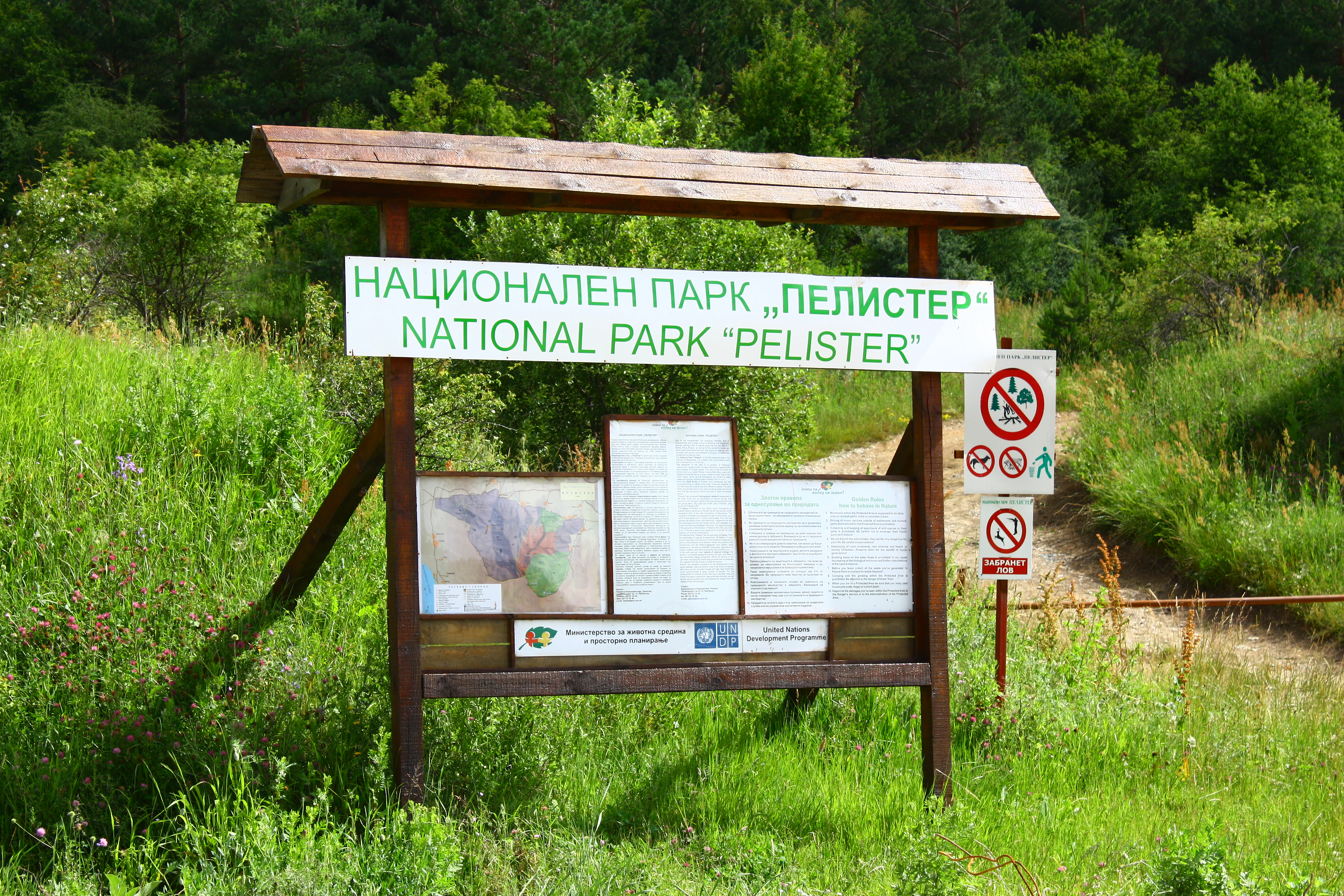
Pelister National Park holds significant conservation importance as North Macedonia's oldest protected area and as a repository of endemic biodiversity. The park's protection was originally justified by the scientific significance of the Macedonian pine, a Tertiary relic species endemic to the central Balkan region that survives in only a few mountain locations. The management framework operates through a hierarchical system involving the Macedonian Ministry of Environment and Physical Planning, a management board, ranger service, and advisory bodies. Despite legislative constraints, park authorities have implemented innovative community co-management approaches, actively involving local communities in conservation while promoting sustainable natural resource use. Research conducted in 2006 documented successful community co-management practices that balance strict national regulations with flexible local governance. The park authority provides essential community services including waste management, free heating fuelwood, and infrastructure improvements, while employment opportunities have been created for locals as rangers and foresters. Sustainable harvesting of non-timber forest products such as blackberries and pine seeds is regulated to maintain ecological integrity.
Pelister National Park cultural meaning and human context
The cultural context of Pelister National Park is rooted in the region's ancient history and local traditions. The name Pelister is believed to originate from antiquity, likely derived from ancient Macedonian tribes—the Pelagonci and Linkestidi—who inhabited the Pelagonia plain directly beneath the Baba Mountain. Local folk traditions offer alternative explanations for the name's origin, including derivation from "pet lisje" meaning "five leaves" in reference to the five-needle structure of the Macedonian pine, or from "beli steni" (white stones) describing the prominent white granite formations visible across the mountain. The mountain has served as a cultural landmark for centuries, with documented climbing activity beginning in the early 19th century. Organized mountaineering culture developed in the 1920s through the establishment of the Pelagonija mountaineering society, later renamed Pelister, establishing a tradition of outdoor recreation that continues today. Villages surrounding the park have developed tourism-oriented economies, transforming homes into accommodations and establishing small enterprises that link economic wellbeing to environmental conservation.
Top sights and standout views in Pelister National Park
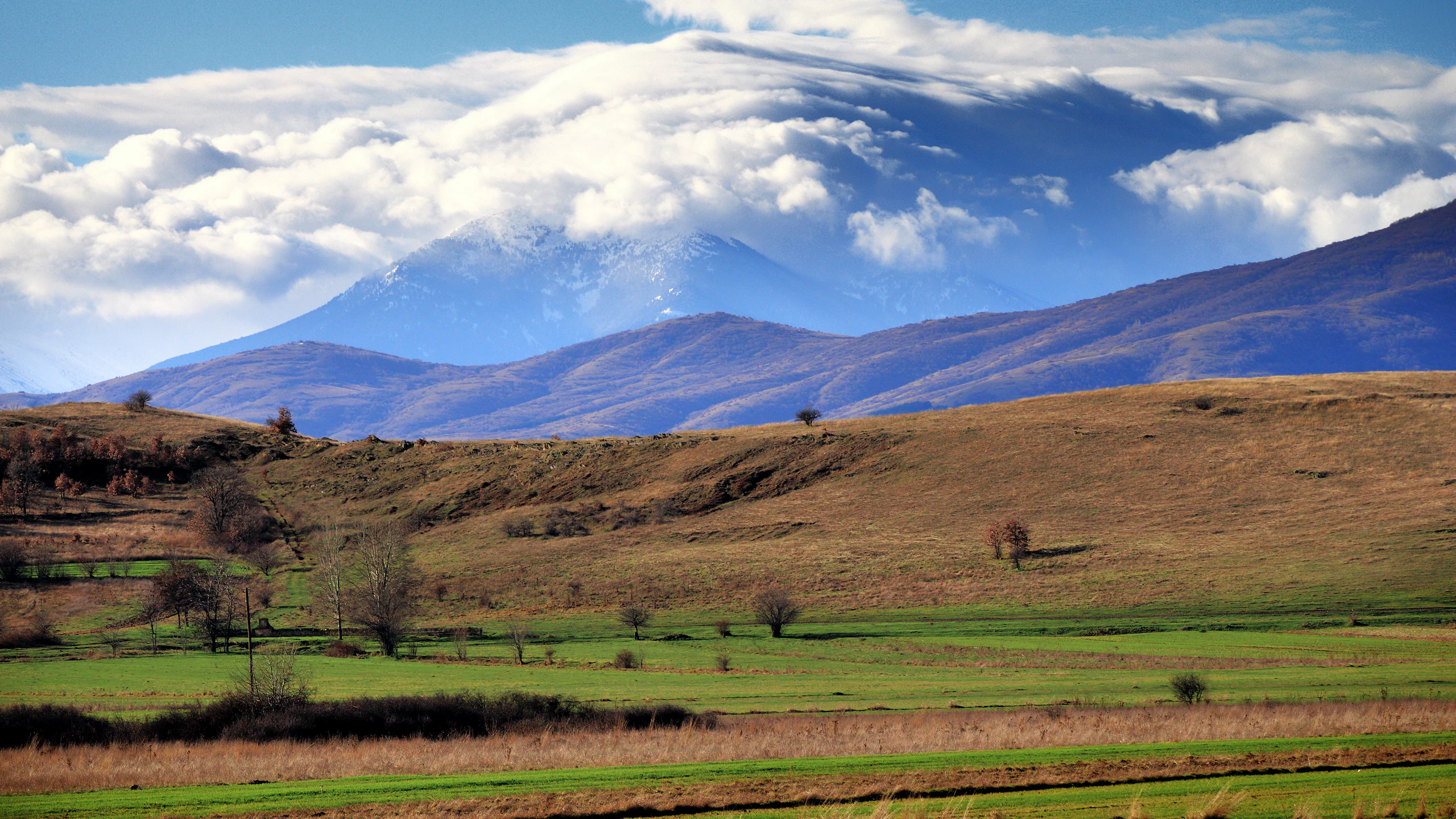
Pelister National Park combines exceptional natural heritage with historical significance as the Balkans' first national park. The park protects one of the world's finest examples of Macedonian pine forest, a Tertiary endemic that represents a living relic of ancient forest ecosystems. The geological formations—particularly the stone rivers—create otherworldly landscapes unique to this latitude. The two glacial lakes known as the Pelister Eyes add alpine beauty and support endemic trout populations. The park offers over 100 kilometers of marked trails for hiking, climbing, cycling, and skiing, making it one of North Macedonia's leading outdoor recreation destinations. With more than 1,050 plant species and significant populations of wolves, otters, and bearded vultures, the park represents a biodiversity hotspot in the central Balkans.
Best time to visit Pelister National Park
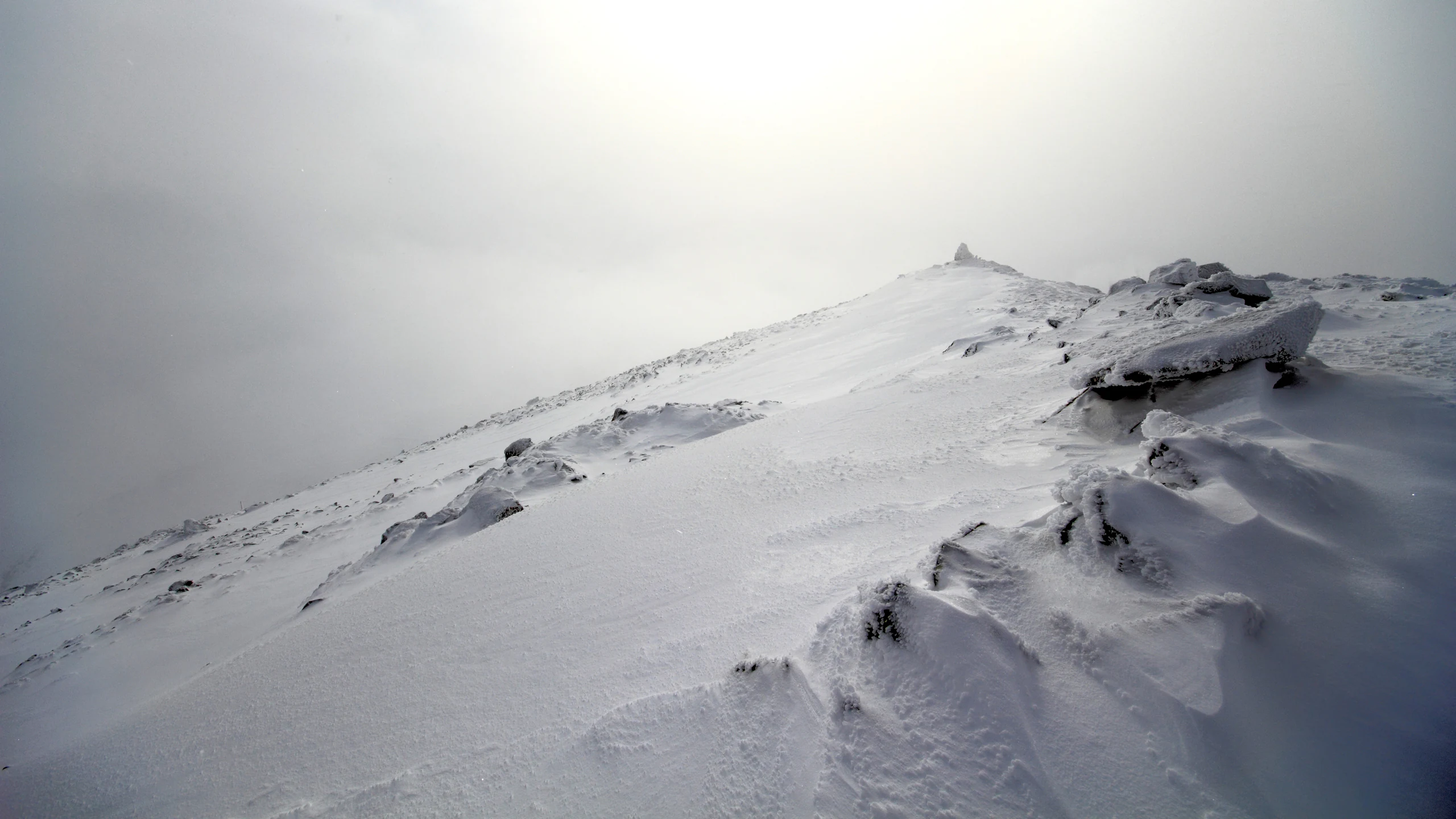
Pelister National Park offers distinct seasonal experiences throughout the year. The summer months from June through September provide the best conditions for hiking and exploring the park's diverse landscapes, with warm temperatures in the lower elevations and comfortable conditions at higher altitudes. The glacial lakes and alpine zones are most accessible during this period, and the Macedonian pine forests display their full vitality. Winter transforms the park into a ski destination, with the Pelister Giant Slalom event drawing visitors between December and March. Spring and autumn offer quieter visitation periods with different atmospheric qualities—spring brings wildflower displays in the meadows while autumn paints the forests in copper and gold hues. The shoulder seasons may present variable weather conditions but reward visitors with fewer crowds and the opportunity to experience the park's changing character.