
Why Pindus National Park stands out
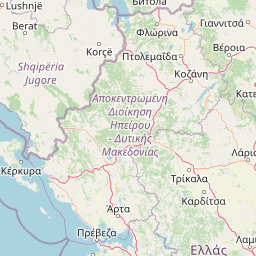
Pindus National Park is best known as one of only three locations in Greece that supports a viable population of Eurasian brown bears, a conservation priority species. The park's old-growth forests of European black pine and common beech, some exceeding 700 years in age, represent some of the most pristine woodland in the Pindus range. The area also supports exceptional biodiversity including lynx, Balkan chamois, wolves, and over 80 bird species including golden eagles, eastern imperial eagles, and eight woodpecker species. The dramatic landscape of the Valia Calda valley, flanked by towering peaks and traversed by clear mountain streams, offers one of Greece's most unspoiled wilderness experiences.
Pindus National Park history and protected-area timeline
Pindus National Park was established in 1966 as part of Greece's early efforts to protect representative samples of the country's mountain ecosystems. The area had long been known to local communities as Valia Calda, the 'Warm Valley', a reference to the relatively mild climate of the sheltered valley compared to the surrounding high ridges. Prior to formal protection, the forests were subject to logging and the valley was used for seasonal grazing. In 2003, administrative authority passed to the Northern Pindus Management Body, which oversees ecological management for a network of eight protected areas in the region. Archaeological evidence suggests the broader area has been inhabited since antiquity, with findings near Perivoli indicating use during Archaic and Classical periods, and settlements in the Vovousa-Perivoli area dating from Hellenistic through Late Roman times.
Pindus National Park landscape and geographic character
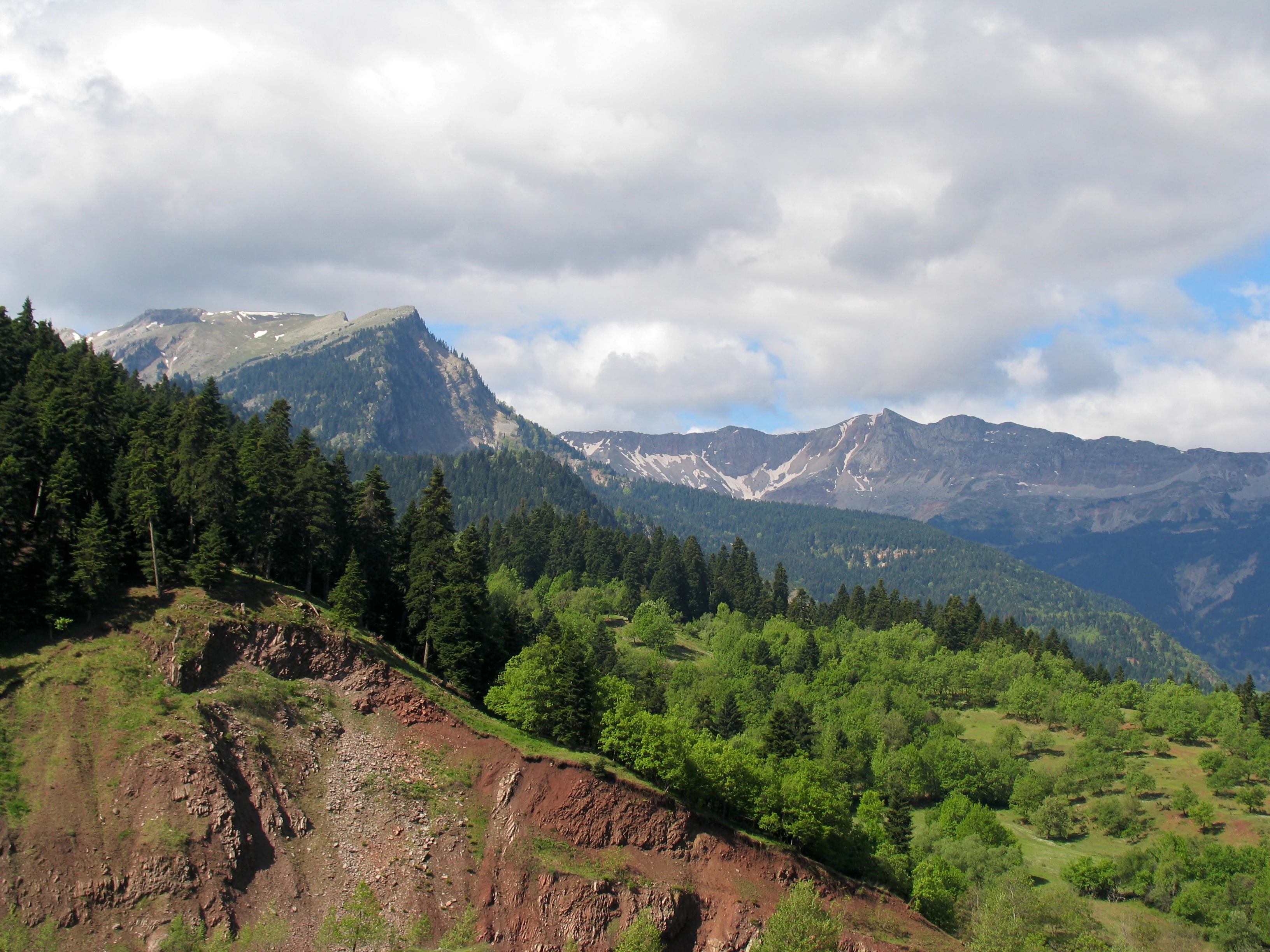
The physical landscape of Pindus National Park is characterized by dramatic alpine terrain featuring steep rocky ridges, deep valleys, and numerous peaks exceeding 2,000 metres. The Valia Calda valley forms the core of the park, a sheltered depression surrounded by peaks that create a distinctive microclimate. Prominent summits include Avgo at 2,177 metres, Kakoplevri at 2,160 metres, and Flegga at 2,159 metres, all forming part of the Lyngos mountain massif that encircles the valley. The terrain is traversed by clear mountain streams, including the Arkoudorema river and its tributaries Salatura and Zestorema, which flow through the valley before joining the Aoos river system. The underlying geological substrate is dominated by serpentine and peridotite formations, creating nutrient-poor soils that support specialized plant communities distinct from the surrounding limestone mountains.
Pindus National Park ecosystems, habitats, and plant life
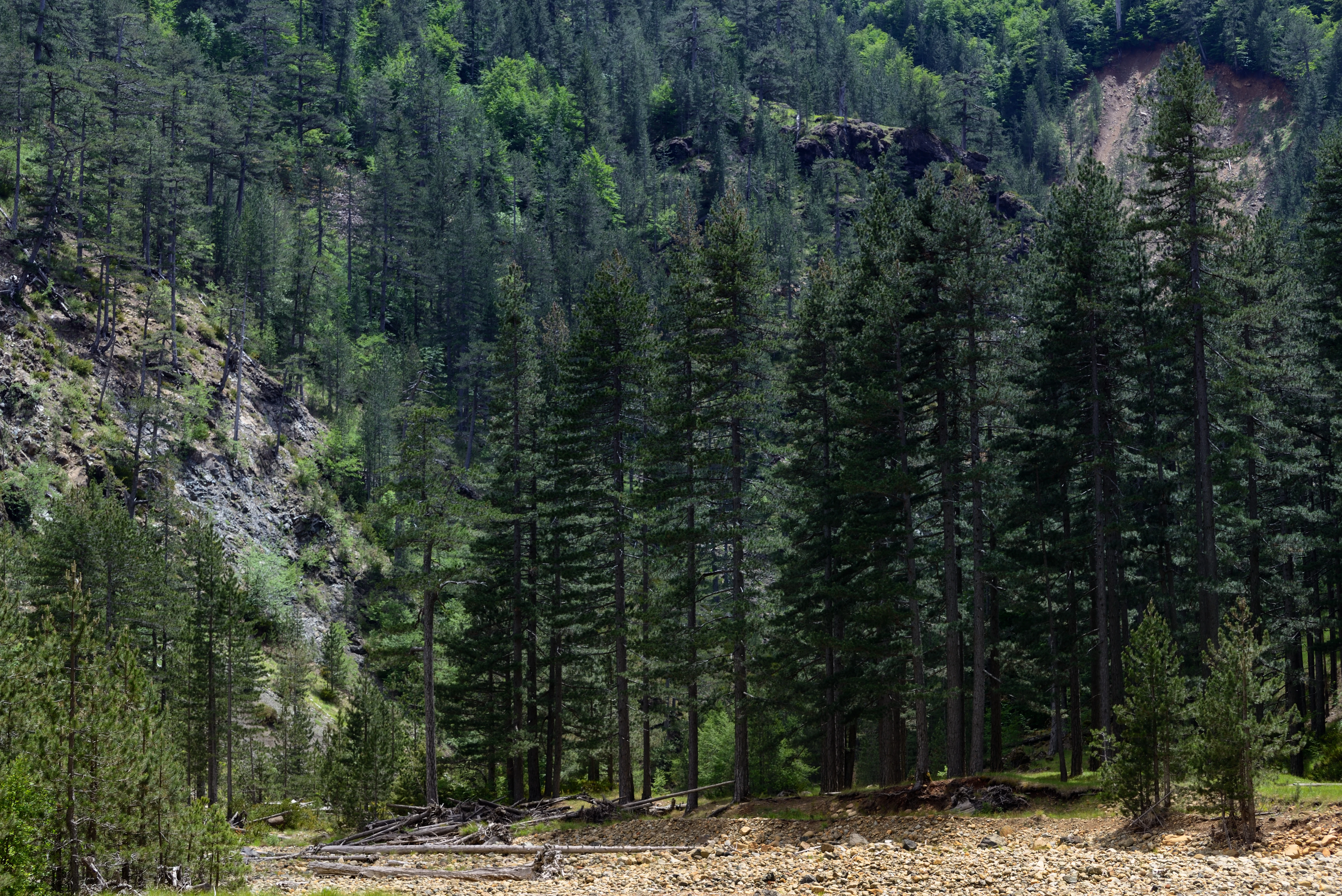
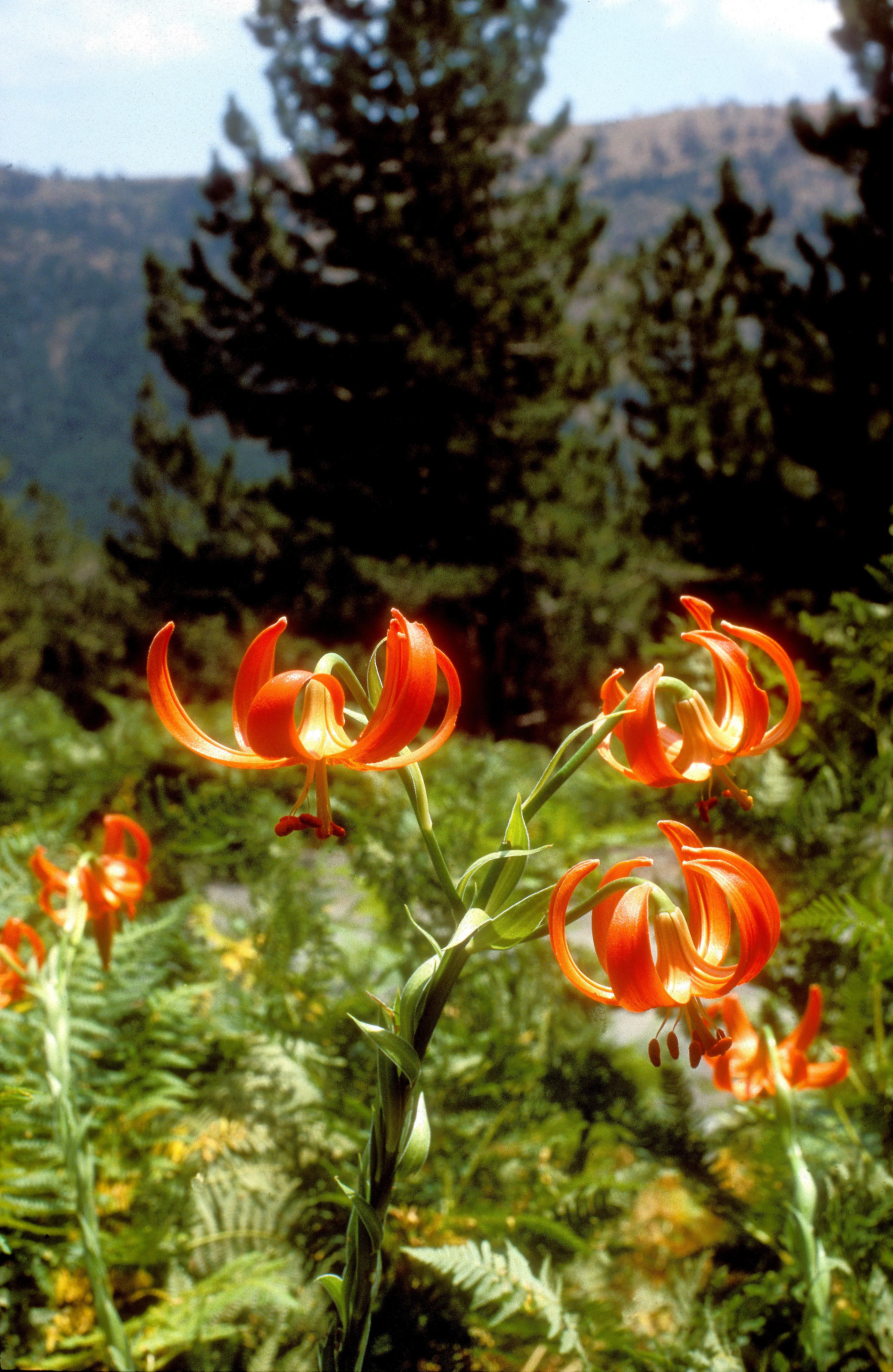
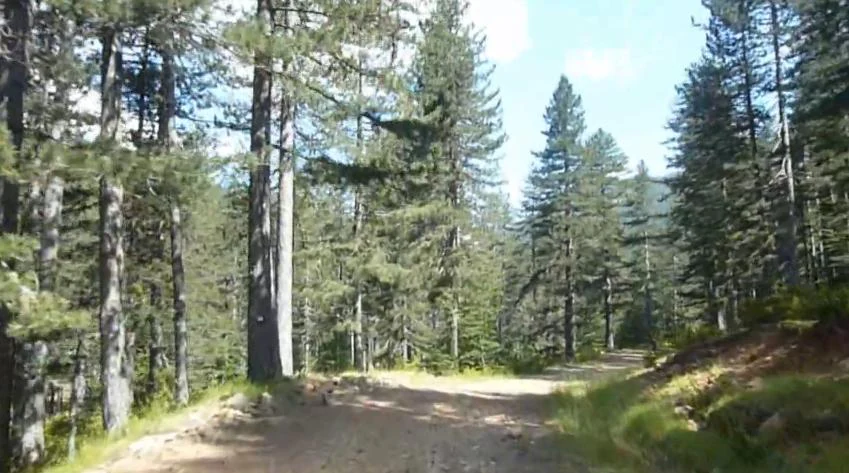
The ecological character of Pindus National Park is defined by a sequence of distinct vegetation zones reflecting the elevation gradient. European black pine and common beech forests dominate the lower and middle altitudes between 1,000 and 1,600 metres, with some trees exceeding 700 years old. Bosnian pine woodland becomes dominant at higher elevations between 1,600 and 1,900 metres, while the highest zones above 1,900 metres consist of treeless alpine meadows with specialized herbaceous vegetation. The park supports remarkable plant diversity with 415 documented plant species and 86 mushroom species. Many species are endemic to the Balkans or central and northern Greece, including Centaurea vlachorum, Minuartia baldacci, Campanula hawkinsiana, and Viola dukadjinica. The serpentine soils favor rare endemic species that cannot survive on more fertile substrates, making this one of Greece's most botanically significant protected areas.
Pindus National Park wildlife and species highlights
The wildlife of Pindus National Park is remarkable for the presence of several large mammal species that are rare or absent from most of Greece. The park is one of only three areas in the country supporting a population of Eurasian brown bears, whose conservation here is considered a priority. Other large mammals include lynx, roe deer, and European wildcat, the latter two particularly associated with the Flegga forest area. Wolves, beech martens, wild boars, and red squirrels are present year-round throughout the park. The Balkan chamois, a subspecies endemic to the Balkans, inhabits the steep rocky areas and beech forest zones, with population density varying from 3-5 to 20 individuals per 100 hectares depending on habitat quality. The clear mountain streams support healthy otter populations, while the avifauna includes over 80 species with notable raptors such as eastern imperial eagle, golden eagle, Levant sparrowhawk, and lanner falcon. The mature forests host eight woodpecker species, including white-backed, middle spotted, lesser spotted, and black woodpeckers.
Pindus National Park conservation status and protection priorities
Pindus National Park holds significant conservation importance at both national and European levels, forming part of the Natura 2000 network of protected areas. The core zone has been designated a biogenetic reserve by the European Council, with strict protections prohibiting woodcutting, grazing, hunting, fishing, and vehicle access. The park's conservation significance is underscored by its role as a refuge for species that have been lost from much of Greece, particularly the Eurasian brown bear population. However, the park faces ongoing challenges including proposals to divert the Arkoudorema river for hydroelectric development, which would flood portions of the forest and reduce the core zone. Grazing pressure in core areas and the presence of coal-producing units at the park's periphery also raise conservation concerns. Management has been complicated by insufficient expertise and the absence of a science-based management plan.
Pindus National Park cultural meaning and human context
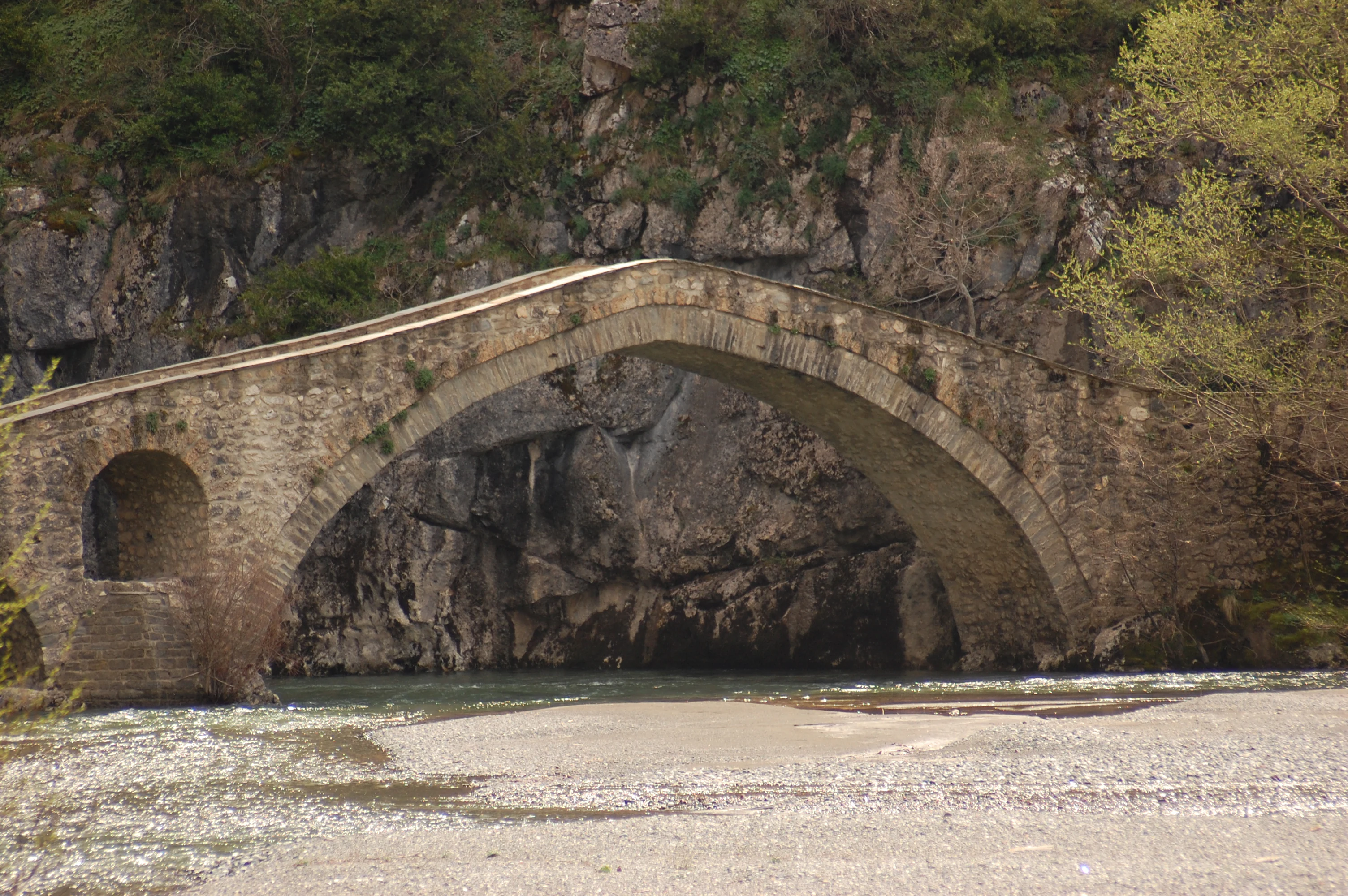
The area surrounding Pindus National Park has a rich cultural history reflecting its position as a mountain crossroads. The nearby villages of Vovousa, Perivoli, Milea, and Perivoli have been inhabited since antiquity, with archaeological findings near Perivoli revealing burial sites with bronze artifacts from the Archaic and Classical periods. During Ottoman rule, villages like Vovousa, Flambouriari, and Greveniti, as part of the Zagori region, enjoyed special administrative and economic privileges related to their control of mountain passes. The traditional economies of logging and nomadic livestock husbandry shaped both the landscape and the cultural identity of the region. The Aromanian name Valia Calda (Warm Valley) reflects the presence of Aromanian-speaking communities in the area. The park remains close to traditional mountain communities whose ancestors have inhabited these valleys for generations.
Top sights and standout views in Pindus National Park
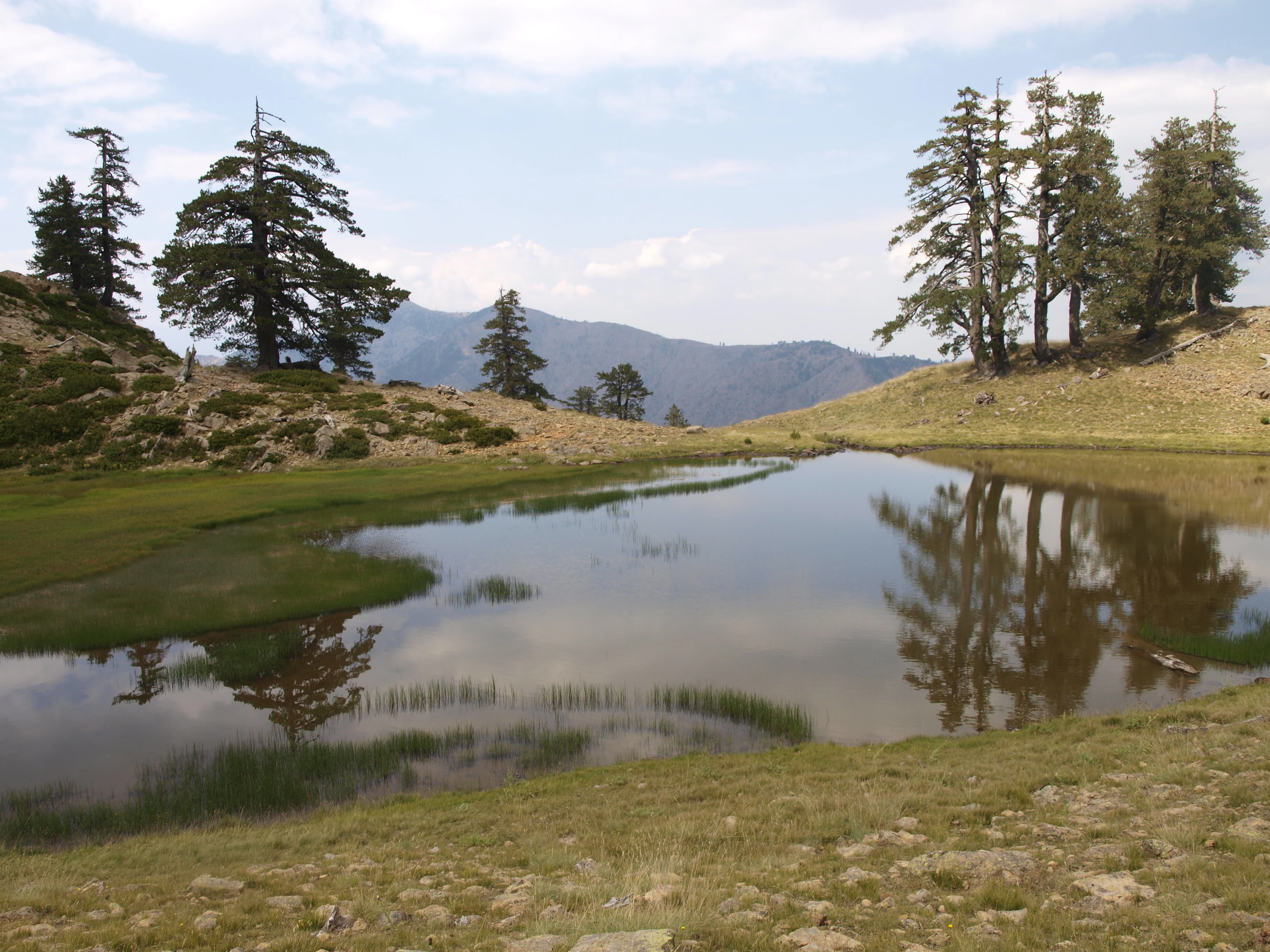
Pindus National Park offers exceptional wilderness qualities that distinguish it from other Greek protected areas. The Valia Calda valley, with its old-growth forests and dramatic mountain backdrop, represents one of the most unspoiled landscapes in mainland Greece. The presence of brown bears, lynx, and chamois makes this one of the best places in Greece for observing large mammals in their natural habitat. The avifauna is equally impressive, with eight woodpecker species and several rare raptors breeding in the area. The twin lakes known as 'Dragon Lakes' (Drakolimnes) beneath the Flegga peak, at an elevation of 1,960 metres, add to the landscape's distinctiveness. Despite these remarkable qualities, the park remains one of the least visited in Europe, offering a genuine wilderness experience for those who venture into this remote corner of the Pindus mountains.
Best time to visit Pindus National Park
The best time to visit Pindus National Park depends on what visitors hope to experience. Summer months (June through September) offer the most reliable access, with warm days, snow-free trails, and the opportunity to see wildlife in the alpine meadows. Autumn brings spectacular fall colours in the beech and pine forests and offers good wildlife viewing opportunities as animals become more active. Winter access is limited by snow and the closure of mountain roads, though the stark landscape has its own appeal for experienced winter visitors. Spring (April through May) sees melting snow, flowing waterfalls, and emerging wildflowers but can also bring unstable weather. The park is accessible year-round from the village of Perivoli in Grevena, though the climbing resort near Mavrovouni peak at 1,950 metres provides an ideal base for summer excursions.