
Why Vjosa Wild River National Park stands out
Vjosa Wild River National Park is best known as Europe's first Wild River National Park, a pioneering designation that protects an entire river ecosystem from source to sea. The park preserves one of the continent's last major free-flowing rivers, with its network of narrow canyons, natural rapids, islands, and meandering bends remaining largely untouched by dam construction or major hydrological alteration. The valley is Albania's biodiversity hotspot, supporting over 1,100 wildlife species including significant populations of otters, the endangered Egyptian vulture, and the critically endangered Balkan lynx, of which only an estimated 15 individuals remain. The river's tributaries, including the Drino and Shushicë, add ecological complexity to this protected landscape.
Vjosa Wild River National Park history and protected-area timeline
The Vjosa Wild River National Park was officially established on March 15, 2023, during a ceremony held in Tepelenë, Albania, attended by Prime Minister Edi Rama. This event marked the culmination of a multi-year initiative led by Albania's Ministry of Tourism and Environment in partnership with Patagonia, the International Union for Conservation of Nature, and numerous local environmental organizations. The declaration transformed the Vjosa River into Europe's first Wild River National Park, providing comprehensive protection for the river system under Albanian Law 81/2017 on Protected Areas. The protected status applies to the full length of the river within Albania, from its source to the Adriatic Sea, encompassing all major tributaries. This approach ensures that the river's ecological integrity remains intact, preserving natural flow patterns, aquatic habitats, and the species that depend on them. In 2025, the park received additional recognition when UNESCO designated it as a biosphere reserve through the World Network of Biosphere Reserves, acknowledging its significance for both conservation and sustainable development.
Vjosa Wild River National Park landscape and geographic character
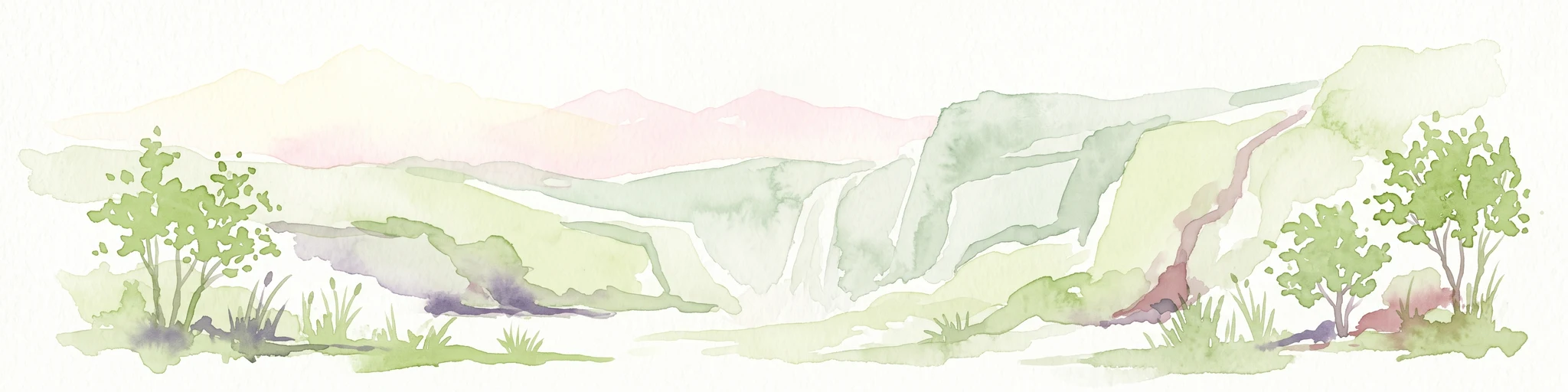
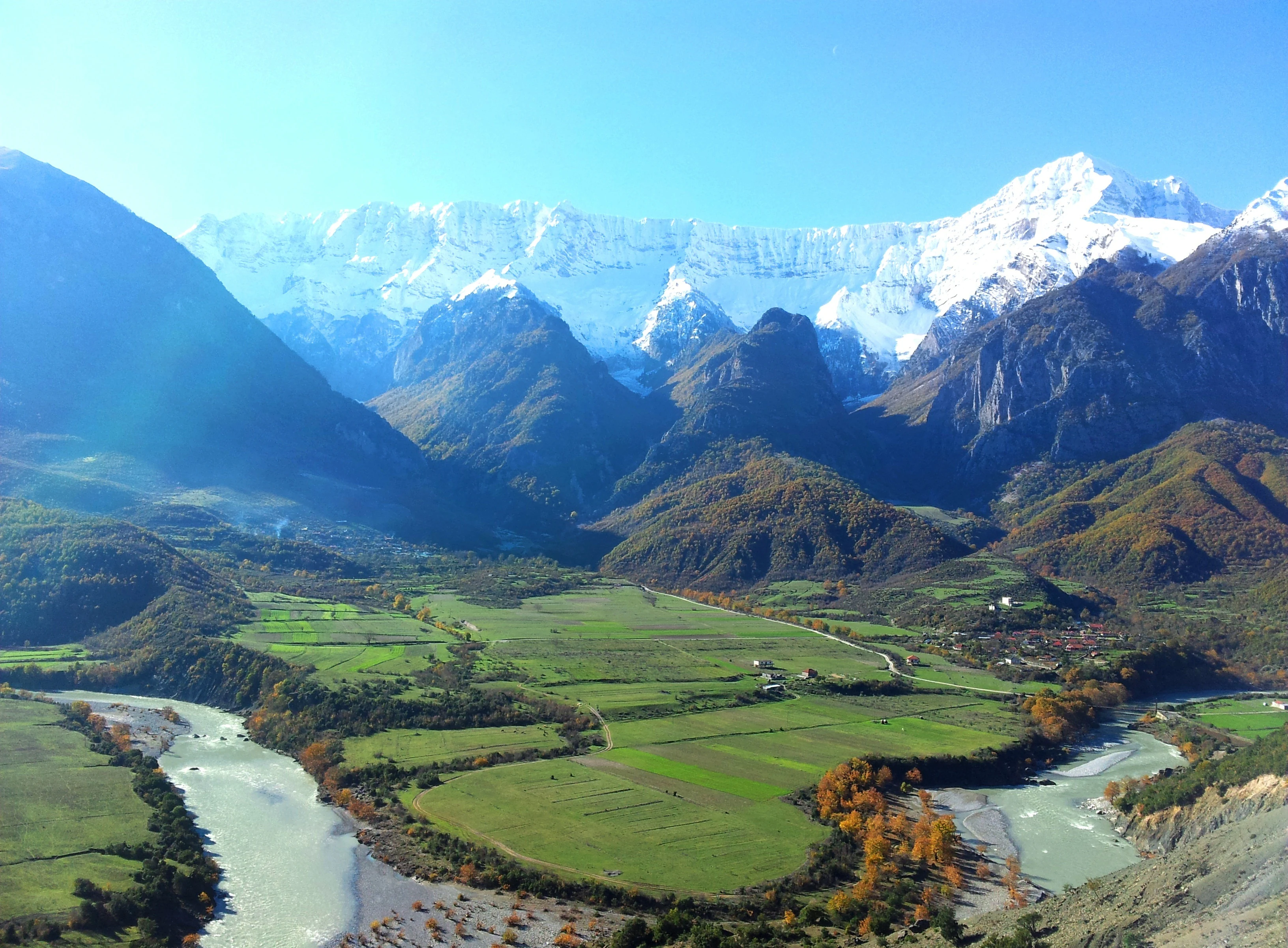
The Vjosa River traverses a landscape of remarkable topographic diversity as it flows from the mountains of southern Albania toward the Adriatic Sea. The river channel passes through narrow canyons carved over millennia, with steep rock walls rising above the rushing water. Natural rapids interrupt the flow at numerous points, creating the dynamic aquatic environment that characterizes this wild river system. The river forms islands and sandbars along its course, particularly in wider valley sections where the channel splits and recombines. Meandering bends create distinctive curves in the river's path, with the water erosion and deposition processes continuing to shape the landscape naturally. The surrounding terrain includes the Nemërçka mountain range, whose slopes descend toward the river valley. The combination of mountain backdrop, canyon walls, river rapids, and the ever-changing water channel creates a landscape of high scenic value that remains largely unaltered by human infrastructure.
Vjosa Wild River National Park ecosystems, habitats, and plant life
The Vjosa River valley represents Albania's most significant biodiversity hotspot, supporting exceptional concentrations of species across multiple taxonomic groups. The river system provides ideal aquatic habitats that sustain diverse communities of fish, invertebrates, and other aquatic organisms. The riparian corridors along the riverbanks support distinct vegetation communities adapted to the dynamic conditions of a free-flowing river system. The mix of canyon habitats, island environments, and floodplain areas creates a mosaic of ecological zones that supports both aquatic and terrestrial biodiversity. The protection of the entire river system, rather than isolated sections, ensures that the ecological processes linking different habitat types remain functional, from the mountain tributaries to the delta wetlands. This comprehensive approach to river protection preserves the natural connectivity that is essential for migratory fish species and other organisms that move through different parts of the river system during their life cycles.
Vjosa Wild River National Park wildlife and species highlights
The Vjosa Wild River National Park is home to over 1,100 species of wildlife, representing remarkable biodiversity for a river-based protected area. The park supports 257 bird species, 31 fish species, 70 mammal species, and 150 species of winged insects, with 13 of these species listed on the IUCN Red List of Threatened Species. The river's otter population represents a healthy apex predator in the aquatic food web, indicating good water quality and abundant prey species. The endangered Egyptian vulture inhabits the surrounding landscape, utilizing the canyon walls and open terrain for foraging and nesting. Perhaps most significantly, the park provides critical habitat for the critically endangered Balkan lynx, with an estimated population of only 15 individuals remaining in Albania. This small but precious population depends on the forested corridors and prey species found within the broader Vjosa ecosystem. The fish community in the river includes multiple species adapted to different river habitats, from fast-flowing rapids to slower pools, contributing to the overall ecological complexity of the system.
Vjosa Wild River National Park conservation status and protection priorities
Vjosa Wild River National Park represents a paradigm shift in river conservation by protecting an entire river ecosystem as a single, coherent unit. The IUCN Category II designation provides robust legal protection against threats such as dam construction, gravel extraction, and other activities that would fragment or degrade the river system. This approach recognizes that meaningful river conservation cannot be achieved by protecting isolated segments alone; the entire river corridor must be maintained in a functional state to preserve ecological integrity. The inclusion of all major tributaries, including the Drino, Kardhiq, Bënçë, and Shushicë, ensures that the upstream sources and headwater habitats receive the same level of protection as the main river channel. The UNESCO biosphere reserve designation in 2025 further elevates the international significance of this protected area, acknowledging its role in conserving biological diversity while potentially supporting sustainable development in the surrounding region. The Vjosa model has already inspired similar conservation initiatives elsewhere in Europe, demonstrating that protecting free-flowing rivers remains achievable even in regions with significant development pressure.
Vjosa Wild River National Park cultural meaning and human context
The Vjosa River has been a formative element in the human landscape of southern Albania for centuries, with the river valley supporting agricultural communities, traditional settlements, and historical transport routes. The town of Tepelenë, located near the park's boundary, serves as a traditional gateway to the river valley and surrounding mountain regions. Local communities along the river have historically depended on its resources for fishing, irrigation, and livestock husbandry, creating cultural connections to the river that extend across generations. The river corridor likely contains archaeological evidence of human settlement dating back to ancient periods, given the long history of habitation in this region of the Balkans. The designation of the park as a protected area aims to balance conservation objectives with the continued wellbeing of local populations, recognizing that the river's health is intrinsically linked to the social and economic vitality of surrounding communities. The protection of the Vjosa ensures that future generations will continue to experience this living river system, maintaining the cultural and ecological connections that have defined this landscape.
Top sights and standout views in Vjosa Wild River National Park
Vjosa Wild River National Park stands as Europe's pioneering wild river protection project, preserving 190 kilometers of free-flowing river through dramatic canyon landscapes. The park safeguards Albania's highest biodiversity concentration, with over 1,100 species including the critically endangered Balkan lynx and endangered Egyptian vulture. The protection extends from the river's source to its delta, encompassing tributaries that maintain ecological connectivity throughout the system. The 2023 establishment represents decades of advocacy culminating in a model for entire-river protection that has attracted international attention and support. The dramatic scenery of narrow canyons, natural rapids, and meandering islands creates one of Europe's most visually striking river landscapes.
Best time to visit Vjosa Wild River National Park
The Vjosa Wild River National Park can be explored throughout the year, though different seasons offer distinct experiences for visitors. Spring and early summer bring higher water flows from snowmelt in the mountains, creating more impressive rapids and a lush green landscape along the riverbanks. These seasons also correspond with peak bird activity as migratory species return to the region. Autumn offers comfortable temperatures and reduced water levels that may improve visibility for river-based activities, while the changing foliage adds color to the canyon walls and surrounding terrain. Winter months see lower visitor numbers and a quieter atmosphere, though some facilities may have reduced services. The river valley's relatively low elevation compared to surrounding mountains means that winter conditions are generally milder than in higher altitudes. Visitors interested in wildlife viewing should note that the Balkan lynx remains extremely elusive year-round, and sightings cannot be guaranteed regardless of season.