
Why Kopaonik National Park stands out
Kopaonik is renowned as one of Serbia's most significant biodiversity centers, particularly for endemic plant species found only within its boundaries. The park preserves the Kopaonička Čuvarkuća (Sempervivum kopaonicense), Pančićeva Potočarka (Cardamine pancicii), and Kopaonička Ljubičica (Viola copanicensis), species that exist nowhere else on the planet. The Pančić Mausoleum at the summit of Pančićev Peak (2,017m) honors the botanist who first documented many of these endemic species. The park also protects important wildlife including the peregrine falcon, golden eagle, eagle owl, wildcat, and roe deer, along with relic and endangered plant species of European conservation significance.
Kopaonik National Park history and protected-area timeline
Kopaonik was designated as a national park in 1981, elevating formal protection over a mountain landscape that had long been recognized for its natural significance. The establishment reflected growing post-war appreciation for Serbia's natural heritage and the need to preserve ecological systems facing increasing development pressures.
The mountain's scientific importance was established much earlier through the work of Josif Pančić, Serbia's pioneering botanist who extensively studied the Kopaonik flora in the 19th century. His systematic documentation of the mountain's unique plant life—including numerous endemic species—laid the scientific foundation for understanding the site's biodiversity significance. The Pančić Mausoleum at the summit of the mountain commemorates this foundational contribution to Serbian botany and symbolizes the enduring connection between scientific discovery and conservation.
Beyond its ecological significance, Kopaonik has served as an important cultural and recreational landscape for Serbia. The mountain has been a destination for outdoor recreation, scientific study, and spiritual retreat throughout modern Serbian history. The establishment of the national park formalized mechanisms for balancing continued public access with ecological preservation.
Kopaonik National Park landscape and geographic character
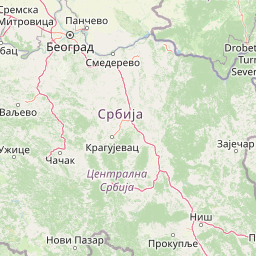
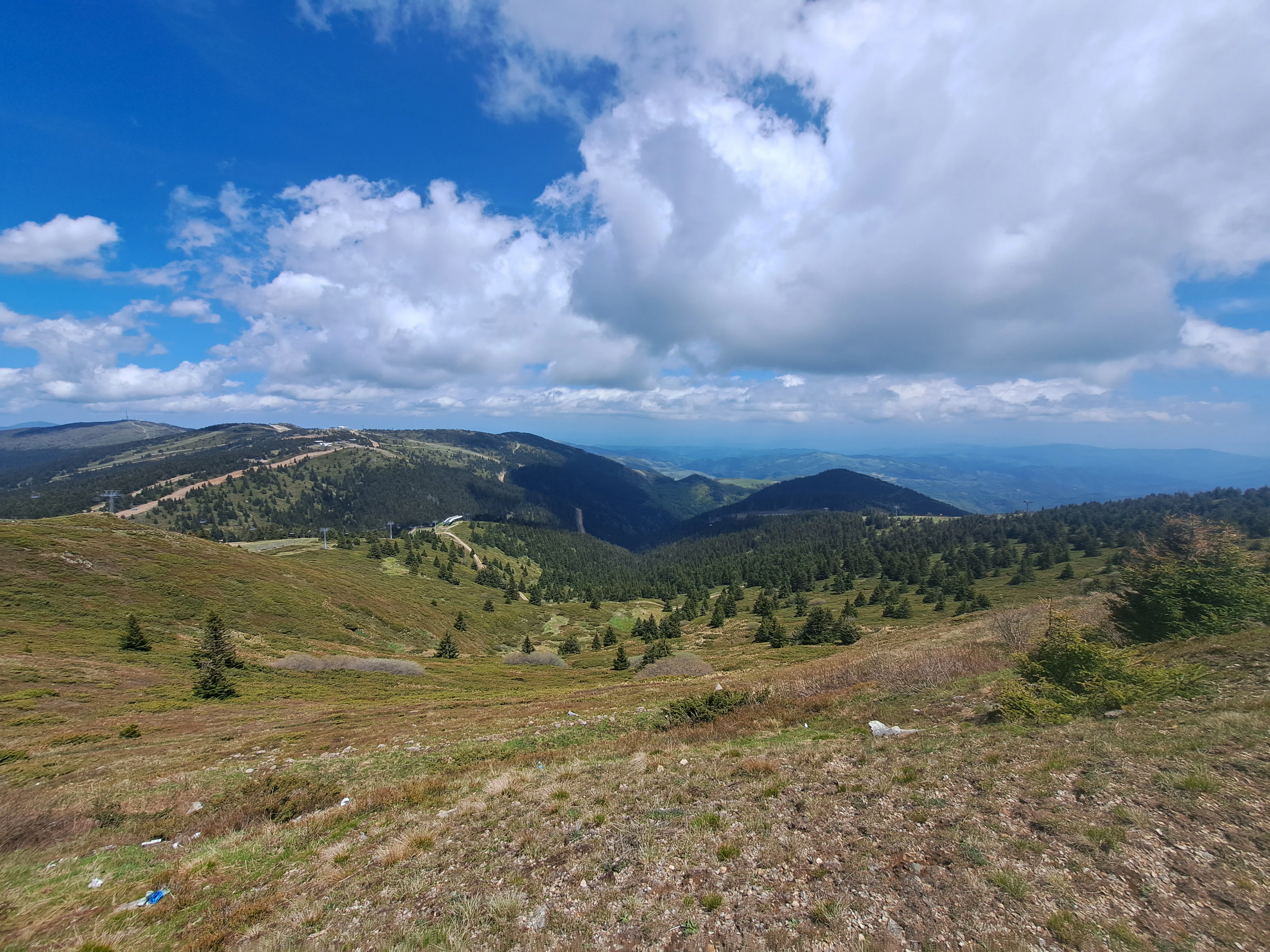
The physical landscape of Kopaonik National Park is defined by a massive horst-type mountain block that rises abruptly from the surrounding terrain. The core of the park centers on the broad, relatively flat plateau of Ravni Kopaonik, which spans the central highland area. Around this plateau, the terrain ascends to dramatic ridgelines and individual peaks that characterize the mountain's silhouette.
The geological foundation consists primarily of crystalline rocks—primarily granites and gneisses—with significant areas of metamorphic formations. This geological diversity contributes to varied soil types and influences the distribution of vegetation communities. The terrain exhibits a combination of smooth, rolling summit surfaces and steeper, more rugged slopes and rock formations.
Valley systems cut through the mountain mass, creating drainage patterns that have carved deeper incisions in some areas. The Samokovska Reka and Barska Reka rivers flow through the park, contributing to the hydrological character and providing habitat for riparian communities. Rock formations and cliffs in certain areas create distinctive geological features that contrast with the more rounded summit profiles.
Kopaonik National Park ecosystems, habitats, and plant life
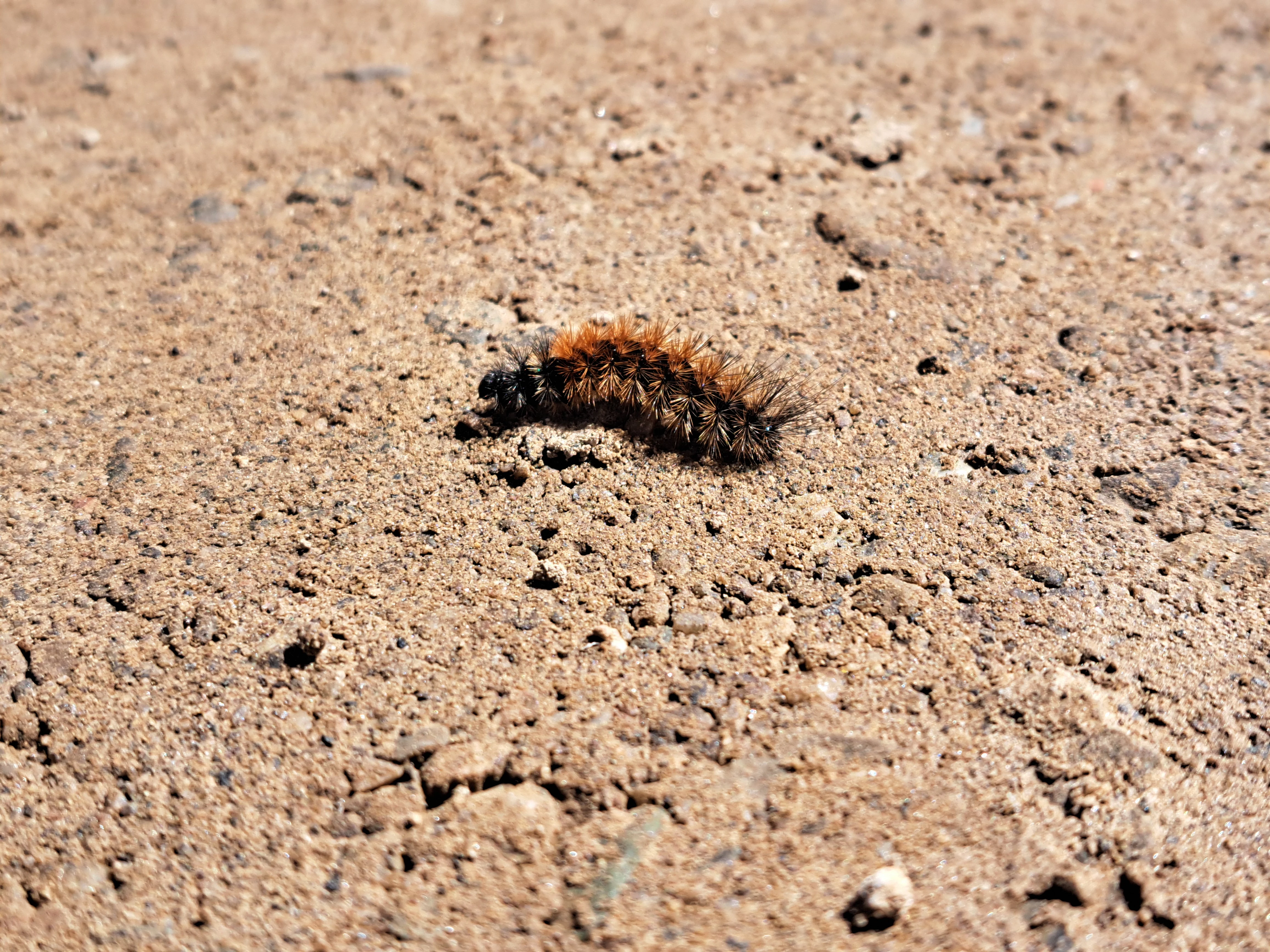
The ecological character of Kopaonik reflects the convergence of several biogeographic influences and the mountain's unique environmental conditions. The forest communities display clear altitudinal zonation: oak and beech forests dominate the lower and middle elevations, while spruce and fir form extensive coniferous forests at higher altitudes. Mountain maple occurs in transitional zones, and pine communities are present in specific habitats.
The significance of Kopaonik as a biodiversity center derives primarily from its exceptional concentration of endemic plant species—those found nowhere else on Earth. The Kopaonička Čuvarkuća, Pančićeva Potočarka, and Kopaonička Ljubičica represent the most notable endemic taxa, but the park supports numerous additional species of restricted distribution. Many of these species represent relict lineages—survivors from earlier geological periods that have persisted in favorable microhabitats within the mountain ecosystem.
The diverse forest communities and subalpine meadows support complex animal communities, with the park providing crucial habitat for species requiring large territories or specific habitat conditions. The presence of species such as the peregrine falcon and golden eagle indicates healthy predator populations and intact ecological relationships.
Kopaonik National Park wildlife and species highlights
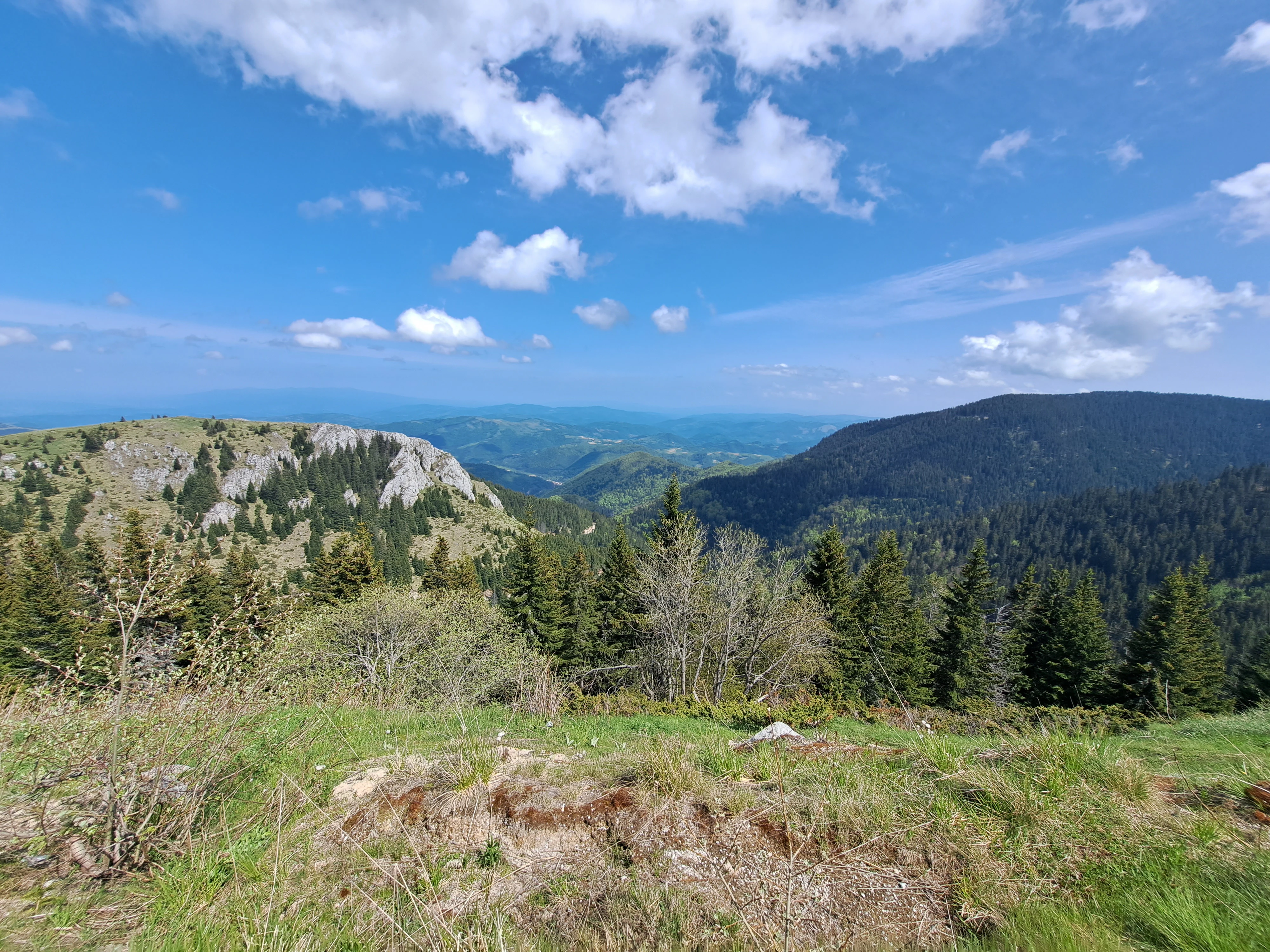
The wildlife communities of Kopaonik National Park include several species of notable conservation significance. Raptors occupy prominent positions in the park's fauna, with the peregrine falcon (Falco peregrinus) and golden eagle (Aquila chrysaetos) representing apex predators of the aerial hunting guild. The eagle owl (Bubo bubo), one of Europe's largest owl species, inhabits the rocky sections and forest edges.
Among mammals, the wildcat (Felis silvestris) and roe deer (Capreolus capreolus) occur within the park boundaries, representing species that require relatively intact forest habitats. The forested environments provide cover and foraging opportunities for numerous additional mammal species, though detailed community inventories are limited in available sources.
The diversity of habitats—from forest floors through canopy layers to open meadows and rocky outcrops—supports varied invertebrate communities that form the base of food webs throughout the ecosystem.

Kopaonik National Park conservation status and protection priorities
Kopaonik National Park represents one of Serbia's most important conservation designations, protecting a mountain ecosystem that harbors exceptional biodiversity. The park's significance stems primarily from its concentration of endemic plant species, many of which are known only from this mountain and face conservation challenges related to their restricted distributions.
The protected area encompasses multiple specialized reserves—698 hectares distributed among 11 nature reserves and 26 natural monuments—that receive enhanced protection within the broader park framework. These areas preserve representative examples of the park's key habitat types, geological features, and hydrological systems.
Several plant species within the park appear in international conservation categories, including vulnerable species such as Scots pine (Pinus sylvestris) and various orchid species. The edelweiss (Leontopodium alpinum), an iconic alpine plant, occurs in the park and receives protection under Serbian regulations. The presence of these species connects Kopaonik to broader European conservation networks and emphasizes the park's role in maintaining biodiversity beyond Serbia's borders.
Kopaonik National Park cultural meaning and human context
The cultural significance of Kopaonik extends beyond ecological considerations to encompass scientific history and national identity. The mountain's association with Josif Pančić—the foundational figure of Serbian botany—creates a direct connection between the landscape and the development of natural science in Serbia. His documentation of endemic species and the subsequent construction of his mausoleum at the summit transformed the mountain into a site of scientific pilgrimage.
The mountain has long served as a recreational and wellness destination, with documented use for hiking,矿物 springs, and seasonal migration. The nickname "Sunny Mountain" reflects both the objective climatic conditions and the mountain's cultural role as a place of light, health, and renewal in Serbian tradition. The settlement of Raška in the vicinity maintains historical connections to the mountain landscape that predate modern conservation designations.
Top sights and standout views in Kopaonik National Park
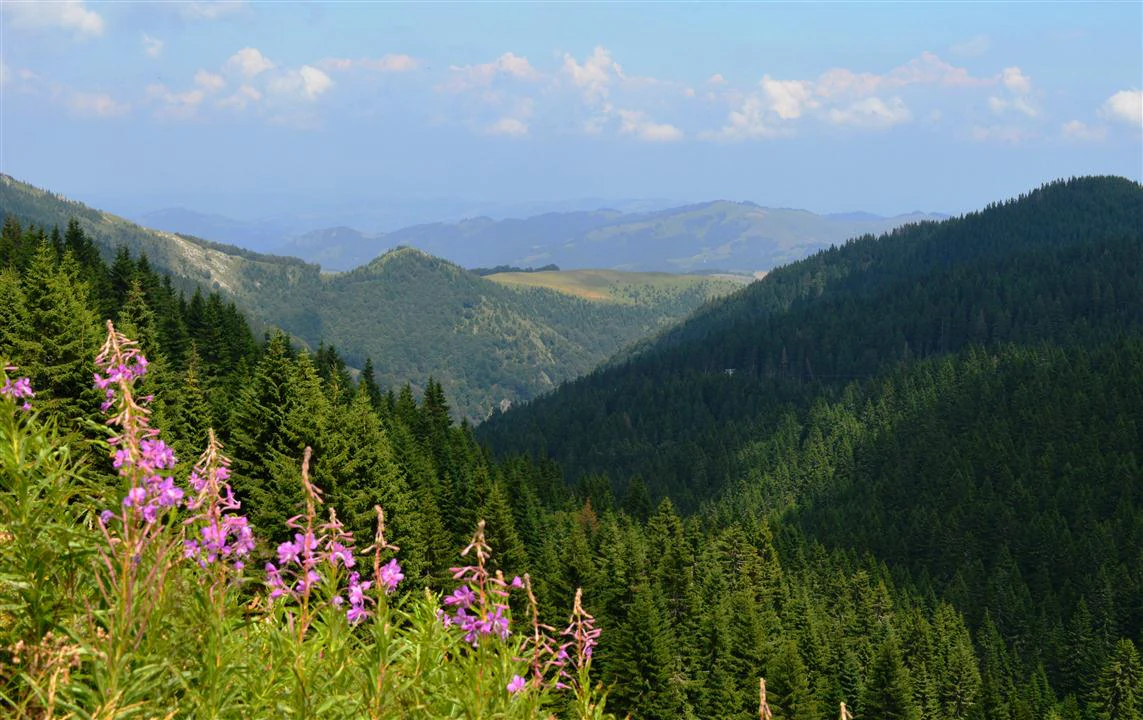
Kopaonik National Park protects one of the Balkans' most significant endemic biodiversity centers, with plant species like the Kopaonička Čuvarkuća and Pančićeva Potočarka found nowhere else on Earth. The park encompasses Serbia's highest mountain plateau and peaks exceeding 2,000 meters, with the Pančić Mausoleum at the summit commemorating the botanist who discovered many endemic species. The mountain's exceptional sunshine—nearly 200 clear days annually—creates distinctive conditions supporting diverse forest and meadow communities from oak-beech through spruce-fir to subalpine grasslands. The park contains 11 nature reserves and 26 natural monuments preserving critical habitats across its 11,810-hectare extent, protecting species of European conservation concern including edelweiss and numerous orchid species.
Best time to visit Kopaonik National Park
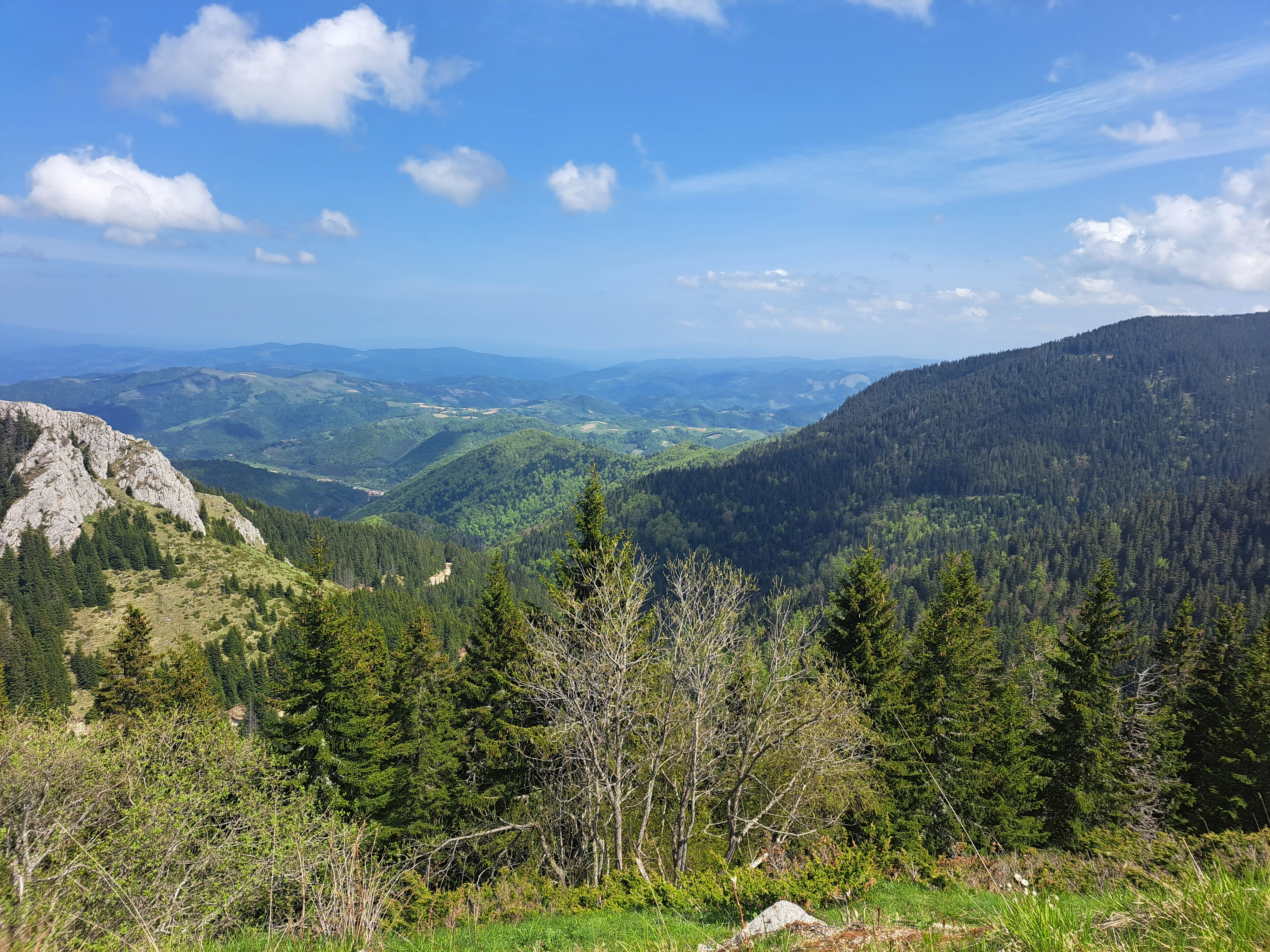
The optimal seasons for experiencing Kopaonik National Park depend on visitor interests. Summer months (June through August) offer the most accessible trail conditions and the full display of alpine meadows in bloom, with the extended daylight and warm temperatures suitable for extended hiking. The snow-free period typically begins in late May and extends through October, providing approximately five months of relatively stable conditions for outdoor activities.
Winter transforms the park into a skiing destination, with the snow cover from late November through May creating conditions for winter sports. The consistent sunshine during this period—part of the mountain's character as the "Sunny Mountain"—provides unexpectedly bright conditions even in colder months. The shoulder seasons of spring and autumn offer different ecological displays, with spring bringing flower blooms at lower elevations while autumn paints the forests in rich colors. The park's high elevation means that weather conditions can change rapidly regardless of season, requiring appropriate preparation.