Why Ovčar-Kablar Gorge stands out
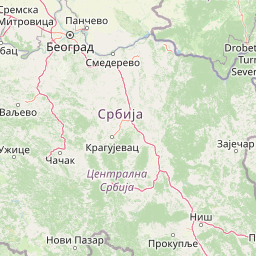
Ovčar-Kablar Gorge is best known for its extraordinary concentration of Serbian Orthodox monasteries, a spiritual corridor dating back to the 14th century that has earned it comparison to Mount Athos in Greece. The gorge's three dramatic river meanders, known as "pinched meanders," create visually stunning bends in the West Morava as it cuts between the steep cliffs of Ovčar and Kablar mountains. The area combines natural geological significance, epigenetic gorge formation through karst limestone, with remarkable cultural heritage, where monastery complexes are embedded directly into the dramatic landscape. The hot spring spa of Ovčar Banja adds a wellness dimension to the gorge's attractions, while the hydroelectric reservoirs created in 1954 have become recreational lakes. The gorge represents a rare example where natural landscape, geological processes, spiritual heritage, and recreational use converge in a relatively compact area.
Ovčar-Kablar Gorge history and protected-area timeline
The monastic history of Ovčar-Kablar Gorge began in the early 14th century following the Catalan Company's raids on Byzantine Mount Athos between 1307 and 1309. Serbian Orthodox clergy fled the peninsula and sought refuge in the relatively safe valley of the West Morava, beginning construction of the first monasteries in the gorge. A significant wave of monastery building occurred after the decisive Ottoman victory over Serbian forces at the Battle of Maritsa in 1371, as more clergy sought sanctuary in the gorge's protected terrain. During the Ottoman occupation period from the 15th through 18th centuries, the monastery complex continued to develop, with most surviving structures dating from this era.
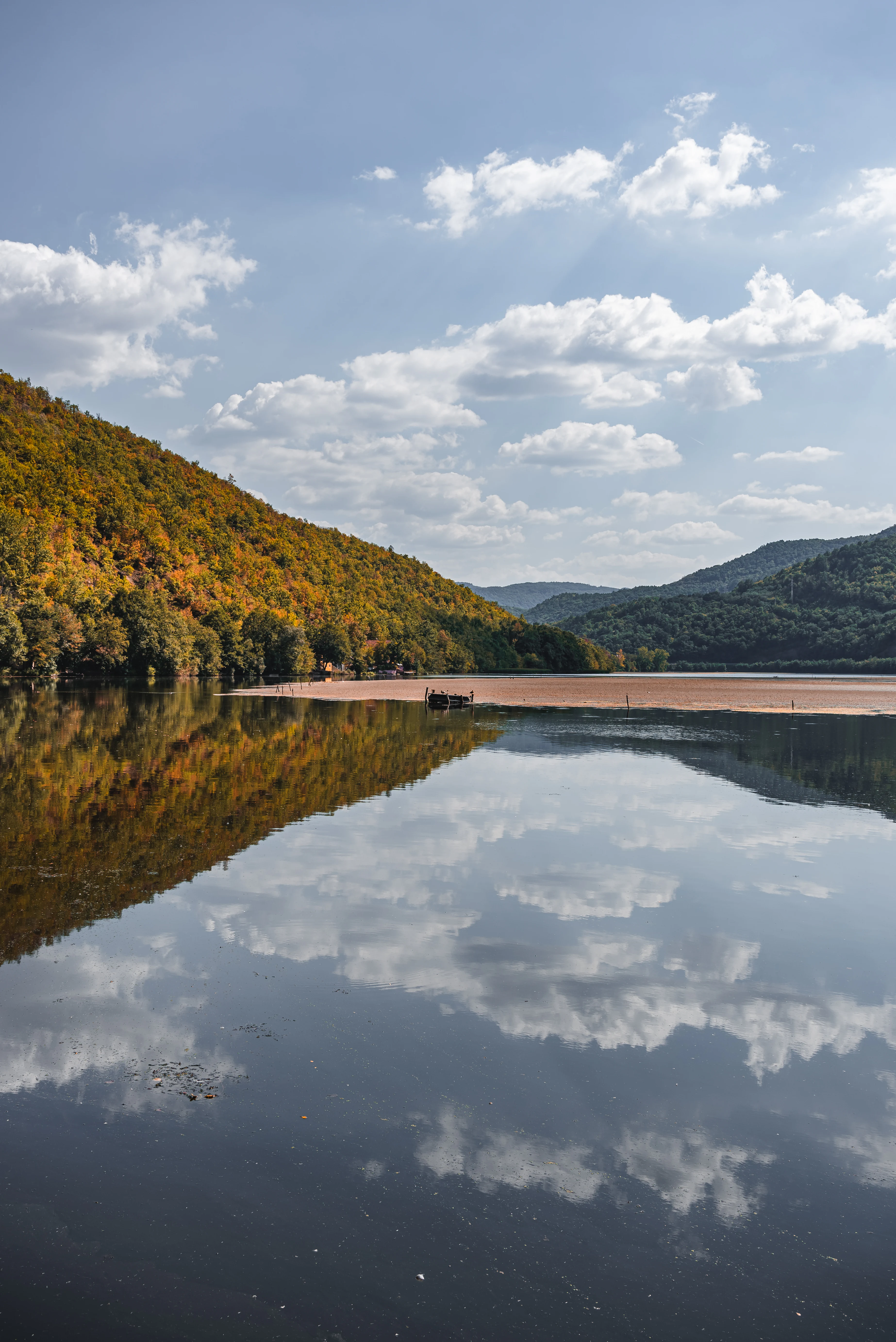
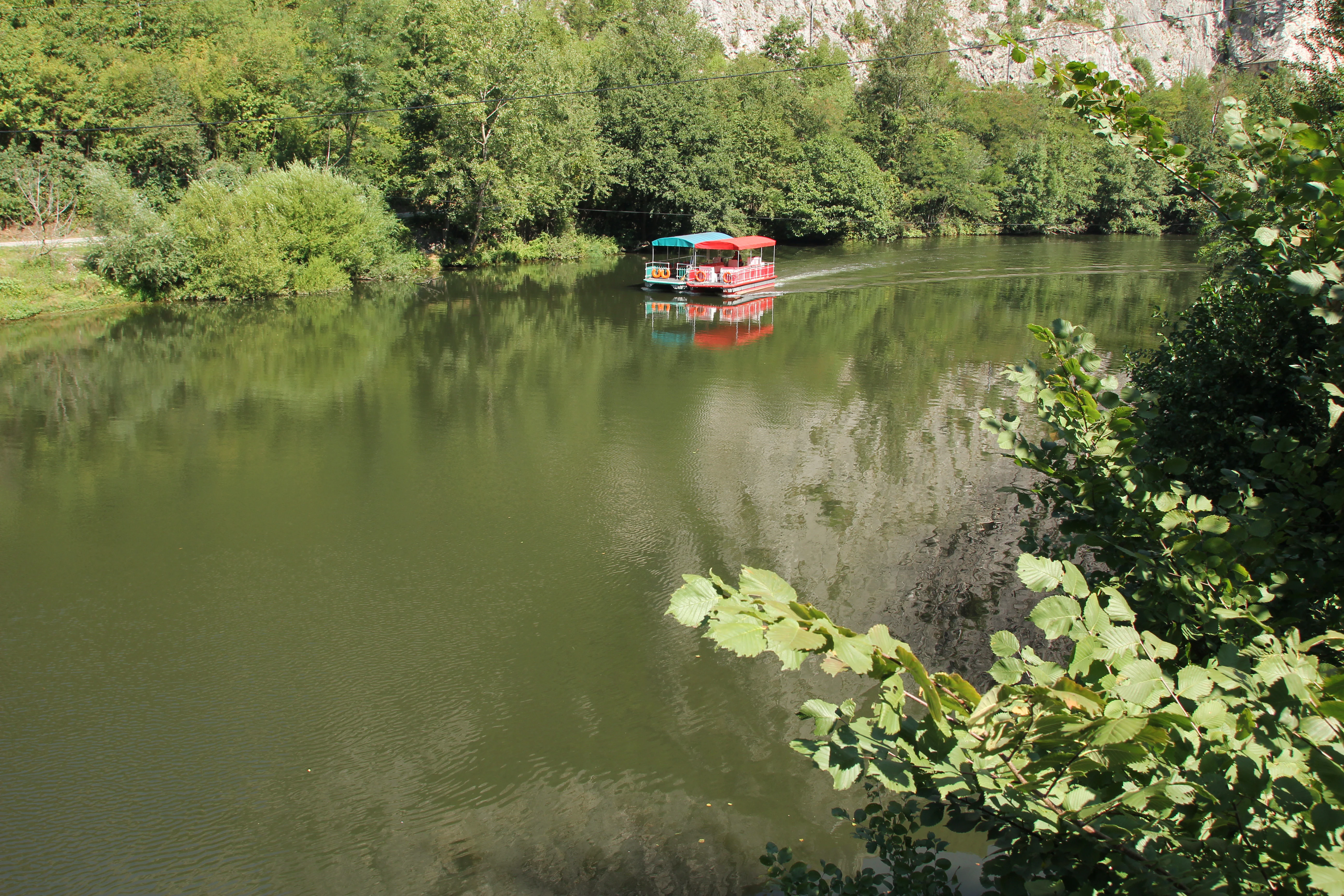
In the modern period, the gorge faced significant transformation in 1954 when the West Morava was dammed to create hydroelectric power. Two dams were constructed, forming Kablar Lake and the larger Međuvršje Lake spanning 1.5 square kilometers. The Saint John the Baptist monastery, which had served as the administrative center for all gorge monasteries, was inundated by the rising waters and finally flooded in 1959. The spa town of Ovčar Banja developed alongside the monasteries, with its thermal sulfuric springs attracting visitors seeking treatment for rheumatism and nerve diseases. In 2001, the Yugoslav (now Serbian) government declared the Ovčar-Kablar Gorge a protected natural monument, establishing the Landscape of Outstanding Features designation that preserves 25 square kilometers. Recent proposals for a glass skywalk in the gorge have generated controversy, with conservationists opposing the project on environmental grounds.
Ovčar-Kablar Gorge landscape and geographic character
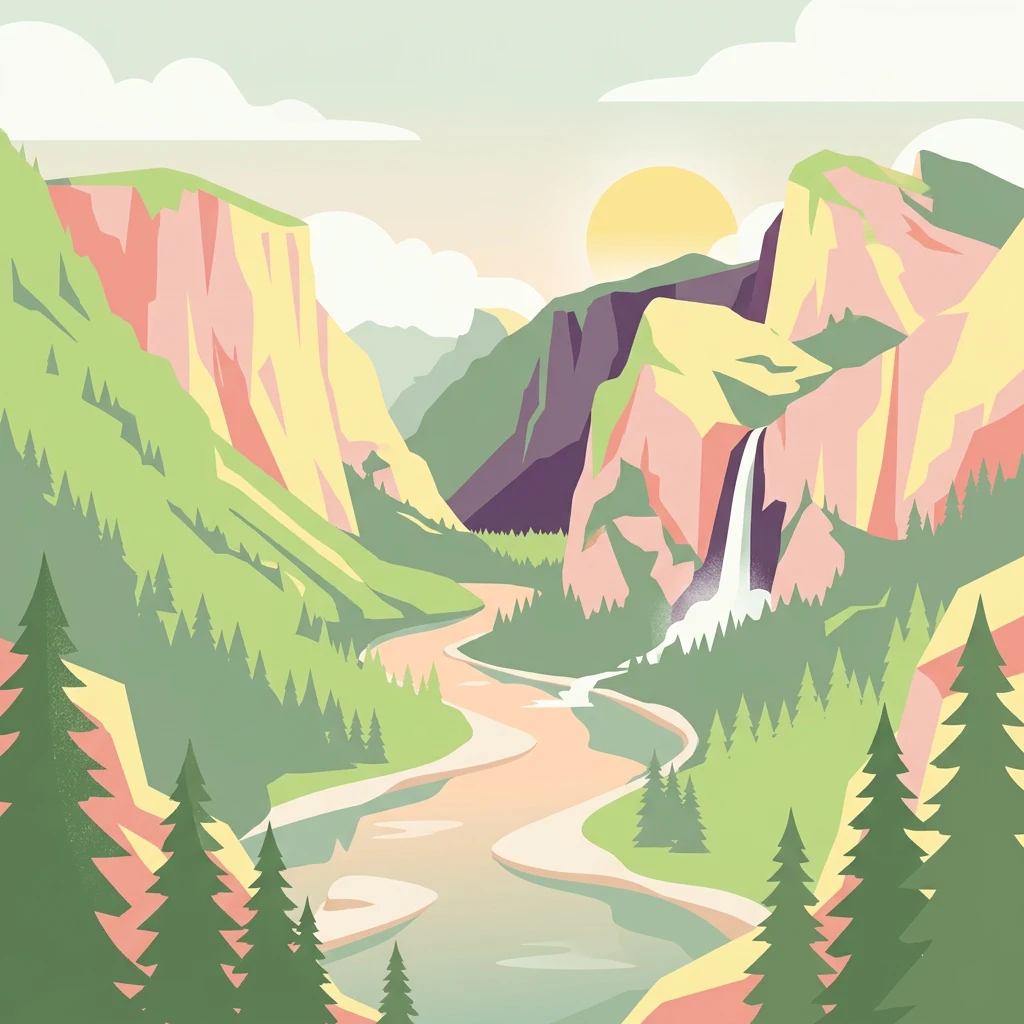
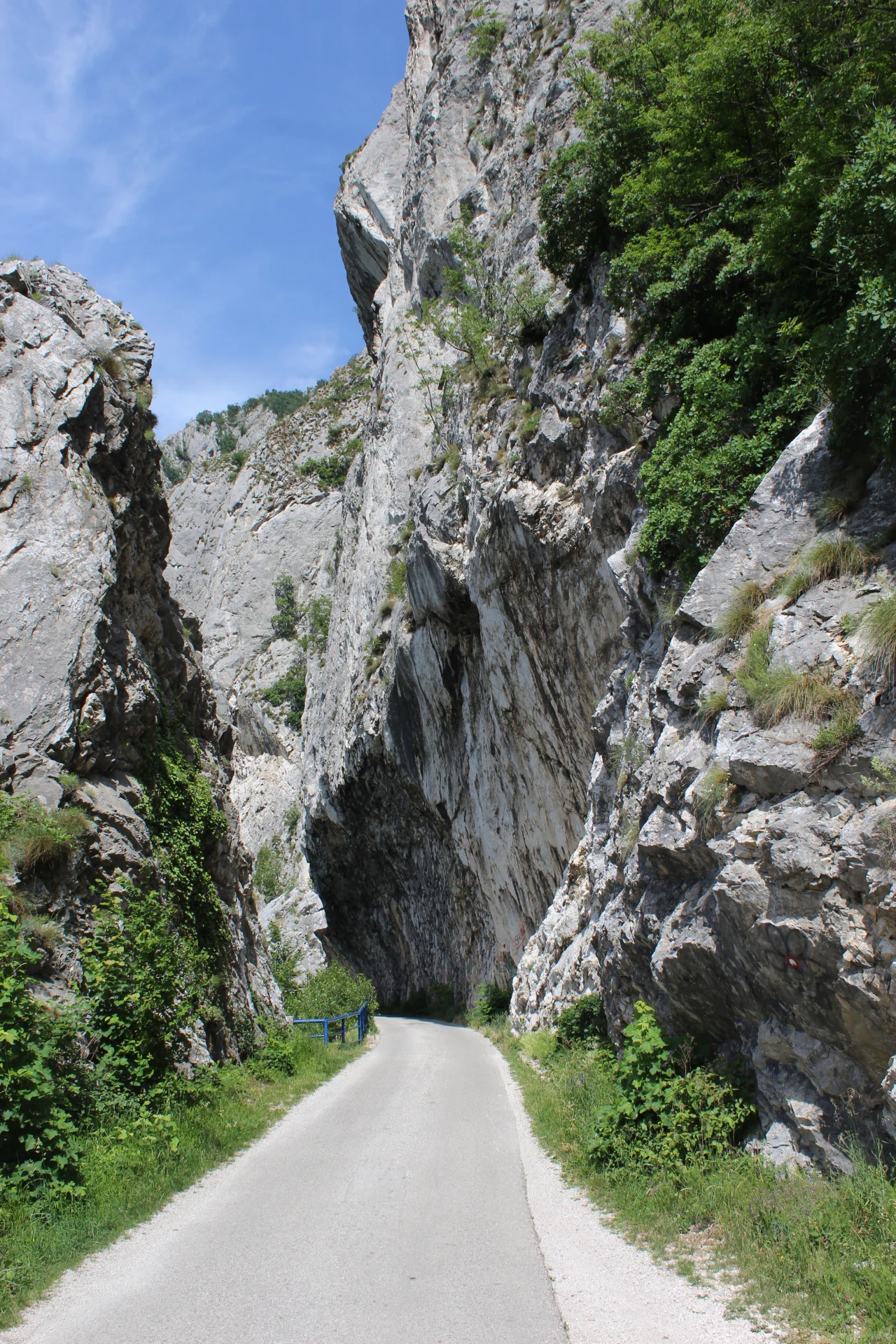
The physical landscape of Ovčar-Kablar Gorge is defined by the West Morava river cutting a dramatic canyon between two prominent mountains. Mount Ovčar rises to 985 meters on the southern side, while Mount Kablar reaches 889 meters on the northern flank, their steep slopes descending directly to the river valley below. The gorge extends approximately 15 to 20 kilometers in length, with the river channel characterized by deeply incised meanders that form three distinctive "pinched" bends where the water loops tightly against the cliff walls. The gorge reaches depths of 550 to 710 meters below the surrounding terrain.
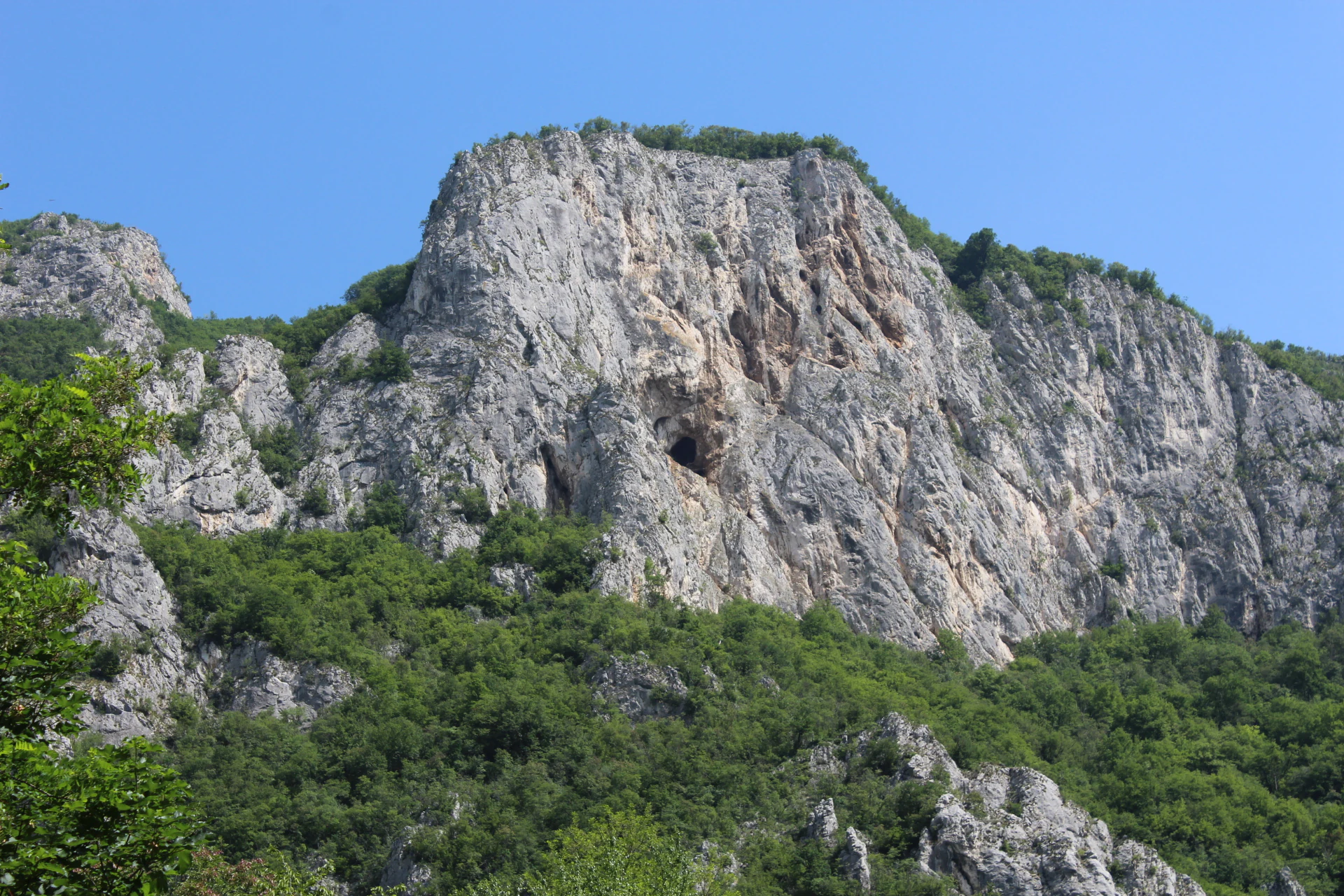
The geological character is dominated by Middle Triassic limestone that has been extensively karstified, with lesser amounts of dolomite, shale, and volcanic rocks. The limestone creates dramatic cliff faces and contains cave systems, including Turčinovac cave on the vertical cliffs of Kablar at approximately 600 meters elevation, and several other caves on both mountain slopes. The area exhibits complex discontinuous aquifers in the karstified terrain. Drilling has revealed thermal waters at 50 meters depth reaching 58°C, and an unusual hot spring exists directly in the riverbed, measurably warming the West Morava in its spring area. The hydroelectric development has created two artificial lakes within the gorge, altering the original river hydrology while adding reservoir landscapes to the terrain.
Ovčar-Kablar Gorge ecosystems, habitats, and plant life
The ecological character of Ovčar-Kablar Gorge reflects its transitional position between continental and mountainous climate zones, creating diverse habitats across the steep altitudinal gradient. The gorge experiences moderate-continental climate with microclimatic variations influenced by the surrounding mountains and vertical terrain dissection. Temperature differences of several degrees exist between the valley floor and the mountain peaks, which rise approximately 700 meters above the river. The area is protected from strong winds by the surrounding mountain masses.
The vegetation displays distinct zonation based on aspect and elevation. Steep rocky slopes support degraded forest and sparse grass vegetation, particularly on the sun-exposed southern faces. Wooded complexes contain characteristic species including European hornbeam, oriental hornbeam, small-leaved and large-leaved linden, manna ash, smoke tree, spurge laurel, and various oak and beech species. The forest composition includes significant relict plant species that have survived from earlier geological periods. The canyon walls and rocky sections provide specialized habitats for adapted species, while the river corridor and reservoirs create aquatic and riparian environments. The surrounding mountain foothills support agricultural use including orchards and pastures, while higher elevations contain neogene sands and clays deposited by ancient lakes.
Ovčar-Kablar Gorge wildlife and species highlights
The fauna of Ovčar-Kablar Gorge demonstrates notable diversity across multiple taxonomic groups, reflecting the varied habitats created by the gorge's topography. Reptile populations include the Hermann's tortoise and European pond turtle, along with the four-lined snake (Elaphe longissima). Amphibians such as the fire salamander inhabit the moist microclenvironments of the gorge. Birdlife is particularly significant, with the peregrine falcon and golden eagle nesting on the cliff walls, while the grey heron utilizes the river and reservoir habitats. The rock partridge inhabits the rocky slopes and shrubland.
Mammalian fauna includes several mustelid species: the marten (Martes martes) and beech marten (Martes foina) are present in the forested areas, along with the badger. These predators occupy the diverse terrain from river corridor to cliff environments. The combination of aquatic habitats, cliff nesting sites, forested slopes, and rocky terrain creates a mosaic of ecological niches supporting this diversity. Some species present are considered rare or threatened within the broader region, contributing to the conservation significance of the protected area.
Ovčar-Kablar Gorge conservation status and protection priorities
Ovčar-Kablar Gorge was designated a protected natural monument in 2001 under Serbian law, receiving the status of Landscape of Outstanding Features (Predeli izuzetnih odlika). The protection encompasses 25 square kilometers recognizing the area's combination of geological, ecological, and cultural values. The primary basis for protection is the West Morava's dramatic breakthrough passage between the Ovčar and Kablar massifs, creating a unique gorge formation with prominent river bends. The forest ecosystems, wildlife habitats, and the exceptional concentration of monasteries are all credited as integral to the area's distinctive character and memorial-spiritual heritage.
In April 2021, Serbian authorities announced plans to expand the protected zone, approximately doubling its size to enhance conservation coverage. However, proposed development of a glass cantilever skywalk in the gorge center has generated significant conservation controversy. Environmental advocates oppose the project, arguing it would disturb biodiversity and violate the spatial plan for the protected area which did not include such infrastructure. They note that local residents need sewage infrastructure rather than tourist attractions. The local administration has defended the proposal as a means to "revitalize" the region and attract tourism revenue comparable to similar installations in Croatia's Biokovo mountain.
Ovčar-Kablar Gorge cultural meaning and human context
The cultural significance of Ovčar-Kablar Gorge is inseparable from its extraordinary concentration of Serbian Orthodox monasteries, making it one of the most important spiritual landscapes in Serbia. The comparison to Mount Athos reflects both the density of monastic communities and the continuous religious use spanning centuries. The monasteries served not only as places of worship but as centers of learning, manuscript preservation, and refuge during periods of Ottoman rule. Several monasteries maintained schools of transcribers, preserving religious texts through the centuries.
The historical relationship between the monasteries and the surrounding landscape is deeply embedded in Serbian cultural memory. The site of the Saint John the Baptist monastery, which served as the administrative center for all gorge monasteries (a lavra), was directly sacrificed to hydroelectric development in the 1950s, a loss that continues to resonate in Serbian cultural discourse. The tradition of religious pilgrimage remains active, with devotees visiting the various monastery sites and the sacred spring at Savinje, where water is considered miraculous. The gorge also contains Kađenica, or "Smoke Cave," a cave-church that became a site of martyrdom during the 1814 anti-Ottoman uprising, where refugees were suffocated by fire—a name that memorializes that tragic event. The area around Ovčar Banja spa represents another layer of cultural use, where the thermal springs have drawn visitors seeking healing for generations.
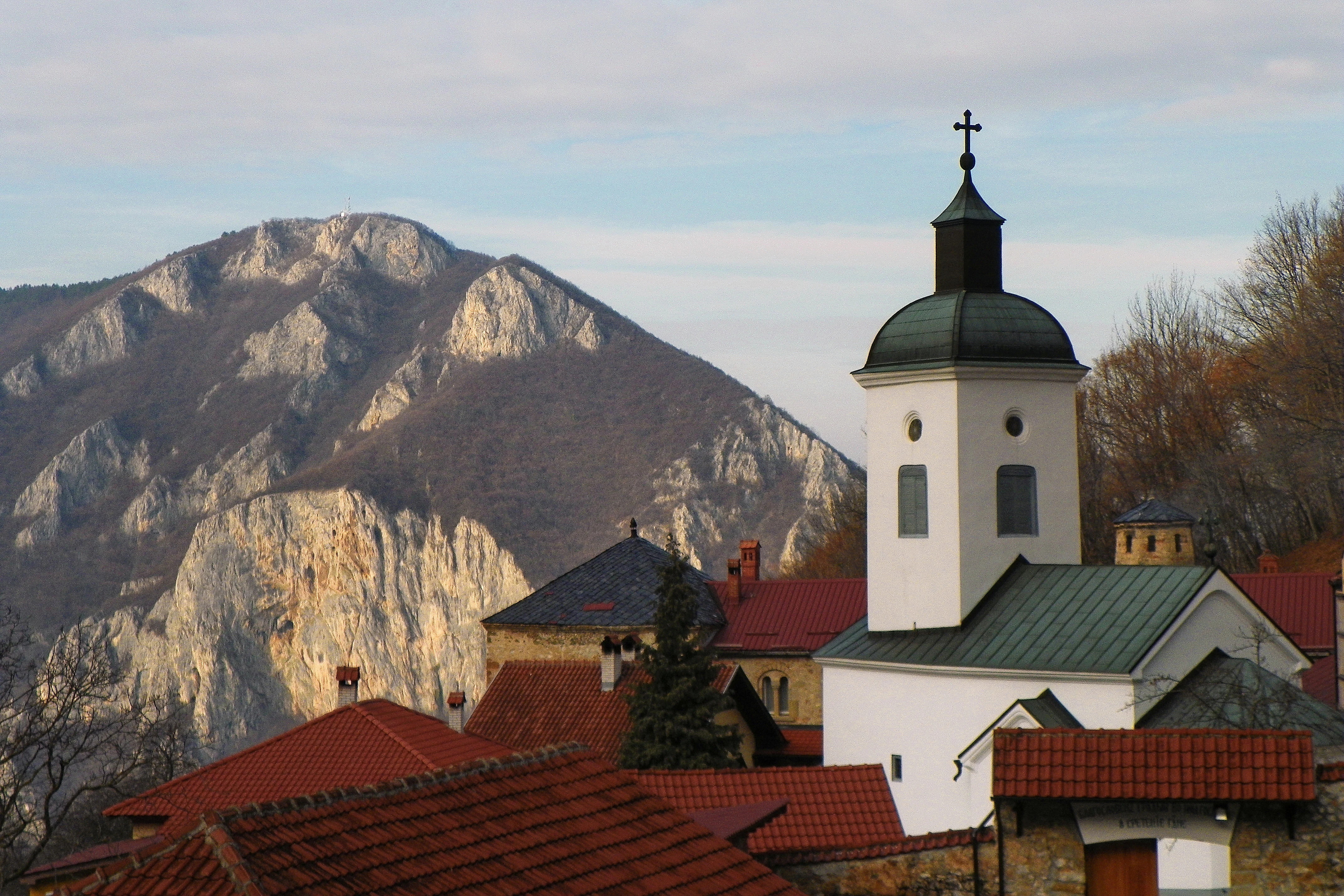
Top sights and standout views in Ovčar-Kablar Gorge
Ovčar-Kablar Gorge uniquely combines a dramatic river canyon landscape with the densest concentration of Serbian Orthodox monasteries outside of major urban centers. The three pronounced river meanders create visually stunning scenes as the West Morava winds between the towering cliffs of Ovčar and Kablar mountains. Ten surviving monasteries, several dating to the medieval Nemanjić period, sit embedded in this compact spiritual landscape, representing over six centuries of continuous religious use. The karst limestone geology contains caves and thermal springs, with the spa town of Ovčar Banja offering therapeutic sulfuric waters at 37.5°C. The artificial lakes created by the 1954 hydroelectric development provide additional recreational dimensions to the gorge. The entire 25-square-kilometer protected area has been proposed for expansion, reflecting its recognized conservation and cultural value.
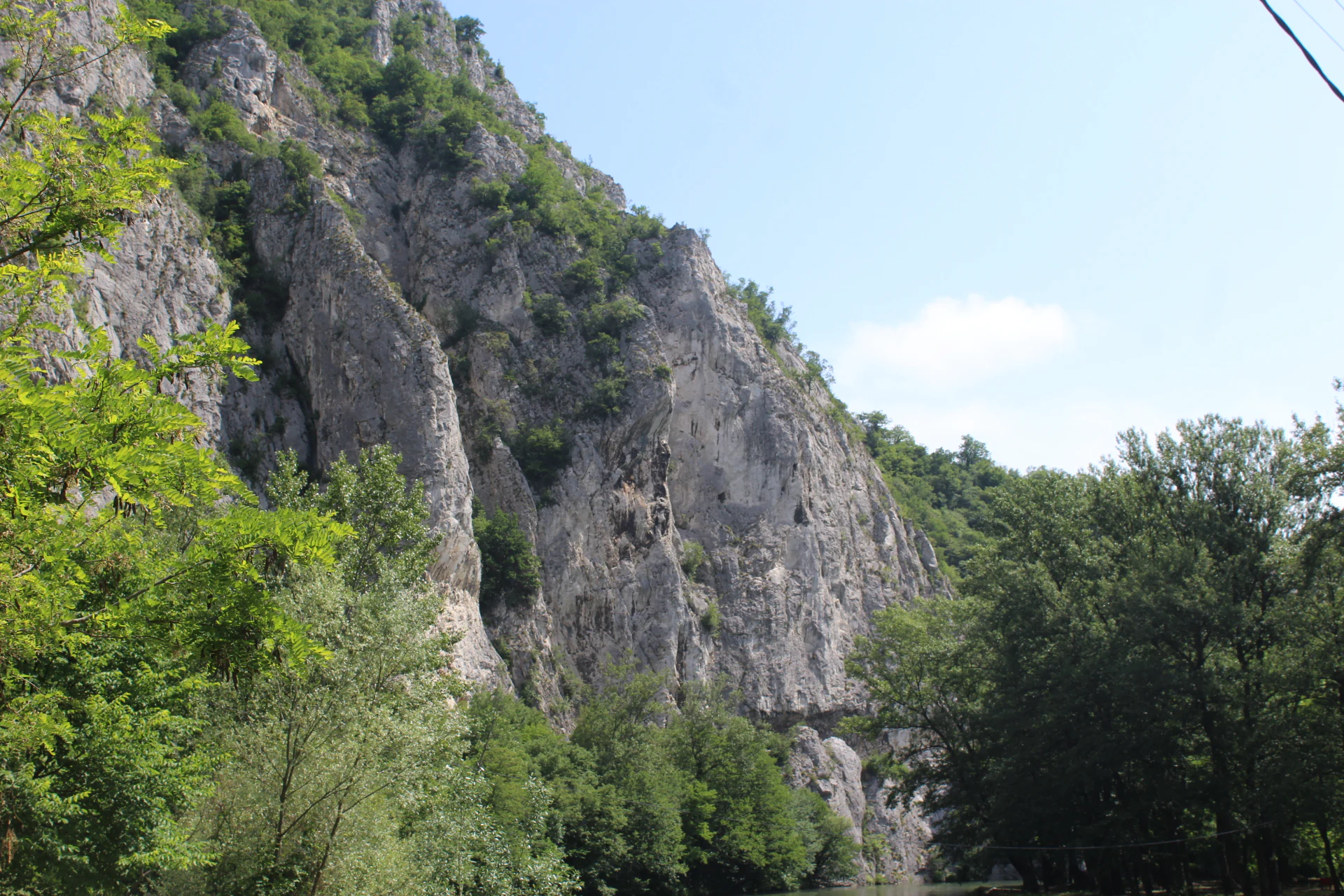
Best time to visit Ovčar-Kablar Gorge
Ovčar-Kablar Gorge can be visited throughout the year, though each season offers distinct experiences. The summer months of June through August feature the warmest conditions and coincide with peak visitation to the spa facilities at Ovčar Banja and recreational use of the reservoir lakes. High average summer temperatures favor swimming and water recreation, and the tourist season at the spa extends longer during these warm months. Spring and autumn offer milder temperatures and arguably more dramatic atmospheric conditions, with the gorge's dramatic rock faces and monastery complexes set against changing foliage. Winter visits present a quieter, more contemplative experience with fewer visitors, though some monastery access may be more limited. The moderate-continental climate means the gorge is protected from extreme temperature swings, though the approximately 700-meter elevation difference between valley and peaks creates noticeable variation. The area receives moderate annual precipitation, with May typically the wettest month, which can affect trail conditions in the gorge.