
Why Kosmaj stands out
Kosmaj is best known as one of two 'Belgrade mountains' alongside Avala, serving as the city's most prominent natural elevated recreational area. The mountain is renowned for its dense deciduous forests covering the steeper slopes, its network of three historic monasteries dating to the 14th century, and the WWII partisan monument standing atop the Mali Vis peak. The area is also notable for its extraordinary biodiversity, including 17 species of clearwing moths found nowhere else in Serbia, and its status as a protected landscape of outstanding features covering over 3,500 hectares.
Kosmaj history and protected-area timeline
Kosmaj's human history spans millennia, beginning with Celtic inhabitants who likely gave the mountain its name from the word 'cos' meaning forest. The Romans later rechristened the mountain 'Casa Maias' to align with their goddess of spring Maia, using it as an important mining center. Archaeological evidence indicates iron ore extraction predated Roman arrival, while the Romans established extensive operations extracting silver, iron, and lead, administered by procurator Babenius whose name survives in the modern village of Babe.
Medieval Serbian mining began around 1420 following Despot Stefan Lazarević's mining law of 1412. The mountain's monasteries—Pavlovac built between 1415-1419, Tresije established in 1309, and Kastaljan dating to the early 14th century—became spiritual and cultural centers connected to Stefan Lazarević, who tragically died crossing the mountain in 1427. The monastery of Pavlovac served as a final gathering point for Serbs fleeing during the Great Migration of 1690 before crossing into Austria.
In modern times, the mountain gained protected status in 2005 as a landscape of outstanding features. A notable 2022 controversy saw the company Serbia Zijin Bor Copper surveying the mountain for potential mining, sparking public protests that led to the immediate cessation of exploration activities.
Kosmaj landscape and geographic character
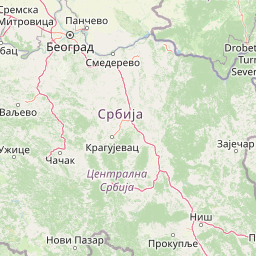
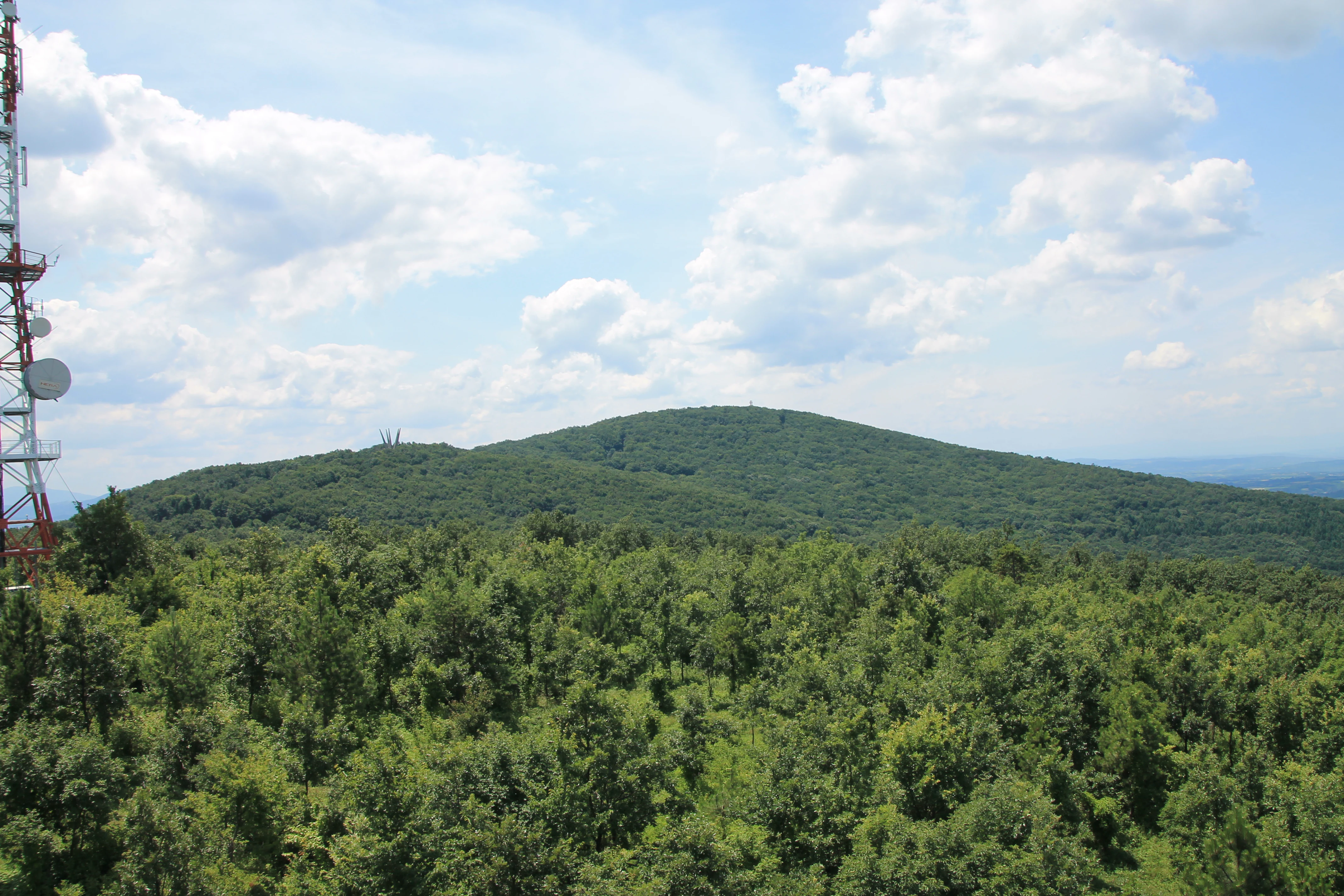
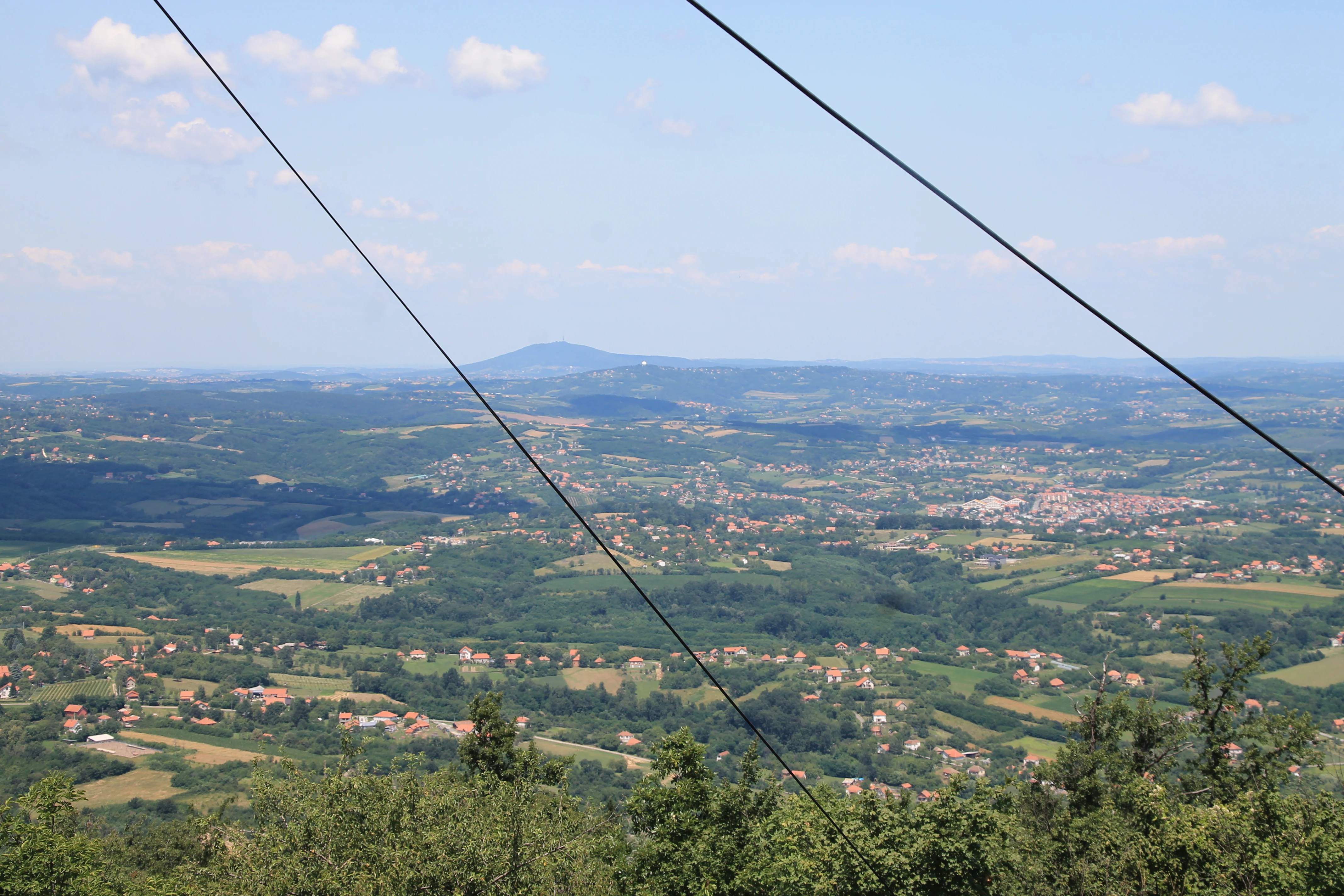
Kosmaj's landscape is defined by its character as a low island mountain rising from the Šumadija lowlands. The mountain extends approximately 5.5 kilometers in length with a crescent-shaped main ridge running southwest to northeast. Three distinct peaks break the ridge—Mali Vis (the small one), Goli Vis (the naked one), and Rutavi Vis (the hairy or bushy one)—each contributing to the mountain's recognizable silhouette against the Belgrade skyline.
The terrain varies significantly across the mountain. Steeper slopes are blanketed in deciduous forest, primarily beech and oak with patches of planted conifers, while gentler slopes support grass-covered meadows. The foothills give way to orchards and arable agricultural fields in the surrounding villages. The mountain's geology—comprising flysch, serpentine, and magmatic rocks—creates varied terrain conditions and influences the vegetation patterns across different areas.
Several rivers originate from Kosmaj's slopes, contributing to the broader watershed. The Turija river and its tributaries spring from below the mountain's western face, flowing into the Kolubara. The eastern slopes give rise to the Lug, Ralja, and Topčiderka rivers, the latter flowing directly into urban Belgrade. The Parcanski vis extension in the northwest reaches 408 meters and connects to the wooded area of Lipovička šuma.
Kosmaj ecosystems, habitats, and plant life
Kosmaj supports exceptionally rich biodiversity within its protected boundaries. The mountain hosts 551 plant species and 300 fungi species, with approximately 150 plant species having medicinal or edible uses. The forest ecosystem is predominantly deciduous, with beech and oak forming the natural spontaneous woodland that covers over 70% of the mountain. Coniferous patches exist but were largely planted by humans rather than occurring naturally.
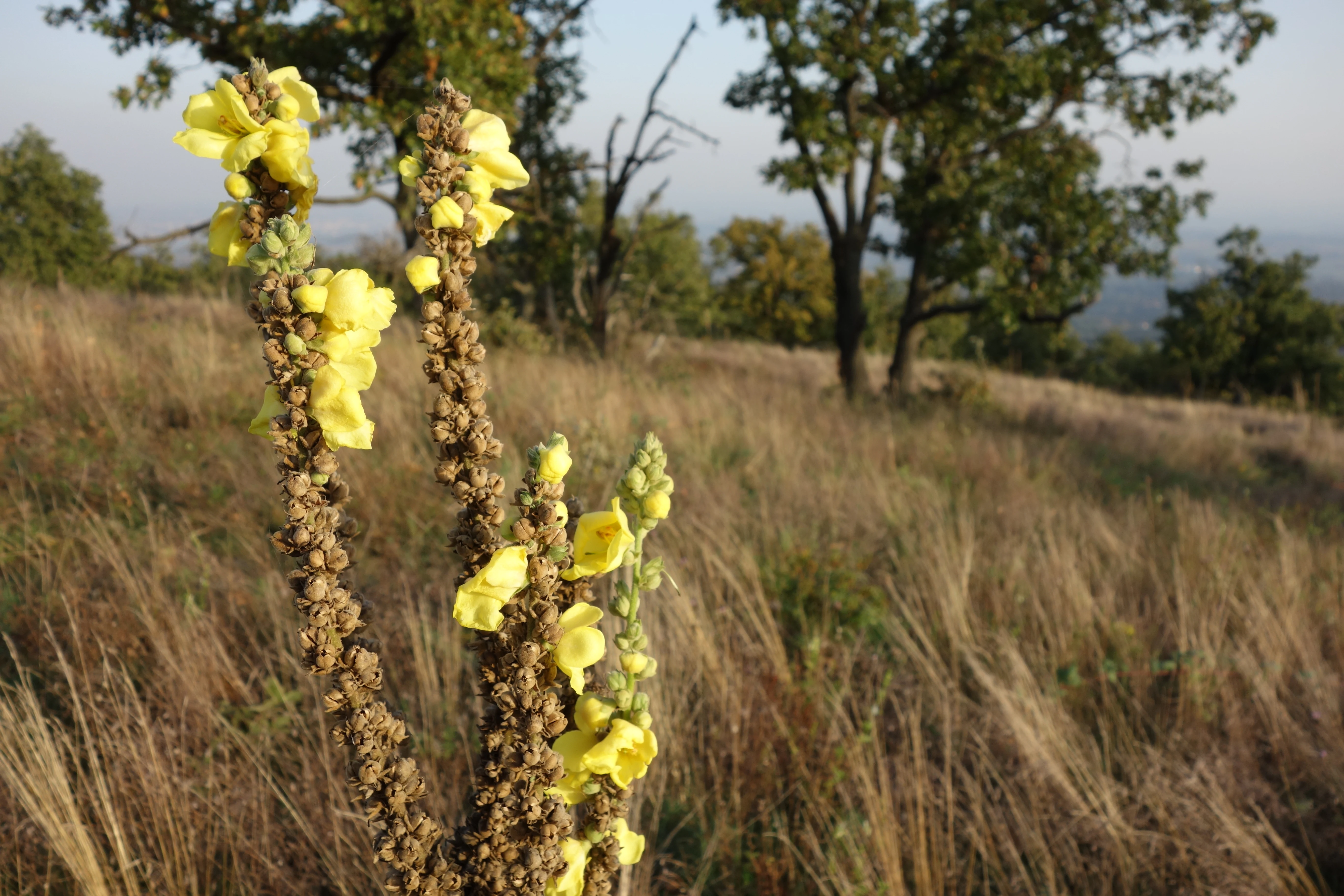
The flora includes several notable species: bear's garlic (Allium ursinum), woodland strawberry, blackberry, and cornelian cherry grow wild in the forested areas. The endangered larkspur (Delphinium phissum) appears on the Red List, while the mountain supports 30 relic species, 10 sub-endemics, 25 endangered taxa, and 60 species under strict control for use and trade. Among fungi, 80 species are edible, 17 medicinal, and 11 poisonous.
The ecosystem supports significant wildlife populations including 13 amphibian species, 11 reptile species, 51 mammal species, and 96 bird species. Of particular note are 17 newly discovered species of clearwing moths that exist nowhere else in Serbia, making Kosmaj their sole known habitat. The mountain also hosts the corn crake, a rare species in Serbia that appears on the Red List.
Kosmaj wildlife and species highlights
The wildlife communities on Kosmaj reflect the diversity of its forest and meadow habitats. Among the more commonly encountered species are hares, roe deer, pheasants, foxes, squirrels, hedgehogs, partridges, and quails, forming the visible mammalian and avian fauna that visitors encounter on walks and hikes through the mountain's trails.
The mountain supports significant bird diversity with 96 species recorded, including the corn crake—a Red Listed species that is rare within Serbia. Mammal populations include 51 species ranging from small rodents to larger species, though wolves, once present on Kosmaj, have been extinct from the mountain for some time. The reptile and amphibian communities contribute another 24 species to the overall biodiversity.
Particularly distinctive is the presence of 17 species of clearwing moths (Sesiidae family) newly discovered on Kosmaj, representing what appears to be their only habitat in Serbia. This makes the mountain significant for lepidoptera conservation within the country. The hunting tradition on the mountain also supports populations of game species including hares, roe deer, pheasants, and partridges, with specific areas designated as hunting grounds.
Kosmaj conservation status and protection priorities
Kosmaj received formal protected status in 2005 when a landscape of outstanding features was declared, covering 3.5145 hectares spread across the municipalities of Mladenovac and Sopot. The protected area encompasses villages including Amerić, Koraćica, Velika Ivanča, Rogača, and Nemenikuće, with the terrain divided into two levels of protection (levels II and III) reflecting different conservation intensities across the area.
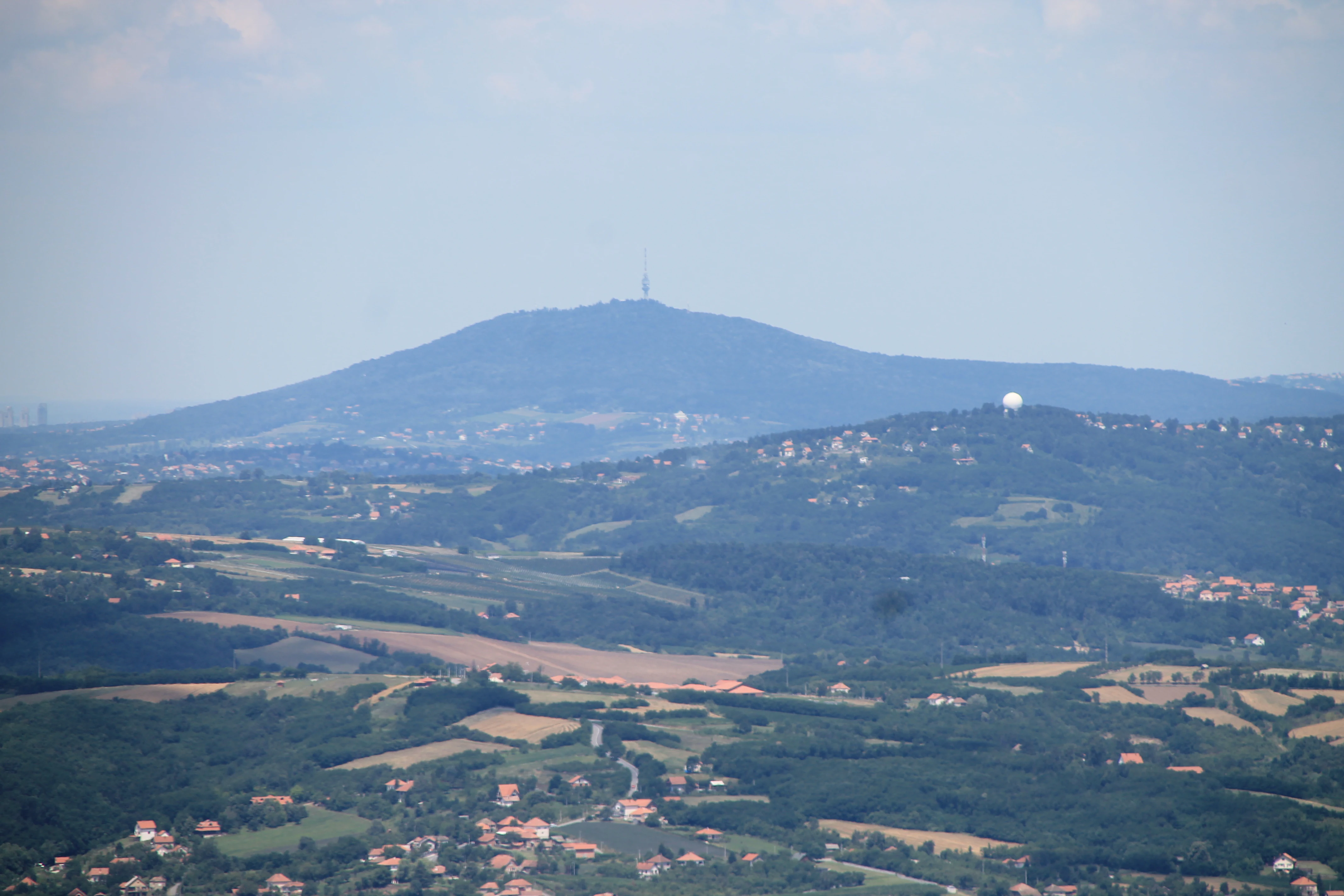
The conservation significance extends beyond the formal protected zone. Together with Avala, Veliko Ratno Ostrvo, and Stepin Lug, Kosmaj forms part of Belgrade's circle of protected green areas—a network of natural spaces providing ecological, recreational, and aesthetic benefits to the metropolitan population. The mountain's biodiversity, including endemic species like the clearwing moths and endangered plants like the larkspur, contributes to Serbia's natural heritage conservation.
The 2022 mining exploration controversy demonstrated both the ongoing pressures on the mountain's natural values and strong public sentiment for their protection. The rapid public response to the proposed mining surveys resulted in immediate cessation of exploration activities, highlighting the mountain's importance to local communities and environmental consciousness in Serbia.
Kosmaj cultural meaning and human context
Kosmaj's cultural landscape centers on its network of three surviving medieval monasteries—Kastaljan, Pavlovac, and Tresije—forming what is colloquially known as 'Kosmaj's Mount Athos' due to the concentration of religious structures. These monasteries are historically linked to the medieval Serbian ruler Stefan Lazarević, who died on the mountain in 1427 while hunting. A cenotaph marking his death site stands near the Church of Saint Elijah in Nemenikuće.
The monasteries reflect different periods and styles. Kastaljan, built in the early 14th century on Roman castrum foundations, is now in ruins following demolition in the late 17th century. Pavlovac, constructed between 1415 and 1419 in the Morava architectural school style, survived multiple destructions and was fully restored in 1990. Tresije, founded in 1309 by King Stefan Dragutin, experienced repeated destruction and reconstruction, with its current konak built beginning in 1991 using a foundation stone brought from Mount Athos.
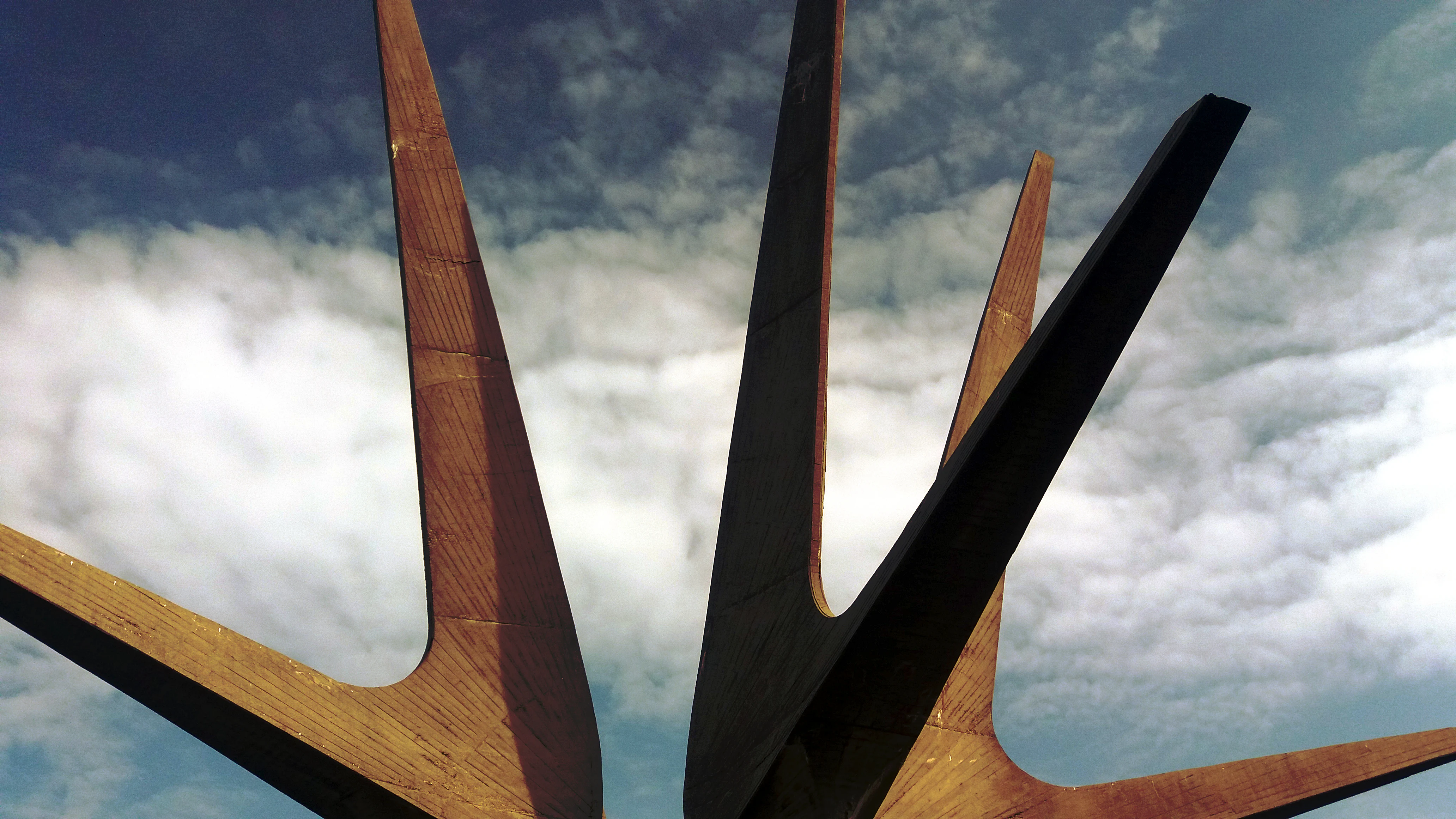
The mountain also bears wartime heritage. A monument to the Kosmaj Partisan Detachment from World War II stands on Mali Vis peak, while a WWI memorial ossuary at Beli Kamen commemorates members of the Timok Division who defended Belgrade in 1914. The mountain's villages support cultural traditions including annual festivals celebrating folk music, cuisine, and local products.
Top sights and standout views in Kosmaj
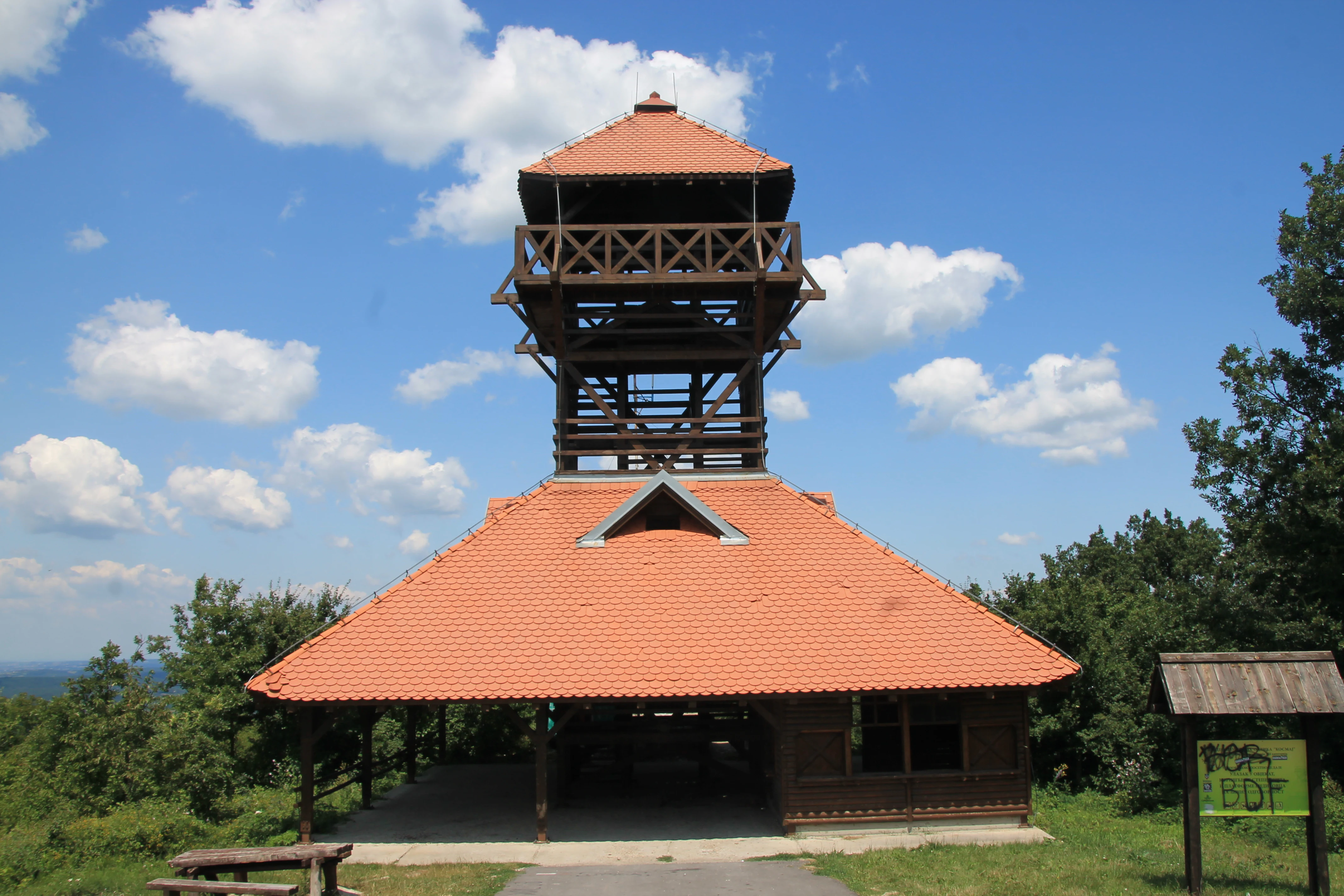
Kosmaj offers a distinctive combination of accessible natural beauty, historical depth, and biodiversity significance within the Belgrade metropolitan area. The mountain's 626-meter summit provides panoramic views across the Šumadija lowlands, while the network of forest trails through beech and oak woodlands creates excellent hiking and cycling opportunities. The three historic monasteries—Pavlovac, Tresije, and Kastaljan—preserve medieval Serbian religious architecture and connect visitors to the era of Despot Stefan Lazarević.
The mountain's ecological significance is remarkable for its proximity to a major city, with 17 clearwing moth species found nowhere else in Serbia, over 550 plant species, and diverse wildlife communities. The protected landscape status ensures preservation of these values while allowing compatible recreational use. The wartime monuments add historical weight to the visitor experience, while the surrounding villages offer opportunities for rural tourism and local hospitality.
Best time to visit Kosmaj
Kosmaj can be visited year-round, though spring and autumn offer the most pleasant conditions for outdoor exploration. The forest trails are particularly attractive in late spring when bear's garlic carpets the woodland floor and again in autumn when the beech and oak foliage displays rich colors. Summer months can be warm but the forest shade provides relief, while winter offers a different character with snow-dusted peaks visible from Belgrade.
The monastery festivals and cultural events, including the Bear's Garlic Festival established in 2023 and the 'Under the linden trees of Tresije monastery' gathering, provide seasonal highlights. Weekend visits are popular due to the mountain's proximity to Belgrade, making it a convenient escape for city residents seeking nature, history, and outdoor activity without extensive travel planning.