Mori Atlas logo
Natural monumentAvala

Discover the mapped terrain, natural features, and regional context of this iconic Serbian natural monument.

Avala Natural Monument: Explore Belgrade's Distinctive Mountain Protected Landscape and Geography

Avala Natural Monument stands as a prominent protected landscape rising near Belgrade, Serbia. This isolated mountain, part of the Pannonian Island Mountains, offers a distinct geographic anchor and a valuable atlas exploration point. Delve into the mapped boundaries and unique terrain of Avala, understanding its role as one of Serbia's oldest protected natural areas.

mountain nature reserve Belgrade metropolitan areaprotected areaforested landscapehistorical monumentsPannonian island mountain
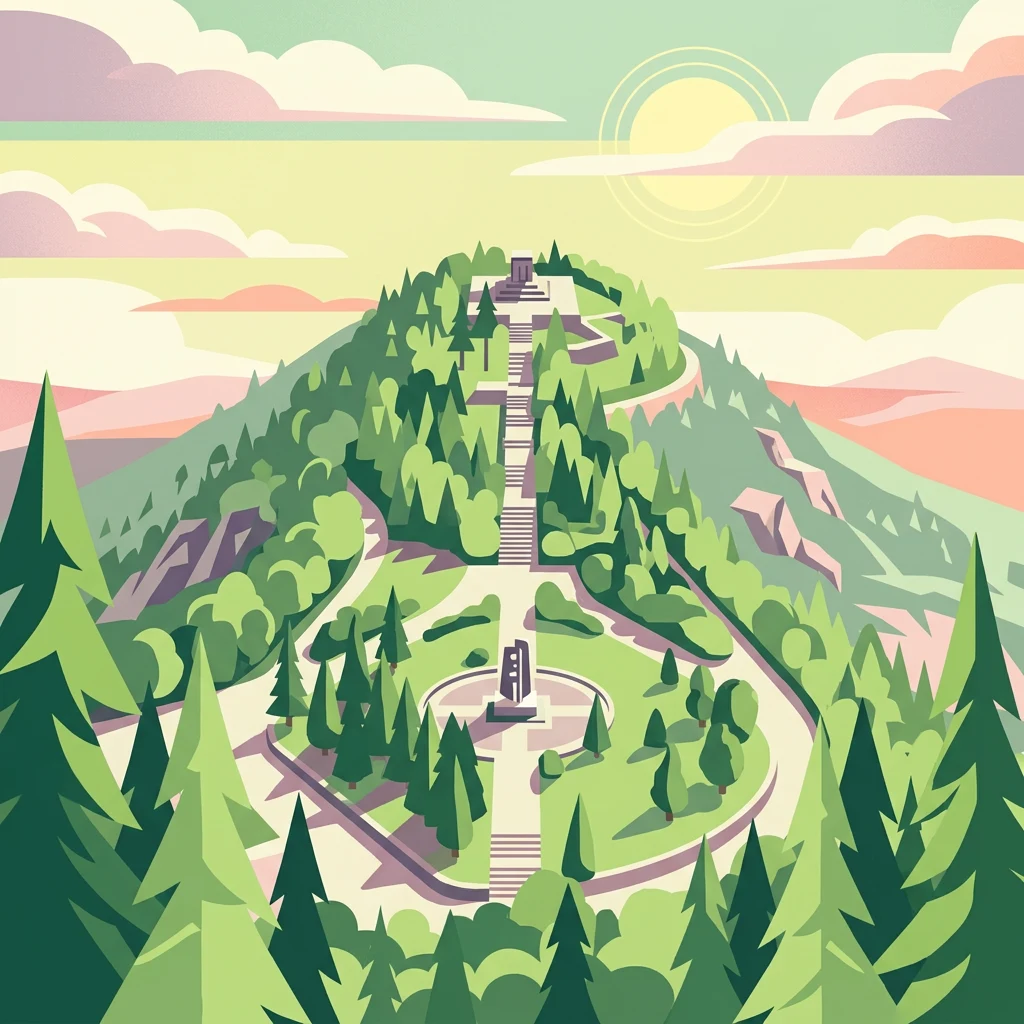
Stylized illustration of Avala Mountain showing a central monument, winding pathways, and forested slopes under a colorful sky

Avala

Natural monument

Park overview

Structured park overview, official facts, and landscape profile for Avala

Avala park facts, protected area profile, and essential visitor context
Review the core facts for Avala, including designation, size, terrain, visitor scale, habitats, and operating context in one park-focused overview.

About Avala

Avala serves as Belgrade's primary natural recreation area, offering residents and visitors a mountain escape within the city limits. The mountain's accessibility and proximity to the capital have made it a traditional picnic destination and outdoor recreation hub. The protected area encompasses diverse habitats including forests, meadows, and rocky outcrops, supporting remarkable biodiversity despite the mountain's relatively modest size. The geological uniqueness of Avala, with its serpentinite and limestone formations, contributes to its ecological distinctiveness. The mountain also holds cultural significance through its medieval history, with the fortress of Žrnov protecting ancient mining operations, and its more recent role as a site of national commemoration. Visitor facilities include the Hotel Avala, mountaineering camps, and well-maintained hiking trails, while the 202-meter Avala TV Tower provides panoramic views of the surrounding region.

Quick facts and research context for Avala

Avala is located in the Belgrade City area, primarily within the Voždovac municipality, with eastern slopes in Grocka and southern extensions in Sopot. The mountain reaches 511 meters at peak Žrnov and is classified as a Pannonian island mountain, having been an island in the inner Pannonian Sea until 600,000 years ago. Protected areas cover approximately 48,913 hectares with additional strict protection zones. The mountain contains significant mineral deposits including cinnabarite (mercury ore), lead, zinc, silver, and gold, with mining activities dating back to pre-Classical antiquity. The mountain is home to over 600 plant species and nearly 100 bird species, with about 70% of its area forested.

Park context

Deeper park guide and search-rich context for Avala

Avala history, landscape, wildlife, and travel context
Explore Avala through its history, landscape character, ecosystems, wildlife, conservation priorities, cultural context, and seasonal travel timing in a structured park guide built for atlas discovery and search intent.

Why Avala stands out

Avala is best known as Belgrade's closest mountain retreat and one of Serbia's oldest protected natural monuments. The mountain features the Monument to the Unknown Hero, a mausoleum designed by Ivan Meštrović with eight caryatides representing different historical regions of Yugoslavia. The Avala TV Tower, rebuilt after destruction in the 1999 NATO bombing, has become an iconic landmark. The mountain's ecological significance is marked by over 600 plant species, including protected species like laburnum, box tree, and martagon lily, along with nearly 100 bird species. Historical mining operations at Šuplja Stena and Crveni Breg produced mercury, lead, and other metals for centuries, and the medieval fortress of Žrnov once stood on the peak.
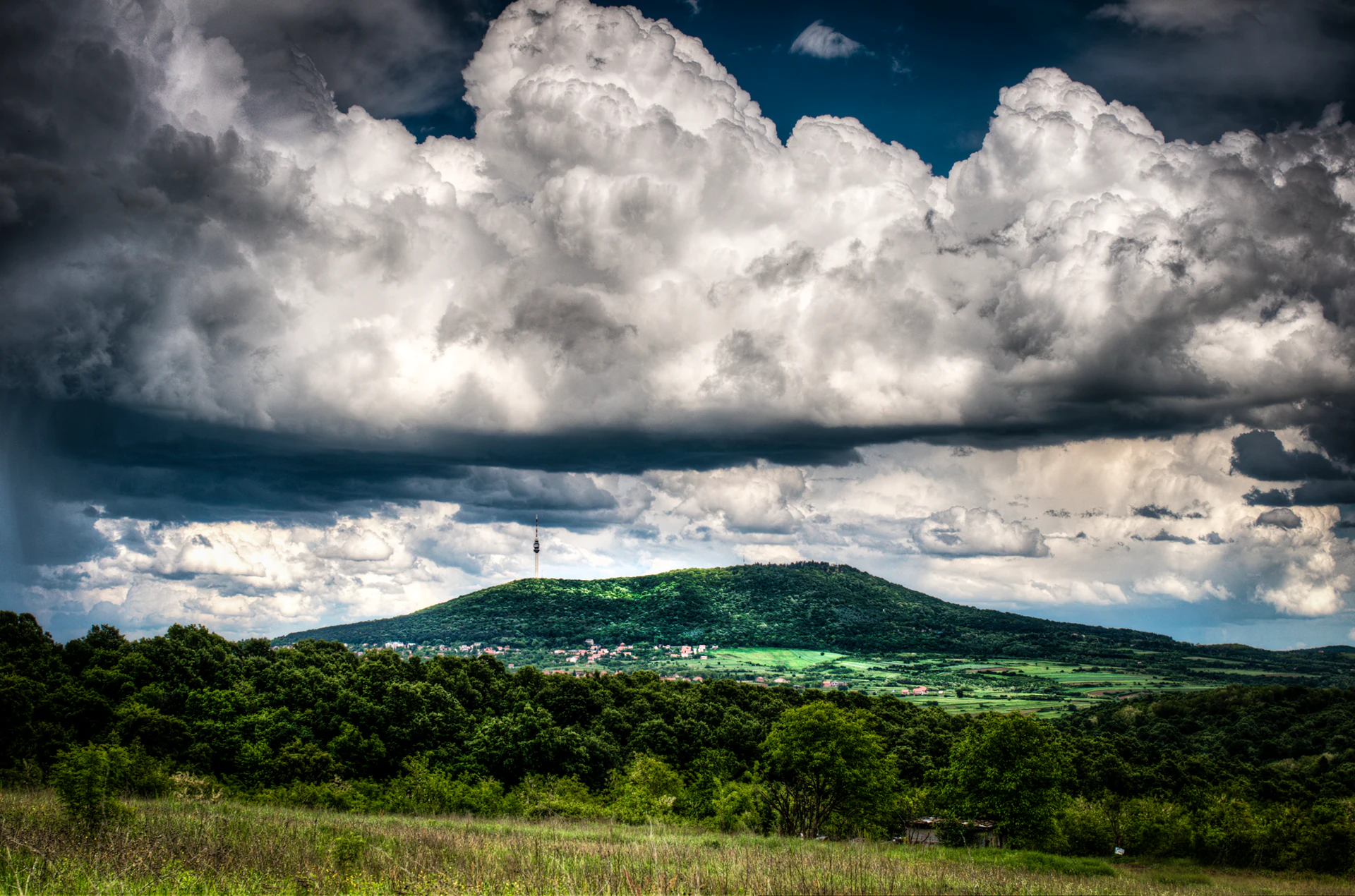
Avala Mountain viewed from a distance with green forests, fields, and large clouds in the sky
Panoramic view of Avala Mountain from the Ibar highway with dramatic clouds

Avala history and protected-area timeline

The history of Avala spans millennia, beginning with mining activities that may date to the Neolithic period. Archaeologist Miloje Vasić suggested that cinnabarite mines on Avala were crucial to the development of the Vinča culture along the Danube around 5700 BC. The medieval fortress of Žrnov, or Avalski Grad, occupied the peak and was conquered by the Ottoman Empire in 1442, which renamed the settlement "havale" from Arabic, meaning obstacle or shelter. Mining continued through medieval times under Stefan Lazarević's mining laws and into the modern era, with major mines at Šuplja Stena (mercury) and Crveni Breg (lead, zinc, silver, gold) operating until the 1960s. In 1859, Prince Miloš Obrenović ordered the mountain fenced and protected, making it one of Serbia's earliest protected areas. The mountain was declared a national park in 1936, and in 1946 was classified as public property of general benefit. During World War II, Avala saw fighting during the Belgrade Offensive in October 1944. The mountain served as a quarantine site during the 1972 Yugoslav smallpox outbreak.

Avala landscape and geographic character

Avala rises approximately 200 meters above the surrounding undulating terrain, forming a prominent isolated peak in the Belgrade area. The mountain's geological structure consists of serpentinite, limestone, and magmatic rocks injected in the shape of a laccolith. Secondary peaks include Ladne Vode (340m), Zvečara (347m), and Sakinac (315m). The surrounding area, known as the Pinosava plateau of northern Low Šumadija, is predominantly flat lowland. The mountain contains several springs, with Sakinac being the most well-known. The Topčiderka river flows on western slopes, originating in the Lipovička šuma forest, while the Bolečica river flows on eastern slopes. A small artificial lake exists on the western slope near Pinosava village. The mountain is covered by forests spanning about 5.01 square kilometers, or roughly 70% of its area.
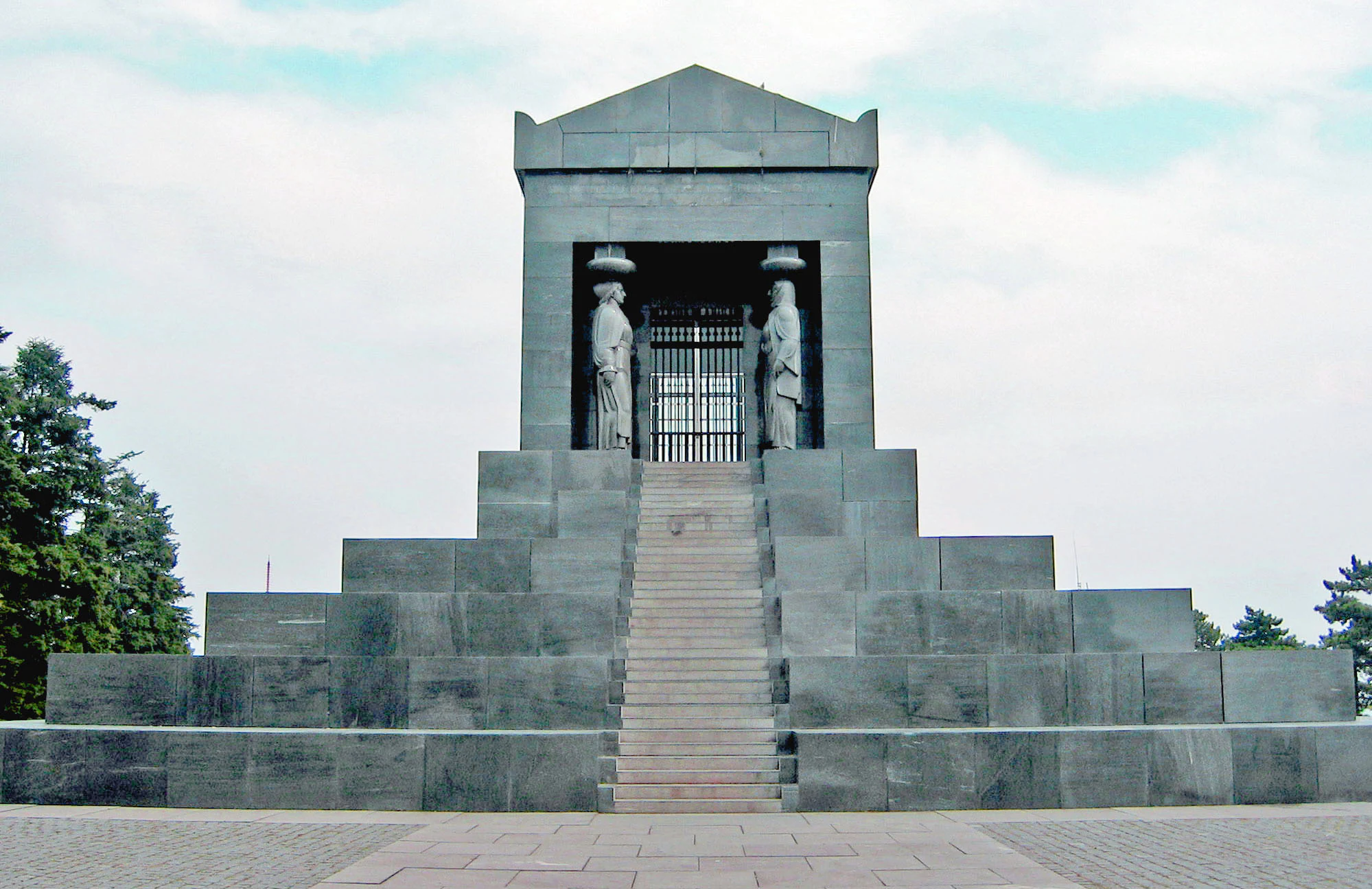
Large stone monument with steps leading up to a structure featuring two statues and a central gate, set against a partly cloudy sky
Monument to the Unknown Hero at Avala, Serbia, with its stone structure and statues flanking the central entrance

Avala ecosystems, habitats, and plant life

Despite its relatively low elevation, Avala supports remarkable botanical diversity with over 600 plant species recorded. Approximately 70% of the mountain is forested, with dominant tree species including durmast oak, Turkey oak, hornbeam, beech, linden, black pine, and black locust. The protected plant species include laburnum, box tree, black broom, common holly, martagon lily, common yew, and oregano. The mountain also supports numerous medicinal herbs such as early-purple orchid and belladonna. Meadow plant communities are relatively rare due to the extensive forest coverage. The area is particularly important as one of Belgrade's protected green spaces, included in the circle of protected areas along with Kosmaj mountain, Veliko Ratno Ostrvo island, and Stepin Lug woods.
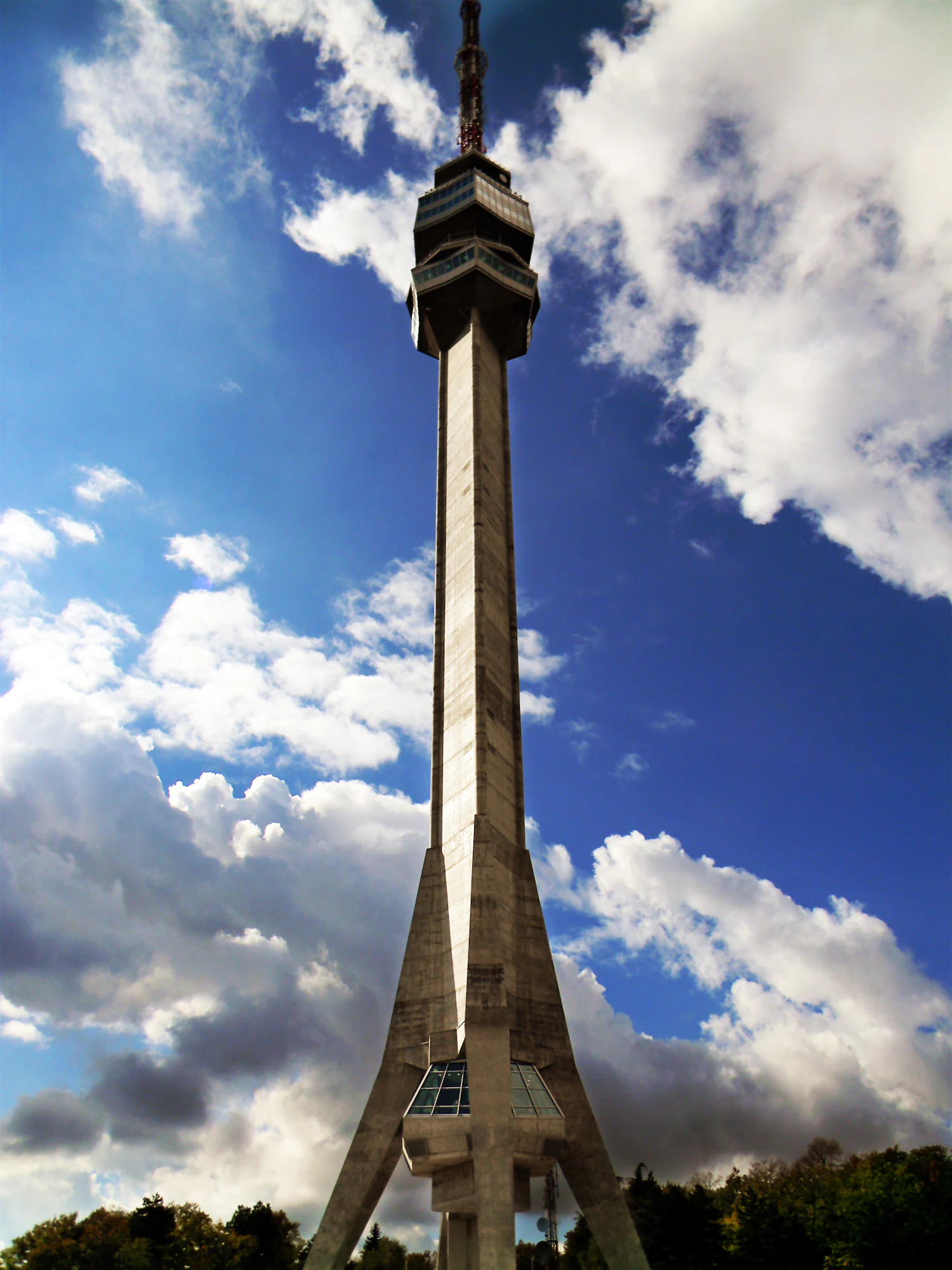
Tall concrete tower with three legs against a blue sky with clouds, trees visible at the base.
Avala Tower, a prominent landmark within Avala National Park, Serbia.

Avala wildlife and species highlights

Avala hosts nearly 100 bird species, of which 21 are strictly protected including the Eurasian sparrowhawk, European honey buzzard, and European green woodpecker. Other notable bird species include common buzzard, stock dove, common kestrel, and Eurasian scops owl. The mountain supports mammal populations including roe deer, hare, badger, squirrel, pine marten, stone marten, and wild boar. Protected mammalian species include fox, common buzzard (bird), steppe eagle, black kite, eagle owl, cuckoo, and hoopoe. A section of the mountain is designated as game hunting ground. The protected area provides important habitat for various amphibians and reptiles in its forest and watercourse environments.
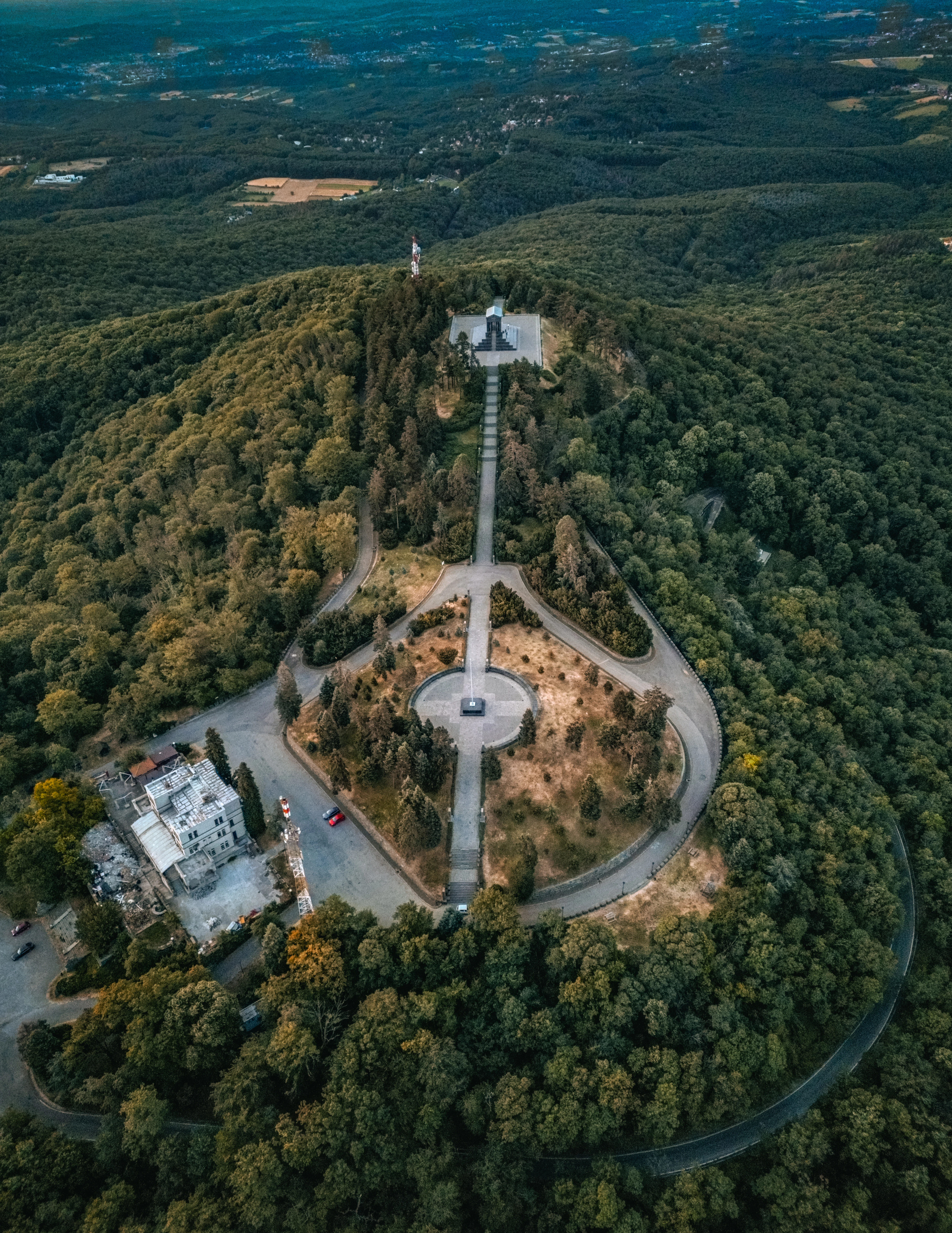
Aerial view showing a monument atop a forested mountain with circular roads and pathways leading to the structure
Aerial view of the Monument to the Unknown Hero on Avala Mountain

Avala conservation status and protection priorities

Avala represents one of Serbia's longest-protected natural areas, with conservation measures dating to 1859 when Prince Miloš Obrenović ordered its fencing and protection. The mountain was declared a national park in 1936 and reclassified as a protected area of outstanding features in 1946. Protected areas span approximately 48,913 hectares, with certain zones receiving additional protection. The "Complex of mountain beech, oak, maple and elm" in the Vranovica stream valley holds first-level protection status near the Čarapićev Brest visitors' complex. Despite nearly 150 years of official protection, comprehensive preservation plans were only developed in 2007, integrating Avala into Belgrade's protected green area network. The mountain faces ongoing conservation challenges, including illegal construction activities in protected zones and habitat disturbance.

Avala cultural meaning and human context

Avala holds significant cultural and historical importance for Serbia. The medieval fortress of Žrnov, also known as Avalski Grad, was a fortified settlement protecting the area's valuable mining operations. The Ottoman renamed the location "havale" from Arabic, meaning obstacle or shelter, which became the modern name Avala. The mountain contains several important monuments: the Monument to the Unknown Hero, sculpted by Ivan Meštrović as a mausoleum with caryatides representing Yugoslav regions; the Monument to Soviet war veterans commemorating those who died in a 1964 airplane crash; and the Memorial Park dedicated to World War II victims. The Avala TV Tower, originally built in 1965 and destroyed in 1999, was rebuilt and reopened in 2010. The mountain also served as a quarantine facility during the 1972 Yugoslav smallpox outbreak.
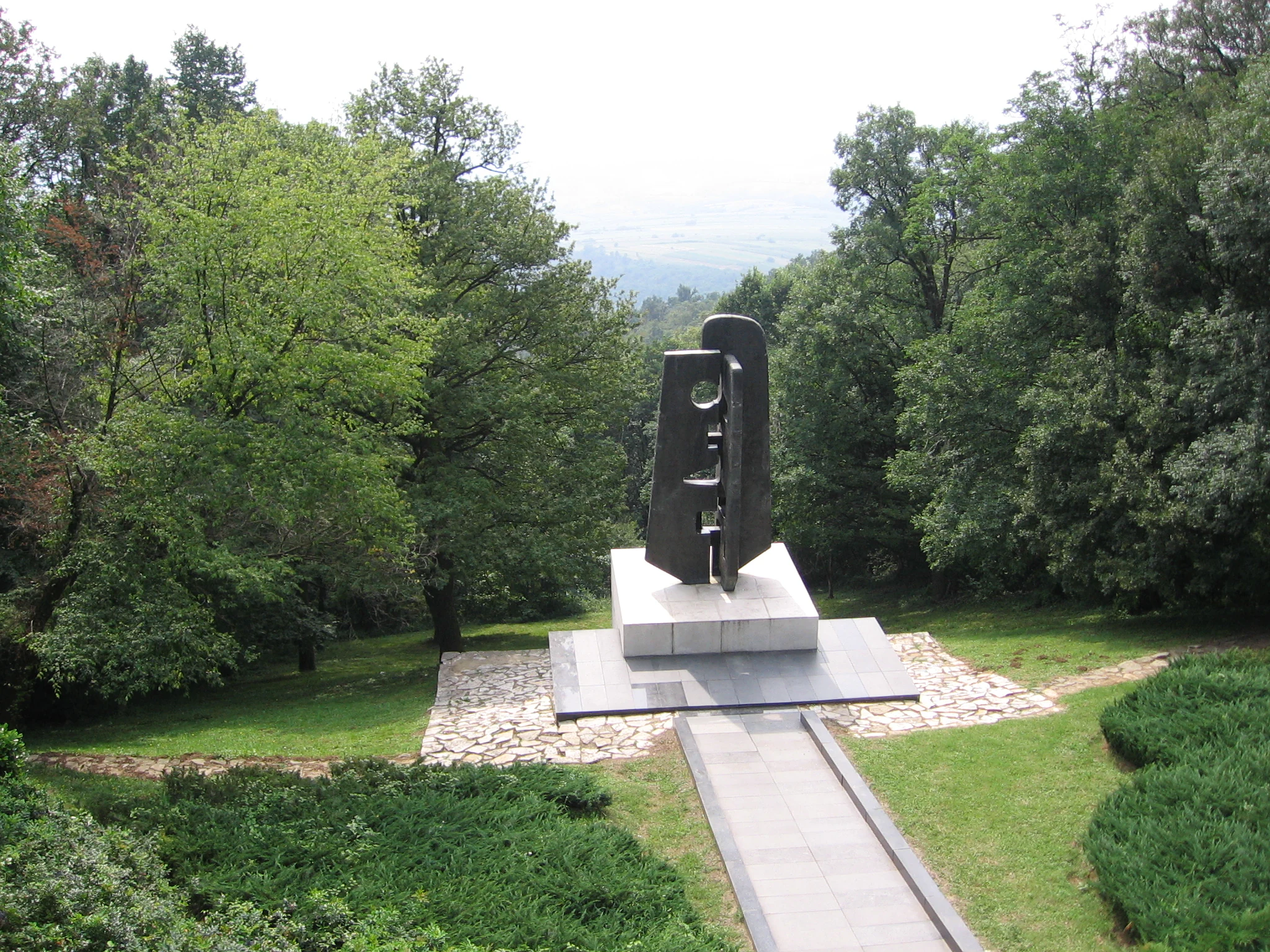
Abstract black monument on stone pedestal with pathway leading to it, surrounded by green trees and grass
Monument to Soviet war veterans at Avala Mountain viewpoint

Top sights and standout views in Avala

Avala's highlights include the iconic Avala TV Tower offering panoramic views of Belgrade and the surrounding region; the Monument to the Unknown Hero, a masterpiece of Yugoslav-era sculpture; and the historic mining caves at Šuplja Stena. The mountain's ecological trails, particularly the Sakinac hiking route, provide access to natural springs and forested slopes. The mountaineering camp Čarapićev brest offers recreational facilities, while the Hotel Avala and Mitrovićev dom provide accommodation in historic buildings. The area's biodiversity, with over 600 plant species and nearly 100 bird species, makes it significant for nature observation. The ski facilities, dating to 1929, represent Yugoslavia's and Serbia's skiing heritage.
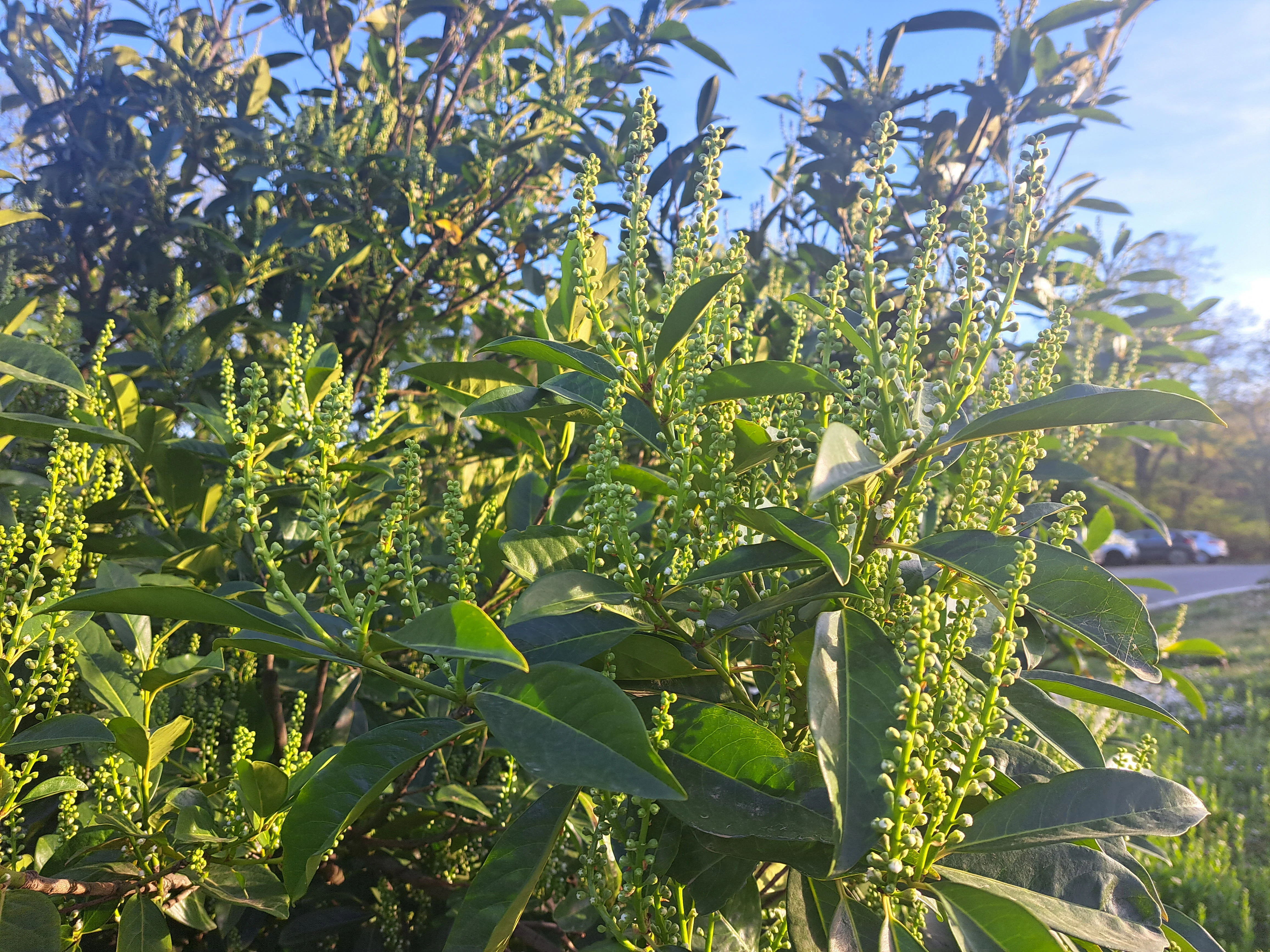
Close-up of green leaves and small green flower buds on a bush with a blurred background of trees and sky
Close-up of green foliage and flowering plants in Avala National Park

Best time to visit Avala

Avala can be visited year-round, with each season offering different experiences. Spring and autumn provide pleasant temperatures for hiking and exploring the mountain's trails and wildlife. Summer offers warm weather but the mountain's forests provide natural cooling, though water shortages can occur in surrounding settlements. Winter brings snowfall that enables skiing on the mountain's slopes, continuing a tradition since 1929. The mountain serves as a year-round recreation area for Belgrade residents, though its full tourist potential remains underutilized compared to the capital's population of over 1.5 million.
Park location guide

Geography guide, regional context, and park location map for Avala

Avala park geography, regions, and map view in Serbia
Understand where Avala sits in Serbia through a broader geographic reading of the surrounding landscape, nearby location context, and its mapped position within the national park landscape.

How Avala fits into Serbia

Serbia is a landlocked country in Southeast and Central Europe, bordered by eight neighboring countries. With a population of approximately 6.6 million, it operates as a unitary parliamentary republic with Belgrade as its capital. The country has a rich history dating back to medieval statehood in the 7th century and has been independent since 2006 following the dissolution of Serbia and Montenegro.

Wider geography shaping Avala in Serbia

Serbia is a landlocked country in the Balkans, spanning parts of Southeast and Central Europe. It occupies a strategic position in the heart of the Balkan Peninsula, bordered by Hungary to the north, Romania to the northeast, Bulgaria to the southeast, North Macedonia to the south, Croatia to the northwest, Bosnia and Herzegovina to the west, and Montenegro to the southwest. The terrain varies from rolling plains in the north to mountainous regions in the south and east.

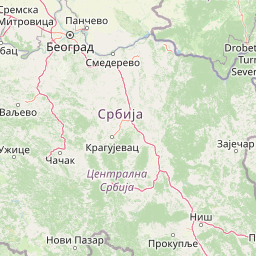
Map view of Avala

Use this park location map to pinpoint Avala in Serbia, understand its exact geographic position, and read its mapped placement within the surrounding landscape more clearly.

Pigeon | © OpenStreetMap contributors

Location context for Avala

Belgrade

Visual Guide to Avala's Forested Slopes, Panoramic Vistas, and Unique Mountain Environment

Avala Mountain Park Photos: Explore Landscapes, Scenery, and Protected Area Views
Explore curated imagery of Avala Mountain to visualize its distinct forested landscapes, prominent peak, and the unique natural features defining this protected area near Belgrade. Gain visual insights into the park's ecological character, historical monuments, and varied terrain, enhancing your understanding of its environmental and geographic significance.

Avala Mountain viewed from a distance with green forests, fields, and large clouds in the sky

Wide landscape view of a winding river surrounded by green hills and rocky terrain with yellow wildflowers

Large stone monument with steps leading up to a structure featuring two statues and a central gate, set against a partly cloudy sky

Tall concrete tower with three legs against a blue sky with clouds, trees visible at the base.

Aerial view showing a monument atop a forested mountain with circular roads and pathways leading to the structure

Close-up of green leafy shrub with small yellow flower buds under blue sky

Abstract black monument on stone pedestal with pathway leading to it, surrounded by green trees and grass

Close-up of green leaves and small green flower buds on a bush with a blurred background of trees and sky

A gravel path surrounded by tall trees and dense green vegetation leading into the distance

Aerial view of Avala Tower and Monument to the Unknown Hero covered in snow with snow-laden trees and fog in the background

A paved road leading into a wooded area with trees and informational signs under a clear blue sky

Stone monument with columns and statues, leading up to a staircase on a paved plaza

Green forest floor with dense vegetation, small white flowers, and fallen branches under a canopy of trees

Aerial view showing Mitrovicev dom lodge with red roofs, a tall communication tower, surrounding forest, parking lot, and road

Grassy field in the foreground, forested midground, and Mount Avala with a tall tower in the background under a cloudy sky

Stone ruins of Žrnov fortress with two cylindrical towers, partial collapse, and scaffolding on one tower, set on rocky terrain.

Park atlas

Explore mapped protected landscapes and regional park geography surrounding Belgrade's iconic mountain.

Discover Other National Parks and Protected Areas Near Avala Mountain, Serbia
Explore other national parks and protected areas within Serbia's Pannonian Island Mountains range and the broader Šumadija region, continuing your discovery from Avala. Compare diverse forested landscapes, historical monuments, and unique geological formations across these nearby conservation sites to trace regional protected-area patterns.
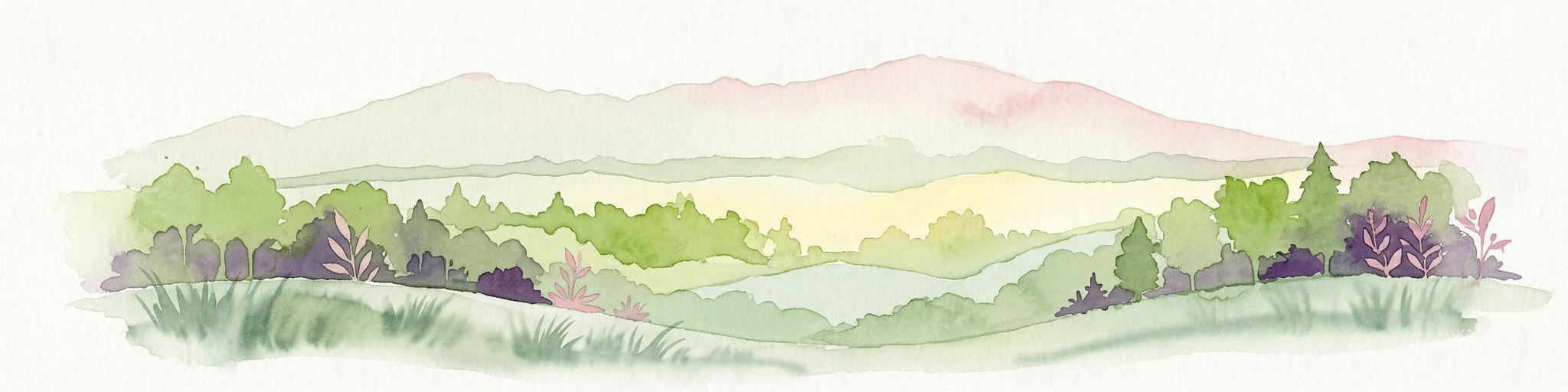
Watercolor painting showing green forests, a river, and pink-hued mountains in the background
Protected landscape

Kosmaj Protected Landscape: Explore Serbia's Island Mountain Geography and Forests

Mapped terrain, historic monasteries, and biodiversity near Belgrade.

Kosmaj, a unique protected landscape and island mountain, presents a compelling study in regional geography and mapped terrain for atlas enthusiasts. Rising prominently near Belgrade, its landscape is characterized by dense deciduous forests of beech and oak blanketing its steeper slopes, along with distinct peaks like Mali Vis and Goli Vis. This area serves as a vital watershed source and boasts significant biodiversity, offering a rich context for understanding Serbia's natural and historic environments through structured geographic data and map exploration.

Area
0.035 km²
Established
2005
Relief
Lowland
Climate
Temperate
Protected area

Jegrička Nature Park: Mapped Protected Area with Riverine Wetland Ecosystems

Explore the geography and protected landscape of Jegrička Nature Park.

Jegrička Nature Park is a designated protected area recognized for its significant riverine wetland character within the Pannonian Plain of northern Serbia. The park's landscape is defined by the meandering Jegrička river, extensive marshlands, and riparian vegetation, serving as crucial freshwater habitat for diverse waterfowl and migratory bird populations. This page offers detailed geographic context and atlas-level exploration of its protected boundaries and ecological importance within Eastern Europe's broader natural heritage.

Relief
Lowland
Scope
Mixed
Water
Major water bodies
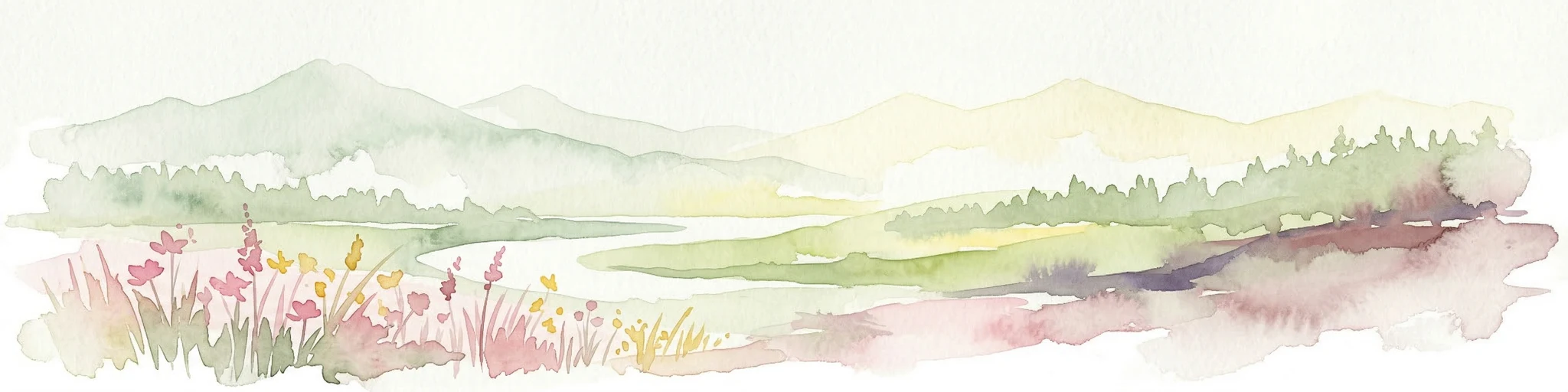
Watercolor illustration depicting a landscape with mountains, a winding river, and grassy fields
Protected landscape

Vršac Mountains Protected Landscape: A Unique Pannonian Island Mountain Range in Serbia

Explore distinct geological formations and rich avian habitats.

The Vršac Mountains Protected Landscape offers a unique geographic perspective as one of Serbia's Pannonian island mountains, emerging dramatically from the surrounding plains. This protected area is recognized for its striking gneiss and schist formations, its status as Vojvodina's highest elevation, and its exceptional importance for birdwatching, hosting over 120 species. Delve into the mapped terrain and geological character that distinguish this vital natural region.

Area
170 km²
Established
1982
Relief
Mountain
Climate
Temperate
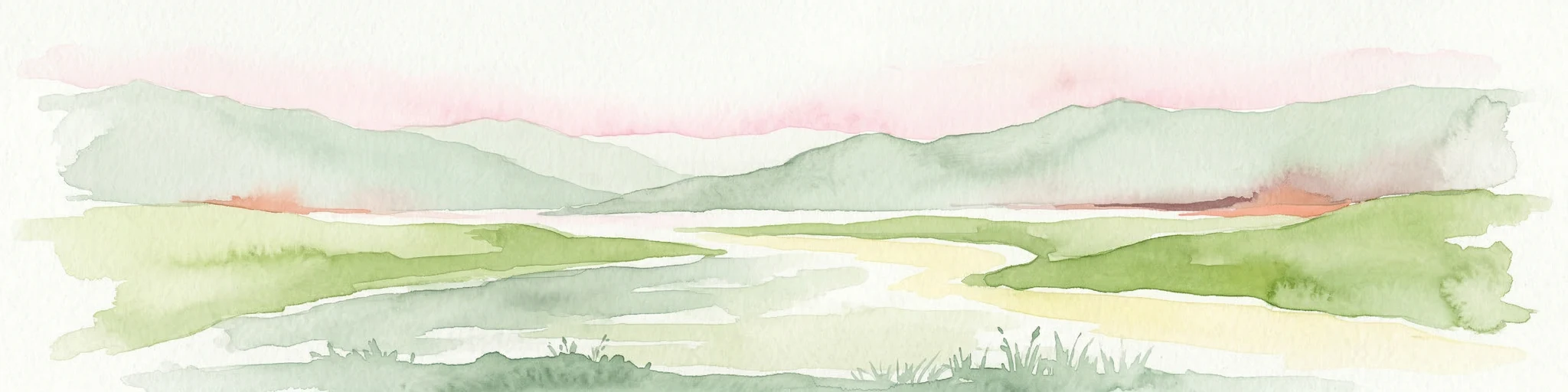
Watercolor painting showing a river canyon with mountains in the background and green vegetation in the foreground
National park

Drina National Park: Bosnia and Herzegovina's Protected Canyon and Endemic Ecosystem

Explore mapped geography and natural landscapes in this Balkan national park.

Drina National Park is a protected area in eastern Bosnia and Herzegovina, celebrated for its striking Drina River canyon landscape. As a national park, it preserves vital habitats for endemic species such as the Serbian spruce and provides a crucial geographic anchor for regional conservation. Its deep gorges and steep slopes offer a rich context for understanding the natural terrain and mapped boundaries within the broader Balkan geography.

Area
63.15 km²
Established
2017
IUCN
II
Relief
Mountain
National park

Tara National Park: Endemic Flora and Dramatic Dinaric Alps Geography

Discover Serbia's iconic protected mountain landscape and its unique botanical heritage.

Tara National Park is a significant protected area in Serbia, celebrated for its exceptional botanical value and dramatic mountainous terrain. It is the last refuge for Pančić's spruce, a living fossil conifer, and hosts a remarkable diversity of Balkan flora. The park's landscape is defined by steep limestone cliffs, deep river valleys like the Drina canyon, and expansive forest ecosystems, offering a unique geographic study of protected lands. Explore its mapped features and discover a vital conservation area within the Dinaric Alps.

Area
249.92 km²
Established
1981
Relief
Mountain
Climate
Temperate
Watercolor illustration of a river flowing through a valley with mountains in the background
Protected landscapeRomania

Iron Gates Natural Park: Explore Romania's Protected Landscape and Geographic Context

Detailed atlas view of a protected landscape in Romania.

Uncover the geographic dimensions of Iron Gates Natural Park, a protected landscape situated in Romania. This detailed entry offers an atlas-centric exploration of its mapped boundaries and regional setting, facilitating a deeper understanding of its protected status and landscape features within the national geography. Discover the park's intrinsic value through structured geographic data and visual map context.

Area
1,156.66 km²
Established
2000
Relief
Mixed relief
Climate
Mediterranean
National park

Đerdap National Park: Europe's Grandest River Gorge and Protected Landscape

Explore Serbia's largest national park along the Danube River.

Đerdap National Park is defined by the Iron Gate, Europe's longest and most dramatic river gorge, a geological marvel carved through the Carpathian Mountains. This protected area showcases a complex karst landscape with towering cliffs, deep river sections, and rich biodiversity, including vital Tertiary relict species. The park's vastness and unique terrain offer a profound geographic context for understanding regional natural landscapes and conservation efforts. Explore its mapped boundaries and ecological significance.

Area
637.87 km²
Established
1974
IUCN
II
Relief
Mountain
Watercolor illustration showing rolling hills, a river, trees, and distant mountains
Protected landscape

Zlatibor Protected Landscape: Explore its Mapped Geography and Unique Alpine Meadows

Discover Dinaric Alps protected terrain and landscape context.

Zlatibor Protected Landscape offers a distinct exploration of mountainous terrain and protected natural areas in Serbia. Situated in the Dinaric Alps, its landscape is defined by rolling upland plateaus, dense coniferous forests, and open alpine meadows, creating a visually rich environment. The park's geography includes notable karst features and extensive cave systems, complemented by the natural boundaries of significant rivers. Delve into the mapped protected area to understand its landscape character, from the highest peak at Tornik to the unique geological formations and the rare endemic pine subspecies, providing a concrete geographic perspective for atlas-based discovery.

Area
0.419 km²
Established
2017
IUCN
VI
Relief
Mixed relief

Common questions about visiting, size, designation, and location context for Avala

Avala FAQs for park facts, access, geography, and protected area context
Find quick answers about Avala, including protected-area facts, park geography, trail and visitor context, and how the park fits into its surrounding country and regional landscape.
MoriAtlas Explorer

Continue Your Protected Areas Search Across the Global Atlas

Deepen your exploration by continuing the structured search for national parks and protected areas worldwide. Utilize the comprehensive filtering capabilities to compare different conservation landscapes and refine your understanding of global park geography. Discover more about the distribution and characteristics of protected natural areas.

Global natural geography