Mori Atlas logo
National parkNera Gorge-Beușnița National Park

Discover the mapped boundaries and geographic context of this unique protected area in Romania.

Nera Gorge-Beușnița National Park: Romania's Distinctive Karst Canyon and Protected Landscape

Nera Gorge-Beușnița National Park stands as a significant protected natural area in southwestern Romania, characterized by its dramatic Nera River gorge carved through striking karst terrain. This protected landscape showcases steep limestone cliffs, deep ravines, and a notable underground cave network, highlighting its importance for regional geography and protected area atlas exploration. The park's unique geomorphological and hydrological features, including the prominent Beușnița waterfalls, offer a clear example of a protected karst canyon ecosystem within the Balkan region.

karst landscaperiver gorgewaterfallscave systemslimestone terrainprotected area

Nera Gorge-Beușnița National Park

National park

Park overview

Structured park overview, official facts, and landscape profile for Nera Gorge-Beușnița National Park

Nera Gorge-Beușnița National Park park facts, protected area profile, and essential visitor context
Review the core facts for Nera Gorge-Beușnița National Park, including designation, size, terrain, visitor scale, habitats, and operating context in one park-focused overview.

About Nera Gorge-Beușnița National Park

Nera Gorge-Beușnița National Park protects a remarkable karst landscape in the Banat Mountains of southwestern Romania. The Nera River, originating from spring systems in the area, has excavated a deep canyon through Cretaceous limestone, creating walls that rise dramatically above the watercourse. This gorge section represents one of the more significant karst canyons in Romania. The park extends beyond the immediate gorge to include the broader catchment area and associated karst features. Underground, the limestone has developed an extensive cave system with passages, chambers, and stalactite formations. The Beușnița area within the park features a waterfall complex where water emerges from karst springs and drops in cascades down the limestone walls. The vegetation cover includes deciduous forests on the slopes and narrower valley flora along the watercourse. The park was designated to protect both the surface landscape and the subterranean cave systems as an integrated karst ecosystem.

Quick facts and research context for Nera Gorge-Beușnița National Park

Nera Gorge-Beușnița National Park protects a karst landscape in southwestern Romania's Banat region. The park centers on the Nera River as it cuts through limestone formations, creating a gorge environment with significant vertical relief. The area contains the Beușnița waterfall complex and numerous caves. The protected area was established to preserve the karst ecosystem, the river's natural flow, and the associated biodiversity. The region has historically been recognized for its scenic and scientific value.

Park context

Deeper park guide and search-rich context for Nera Gorge-Beușnița National Park

Nera Gorge-Beușnița National Park history, landscape, wildlife, and travel context
Explore Nera Gorge-Beușnița National Park through its history, landscape character, ecosystems, wildlife, conservation priorities, cultural context, and seasonal travel timing in a structured park guide built for atlas discovery and search intent.

Why Nera Gorge-Beușnița National Park stands out

The park is most notably recognized for its karst canyon landscape, where the Nera River has carved a deep gorge through limestone terrain. The Beușnița waterfalls, a series of cascades fed by underground springs, represent one of the park's signature natural features. The area also contains an extensive network of caves and underground passages that have been the subject of speleological investigation. The combination of surface gorge scenery, waterfalls, and subterranean systems makes this a distinctive protected area within Romania's park system.

Nera Gorge-Beușnița National Park history and protected-area timeline

The protected area was formally established as a national park within Romania's system of protected areas. The karst landscape of the Nera gorge and Beușnița area had been recognized for its scientific and scenic value prior to national park designation. The area's caves have attracted research interest from speleologists, with documentation of underground passages and formations contributing to understanding of Romanian karst systems. The establishment of the park reflected growing recognition of the need to protect karst ecosystems that include both surface and underground components.

Nera Gorge-Beușnița National Park landscape and geographic character

The park's landscape is defined by the Nera River's passage through a karst canyon. Limestone cliffs rise on both sides of the river, with the gorge floor containing the active water channel, rock debris, and riparian vegetation. Above the canyon rim, the terrain transitions to forested slopes and eventually to higher plateau areas. The Beușnița section features a waterfall system where karst springs emerge from the rock face. Throughout the park, karst features including sinkholes, caves, and rock formations are visible at the surface. The limestone bedrock creates characteristic grey-white cliff faces and rubble-covered slopes.

Nera Gorge-Beușnița National Park ecosystems, habitats, and plant life

The karst environment supports a distinctive set of habitats. The river corridor provides aquatic and riparian habitats, while the cliff faces and cave openings offer conditions for specialized organisms. Forest vegetation covers much of the steeper slopes, with species adapted to the limestone substrate. The underground cave system creates a distinct habitat zone with its own ecological community. Water quality in the Nera River and the spring-fed waterfall systems reflects the karst hydrology, with groundwater flowing through the limestone and emerging at specific points.

Nera Gorge-Beușnița National Park wildlife and species highlights

The park's diverse habitats support corresponding wildlife communities. The forest areas provide habitat for various mammal and bird species typical of Romanian woodland environments. The river and waterfall systems support aquatic organisms adapted to flowing water and karst spring conditions. Cave-dwelling species are present in the underground passages. The karst cliffs offer nesting habitat for bird species that favor rocky terrain.

Nera Gorge-Beușnița National Park conservation status and protection priorities

The national park designation provides protection for the integrated karst ecosystem, including surface landscape, the Nera River corridor, and underground cave systems. This protection addresses both the geomorphological significance of the canyon and the ecological value of the various habitat types. The karst system is vulnerable to changes in water quality and physical disturbance, making formal protected status important for long-term preservation.

Nera Gorge-Beușnița National Park cultural meaning and human context

The Beușnița area has local cultural significance as a scenic landmark within the Banat region. The park is situated in a part of Romania with historical connections to Austrian-Hungarian administration, reflected in some local naming and settlement patterns. The landscape has been noted in regional descriptions of southwestern Romania's natural features.

Top sights and standout views in Nera Gorge-Beușnița National Park

The Nera River gorge with its limestone canyon walls represents the park's central scenic feature. Beușnița waterfall complex provides a distinctive water feature within the protected area. The network of karst caves offers underground exploration potential and scientific interest. The combination of surface canyon scenery, waterfalls, and caves within a single protected area creates a notable natural experience.

Best time to visit Nera Gorge-Beușnița National Park

The park can be visited throughout the year, though spring and early summer typically offer the most reliable water flow at the Beușnița waterfalls following snowmelt and precipitation. Autumn provides clear conditions and colorful forest scenery. Winter visits may offer stark canyon scenery though some trails may be more challenging.
Park location guide

Geography guide, regional context, and park location map for Nera Gorge-Beușnița National Park

Nera Gorge-Beușnița National Park park geography, regions, and map view in Romania
Understand where Nera Gorge-Beușnița National Park sits in Romania through a broader geographic reading of the surrounding landscape, nearby location context, and its mapped position within the national park landscape.

How Nera Gorge-Beușnița National Park fits into Romania

Romania is a unitary semi-presidential republic located in Southeast and Central Europe. It borders Ukraine, Hungary, Serbia, Bulgaria, Moldova, and the Black Sea. The country has a population of approximately 19 million and covers an area of 238,397 km². Bucharest is the capital and largest city. Romania joined the European Union in 2007.

Wider geography shaping Nera Gorge-Beușnița National Park in Romania

Romania lies on the lower course of the Danube River, north of the Balkan Peninsula, and on the northwestern shore of the Black Sea. The terrain is varied, featuring the Carpathian Mountains in the center, the Transylvanian Plateau, the Moldavian Plateau, and plains along the Danube and in the south. The country has a diverse landscape that includes forests, meadows, and wetland areas.

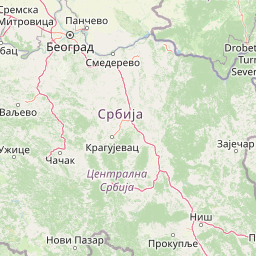
Map view of Nera Gorge-Beușnița National Park

Use this park location map to pinpoint Nera Gorge-Beușnița National Park in Romania, understand its exact geographic position, and read its mapped placement within the surrounding landscape more clearly.

Pigeon | © OpenStreetMap contributors
Park atlas

Compare protected landscapes, river gorges, and karst systems across Romania's Banat region and neighboring territories.

Explore National Parks and Protected Areas Beyond Nera Gorge-Beușnița National Park in Romania
Browse other national parks and protected areas with comparable karst terrain, river gorges, and cave systems located near Nera Gorge-Beușnița National Park. This geographic view enables a deeper understanding of regional protected-area distribution and allows for direct comparison of conservation landscapes.
Watercolor illustration of a landscape with mountains, forests, and a body of water
National park

Semenic-Cheile Carașului National Park: Romania's Protected Landscape Discovery

National Park Geography and Mapped Boundaries

Delve into Semenic-Cheile Carașului National Park, a protected landscape in Romania, with a focus on its atlas and geographic context. This page details the park's identity as a national park, its specific mapped boundaries, and its contribution to regional geographic understanding. Utilize MoriAtlas to explore the structured data that defines this protected area and its surrounding natural terrain, enhancing your comprehension of Romania's conservation landscapes.

IUCN
II
Scope
Terrestrial
Watercolor illustration of a river flowing through a valley with mountains in the background
Protected landscapeRomania

Iron Gates Natural Park: Explore Romania's Protected Landscape and Geographic Context

Detailed atlas view of a protected landscape in Romania.

Uncover the geographic dimensions of Iron Gates Natural Park, a protected landscape situated in Romania. This detailed entry offers an atlas-centric exploration of its mapped boundaries and regional setting, facilitating a deeper understanding of its protected status and landscape features within the national geography. Discover the park's intrinsic value through structured geographic data and visual map context.

Area
1,156.66 km²
Established
2000
IUCN
V
Relief
Mixed relief
Watercolor illustration depicting a landscape with mountains, a winding river, and grassy fields
Protected landscape

Vršac Mountains Protected Landscape: A Unique Pannonian Island Mountain Range in Serbia

Explore distinct geological formations and rich avian habitats.

The Vršac Mountains Protected Landscape offers a unique geographic perspective as one of Serbia's Pannonian island mountains, emerging dramatically from the surrounding plains. This protected area is recognized for its striking gneiss and schist formations, its status as Vojvodina's highest elevation, and its exceptional importance for birdwatching, hosting over 120 species. Delve into the mapped terrain and geological character that distinguish this vital natural region.

Area
170 km²
Established
1982
IUCN
V
Relief
Mountain
Watercolor illustration of a river flowing through a valley with rolling hills and trees
National park

Đerdap National Park: Europe's Grandest River Gorge and Protected Landscape

Explore Serbia's largest national park along the Danube River.

Đerdap National Park is defined by the Iron Gate, Europe's longest and most dramatic river gorge, a geological marvel carved through the Carpathian Mountains. This protected area showcases a complex karst landscape with towering cliffs, deep river sections, and rich biodiversity, including vital Tertiary relict species. The park's vastness and unique terrain offer a profound geographic context for understanding regional natural landscapes and conservation efforts. Explore its mapped boundaries and ecological significance.

Area
637.87 km²
Established
1974
IUCN
II
Relief
Mountain
Watercolor illustration of a river flowing through a valley with mountains and forests in the background
National park

Domogled-Valea Cernei National Park: National Park with Mapped Protected Landscape

Explore its protected boundaries and regional geography.

Domogled-Valea Cernei National Park is recognized as a National Park, offering a distinct protected landscape for atlas-based discovery. This page provides focused insights into its mapped geographic extent and the character of its natural terrain. Understand the park's role within Romania's protected areas network and its unique geographic identity. Utilize this structured view to navigate the park's features and its surrounding landscape context for informed exploration.

Area
612.11 km²
Established
2000
IUCN
II
Relief
Mountain
Watercolor illustration showing rolling hills, scattered trees, and a soft pink sky
Protected landscapeMehedinți County

Mehedinți Plateau Geopark Protected Landscape: Karst Geography and Regional Context

Explore Romania's unique limestone formations and karst landscapes.

The Mehedinți Plateau Geopark in Mehedinți County, Romania, is a significant protected landscape celebrated for its extensive karst features. This page offers detailed insights into the park's mapped boundaries, including its famous natural bridges like Podul lui Dumnezeu, vast limestone pavements, and cave systems. Understand its position within the broader regional geography of southwestern Romania, providing a solid foundation for atlas-driven exploration of this geologically rich area.

Area
1,065 km²
Established
2005
IUCN
V
Relief
Upland
Watercolor illustration of a mountain range with forests, a lake, and distant hills under a light sky
National parkHunedoara County

Retezat National Park National Park: Protected Landscape and Regional Geography

Mapped boundaries and landscape context in Hunedoara County.

Retezat National Park is a key protected area featured within MoriAtlas, offering structured geographic data and map-based insights. This national park's protected landscape is situated in Hunedoara County, Romania, contributing significantly to the regional topography and natural context of the Southern Carpathians. Explore its mapped boundaries and understand its role as a distinct natural entity.

Area
380.47 km²
Established
1935
IUCN
II
Relief
Mountain
Watercolor painting of green rolling hills, a river, and distant mountains under a light sky.
Protected areaRomania

Hațeg Country Dinosaur Geopark: Mapped Protected Area within Romania's Geography

Explore the protected landscape and regional atlas context.

Discover the Hațeg Country Dinosaur Geopark, a distinct protected area situated within the rich geography of Romania. This entry provides detailed information on its mapped boundaries and landscape characteristics, serving as a crucial anchor for understanding its place in the Southeast European region. Explore the structured geographic data and atlas context that define this significant protected landscape.

IUCN
V
Scope
Terrestrial

Common questions about visiting, size, designation, and location context for Nera Gorge-Beușnița National Park

Nera Gorge-Beușnița National Park FAQs for park facts, access, geography, and protected area context
Find quick answers about Nera Gorge-Beușnița National Park, including protected-area facts, park geography, trail and visitor context, and how the park fits into its surrounding country and regional landscape.
MoriAtlas Explorer

Continue Your Protected Areas Search Across the Global Atlas

Deepen your exploration by continuing the structured search for national parks and protected areas worldwide. Utilize the comprehensive filtering capabilities to compare different conservation landscapes and refine your understanding of global park geography. Discover more about the distribution and characteristics of protected natural areas.

Global natural geography
Nera Gorge-Beușnița National Park: Romania's Karst Gorge & Protected Landscape