Why Domogled-Valea Cernei National Park stands out
This park is best known for its exceptional karst landscape featuring extensive cave systems, sinkholes, and limestone pavements that create a complex underground network. The dramatic mountainous scenery includes cirques, mountain peaks, and cascading waterfalls that define the valleys. The park protects significant Carpathian biodiversity, including rare and endemic species that inhabit its diverse forest types and alpine zones. The combination of karst topography, mountain wilderness, and ecological diversity makes it one of Romania's most geologically and biologically significant protected areas.
Domogled-Valea Cernei National Park history and protected-area timeline
The protection of Domogled-Valea Cernei dates to 1982 when initial designation occurred, though the formal legal establishment came through Law Number 5 of March 6, 2000, published in the Romanian Official Paper. This legislation elevated the area to full national park status under IUCN Category II, providing stronger legal protection and a framework for organized management. The park's creation reflected growing recognition in Romania of the need to preserve the Carpathian region's unique biodiversity and geological features. The historical context includes the broader Carpathian conservation movement in Romania that identified these mountains as priorities for protection due to their ecological significance and relatively intact ecosystems.
Domogled-Valea Cernei National Park landscape and geographic character
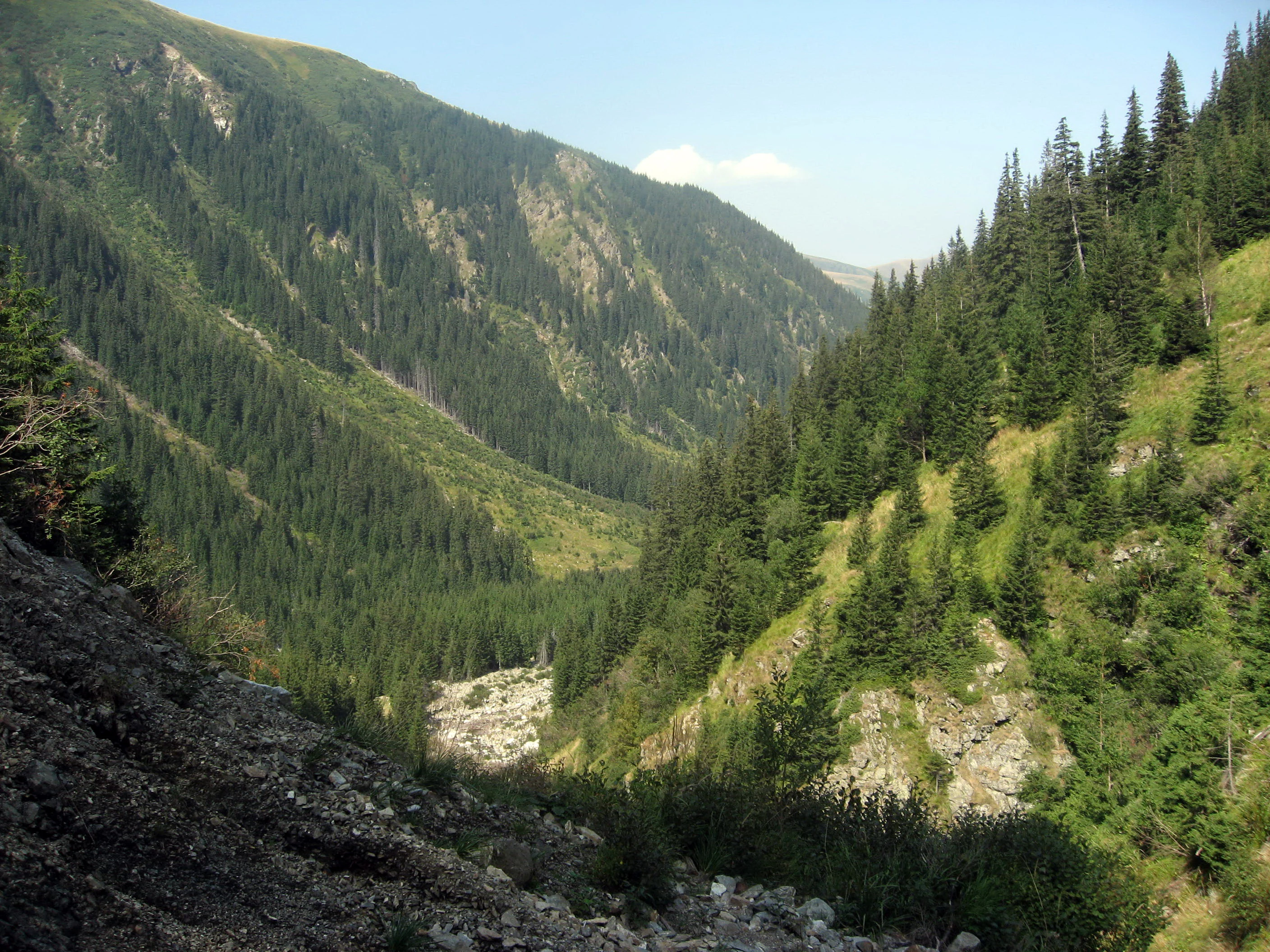
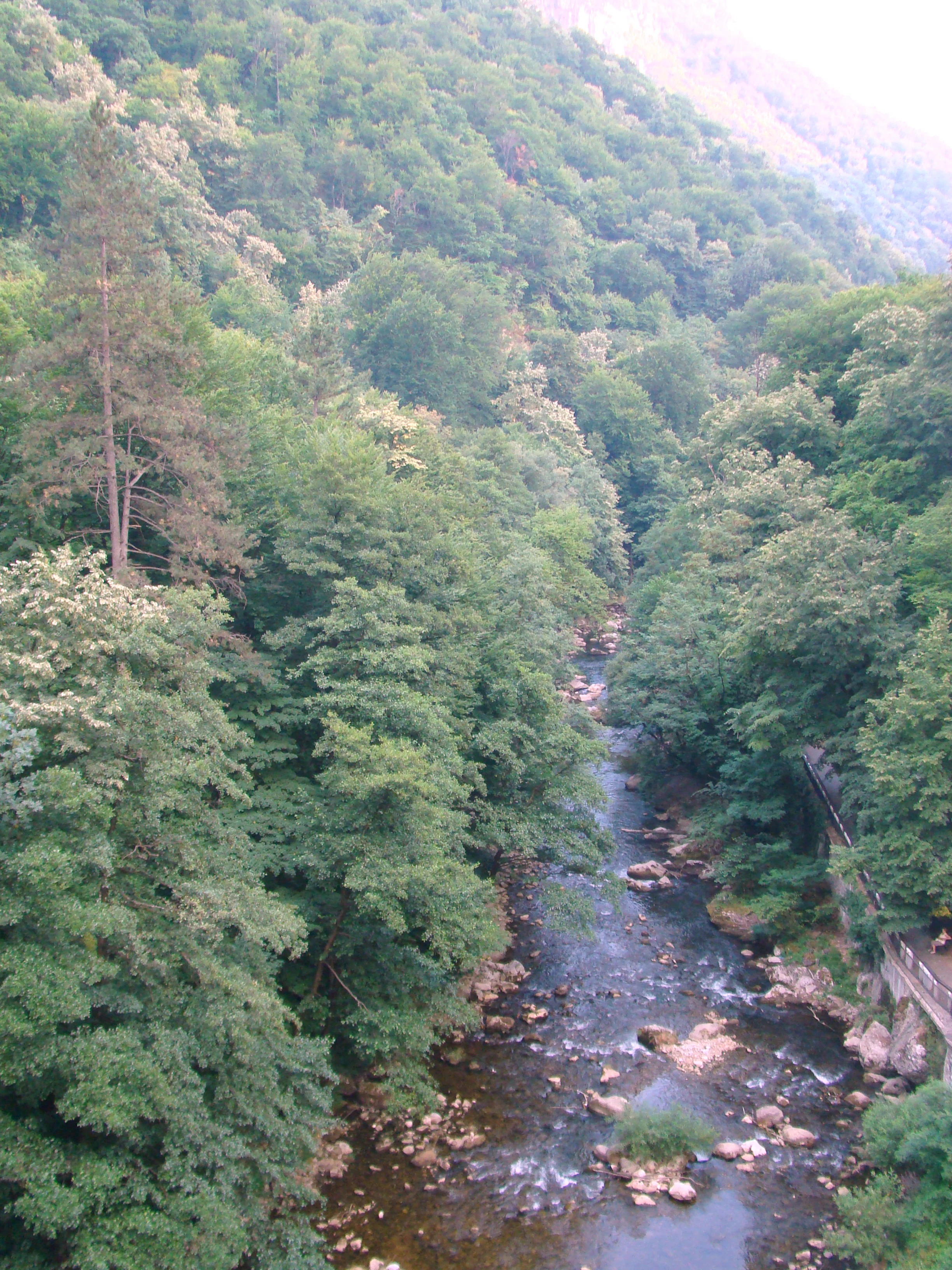
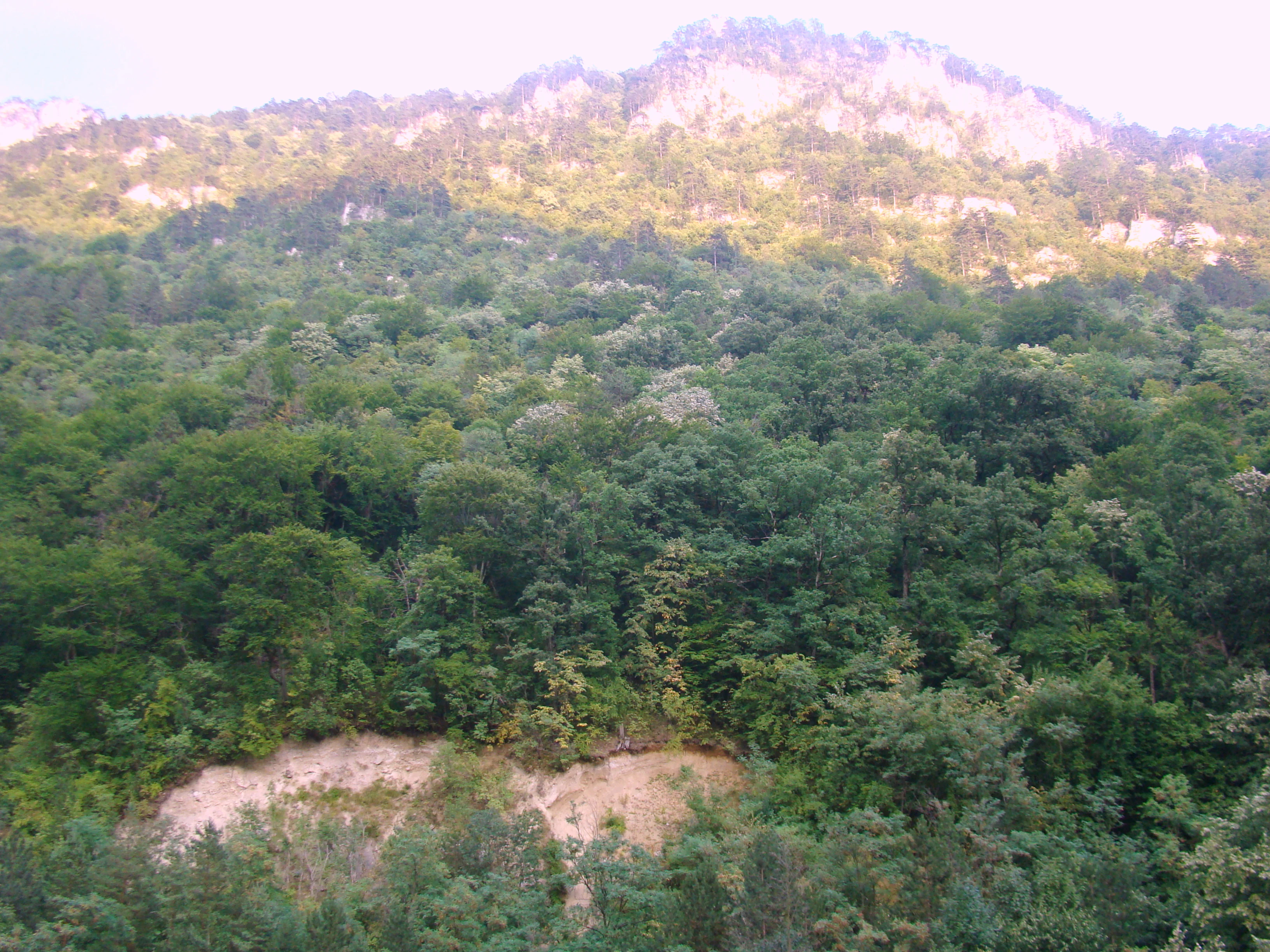
The physical landscape of Domogled-Valea Cernei is characterized by mountainous terrain of considerable diversity, shaped by both geological and erosional processes over millions of years. The park encompasses portions of several mountain ranges: the Cerna Mountains on the right side, the Godeanu Mountains rising alongside, with the Vâlcan Mountains and Mehedinți Mountains forming the left boundary. The terrain features dramatic relief including cirques, mountain peaks, and steep-sided valleys. Karst topography is a defining characteristic, with extensive limestone formations producing sinkholes, cave entrances, and distinctive limestone pavement exposures. The valley floors contain waterfalls where streams cascade over rock steps, adding to the scenic diversity. The elevation range supports distinct ecological zones from lower forested slopes up to alpine terrain.
Domogled-Valea Cernei National Park ecosystems, habitats, and plant life
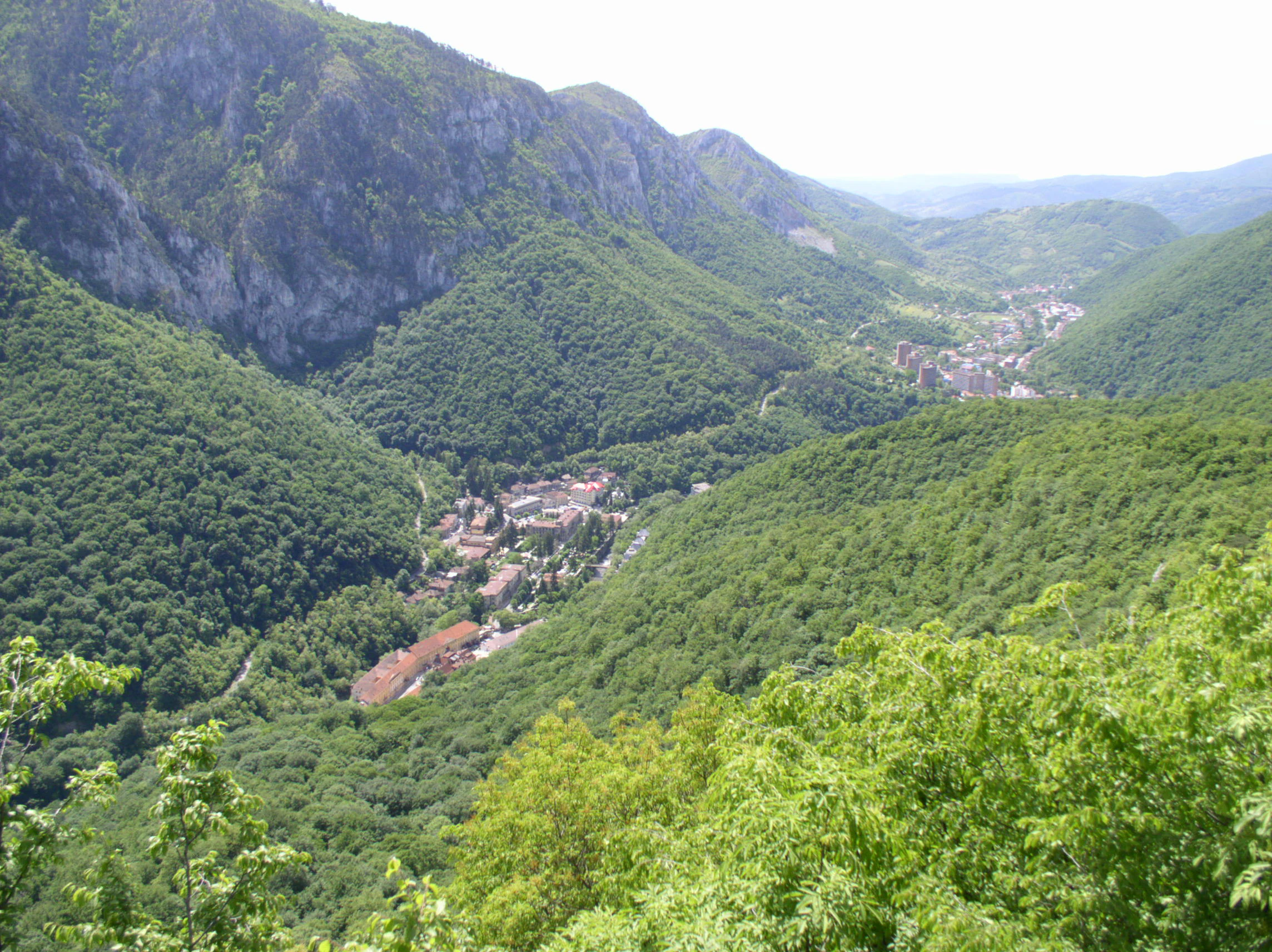
The ecological character of Domogled-Valea Cernei is defined by a complex mosaic of habitat types supporting considerable biodiversity. The park contains multiple distinct forest types including Beech forests of the Symphyto-Fagion and Asperulo-Fagetum communities, Medio-European beech forests of the Cephalanthero-Fagion type, and acidic spruce forests of the Vaccinio-Piceetea class in higher elevations. The Illyrian forests of Fagus sylvatica represent southeastern European forest types, while alluvial forests along watercourses feature alder and ash. The habitat diversity extends to include Alpine and boreal shrubberies, calcareous meadows at high elevations, and riparian vegetation along mountain streams. The karst geology creates additional specialized habitats including cave systems and petrifying springs with travertine formation.
Domogled-Valea Cernei National Park wildlife and species highlights
The wildlife community within Domogled-Valea Cernei reflects the Carpathian region's status as a biodiversity hotspot in Europe. The diverse forest habitats support populations of large mammals typical of Carpathian ecosystems, while the varied elevation zones and habitat types create conditions for species ranging from lowland forest dwellers to alpine specialists. The presence of rare and endemic species within the park highlights its conservation significance, with some species found nowhere else or only in limited Carpathian populations. The cave systems provide habitat for specialized underground species, and the watercourses support aquatic communities adapted to mountain stream conditions.
Domogled-Valea Cernei National Park conservation status and protection priorities
Domogled-Valea Cernei holds significant conservation value as one of Romania's larger national parks protecting Southern Carpathian mountain ecosystems. The park's protection extends to multiple habitat types listed under European conservation frameworks, including beech forests, alpine meadows, and karst formations. The presence of rare and endemic species adds to the conservation importance, with some species representing Carpathian endemics of particular concern. The park's designation as IUCN Category II reflects its primary objective of protecting natural ecosystems while allowing for limited human use consistent with conservation values. The network of nature reserves within the park provides additional protection for specific areas of particular ecological significance.
Domogled-Valea Cernei National Park cultural meaning and human context
Domogled-Valea Cernei lies within a region of the Carpathians with historical human presence and connection to the landscape. The nearby town of Băile Herculane represents a historic spa tradition in the broader region, utilizing natural springs that emerge in karst terrain similar to that found within the park. The Carpathian region more broadly has been shaped by traditional pastoral activities and forest use, though the park's rugged mountain terrain has limited intensive human modification compared to lower-lying areas. The cultural context reflects the broader Carpathian identity of Romania, where mountain communities have maintained connections to these landscapes over generations.
Top sights and standout views in Domogled-Valea Cernei National Park
The park's most distinctive features include its extensive karst landscape with caves and sinkholes, dramatic mountain cirques, and waterfall-filled valleys characteristic of the Southern Carpathians. The diversity of forest types from beech-dominated lower slopes to spruce forests in higher elevations creates a layered landscape of ecological interest. The presence of rare and endemic species, particularly in the context of Carpathian biodiversity significance, adds scientific value to the scenic qualities. Multiple nature reserves within the park provide specific focal areas for protection and potential research.
Best time to visit Domogled-Valea Cernei National Park
The park can be visited throughout the year, with each season offering different characteristics of the mountain environment. Summer months provide the most accessible conditions for trail exploration and wildlife observation, with warmer temperatures allowing extended time in higher elevations. Autumn brings forest color changes particularly striking in the beech-dominated woodlands. Winter access is limited in higher terrain but offers opportunities for those prepared for mountain winter conditions. Spring and early summer correspond with waterfall flows sustained by snowmelt and increased water availability.