Why Hațeg Country Dinosaur Geopark stands out
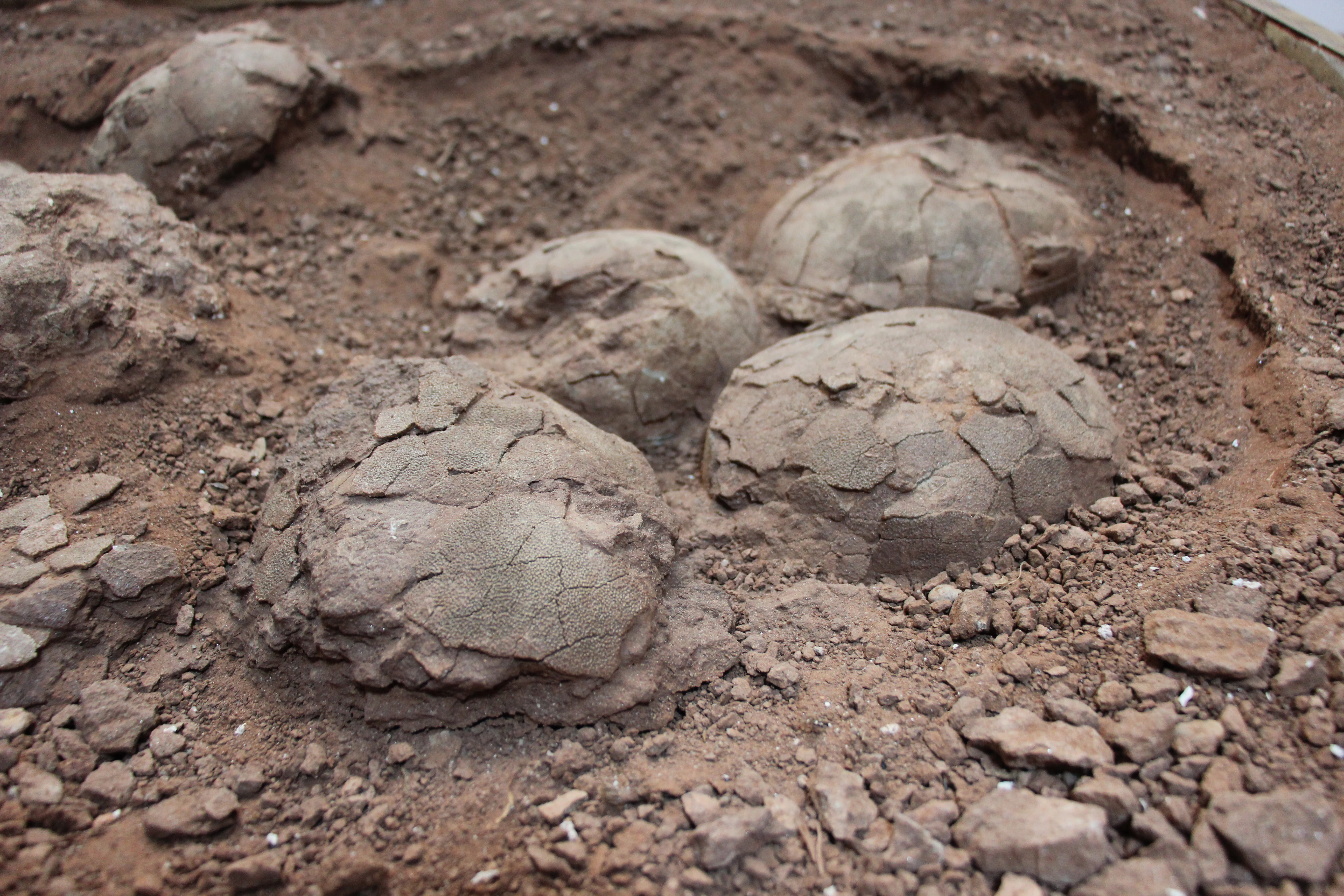
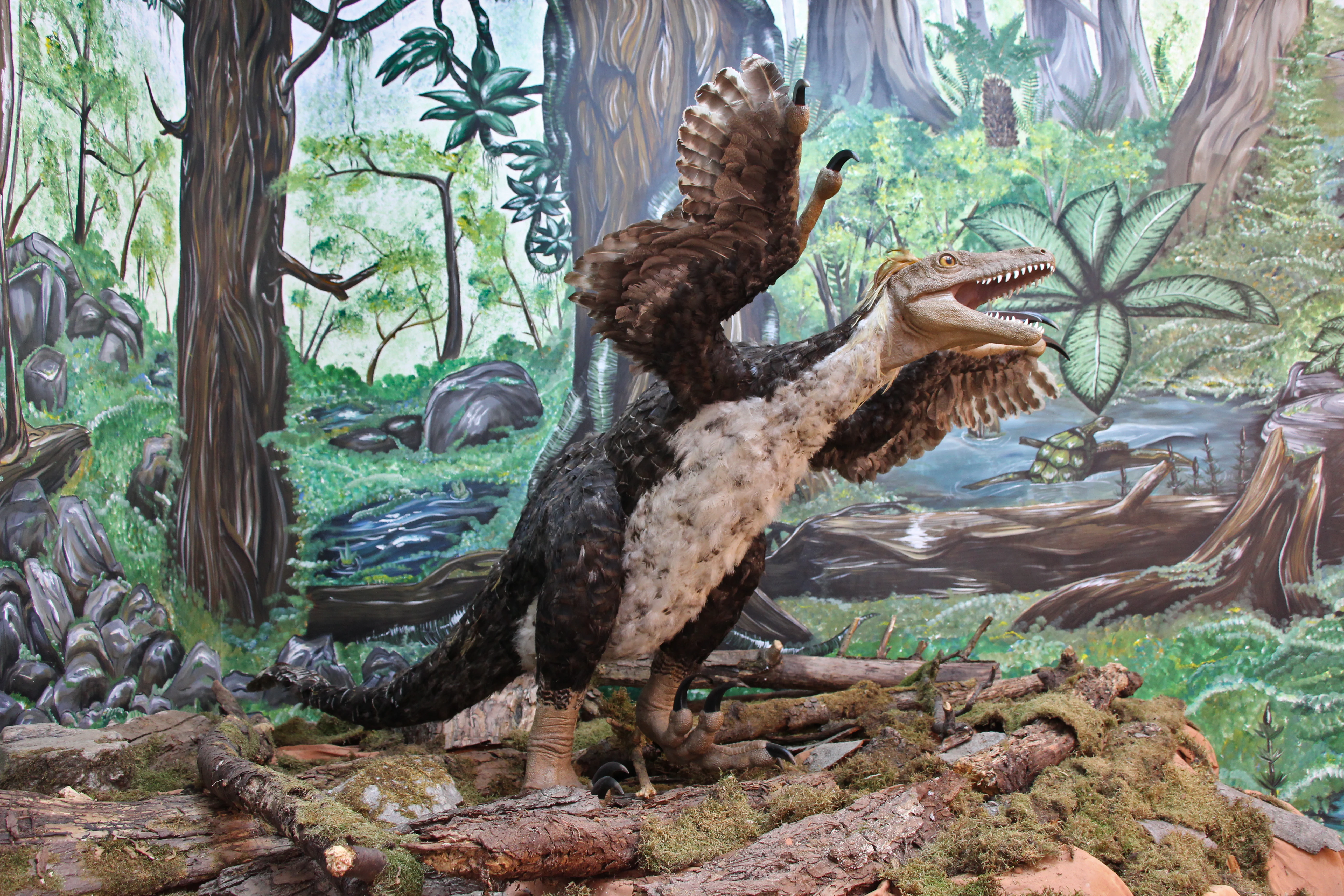
The geopark is best known for its exceptional Late Cretaceous dinosaur fossil sites, which have produced numerous species that are unique to the Hațeg region. The area has yielded well-preserved remains of ornithopod dinosaurs, theropods, and other prehistoric fauna that inhabited this part of Europe during the final epochs of the dinosaur age. These discoveries have made Hațeg one of the premier dinosaur localities on the continent, with findings that have contributed substantially to scientific understanding of European Cretaceous ecosystems.
Hațeg Country Dinosaur Geopark history and protected-area timeline
The paleontological significance of the Hațeg region was first recognized in the late 19th and early 20th centuries, when initial fossil discoveries drew the attention of European scientists. Systematic excavation and research over subsequent decades revealed the true scope of the region's dinosaur heritage, identifying multiple species that were endemic to this ancient island environment. The formal recognition of Hațeg as a UNESCO Global Geopark reflected decades of research progress and growing appreciation for both the scientific and educational value of the area. The geopark designation has supported ongoing research while also promoting sustainable development of the surrounding communities through geotourism and educational programs.
Hațeg Country Dinosaur Geopark landscape and geographic character
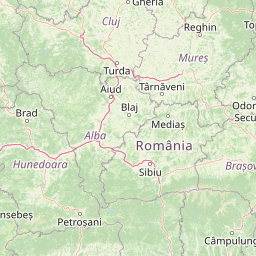
The Hațeg Depression is a basin surrounded by mountain ranges, characterized by a landscape of fertile valleys, rolling hills, and the corridors of rivers that have carved their way through the sedimentary terrain. The geological formations visible throughout the geopark include layers of sandstone, conglomerate, and shale that preserve the fossil remains within their ancient strata. The landscape maintains a traditional agricultural character, with villages, farmlands, and forests interspersed across the terrain. The geological exposures created by erosion and road cuts provide windows into the deep past, revealing the ancient environments where dinosaurs once thrived.
Hațeg Country Dinosaur Geopark ecosystems, habitats, and plant life
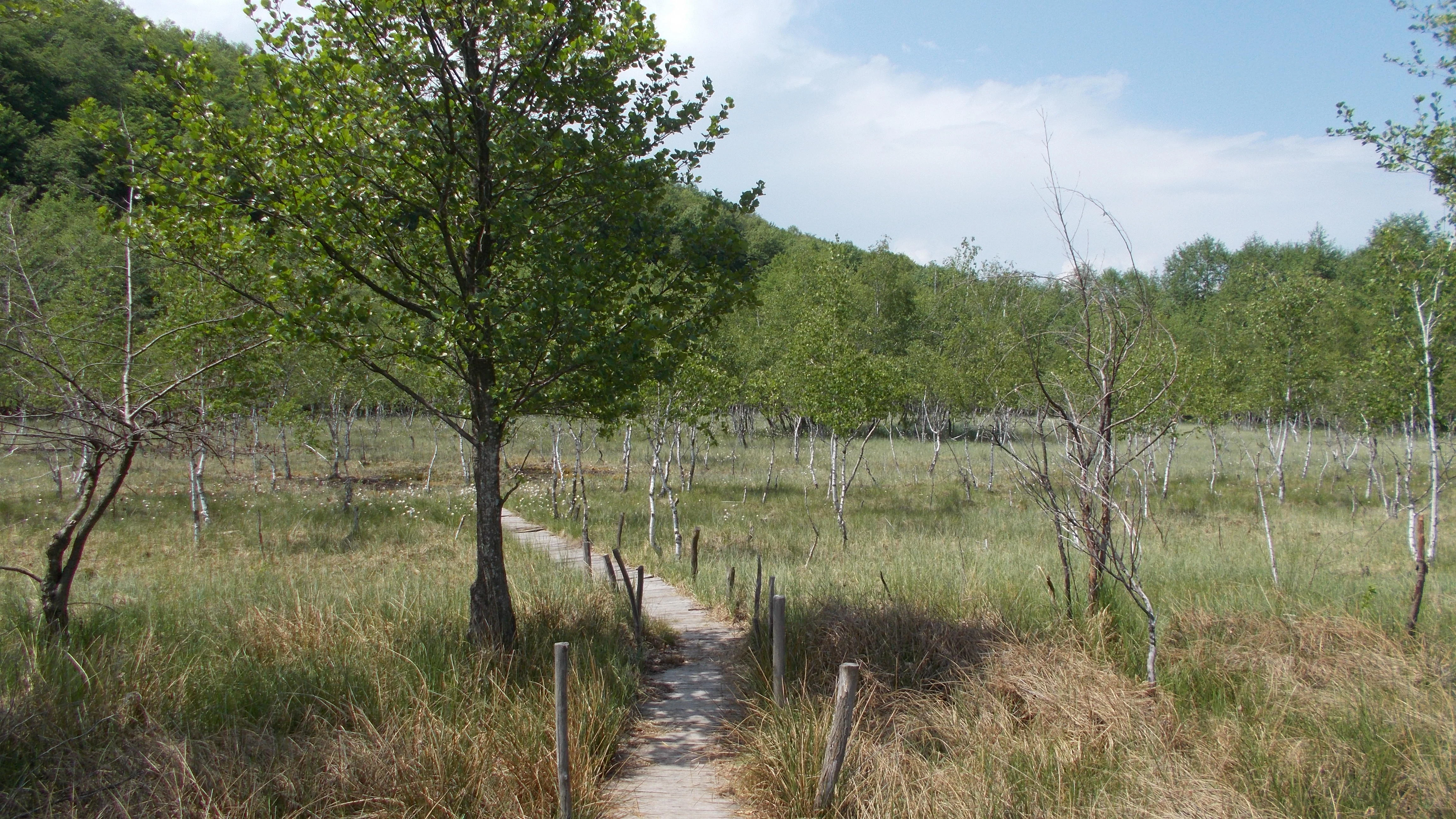
The natural environment of Hațeg Country Dinosaur Geopark reflects the ecological diversity of the Carpathian region, encompassing forests, grasslands, and wetland areas that support a range of plant and animal communities. While the geological and paleontological resources represent the primary scientific focus of the geopark, the modern ecosystem includes species typical of central European deciduous forests and meadow environments. The transition between different habitat types creates ecological variety that complements the geological attractions of the area.
Hațeg Country Dinosaur Geopark wildlife and species highlights
The contemporary wildlife of the Hațeg region includes species typical of Romania's Carpathian forests and agricultural landscapes. While the dinosaur fossils represent extinct fauna from the Cretaceous period, the modern area supports populations of mammals, birds, and other animals that inhabit the forests, meadows, and river corridors. The region's position along migration routes also brings seasonal visitors among bird populations.
Hațeg Country Dinosaur Geopark conservation status and protection priorities
Hațeg Country Dinosaur Geopark operates under UNESCO Global Geopark status, which recognizes its geological heritage while promoting sustainable development and environmental education. The protection framework supports ongoing paleontological research while also preserving the geological formations that contain fossil specimens. Conservation efforts within the geopark balance scientific investigation with the protection of irreplaceable fossil sites and the broader landscape character of the Hațeg Depression.
Hațeg Country Dinosaur Geopark cultural meaning and human context
The Hațeg region contains cultural heritage elements that predate its scientific fame, including medieval villages, historic churches, and traditional agricultural landscapes. The communities that have lived in this part of Romania for generations maintain cultural practices and architectural styles that reflect the region's position at the crossroads of central and eastern European traditions. This human heritage adds depth to the geopark experience, connecting visitors to the long history of human presence in this distinctive landscape.
Top sights and standout views in Hațeg Country Dinosaur Geopark
The exceptional Late Cretaceous dinosaur fossils, unique endemic species discoveries, UNESCO Global Geopark designation, accessible geological formations, integration of paleontological and cultural heritage, and the traditional Transylvanian landscape combine to create a distinctive destination for scientific tourism and educational visits.
Best time to visit Hațeg Country Dinosaur Geopark
The spring and autumn seasons offer comfortable conditions for exploring the geopark's outdoor sites and geological exposures. Summer months provide the warmest weather for extended field visits, while the winter season offers a quieter experience though with more limited access to some outdoor areas. The four seasons each present different aspects of the region's character, from summer's lush landscapes to winter's stark geological exposures.