Why Cindrel Natural Park stands out
Cindrel Natural Park is best known for its representative Carpathian mountain landscape with dramatic glacial morphology, extensive old-growth beech and spruce forests, and the distinctive vertical zonation of habitats from montane forests through subalpine zones to alpine meadows. The park protects important populations of large carnivores including brown bear, gray wolf, and Eurasian lynx, as well as chamois in the rocky alpine zones. Its designation as part of Natura 2000 reflects the presence of rare Carpathian forest ecosystems and the conservation significance of its biodiversity.
Cindrel Natural Park history and protected-area timeline
Cindrel Natural Park was established in 2000 through Law No. 5 of March 6, 2000, which approved the National Territory Planning Plan Section III on Protected Areas. This legislation designated the area as a natural park within Romania's national protected areas system, recognizing its ecological and landscape values. The park's establishment came during a period of significant expansion of Romania's environmental protection framework in the late 1990s and early 2000s, which sought to bring the country's conservation legislation in line with European standards. Subsequent to its designation, the park was incorporated into the Natura 2000 network of protected areas, specifically as part of the Frumoasa Site of Community Importance, which established additional European-level protection for the site's biodiversity and habitats. The park's management operates within the framework of Romanian protected area legislation, with administrative responsibilities shared among local authorities in Sibiu County.
Cindrel Natural Park landscape and geographic character
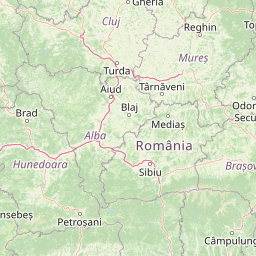
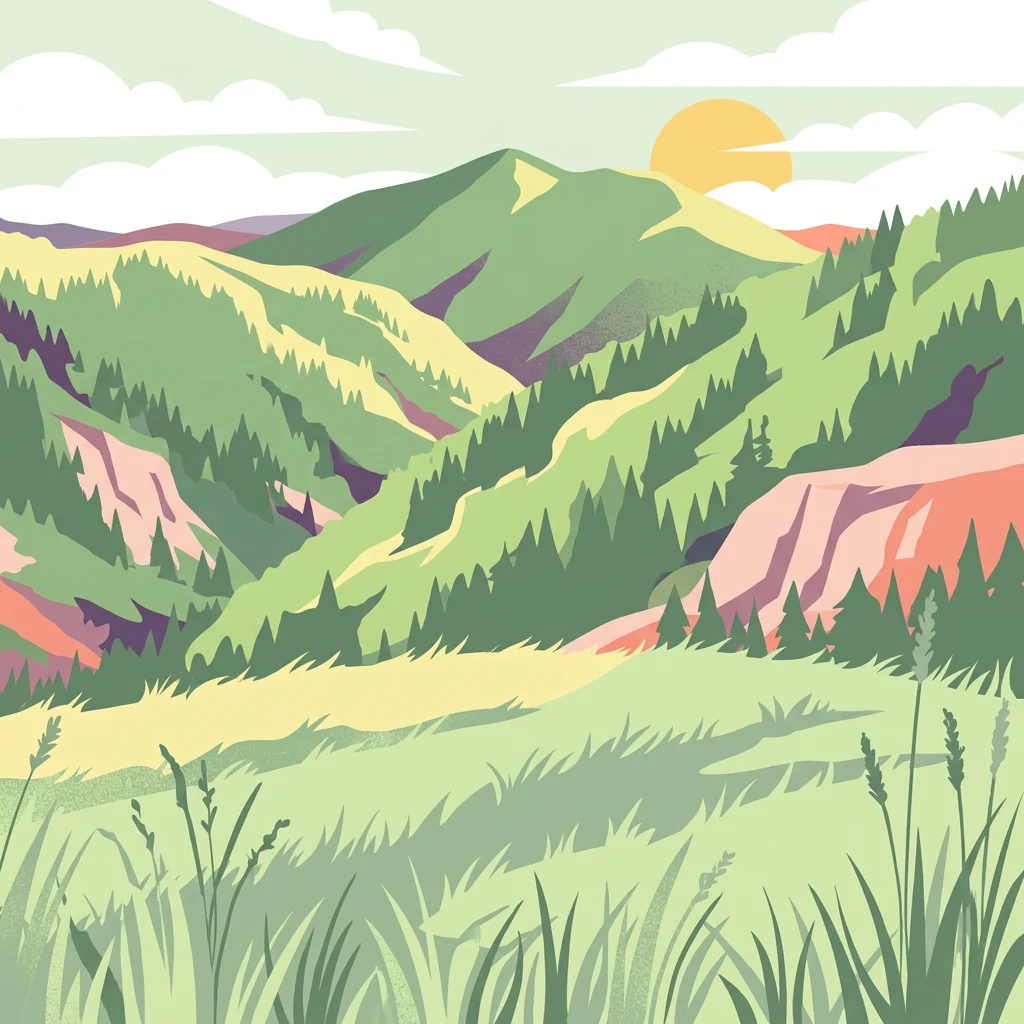
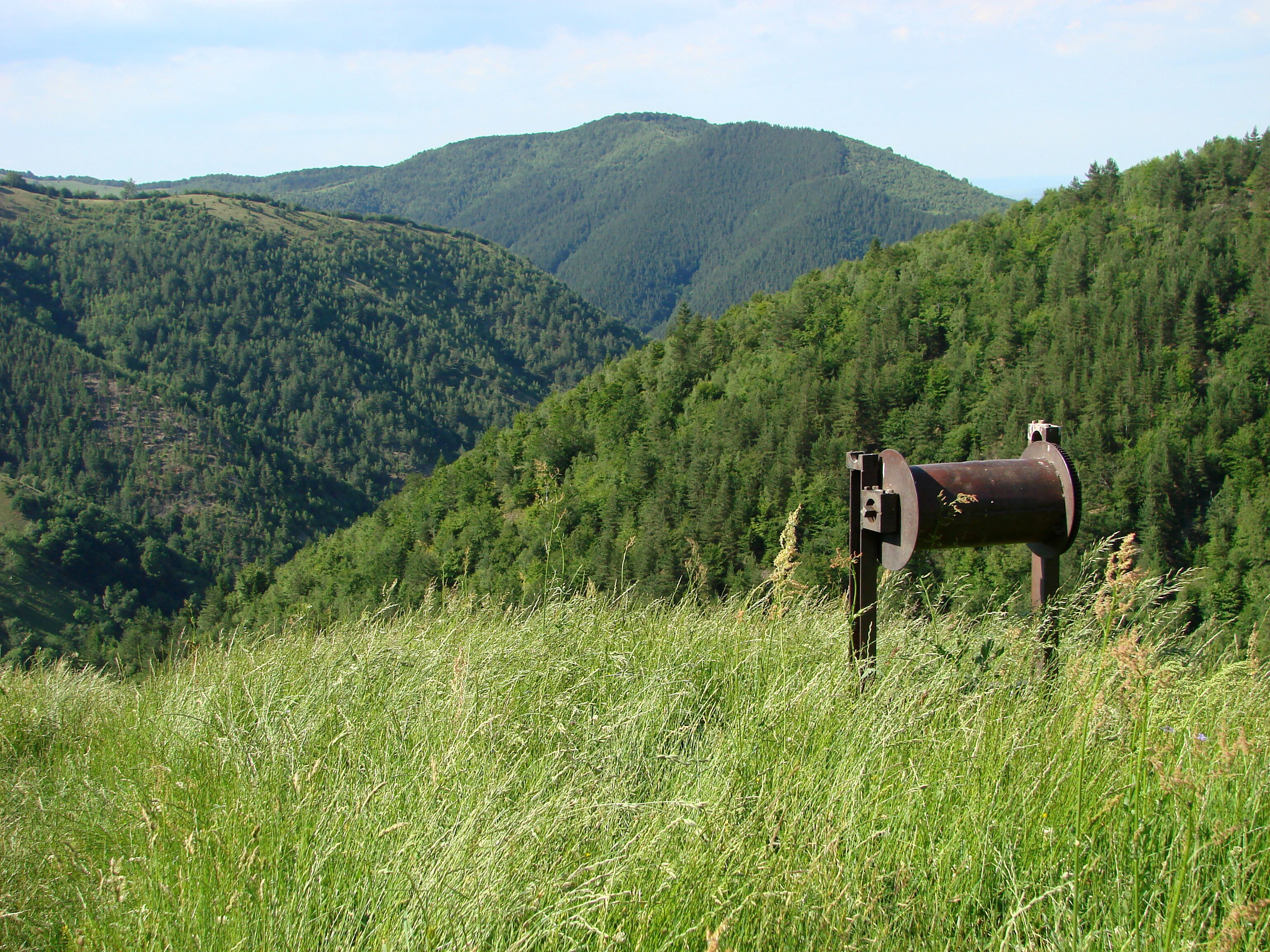
The park's landscape is defined by the mountainous terrain of the Cindrel and Lotrului ranges, which form part of the larger Parâng Mountains group in the Southern Carpathians. The geology is dominated by crystalline rocks that give rise to rugged topography with steep-sided valleys and exposed rock faces. The highest peaks include Vârful Cindrel at 2,244 meters and Vârful Șteflești at 2,242 meters, both of which exceed the treeline and support alpine vegetation. Glacial processes have left a distinctive imprint on the landscape, creating cirques (knife-edge ridges and amphitheater-like valleys), glacial valleys, moraines, and the characteristic U-shaped profiles of former glacier channels. The park contains glacial lakes in the higher terrain, along with numerous springs and streams that drain the catchments. Dolines and karst features are present where limestone occurs within the largely crystalline substrate. The overall terrain is characterized by dramatic elevation changes, with ridges and peaks contrasting with the valley floors, creating a visually striking mountain landscape typical of the Carpathian high ranges.
Cindrel Natural Park ecosystems, habitats, and plant life
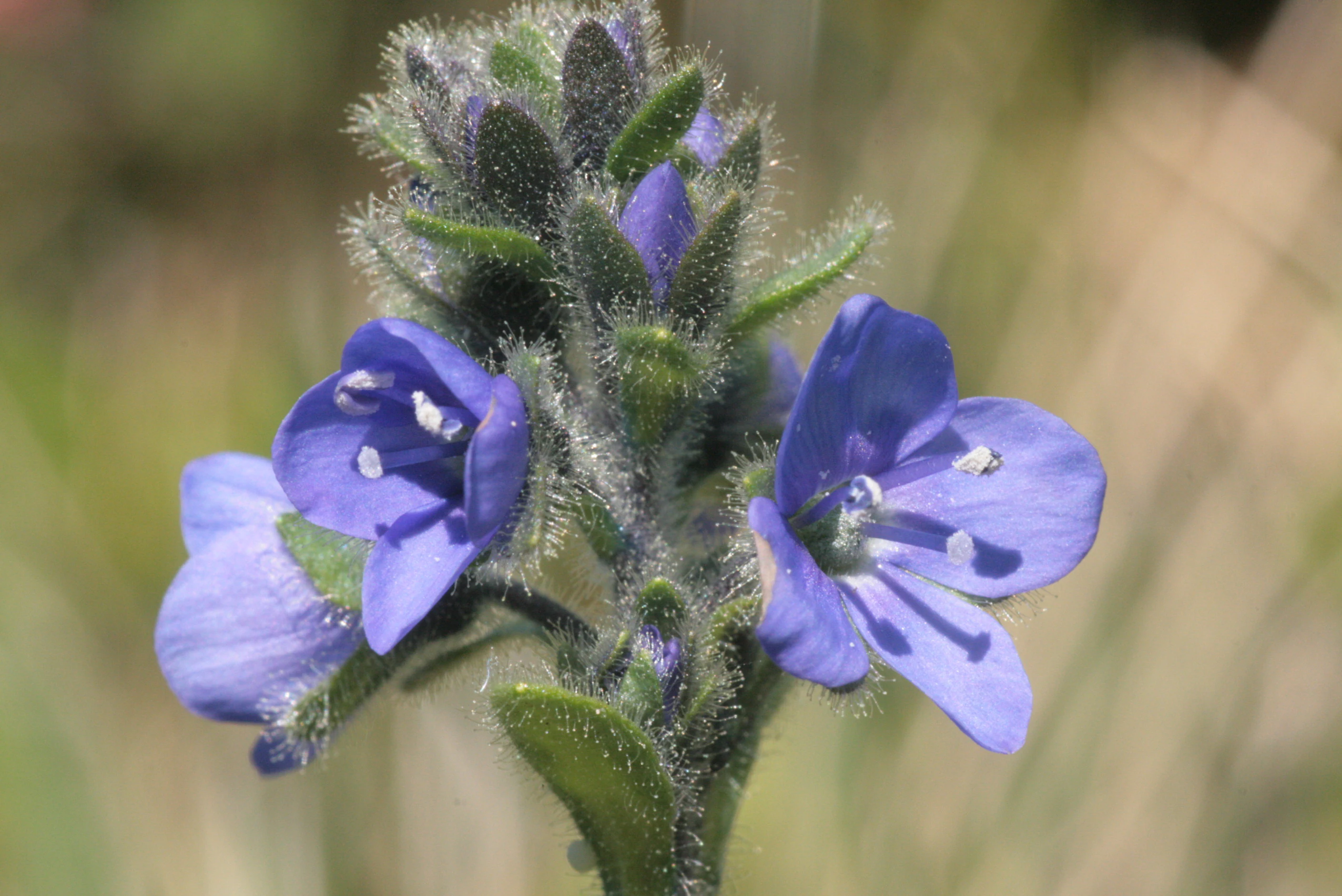
The natural ecosystems of Cindrel Natural Park represent a well-preserved example of Carpathian mountain ecology, with notable vertical zonation from forests through subalpine zones to alpine habitats. The forest ecosystems include several habitat types of conservation significance: Luzulo-Fagetum beech forests on acidic soils, Dacian beech forests of the Symphyto-Fagion alliance, and montane spruce forests within the Vaccinio-Piceetea community. These forest types host diverse tree species including European beech, sessile oak, Norway spruce, and scattered elements such as Swiss stone pine in the subalpine zone. The park also protects areas of boreal and alpine grasslands on silicious substrates, Alpine and subalpine shrublands, and montane meadow communities. The presence of hygrophilous fringe communities along watercourses adds to the habitat diversity. This range of habitats supports the park's ecological significance within the Carpathian mountain system, maintaining ecological processes and species populations across the altitudinal gradient.
Cindrel Natural Park wildlife and species highlights
Cindrel Natural Park supports a diverse fauna characteristic of the Southern Carpathians, with notable populations of large mammals including brown bear, gray wolf, Eurasian lynx, red deer, roe deer, chamois, and wild boar. The chamois population inhabits the rocky zones above the treeline, while the forested areas provide habitat for deer species and wild boar. The predator community includes all three of Europe's large carnivores, with the park providing sufficient habitat connectivity to support viable populations. The avifauna includes several species of conservation importance, particularly forest-dwelling birds such as the hazel grouse and Western capercaillie, both characteristic species of Carpathian old-growth forests. The park also provides habitat for various reptile and amphibian species, including protected amphibians such as yellow-bellied toad and great crested newt. The diverse communities reflect the park's role as a biodiversity reservoir within the Carpathian mountain system.
Cindrel Natural Park conservation status and protection priorities
The park's conservation significance is underscored by its inclusion in the Natura 2000 network, specifically as part of the Frumoasa Site of Community Importance, which provides European-level protection under the Habitats Directive. The protected area framework addresses the preservation of Carpathian forest ecosystems, which are recognized as having high conservation value due to their biodiversity and relatively limited distribution within Europe. The park's multiple habitat types, from beech forests through spruce communities to alpine grasslands, represent a continuum of Carpathian ecosystems that support both common and rare species. The presence of large carnivore populations indicates a relatively intact ecological community with adequate habitat connectivity. Conservation management aims to maintain the natural dynamics of these ecosystems while allowing for sustainable traditional uses that are compatible with conservation objectives.
Cindrel Natural Park cultural meaning and human context
The territory of Cindrel Natural Park is interspersed with traditional rural communities whose cultural practices have shaped the landscape over centuries. The surrounding communes of Gura Râului, Jina, Rășinari, and Tilișca contain historical churches and architectural heritage, including the Church of the Holy Archangels in Tilișca (built in 1782) and the Church of Saint Paraschiva in Gura Râului from the 18th-19th century. The area is associated with the legacy of Metropolitan Andrei ȇaguna, whose tomb is located in Rășinari. Traditional pastoral activities have influenced the subalpine and alpine zones, with mountain pastures supporting transhumance practices that have contributed to the open grassland habitats above the forest limit. The region has literary connections through the poet Octavian Goga, whose memorial house is located nearby.
Top sights and standout views in Cindrel Natural Park
The dramatic glacial landscape of the Cindrel Mountains, with cirques, moraines, and glacial lakes above 2,200 meters, represents one of the most visually striking mountain environments in Romania. The old-growth beech and spruce forests of the Southern Carpathians provide a glimpse of the forest ecosystems that once covered much of Europe's mountains. The presence of brown bear, gray wolf, and Eurasian lynx makes the park significant for large carnivore conservation in Eastern Europe. The vertical zonation of habitats, from valley forests through subalpine zones to alpine meadows, creates ecological diversity within a relatively compact area. The park forms part of a larger protected area network in the Southern Carpathians that maintains connectivity for wildlife populations across the mountain chain.
Best time to visit Cindrel Natural Park
The summer months from June through September offer the most accessible conditions for exploring Cindrel Natural Park, with warm temperatures in the valleys and alpine conditions above the treeline. The winter season transforms the park into a wilderness snowscape, but access is more limited and specialized equipment is required for mountain travel. Spring brings melting snow and flowing streams in the valleys, while autumn offers the opportunity to experience the changing colors of the beech forests and potentially encounter wildlife activity as animals prepare for winter. The higher elevations are snow-free for only a few months each year, making summer the optimal period for experiencing the full range of the park's landscapes and ecosystems.