Why Cozia National Park stands out
Cozia National Park is best known for its dramatic karst landscape featuring sharp peaks, tower karst, and needle karst formations that create a distinctive mountainous silhouette. The park protects extensive old-growth beech forests that achieved international recognition in 2017 when they were inscribed into the Primeval Beech Forests of the Carpathians and Other Regions of Europe World Heritage site. The Cozia Massif itself forms a central geological landmark, while the Olt River corridor provides additional landscape diversity. The combination of geological significance, primeval forest preservation, and the presence of major Carpathian wildlife species including brown bear, wolf, and Eurasian lynx establishes the park as a notable conservation area within Romania's protected area network.
Cozia National Park history and protected-area timeline
The formal protection history of Cozia National Park began with an initial proposal in 1966, making it one of the earlier conservation concepts considered within Romania's post-war protected area planning. However, the legal designation as a national park came nearly three decades later through Law Number 5 of March 6, 2000, which was published in the Romanian Official Paper on April 12, 2000. This legislation formally established the park and defined its protected status within Romania's system of natural protected areas. In 2003, Government Decision 230 of March 4 further clarified and restabilished the park's boundaries and total area, completing the institutional framework for its management. The park's conservation significance received international recognition in 2017 when two old-growth forest areas within the park were inscribed as component sites of the Primeval Beech Forests of the Carpathians and Other Regions of Europe, a transboundary World Heritage site spanning multiple European countries. This designation acknowledged the exceptional ecological value of the park's ancient beech forests and their role in preserving Carpathian biodiversity.
Cozia National Park landscape and geographic character
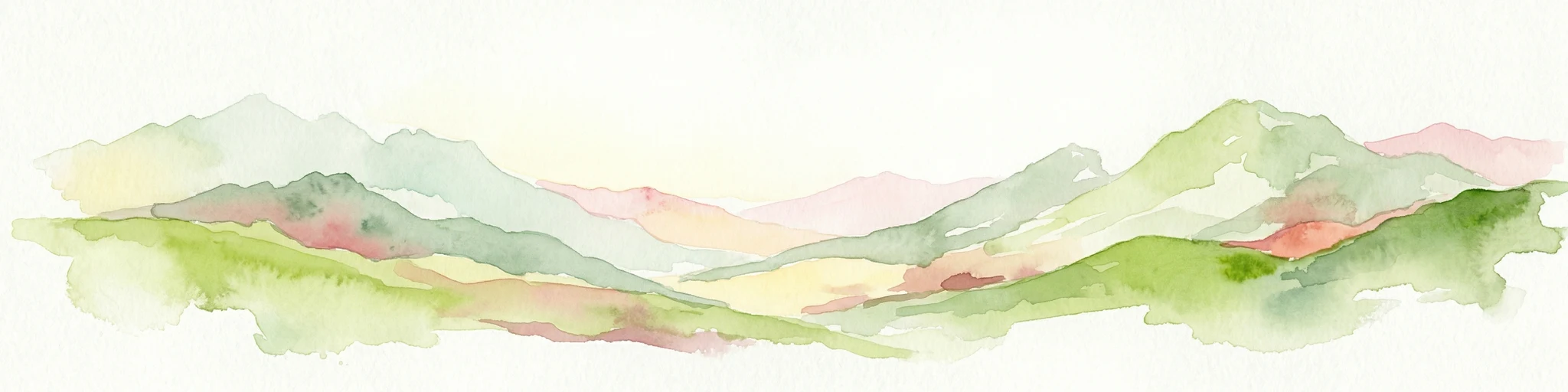
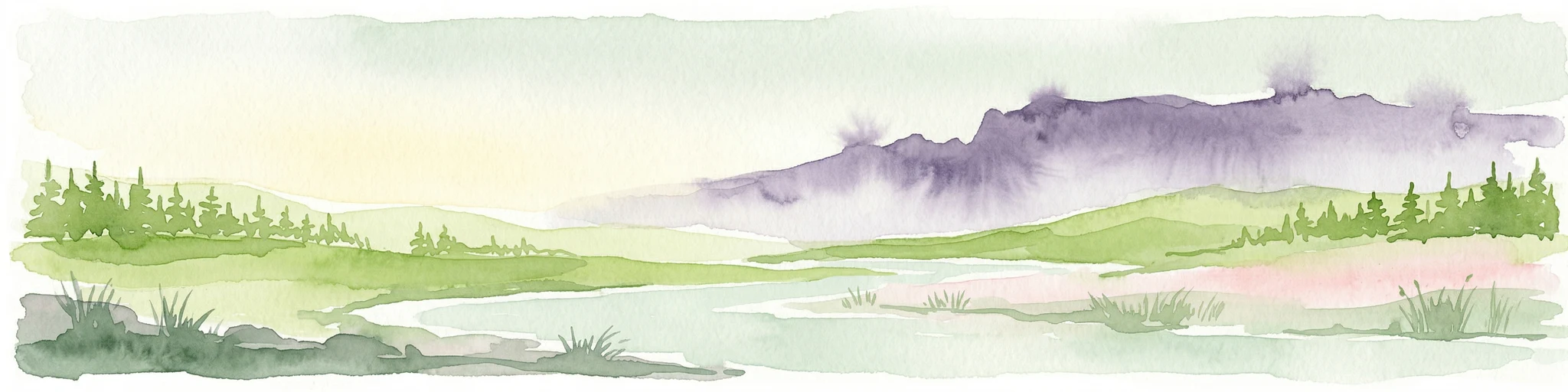
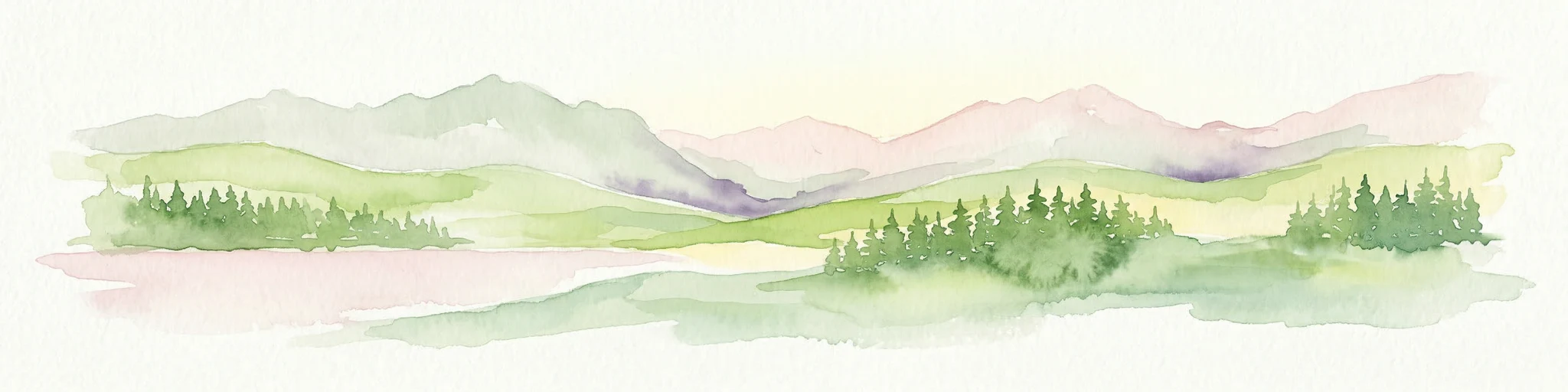
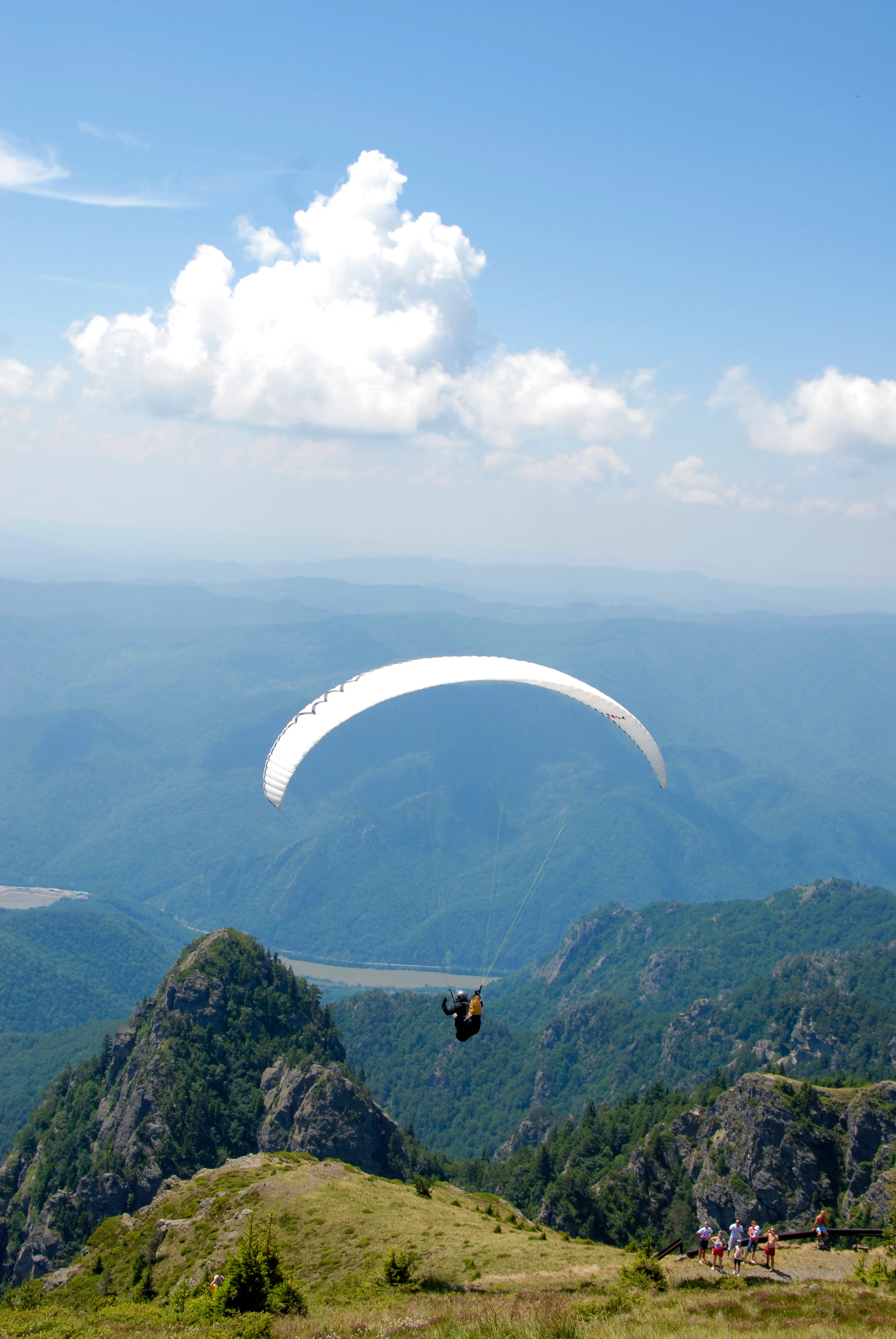
The landscape of Cozia National Park is defined by dramatic karst topography set within the broader context of the Southern Carpathians. The terrain features sharp peaks, tower karst formations, needle karst structures, and limestone ridges that create a rugged and visually distinctive mountain environment. The park encompasses the Cozia Massif as its central geological feature, a mountain block that rises prominently above the surrounding terrain. Deep gorges cut through the limestone, while numerous caves provide additional geological interest. The Olt River flows through the middle portion of the park, creating a river corridor that adds valley landscapes to the otherwise mountainous terrain. The combination of forested slopes, meadow areas, and grassland creates visual diversity across the park's extent. The karst landscape is particularly significant geologically, with the limestone formations supporting specialized habitats and contributing to the park's overall geological diversity.
Cozia National Park ecosystems, habitats, and plant life
The ecological character of Cozia National Park reflects the diversity of habitats found within the Southern Carpathians. The park contains an exceptional range of habitat types protected under European conservation frameworks, including alluvial forests dominated by alder and ash, Dacian beech forests of various types, oak-hornbeam forests, steep slope forests of lime and maple, acidophilic spruce forests of the montane zone, alpine and boreal shrublands, boreal and alpine meadows on siliceous substrate, species-rich montane Nardus meadows, riverbank herbaceous vegetation, and calcareous rock slopes with specialized chasmophytic plant communities. This habitat diversity supports a correspondingly rich flora and fauna. The park is part of the Cozia Natura 2000 site, designated under the European Union's Habitats Directive to protect significant species and habitats. In 2017, two old-growth forest areas within the park were inscribed into the Primeval Beech Forests of the Carpathians and Other Regions of Europe World Heritage site, acknowledging the outstanding universal value of these ancient forest ecosystems.
Cozia National Park wildlife and species highlights
Cozia National Park supports significant wildlife populations characteristic of the Southern Carpathians, with the park's diverse habitats providing refuge for numerous species. The mammal fauna includes several large carnivores that define the Carpathian ecosystem: brown bear, wolf, and Eurasian lynx, all species of major conservation concern in Europe. Bats are also represented, including the common myotis, greater horseshoe bat, and barbastelle, the latter being a species particularly associated with old forest habitats. The park supports amphibian populations including the yellow-bellied toad and great crested newt, both protected under European law. Fish species present include the southern barbel, bullhead, and Danube spiny loach, each adapted to the park's riverine environments. The invertebrate fauna is particularly notable, featuring species such as the stag beetle, the great oak longhorn beetle, and Morimus funereus, a species associated with ancient deciduous forests. An endemic cricket species, Isophya harzi, is specifically associated with the Cozia area, highlighting the park's importance for specialized and localized biodiversity.
Cozia National Park conservation status and protection priorities
Cozia National Park serves as a critical conservation area within Romania's protected areas network and the broader Carpathian ecological corridor. The park's inclusion in the Natura 2000 network connects it to Europe'span-European conservation framework, providing additional protection under the EU Habitats Directive. The 2017 inscription of two old-growth beech forest areas into the Primeval Beech Forests of the Carpathians and Other Regions of Europe World Heritage site represents the park's most significant international conservation recognition, acknowledging these forests as having outstanding universal value. These ancient beech forests exemplify ecological processes of forest dynamics and provide habitat for specialized species. The park also protects the Pădurea Călinești-Brezoi natural reservation, a 200-hectare area of geomorphological, floristic, and landscape importance known for its Brezoi conglomerates. Multiple habitat types within the park are of Community importance under European conservation policy, reflecting the area's role in maintaining Carpathian biodiversity.
Cozia National Park cultural meaning and human context
The Cozia National Park region contains meaningful cultural heritage that intertwines with the natural landscape. The Cozia Monastery, located in Căciulata and dating to the 14th century, represents the most significant historical site within the broader park area. This medieval monastery complex, dedicated to the Holy Trinity, is recognized as a historical monument and exemplifies the long human presence in this mountain landscape. The Turnu Monastery in Păușa, constructed during the 15th and 16th centuries, and the Ostrov Monastery church in Călimănești from 1520-1521 further illustrate the region's religious heritage. Several historic churches constructed between the 15th and 19th centuries are found throughout the surrounding area, including the All Saints church in Proieni and the St. Nicholas church in Racovița. Archaeological sites near Racovița include a Roman castrum from the 2nd-3rd century and Bronze Age settlements, while the Rădăcinești area contains Roman thermae and additional archaeological remains. The cultural layer demonstrates centuries of human presence in this mountain valley region, with religious establishments often positioned in visually prominent or ecologically distinct locations.
Top sights and standout views in Cozia National Park
The highlights of Cozia National Park center on its combination of dramatic karst scenery, primeval forest preservation, and significant biodiversity. The Cozia Massif provides a striking visual anchor, while the karst landscape with its peaks, towers, and caves offers geological interest. The old-growth beech forests, now part of a World Heritage site, represent exceptional ecological value and provide habitat for species dependent on ancient forest conditions. Large mammals including brown bear, wolf, and lynx roam the park's forested slopes, maintaining the ecological character of the Carpathian mountain ecosystem. The Olt River corridor adds landscape diversity and supports riverine habitats. The presence of the endemic cricket Isophya harzi demonstrates the park's importance for localized biodiversity. Cultural heritage sites including medieval monasteries and churches add historical depth to the visitor experience.
Best time to visit Cozia National Park
The best time to visit Cozia National Park depends on the type of experience sought. The summer months of June through August offer the most accessible conditions for hiking and exploring the park's trails, with warm temperatures and full vegetation creating vibrant landscape colors. Autumn brings the opportunity to witness the park's beech forests in their fall coloration, a particularly striking sight given the trees' primeval character. Spring allows observation of the park's flora as flowering plants bloom across meadows and forest clearings. Winter visits offer a different perspective of the karst landscape, though trail conditions may be more challenging. The park can be accessed via National Road DN7 connecting Râmnicu Vâlcea to Tălmaciu, with the nearest urban center being Brezoi. The surrounding area also offers spa and wellness facilities at Călimănești-Căciulata, allowing visitors to combine nature exploration with relaxation activities.