Why Iron Gates Natural Park stands out
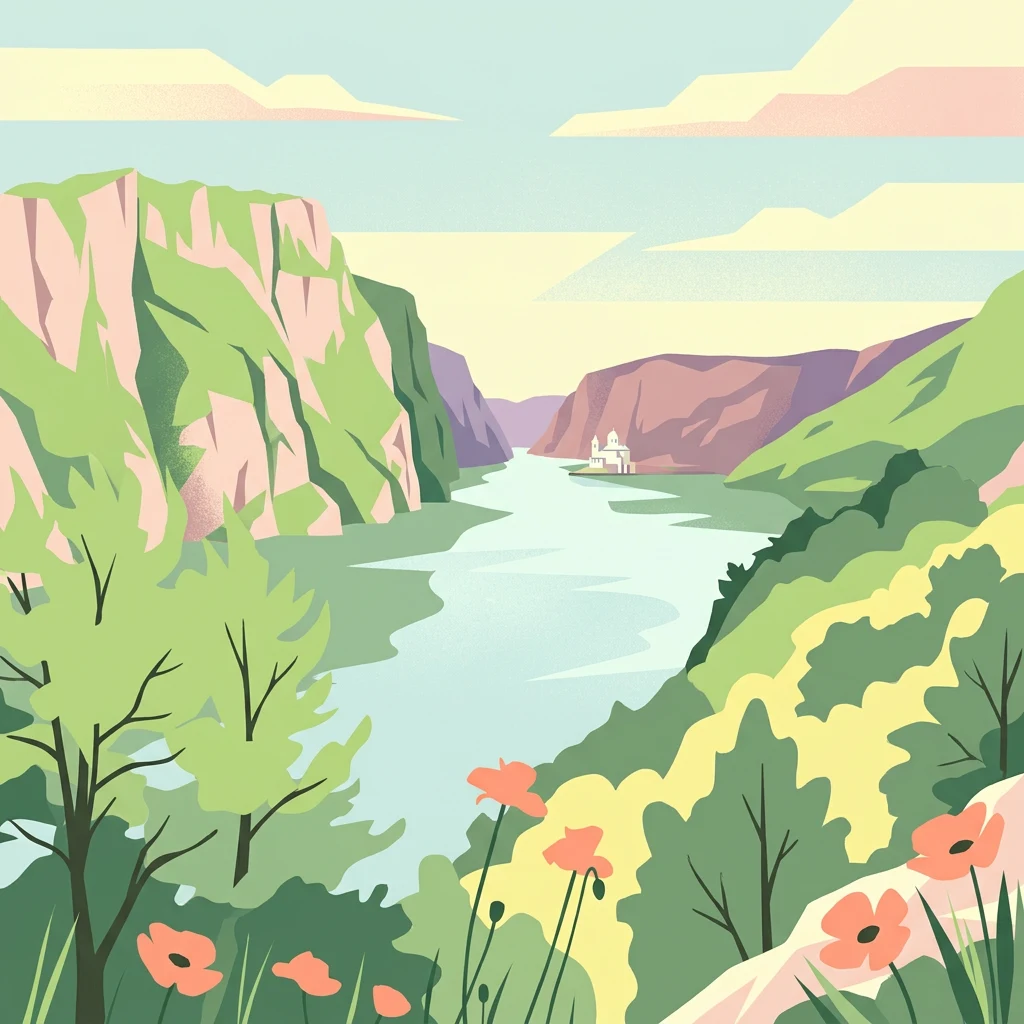
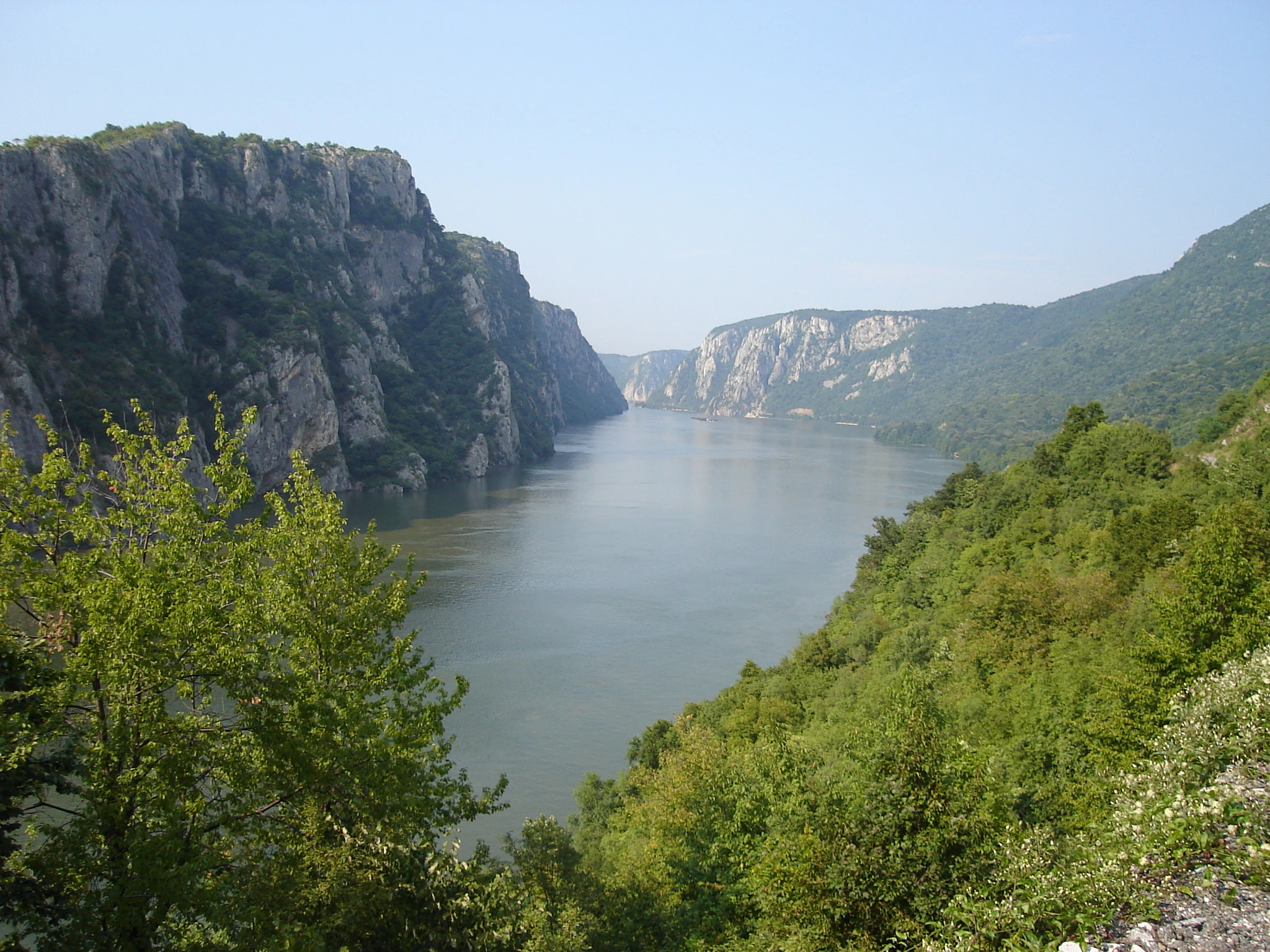
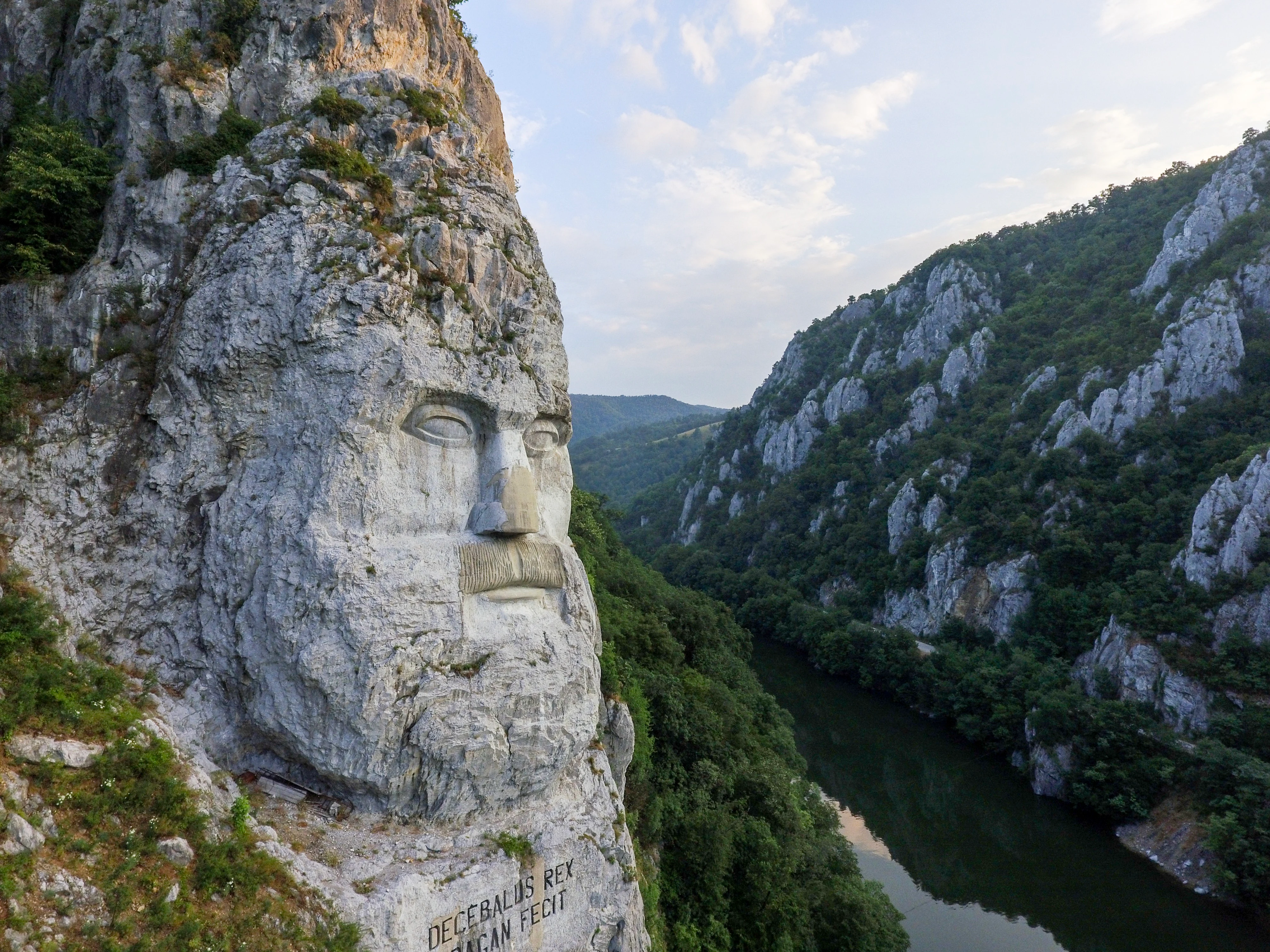
Iron Gates Natural Park is best known for its dramatic Iron Gates gorge, where the Danube River cuts through a spectacular limestone landscape creating the famous Cazanele Dunării (Great and Little Canyons). The park is renowned for its exceptional biodiversity and sub-Mediterranean character, hosting nearly half of all plant species found in Romania within its boundaries. It is famous for endemic flora including Tulipa hungarica (the Danube tulip), one of Romania's most iconic protected flowers. The wetland areas created by the Iron Gates I dam serve as crucial habitats for waterfowl, supporting over 200 bird species. The park also contains remarkable archaeological sites including the massive rock-carved sculpture of Decebalus, the last Dacian king, overlooking the Danube.
Iron Gates Natural Park history and protected-area timeline
Iron Gates Natural Park was formally established through Romania's Law No. 5 from March 6, 2000, which approved the national territorial planning section covering protected areas. However, the protected status of this area was recognized earlier, with initial designations dating to 1990. The park's creation followed growing recognition of the region's exceptional natural values and the need to coordinate protection across the complex landscape spanning two counties.
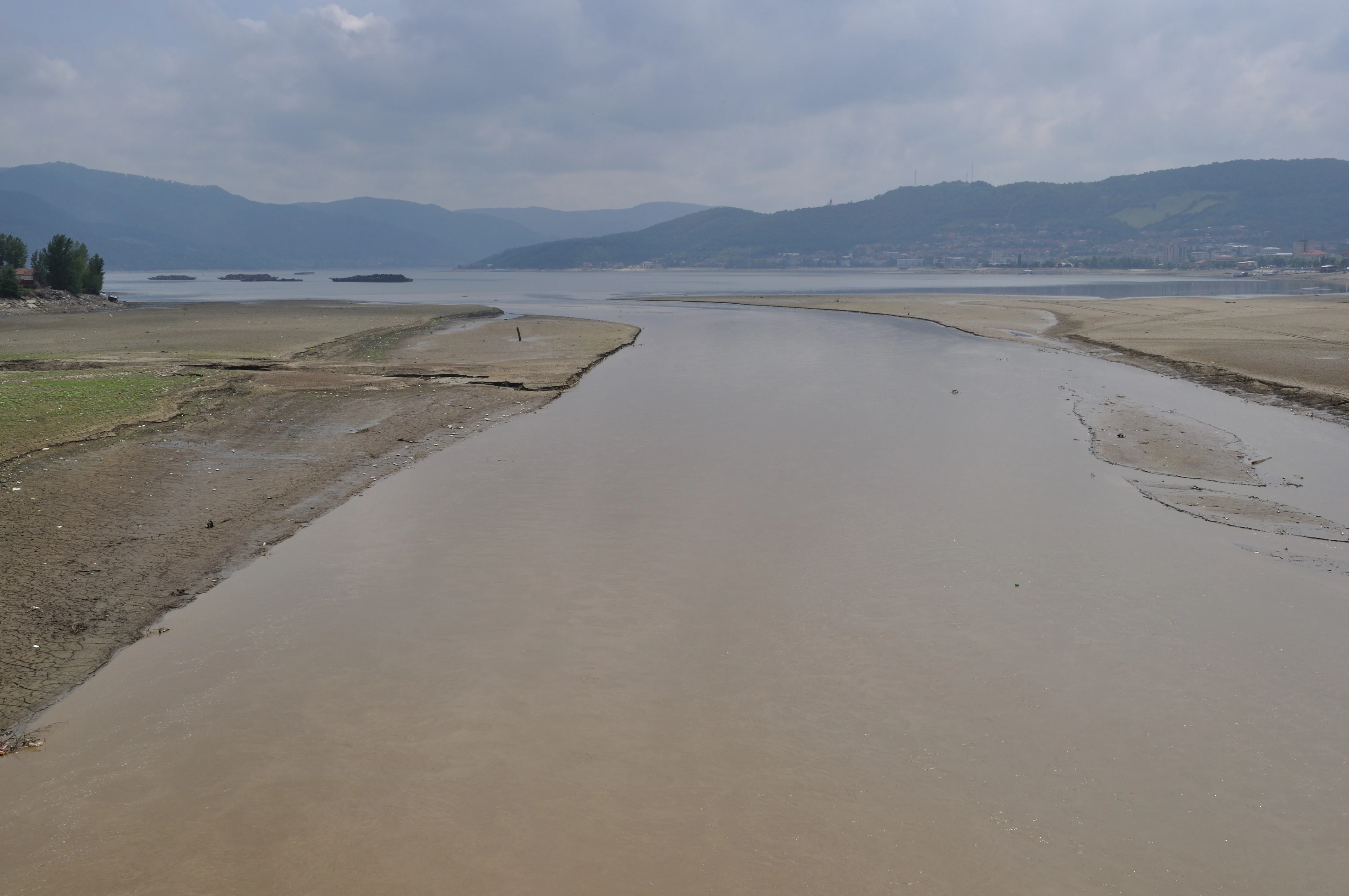
The creation of the Iron Gates I dam between 1964 and 1972 fundamentally transformed the area's hydrology and ecology. The massive reservoir, stretching 130 kilometers with a surface area of 700 square kilometers, inundated the original riverbed and transformed the mouths of tributaries into new wetland areas. This environmental change, while disrupting some original ecosystems, created new habitats for waterfowl and aquatic species that now constitute some of the park's most valuable conservation areas.
The Iron Gates region has been a protected area under various designations for decades, with the recognition of the Ostrov-Moldova Veche wetland zone as a Ramsar site in 2009 marking the park's international conservation significance. The park's management framework coordinates multiple protected zones of different categories, including botanical reserves, mixed-use areas, and avifaunistic protection zones, all working within the broader natural park designation.
Iron Gates Natural Park landscape and geographic character
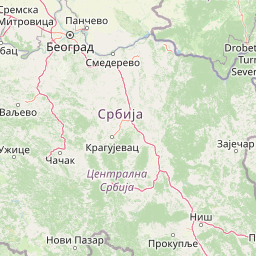
The landscape of Iron Gates Natural Park is dominated by the dramatic topography where the Danube River has cut a spectacular gorge through the Carpathian Mountains. The river enters the area from the west after flowing through the Serbian Đerdap gorge and maintains its general eastward course through the Romanian Iron Gates, though the navigation channel is now submerged beneath the reservoir. The most striking features are the Cazanele Mari (Great Canyons) and Cazanele Mici (Little Canyons), where limestone cliffs rise steeply from the water's edge.
The northern boundary is formed by mountain ranges belonging to the Banat Mountains. The Locva Mountains extend from the Nera River in the west to the Camenița Valley in the east, with their highest point at Poiana Lisa (547.7 meters). The Almăj Mountains lie to the east, reaching the park's maximum elevation of 968 meters at Teiul Moșului. The Mehedinți Mountains and the Mehedinți Plateau extend along the northeastern portion of the park. Between these ranges, the Moldova Nouă depression provides a lower-lying area that includes the Calinovăț island, now a wetland area.
The geological structure reflects the complex tectonic history of the Carpathians, with major units including the Danubian Units in the central and eastern areas, the Severin Nappe along the Orșova to Drobeta-Turnu Severin sector, the Getic Nappe in the western portion, and the Supragetic Nappe. This varied geology produces diverse landforms including karst features, steep cliffs, forested slopes, and the wetland areas along the Danube reservoir.
Iron Gates Natural Park ecosystems, habitats, and plant life
Iron Gates Natural Park represents a remarkable ecological crossroads where multiple biogeographic regions converge, creating vegetation communities of exceptional diversity and complexity. The park occupies the Danube gorge corridor connecting the Pannonian Plain to the Romanian Plain, allowing species from Mediterranean, Central European, and Balkan origins to coexist in a relatively restricted area. This convergence zone produces sub-Mediterranean vegetation types found nowhere else in Romania.
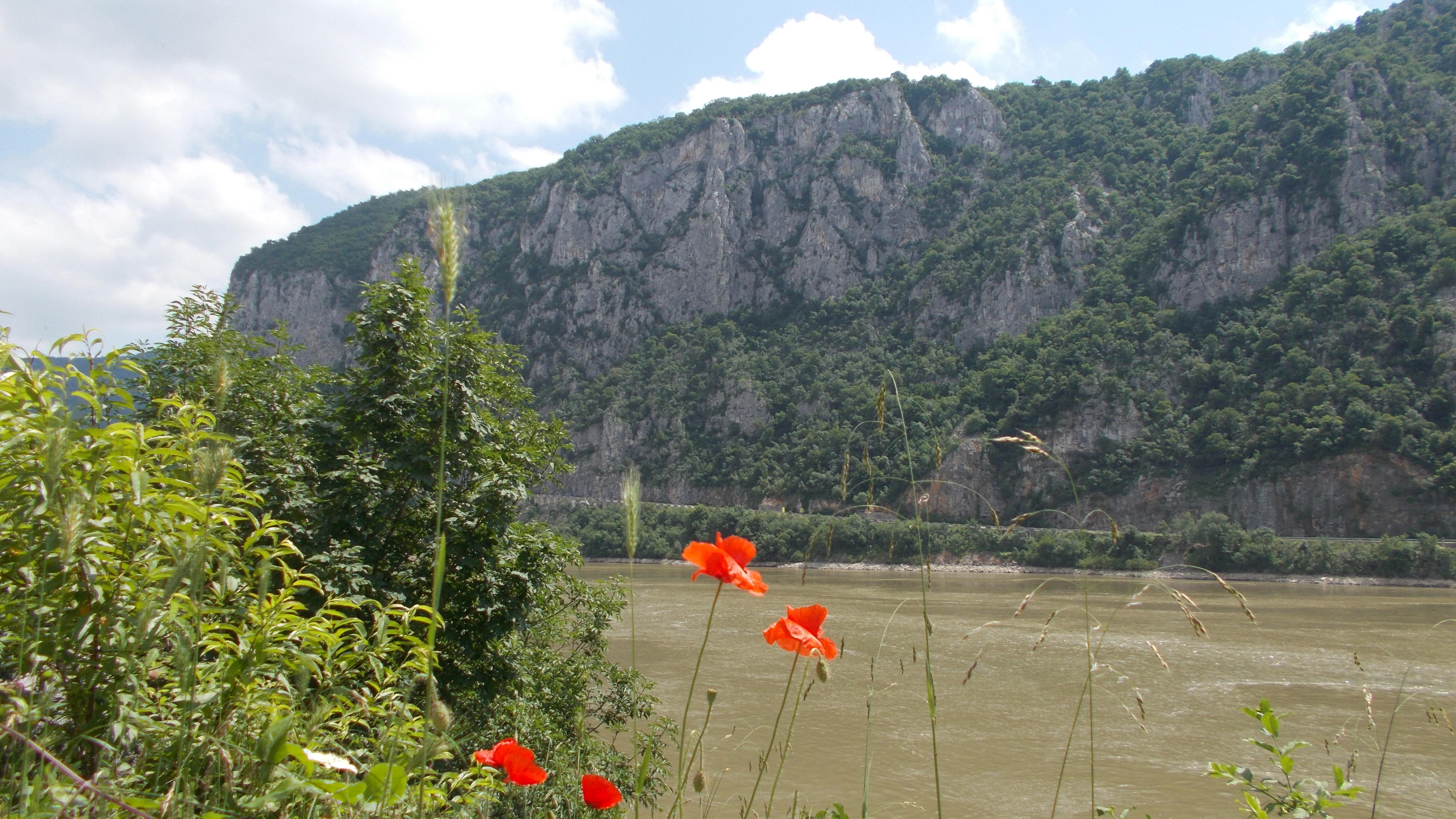
The vegetation structure follows a clear altitudinal pattern. The beech forest sub-zone occupies elevations between 500 and 1000 meters, dominated by European beech with occurrences of Taurus beech, Moesian beech, and Oriental beech. Below 300 meters, mixed forests with thermophilic elements become dominant, featuring species such as Turkey oak, Hungarian oak, pubescent oak, and Eastern hornbeam. The park contains significant populations of the endemic Banat black pine (Pinus nigra subsp. banatica), particularly on thin-soiled rocky areas.
The park hosts approximately half of all plant species found throughout Romania, distributed among 171 plant associations across 20 vegetation classes, with 26 of these being endemic. The most botanically significant area is the Cazanele zone, where the critically protected Tulipa hungarica (Danube tulip) grows on the steep cliffs of Ciucaru Mare. This species is endemic to the Iron Gates area and is listed on the IUCN Red List. Other endemic species include Banat cornflower, Cosaci, Danube steppe grass, Banat pink, Hungarian beautyhead, Cazanele bells, and Dacic rowan.
Iron Gates Natural Park wildlife and species highlights
Iron Gates Natural Park supports impressive biodiversity with 205 bird species and 34 mammal species documented within its boundaries. The mammalian fauna includes both large carnivores and smaller species characteristic of Carpathian forests. The brown bear, wolf, and Eurasian lynx all occur in the park's forested mountainous areas, representing some of Europe's most conservation-significant predators. Smaller carnivores include the European polecat, European badger, and pine marten. The ungulate community features red deer, roe deer, and wild boar, providing prey species for the larger predators.
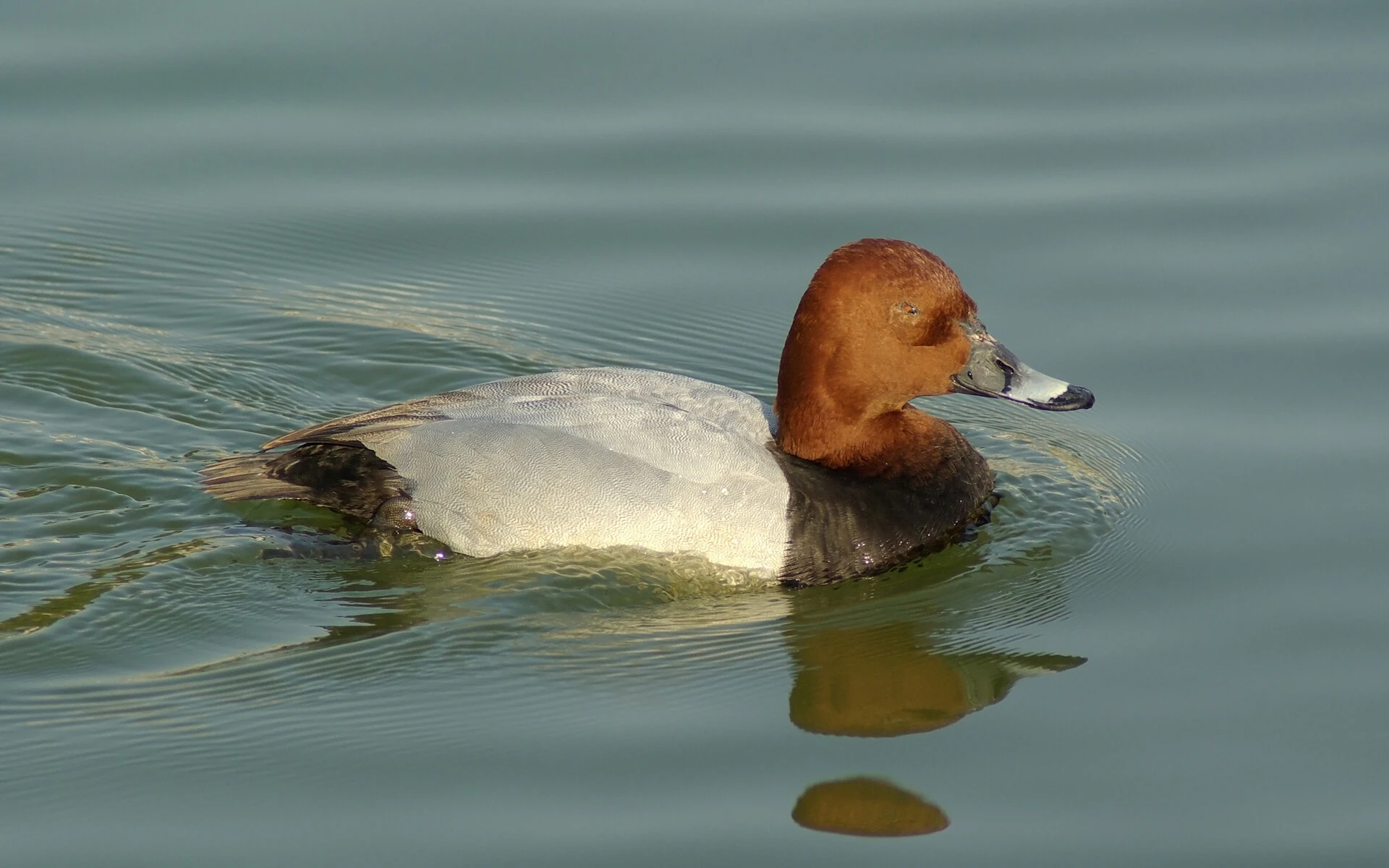
The avifauna is particularly significant, with 205 species recorded including many of conservation importance. The wetland habitats created by the Iron Gates reservoir support important populations of waterfowl and wading birds. Species of special conservation concern include the ferruginous duck, greater spotted eagle, and lesser kestrel, all protected under the Bonn Convention. Of the 205 bird species, 133 are strictly protected under the Bern Convention's Annex II, while 37 have protection status under Annex III.
The reptile and amphibian communities include 14 amphibian species and 17 reptile species. The Hermann's tortoise represents an emblematic species for the park, while other reptiles include the Pontic lizard, wall lizard, Tauric lizard, green lizard, yellow-bellied toad, and the venomous horned viper. The park's caves, particularly Peștera Veterani, Peștera Ponicova, and Peștera Gaura cu Muscă, provide important roosting sites for bats representing Mediterranean-origin species.
Iron Gates Natural Park conservation status and protection priorities
Iron Gates Natural Park holds significant conservation importance at both national and international levels, recognized through its Ramsar designation in 2009 as a Wetland of International Importance. The park protects representative examples of the sub-Mediterranean ecosystems found in Romania's Danube gorge corridor, a biome type with very limited representation in the country's protected area network. The combination of Mediterranean climate influences, unique geological substrate, and the complex history of species migration has produced ecological communities of high conservation value.
The protection of endemic species represents a key conservation priority. Tulipa hungarica, the Danube tulip, is protected by Romanian law and listed on the IUCN Red List as vulnerable. The species occurs only in the Iron Gates area, growing on the steep limestone cliffs where it is vulnerable to disturbance and habitat change. The park's multiple protected zones, spanning botanical reserves, avifaunistic areas, and mixed-use sites, provide targeted protection for different conservation values across the landscape.
The Ramsar designation specifically recognizes the wetland habitats created by the Iron Gates reservoir, which now provide crucial habitat for migratory waterfowl and resident wetland species. These areas serve as important staging and wintering grounds for birds moving along the Danube migration corridor between Central and Southern Europe. The conservation framework integrates both the wetland and terrestrial components, recognizing the ecological connectivity between the river system and the surrounding mountain forests.
Iron Gates Natural Park cultural meaning and human context
The Iron Gates region has been a crossroads of civilizations throughout human history, with the Danube serving as a major transportation and trade route connecting the Balkans to Central Europe. Archaeological evidence includes remains from the Paleolithic and Neolithic periods, as well as the Proto-Dacian and Dacian cultures that flourished in the region before Roman conquest. The rock shelter at Peștera Gaura Chindiei II contains evidence of human occupation from these ancient periods.
The area contains several historic monastic establishments reflecting the region's religious heritage. Mănăstirea Vodița, founded between 1370 and 1372 by the Greek-Serbian monk Nicodim, represents one of the oldest monastic foundations in the area. The monastery played a significant role in the cultural development of the region and later served as the foundation for Mănăstirea Tismana. Other significant religious sites include Mănăstirea Mraconia, the Church of Saint Nicholas the Poor in Orșova, and the Sfânta Ana Monastery built on Dealul Moșului between 1936 and 1939.
The human population within the park numbers approximately 45,735 residents, distributed across several communities including Orșova and Moldova Nouă as the main population centers. The population includes multiple ethnic groups: Romanians as the majority, followed by Serbs in the western portion, Czech communities in areas such as Bigăr and Eibenthal, and smaller populations of Hungarians, Germans, and Roma. This cultural diversity reflects the historical layers of settlement in this border region.
Top sights and standout views in Iron Gates Natural Park
Iron Gates Natural Park offers several standout features that define its character and appeal. The dramatic Cazanele Dunării (Great and Little Canyons) represent the park's most visually spectacular landscape, where the Danube flows between towering limestone cliffs. The rare Danube tulip (Tulipa hungarica) blooms on these cliff faces, one of Romania's most cherished endemic flowers. The massive 40-meter sculpture of King Decebalus carved into the riverside rockface provides a unique cultural landmark visible from the water. The wetland areas of Ostrov-Moldova Veche and the reservoir zone provide exceptional birdwatching opportunities, particularly for migratory waterfowl. The network of 18 protected areas within the park offers diverse experiences from karst caves to old-growth forests. The Mediterranean-influenced climate supports vegetation communities more typical of southern Europe, creating a distinctive atmosphere different from typical Romanian mountain parks.
Best time to visit Iron Gates Natural Park
The Iron Gates Natural Park can be visited year-round, though different seasons offer distinct experiences. The summer months of June through August bring the warmest conditions, with temperatures frequently exceeding 35°C in the gorge area, making early morning and evening excursions most comfortable for hiking and exploration. This period offers the best conditions for boat trips on the reservoir and optimal visibility for viewing the landscape and wildlife. Spring and autumn provide more moderate temperatures and represent excellent times for wildlife observation, particularly during the spring migration periods when waterfowl pass through the wetland areas. The park's relatively mild winter, influenced by Mediterranean air masses, allows for year-round access, though some trail sections may be less accessible during occasional cold spells. The snow cover is typically light and intermittent, with the gorge area often remaining snow-free due to the warming influence of the reservoir.