
Why Jegrička Nature Park stands out
Jegrička Nature Park is best known for its riverine wetlands and marsh ecosystems along the Jegrička river. The protected area provides essential habitat for diverse waterfowl populations and serves as an important stopover point along major migratory bird routes in the Pannonian Basin. The park's floodplain landscapes, reed-dominated marshes, and meandering river channels create a distinctive wetland character within Serbia's generally flat agricultural terrain.
Jegrička Nature Park landscape and geographic character
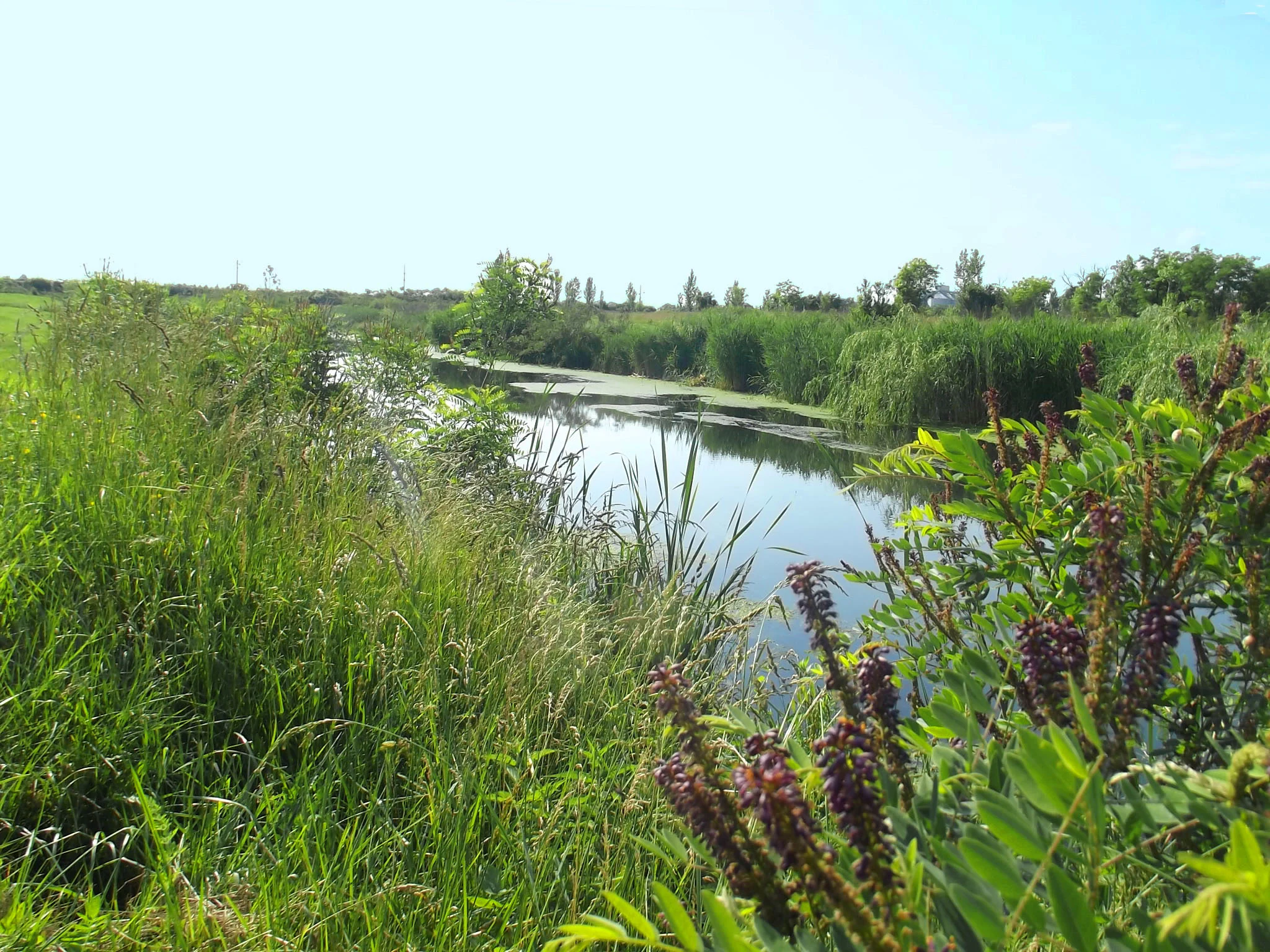
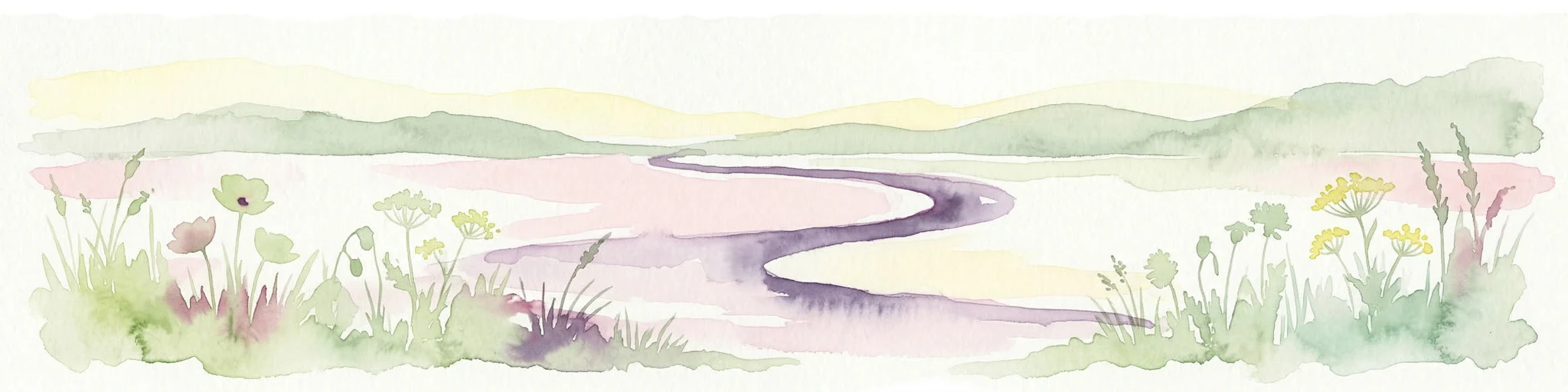
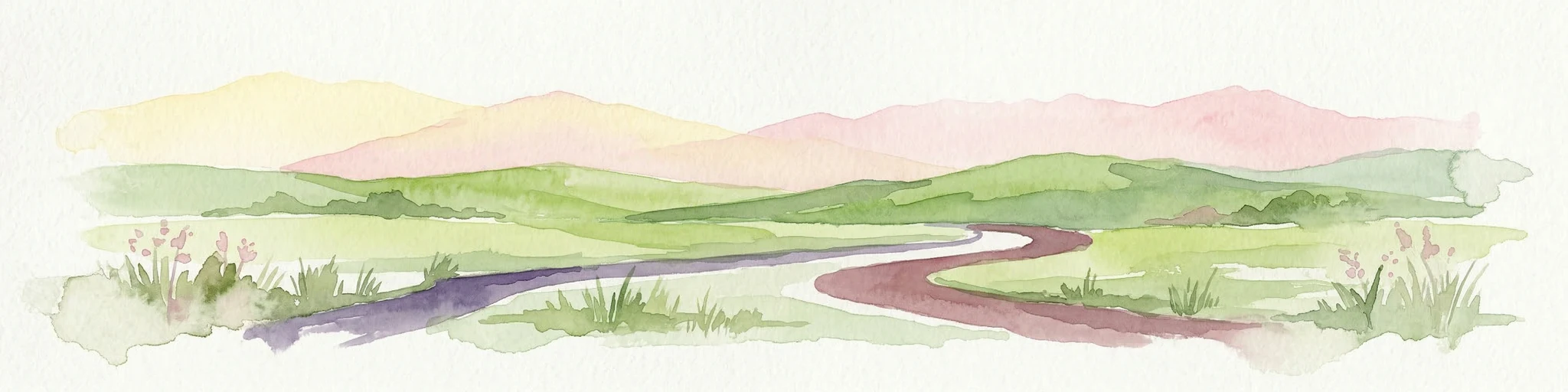
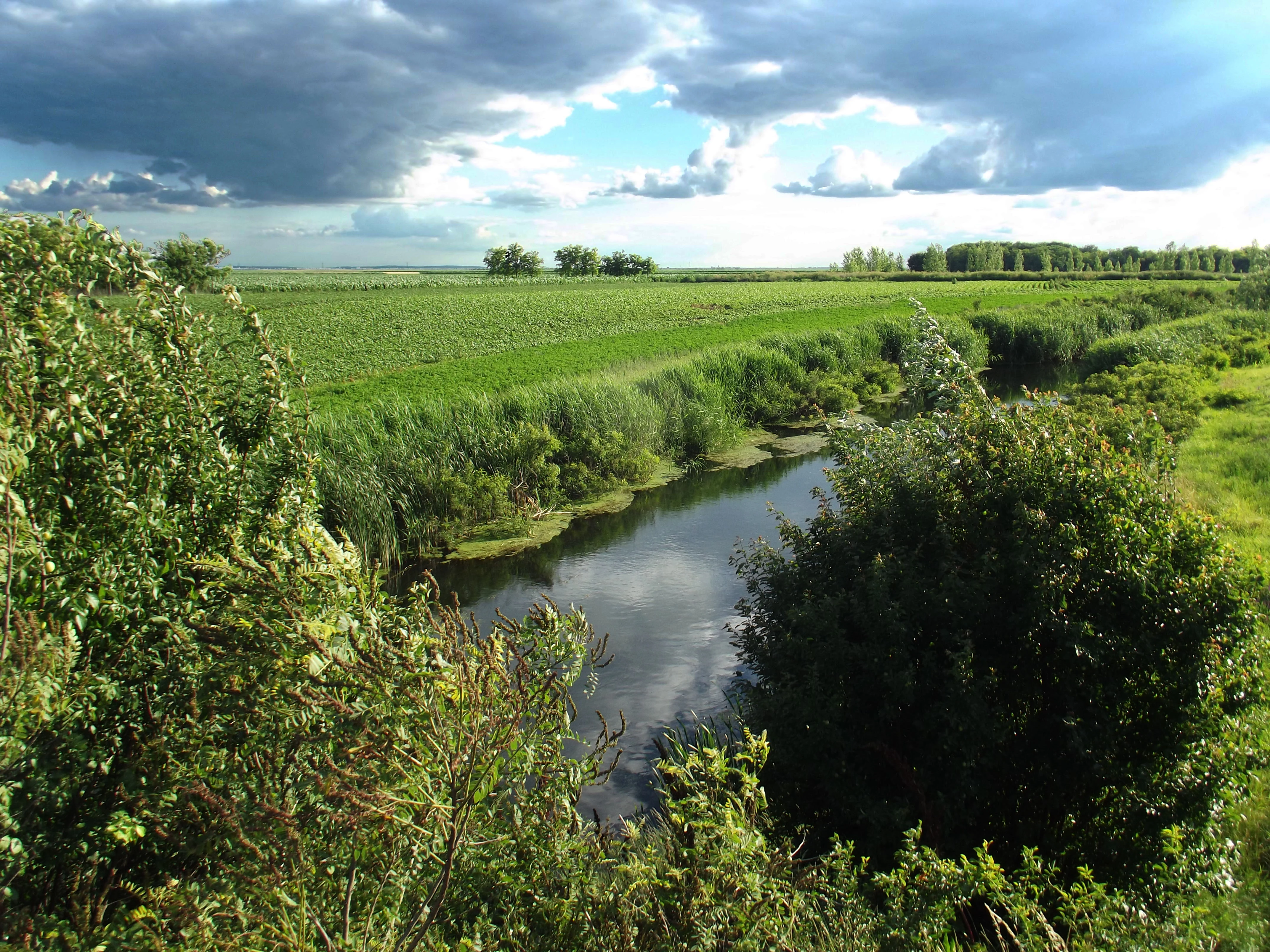
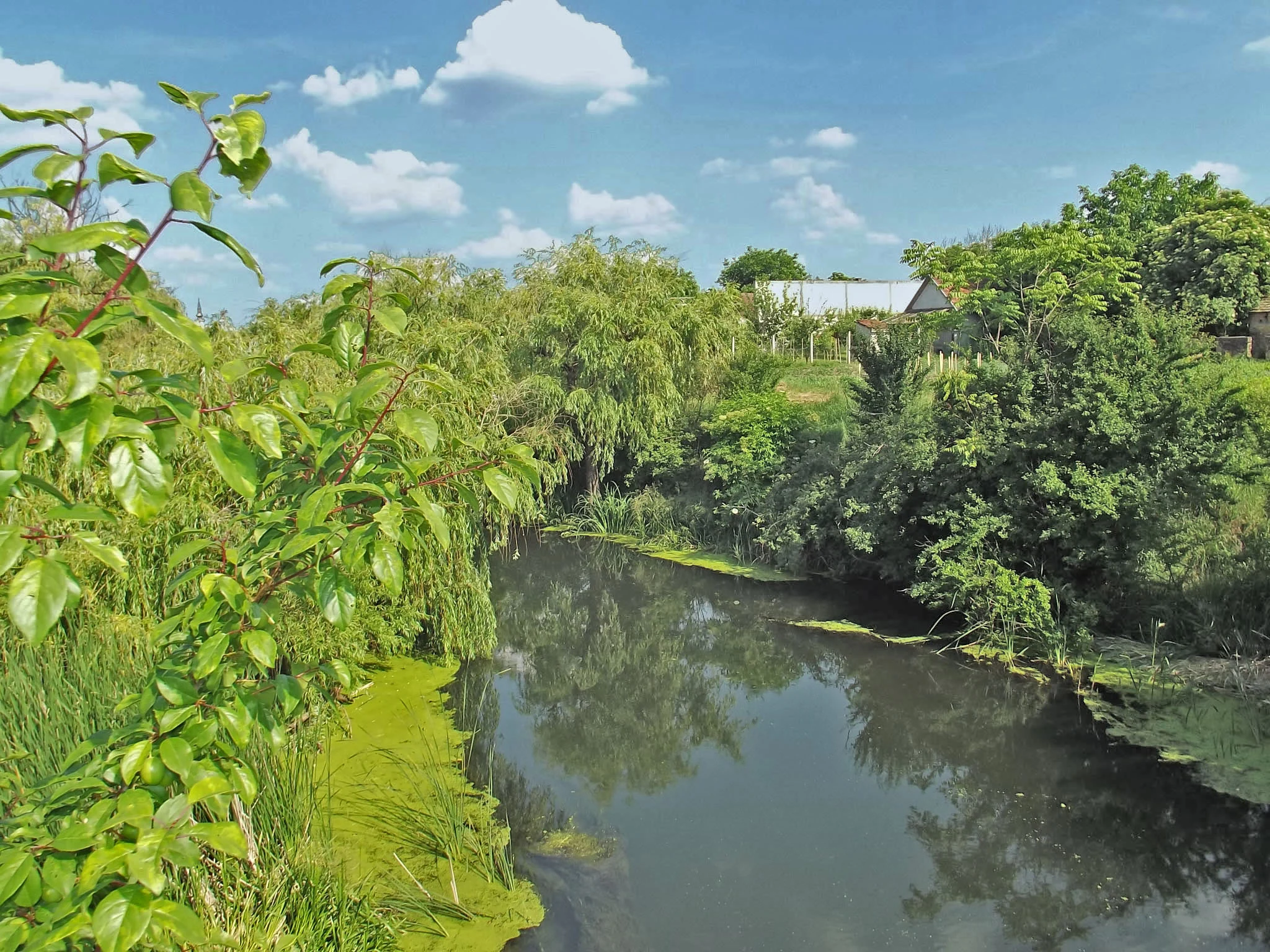
The landscape of Jegrička Nature Park centers on the meandering course of the Jegrička river as it flows through the flat terrain of the Vojvodina lowlands. The river corridor is flanked by marshlands, reed beds, and areas of riparian vegetation, creating a linear oasis of wetland habitat within the surrounding agricultural plains. The floodplain character of the area means that seasonal water level fluctuations influence the extent and distribution of wetland habitats, with broader marsh areas forming in the wider river valley. The terrain is predominantly flat, consistent with the broader Pannonian Basin geography, with the river channel and its associated wetlands providing the primary topographic variation.
Jegrička Nature Park ecosystems, habitats, and plant life
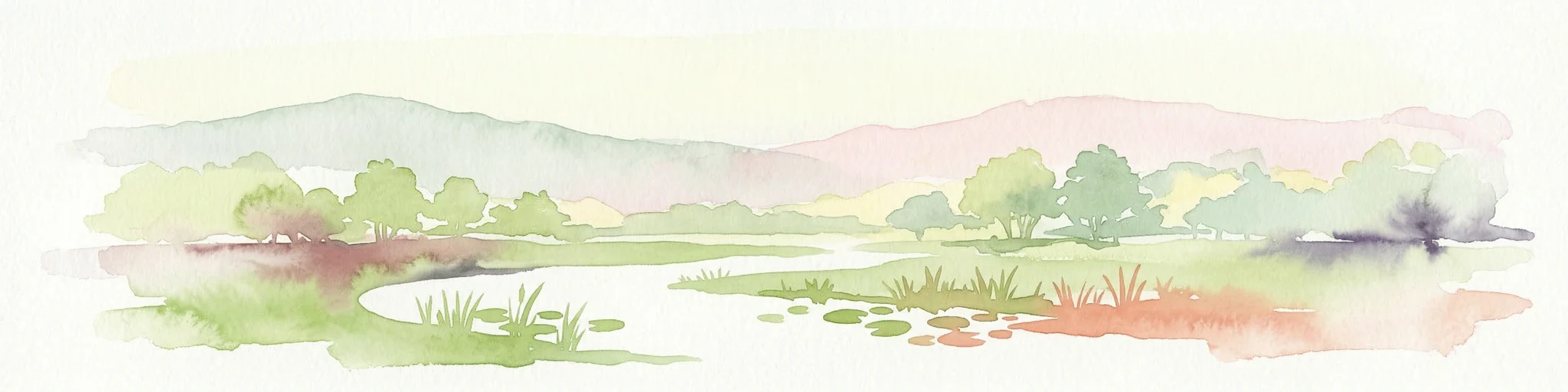
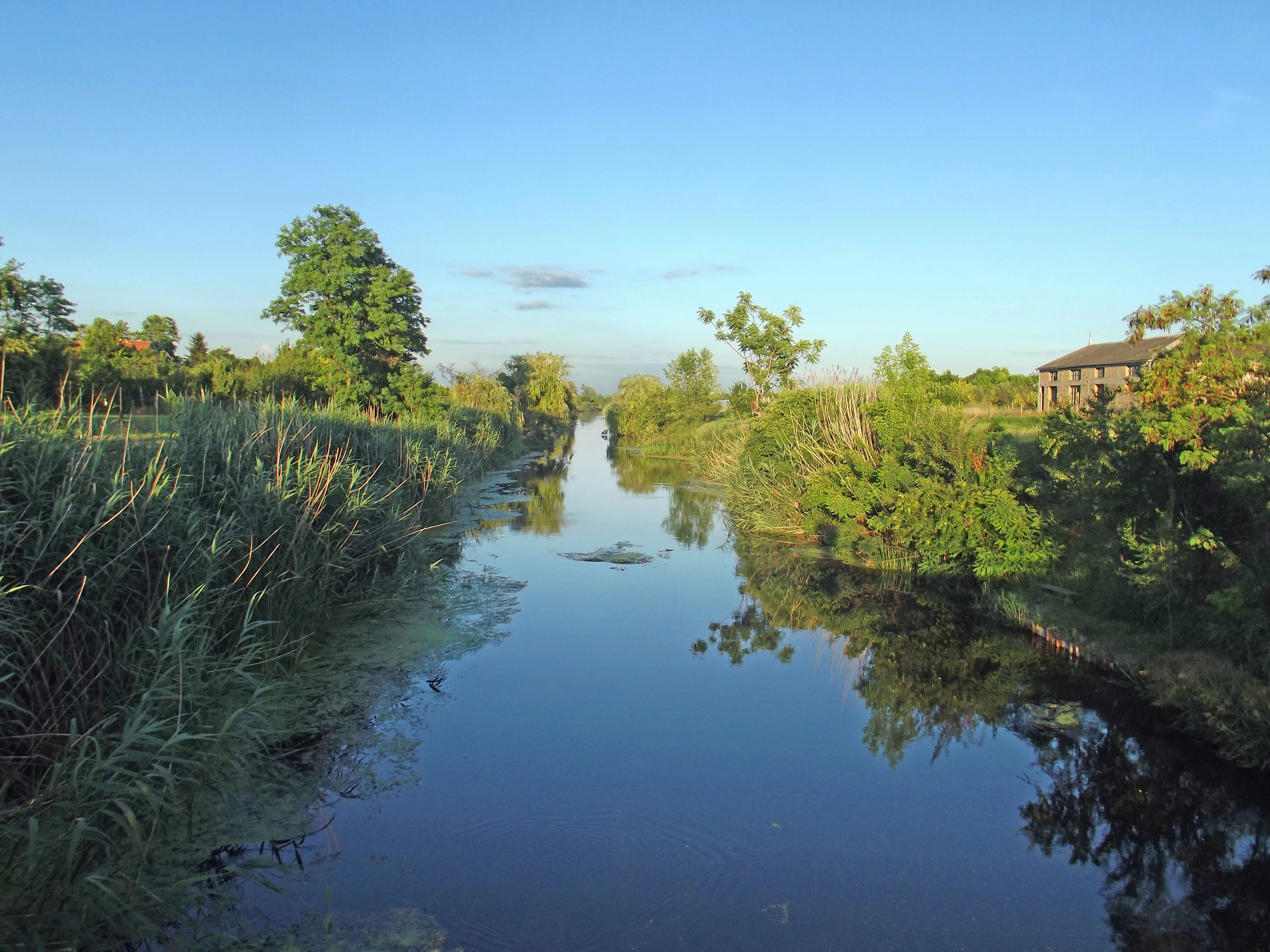
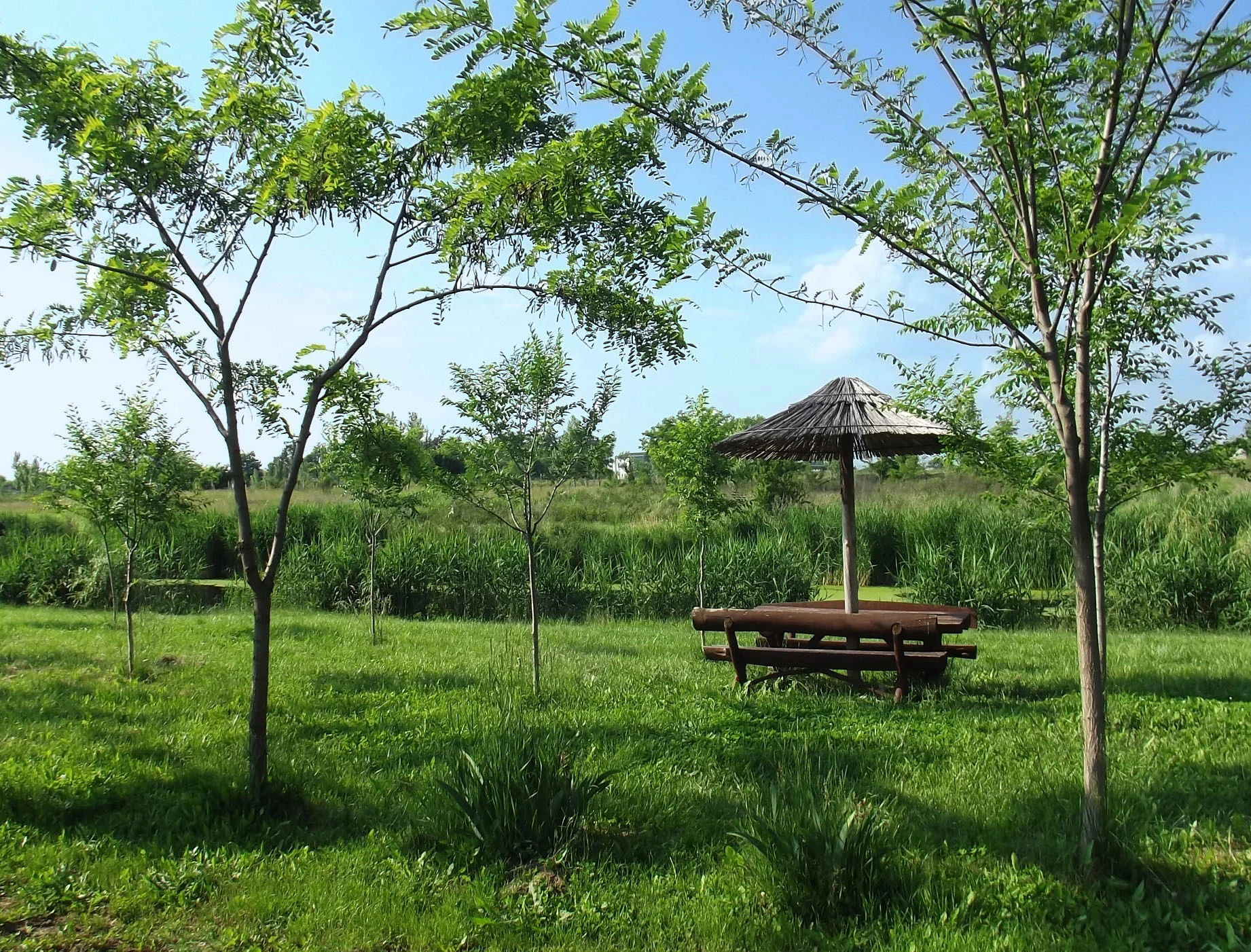
The nature of Jegrička Nature Park is defined by its riverine wetland ecosystems. The Jegrička river and its floodplain support extensive reed beds, marshes, and wet meadows that provide critical habitat for a range of wetland species. The combination of flowing water, standing marshes, and riparian vegetation creates diverse microhabitats within a relatively compact protected area. This wetland complex serves as an important ecological corridor within the Vojvodina agricultural landscape, connecting to broader regional ecosystems and supporting biodiversity in an area otherwise dominated by farmland.
Jegrička Nature Park wildlife and species highlights
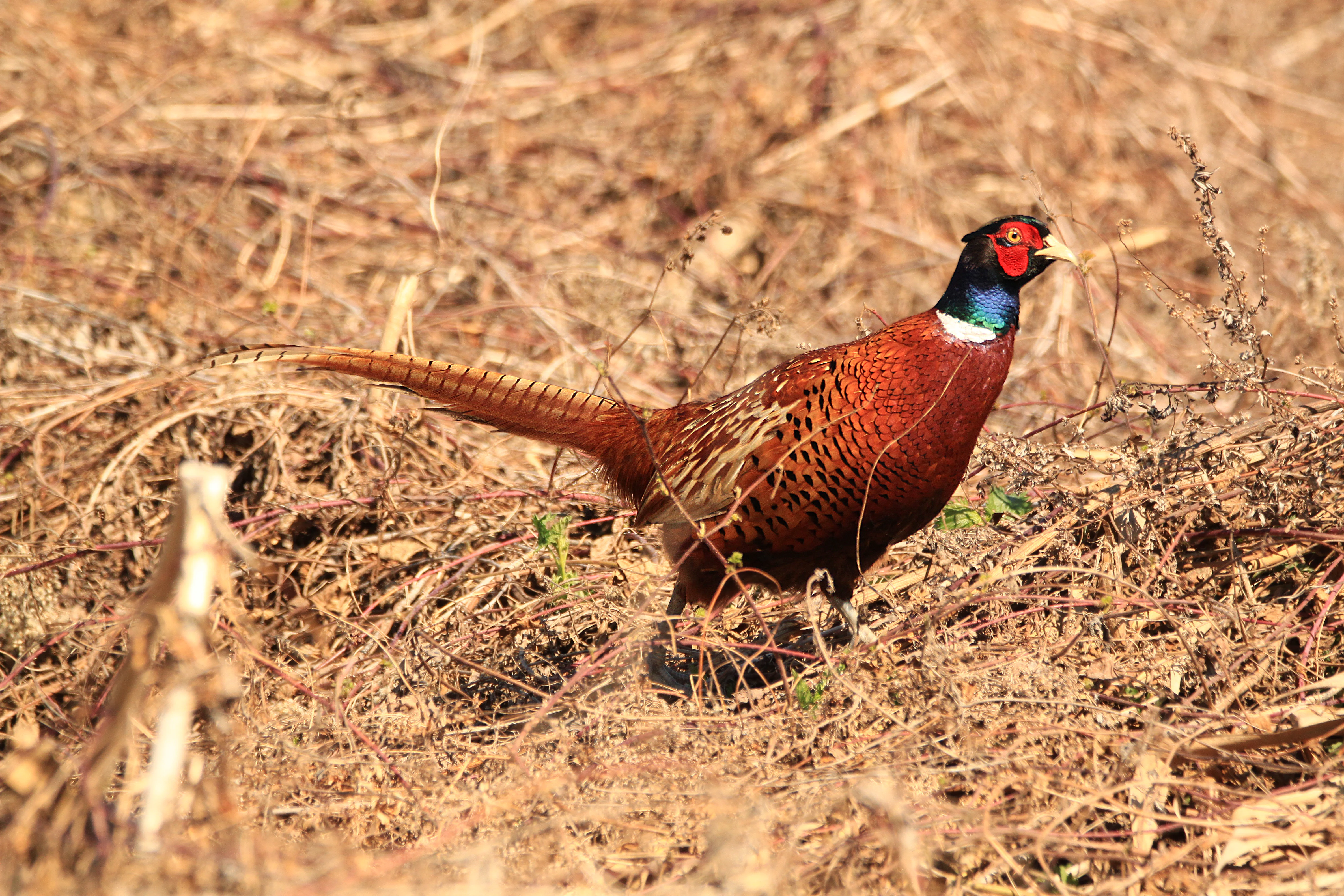
Jegrička Nature Park supports significant populations of waterfowl and wetland-dependent bird species. The marshes and floodplain habitats provide nesting grounds for various duck species, herons, and other waterbirds, while the reed beds offer important cover for marsh-nesting birds. The wetland area serves as a feeding and resting site for migratory birds traveling through the Pannonian flyway, making it significant for both breeding and migratory bird populations. The river and its associated wetlands also support fish populations and other aquatic organisms that form the base of the wetland food web.
Jegrička Nature Park conservation status and protection priorities
Jegrička Nature Park represents an important conservation priority within Serbia's protected areas system as one of the significant wetland reserves in Vojvodina. The protection of this riverine ecosystem helps preserve biodiversity in a region where extensive agricultural development has reduced natural habitats. The park plays a role in maintaining ecological connectivity within the Pannonian Basin, providing refuge for species that depend on wetland environments. Conservation of the Jegrička wetlands also contributes to broader regional efforts to protect migratory bird routes and maintain ecosystem services such as water filtration and flood regulation.
Jegrička Nature Park cultural meaning and human context
The Jegrička river and its wetlands exist within the broader context of Vojvodina's agricultural landscape, a region with a long history of farming and settlement. The fertile soils of the Pannonian Plain have made this area important for agriculture for centuries, and the river valleys have traditionally provided both water resources and natural grazing areas. The wetlands exist as remnants of the region's more extensive historical wetland systems, much of which has been converted to agricultural use over time.
Top sights and standout views in Jegrička Nature Park
Jegrička Nature Park stands out as a preserved wetland corridor in northern Serbia's agricultural heartland. The park protects one of Vojvodina's significant riverine wetland systems, with its reed marshes, meandering river channels, and floodplain forests providing crucial habitat for waterfowl and migratory birds. The protected area represents a rare example of intact freshwater wetland ecosystem in a region dominated by intensive agriculture, making it an important ecological refuge and biodiversity hotspot.