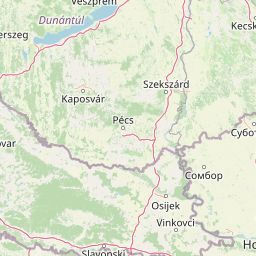

Why Kopački Rit Nature Park stands out
Kopački Rit is best known as one of Europe's most important bird habitats, with approximately 260 to 285 bird species recorded, including significant populations of white-tailed eagle, white stork, black stork, and great white egret. The wetland serves as a critical spawning and nursery ground for freshwater fish in the Danube basin, supporting around 40 to 44 species. Its dynamic floodplain landscape of interconnected channels, reed beds, marshes, and wooded islands creates one of the continent's most ecologically significant protected wetland complexes. The park also contains the Tikveš castle complex, a former hunting and residential estate used by Yugoslav President Josip Broz Tito.
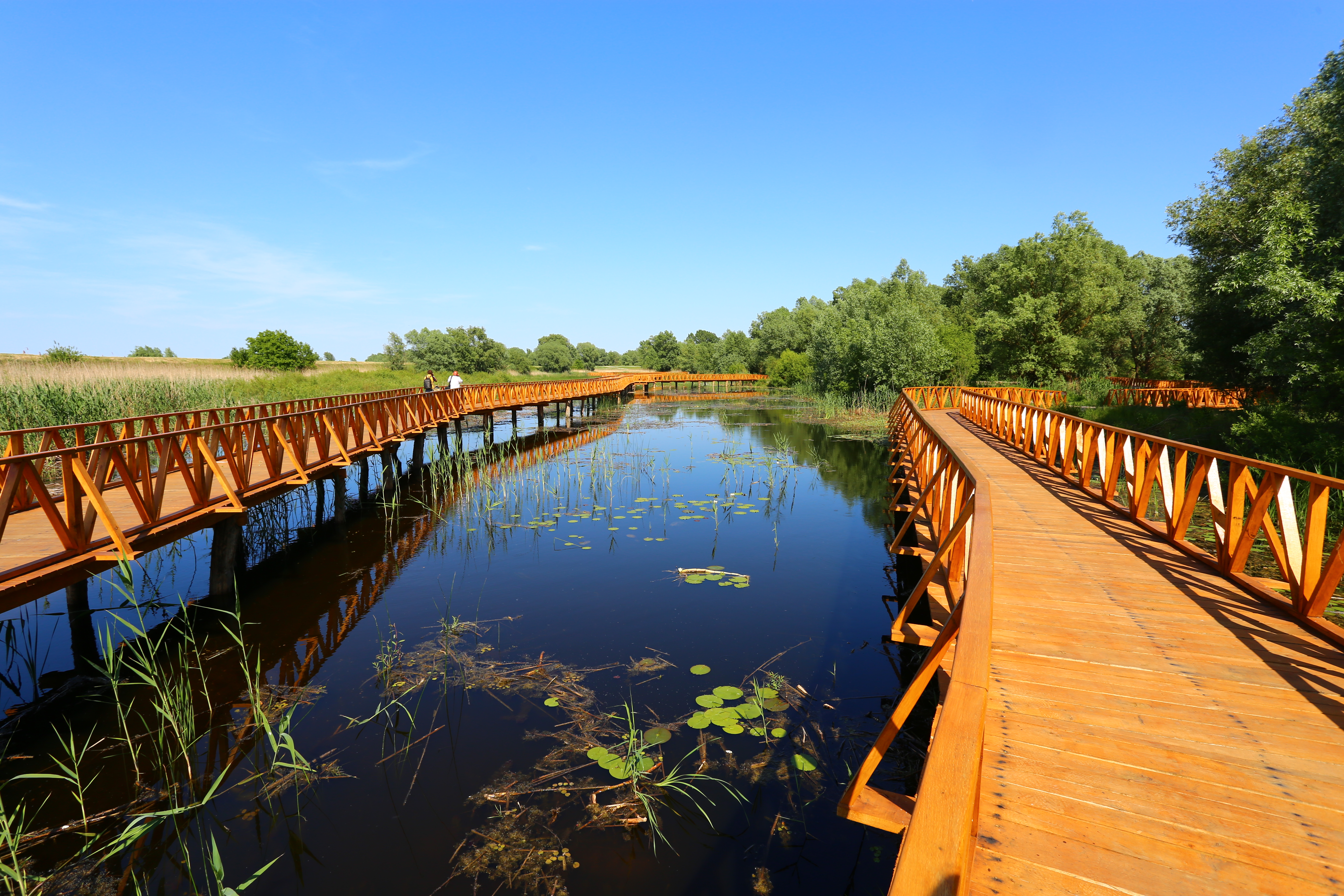
Kopački Rit Nature Park history and protected-area timeline
The protection of Kopački Rit evolved through several stages reflecting changing environmental priorities in the region. The first proposal for establishing a "Beljski nacionalni park" was put forward by naturalist Szecheny in 1935, though this initial idea did not immediately result in protected status. During the Yugoslav period beginning in 1959, the area came under management of the hunting-forestry enterprise "Jelen" based in Belgrade, which in cooperation with the nature protection institute sought in 1958 to have the area declared "National Park Moša Pijade." However, the conservation authority in Zagreb favored the concept of a managed nature reserve instead. In 1967, due to its preserved state, high biodiversity, and ecological value, Kopački Rit was designated as a "Managed Nature Reserve." The formal establishment as a nature park followed in 1976, with a core area designated as a Special Zoological Reserve covering 10,500 hectares. In 1993, the park achieved international recognition as a Ramsar Wetland of International Importance. The protected area was expanded to its current size of 17,700 hectares in 1999 by decision of the Croatian Parliament. Since 1997, management has been the responsibility of the public institution "Park prirode Kopački Rit." The area experienced environmental challenges including a 1969 canal excavation that resulted in the loss of 3,000 hectares of water surface, a 1985 pollution incident from a pig farm that caused significant fish mortality, and disturbance during the Croatian War of Independence when portions of the Special Zoological Reserve were mined.
Kopački Rit Nature Park landscape and geographic character
The physical landscape of Kopački Rit is the product of fluvial processes carried out by the Danube and Drava rivers over millennia, creating a characteristic terrain of alternating depressions and elevated ridges. The rivers deposit sediment and create sandbanks, islands, and natural levees, while flood waters carve crescent-shaped depressions in some areas and deposit material in others, resulting in a gently undulating terrain of shallow lakes (bare) and higher ground (grede). Two permanent lakes dominate the park: Kopačko jezero, the largest at approximately 220 hectares with depths ranging from 1.5 to 5 meters, sits at the heart of the protected area, while Lake Sakadaš reaches 7 meters in depth as the park's deepest point. The hydrological system includes several major channels—Hulovski Canal at 6 kilometers long and 34 meters wide connecting to the Danube, Renovo Channel linking to the Drava at 3 kilometers in length, and the longest channel, Stara Barbara, running 26.7 kilometers parallel to the Drava. The annual flooding cycle averages 99 days of partial inundation, with the entire surface under water for approximately 32 days, as spring snowmelt in the Alps raises river levels and floodwaters spill into the wetland from April through May before receding completely by late summer.
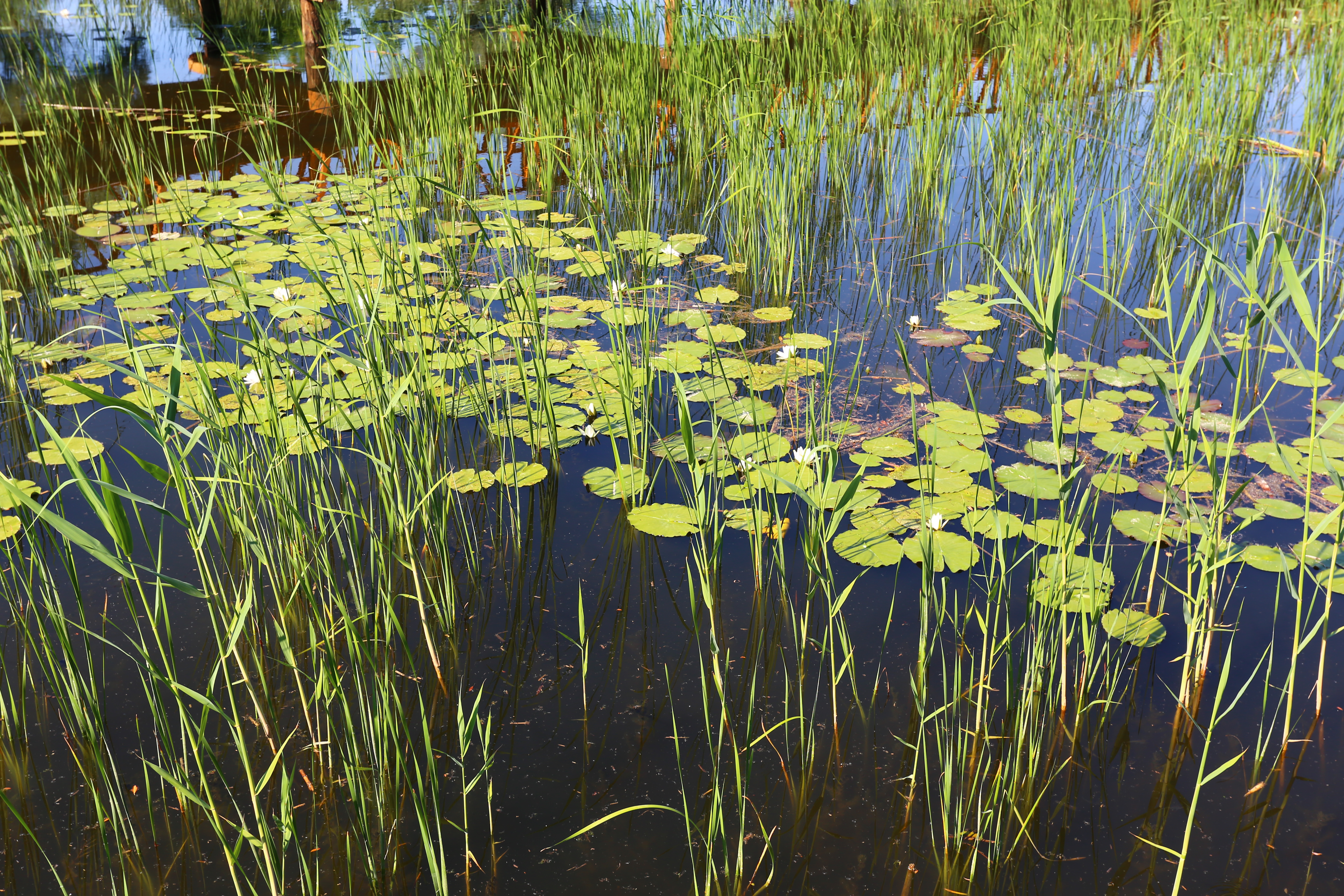
Kopački Rit Nature Park ecosystems, habitats, and plant life
The ecological character of Kopački Rit is defined by the interplay of aquatic and terrestrial habitats within the floodplain, creating exceptional biodiversity across multiple taxa. The vegetation reflects the microtopography and flooding regime, ranging from white willow forests capable of tolerating prolonged inundation on the lowest terrain, through mixed willow-poplar forests on slightly higher ground, to oak forests on the most elevated areas—including pedunculate oak stands and hornbeam-oak communities on drier sites. The wetland supports approximately 40 plant communities and over 300 floral species, with extensive reed beds and sedge communities dominating the marshy margins. Water vegetation includes pondweed communities, watermilfoil, and water-lily beds, with floating duckweed communities among the most common. The hydrological cycle of flooding and drying creates dynamic habitat conditions that support both aquatic and terrestrial species throughout the year.
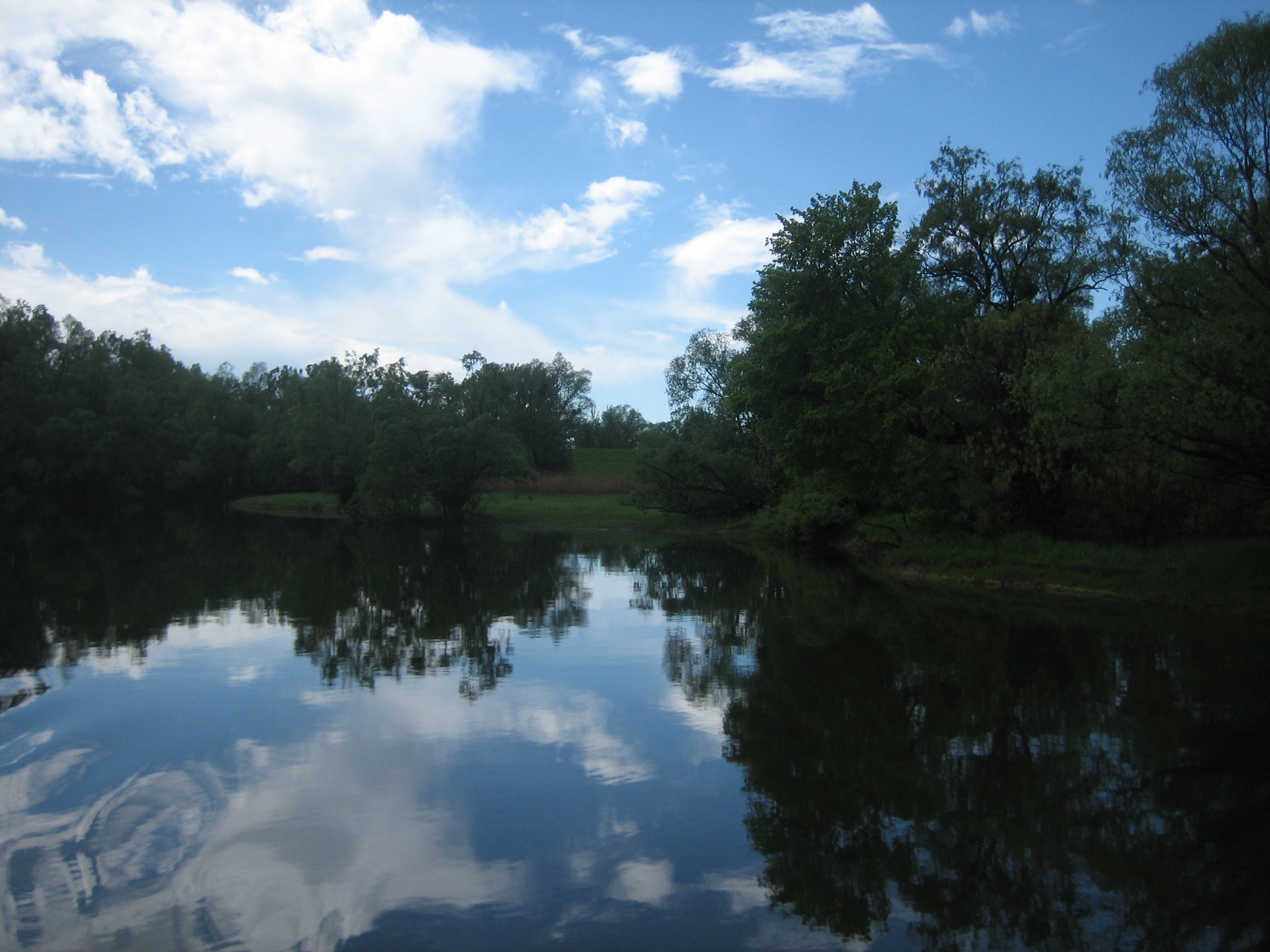
Kopački Rit Nature Park wildlife and species highlights
Kopački Rit supports extraordinary wildlife diversity, with approximately 260 to 285 bird species recorded, of which around 141 species breed in the area either regularly or intermittently. The wetland is particularly significant for colonial nesting birds including grey herons, purple herons, black-crowned night herons, and great cormorants, as well as gulls, whiskered terns, and white-tailed eagles, with over 20 breeding pairs of the latter—a species of global conservation concern. The park supports important populations of white stork, black stork, and small white egret, along with significant colonies of the endangered ferruginous duck. During spring and autumn migrations, hundreds of thousands of waterfowl use the wetland as a resting and feeding area. The fish population includes about 44 species, with carp, pike, catfish, and pike-perch being the most abundant, making this the most important spawning and nursery ground in the Danube basin. Mammals include red deer, roe deer, wild boar, European wildcat, pine marten, stone marten, and Eurasian otter, while invertebrate diversity includes over 400 species of invertebrates, including a newly identified form of freshwater mussel.
Kopački Rit Nature Park conservation status and protection priorities
Kopački Rit holds international significance as a Ramsar Convention Wetland of International Importance, designated in 1993 for its exceptional ecological value as a floodplain ecosystem. The park is recognized as an Important Bird Area (IBA) by ornithological organizations, acknowledging its critical role in supporting significant populations of breeding, migratory, and wintering birds. The designation as a Special Zoological Reserve within the nature park provides stricter protection for the core area. The wetland's conservation importance stems from its role as one of Europe's last relatively intact floodplain systems, where natural hydrological processes continue to function largely unimpeded. The park serves as a critical buffer and sanctuary for species that depend on dynamic wetland habitats increasingly rare across the continent. However, the area faces ongoing conservation challenges including historical hydrological modifications, pollution incidents, and the continued presence of mines in portions of the Special Zoological Reserve from the 1990s conflict.
Kopački Rit Nature Park cultural meaning and human context
The human history of Kopački Rit includes the Tikveš area, where a castle and hunting estate were constructed in the 19th century and later used by Yugoslav President Josip Broz Tito and King Aleksandar of Yugoslavia. The estate includes a residential complex and associated economic buildings reflecting the historical significance of the area for hunting and recreation. The park's name reflects its Hungarian linguistic heritage, originating from the settlement of Kopačevo on the park's edge, with the Hungarian terms "kopacs" and "rét" describing both a button or hook and a marshy meadow—aptly describing the fragmented wetland landscape. The area lies within the Baranja region, a distinctive cultural and geographical area in northeastern Croatia with historical connections to both Hungarian and Croatian heritage.
Top sights and standout views in Kopački Rit Nature Park
Kopački Rit stands as one of Europe's premier intact floodplain wetlands, offering a rare glimpse of the dynamic riverine ecosystems that once characterized the Danube and Drava floodplains. The park's exceptional bird diversity—with over 260 species including significant populations of white-tailed eagle, white stork, and great white egret—makes it a destination of international importance for ornithologists and nature enthusiasts. The wetlands serve as a critical migratory bird sanctuary, hosting hundreds of thousands of waterfowl during spring and autumn migrations. The fish spawning and nursery functions support the entire Danube basin's freshwater fishery resources. The Tikveš castle complex provides a window into the area's historical use as a royal and presidential hunting retreat.
Best time to visit Kopački Rit Nature Park
Kopački Rit can be explored throughout the year, though each season offers distinct experiences tied to the wetland's hydrological cycle. Spring and early summer, from April through June, coincide with the flood season when water levels rise and the landscape transforms into an expansive wet mosaic—though some areas may be inaccessible due to flooding. This period coincides with peak bird breeding activity and offers excellent opportunities for observing nesting colonies. Autumn migration from September through November brings large numbers of waterfowl passing through the wetland, making it particularly rewarding for birdwatching. The summer months of July and August typically see lower water levels as floodwaters recede, exposing reed beds and mudflats that attract different bird species. Winter, while less characteristic, offers a quieter experience with frozen surfaces and different wildlife activity patterns.