Mori Atlas logo
Protected landscapeSićevo Gorge

Discover the unique geography, karst formations, and protected landscape of this Serbian natural landmark.

Sićevo Gorge Protected Landscape: Mapping Serbia's Dramatic Limestone Canyon

Sićevo Gorge represents a significant protected landscape carved by the Nišava River through towering limestone cliffs in southeastern Serbia. This page offers an atlas-driven perspective on the gorge's dramatic topography, its intricate karst features, and the broad regional geography it inhabits. Users can explore the mapped boundaries of this protected area, understand its striking rock formations, and gain context for its place within Serbia's natural heritage.

gorgelimestone cliffskarst landscaperiver valleyhikingSoutheast Serbia

Sićevo Gorge

Protected landscape

Park overview

Structured park overview, official facts, and landscape profile for Sićevo Gorge

Sićevo Gorge park facts, protected area profile, and essential visitor context
Review the core facts for Sićevo Gorge, including designation, size, terrain, visitor scale, habitats, and operating context in one park-focused overview.

About Sićevo Gorge

Sićevo Gorge represents a remarkable natural phenomenon in the Serbian landscape, where the persistent action of flowing water has carved an impressive canyon through ancient limestone bedrock. The gorge slice into a mountainous region east of Niš, creating a landscape of towering cliffs, narrow passages, and cascading waters that stands in contrast to the more gentle agricultural terrain surrounding it. The protection of this area reflects its dual significance as both a geological heritage site and a living ecosystem. The steep canyon walls expose layers of sedimentary rock that tell a story of marine environments and geological processes spanning millions of years. Visitors to the gorge can follow paths along the river and climb to viewpoints that offer sweeping perspectives of the dramatic terrain. The area maintains a sense of naturalness despite its proximity to populated areas, with the sounds of rushing water and bird calls providing an immersive wilderness experience within reach of Serbia's second-largest city.

Quick facts and research context for Sićevo Gorge

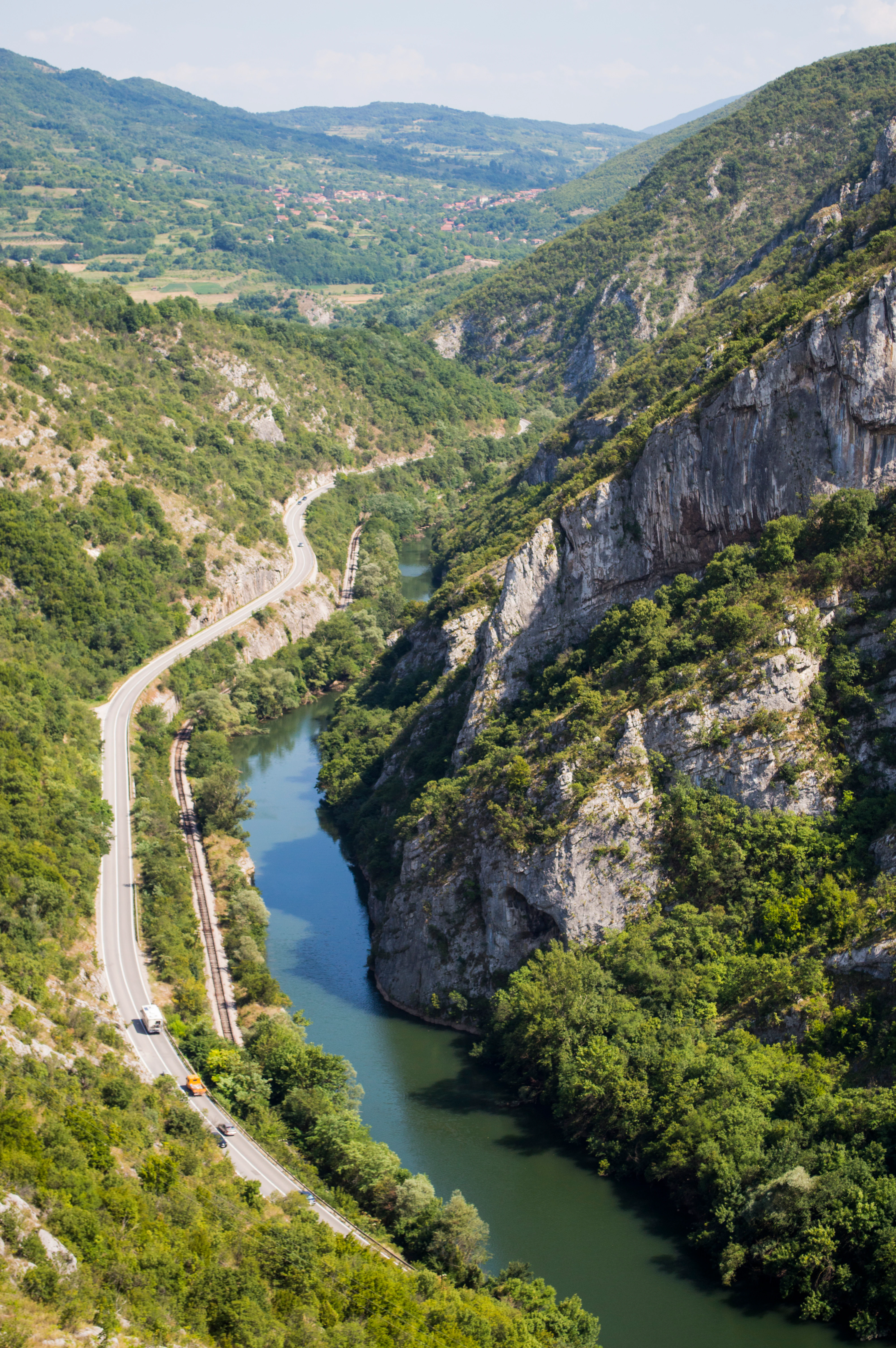
Sićevo Gorge is situated in eastern Serbia, approximately 15 kilometers southeast of the city of Niš, near the settlement of Sićevo. The Nišava River, a right tributary of the South Morava, has carved this impressive canyon through layers of limestone and dolomite over millions of years. The gorge stretches for several kilometers, with cliff faces reaching considerable heights and creating a dramatic mountain landscape. The area falls within a region characterized by Mediterranean and continental climate influences, supporting distinctive vegetation communities adapted to the rocky terrain and canyon microclimates.

Park context

Deeper park guide and search-rich context for Sićevo Gorge

Sićevo Gorge history, landscape, wildlife, and travel context
Explore Sićevo Gorge through its history, landscape character, ecosystems, wildlife, conservation priorities, cultural context, and seasonal travel timing in a structured park guide built for atlas discovery and search intent.

Why Sićevo Gorge stands out

Sićevo Gorge is best known for its spectacular limestone cliffs and canyon scenery, which rank among the most impressive in Serbia. The dramatic rock faces, vertical walls, and erosion-formed caves and rock shelters create a landscape of exceptional visual drama. The gorge is also recognized for its ecological diversity, with the combination of rocky habitats, river corridors, and forested slopes supporting a range of plant and animal species. The area has long attracted hikers, nature enthusiasts, and geologists who come to explore its trails and study its geological formations.
Sićevo Gorge history and protected-area timeline

The Sićevo area has been inhabited since ancient times, with evidence of human presence in the gorge dating to various historical periods. The strategic value of the canyon, controlling passage along the Nišava River valley, made it significant for ancient and medieval civilizations that inhabited the Balkans. Local communities have long drawn resources from the surrounding landscape while adapting to the challenges and opportunities presented by the rugged terrain. The modern protection of Sićevo Gorge reflects a growing awareness in Serbia of the importance of preserving unique natural landscapes for future generations. Designation as a protected area has helped maintain the ecological integrity of the gorge while allowing continued public access for recreation and education.

Sićevo Gorge landscape and geographic character

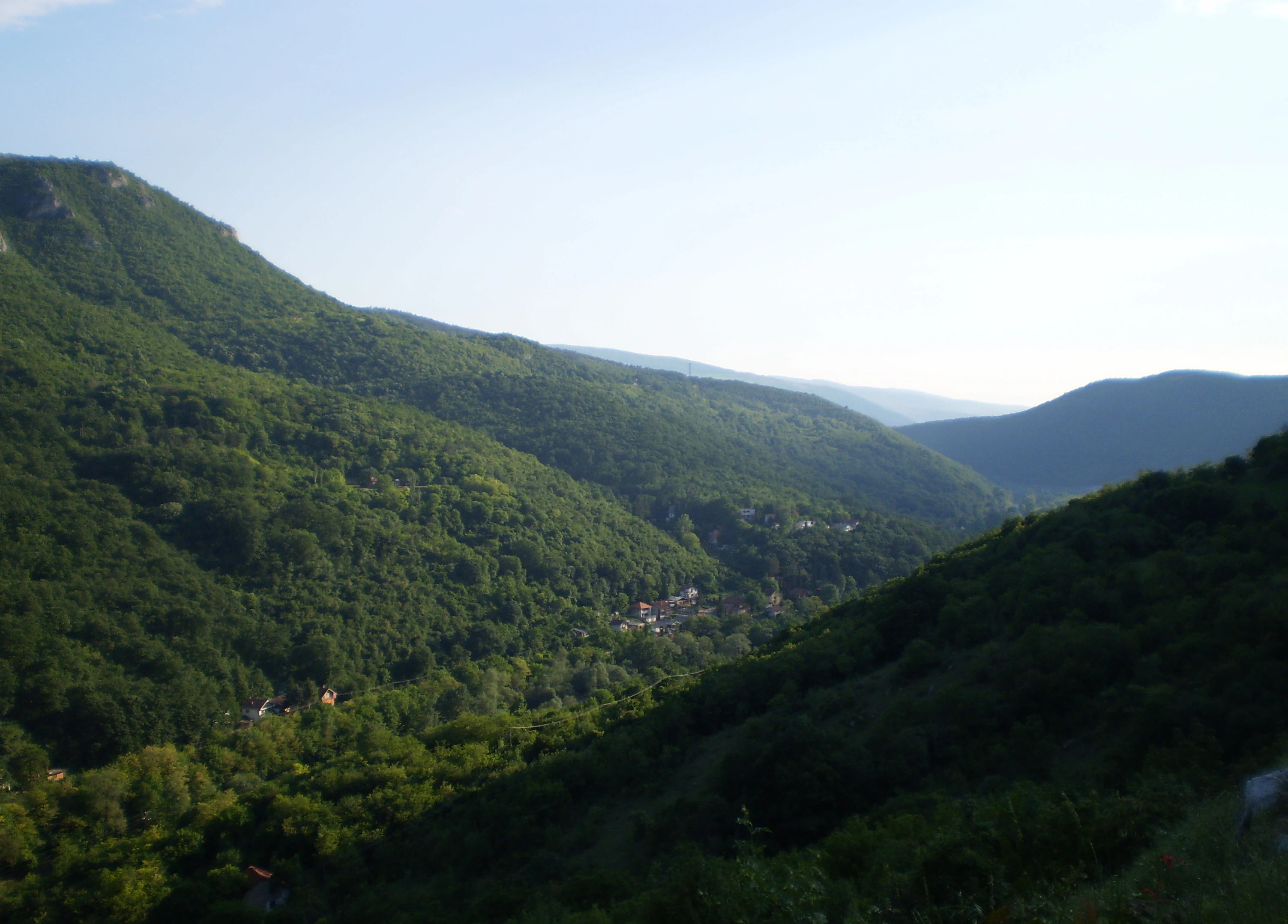
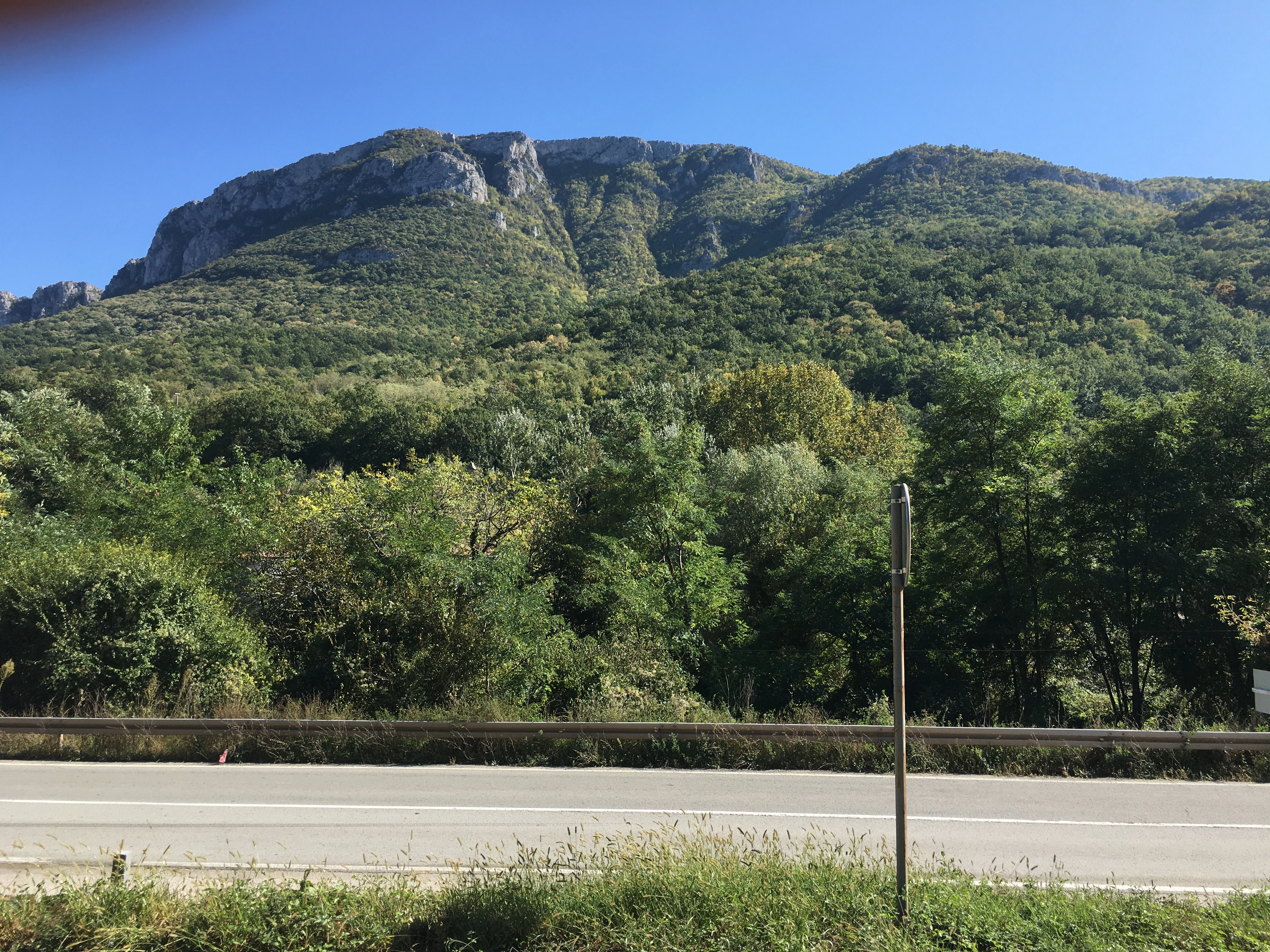
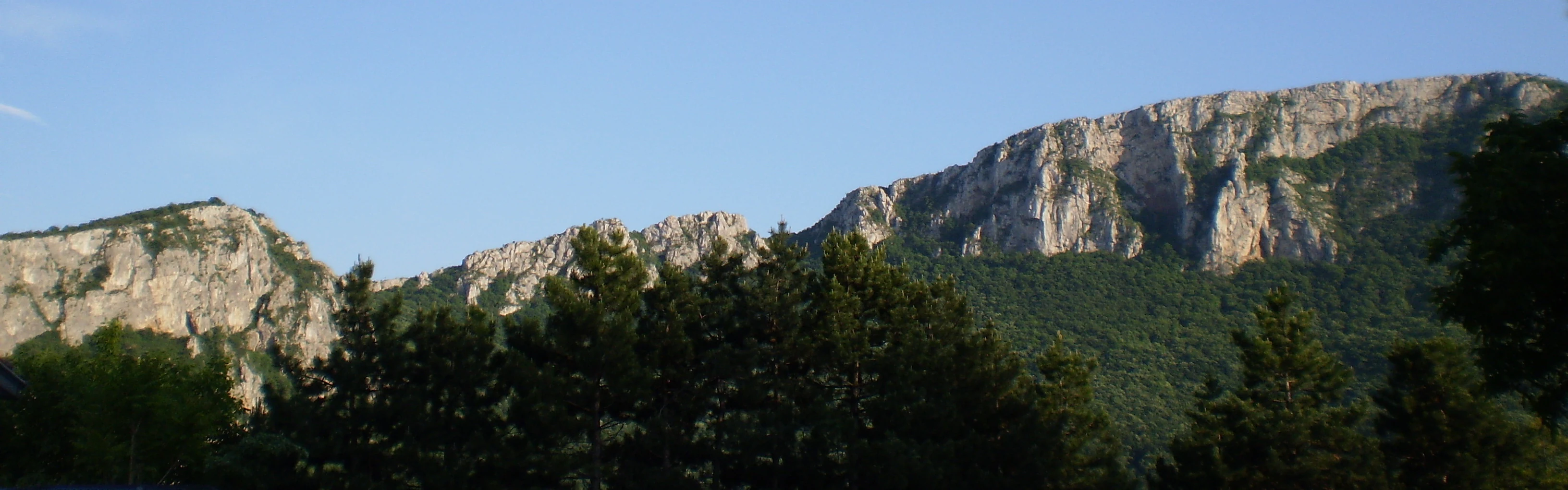
The landscape of Sićevo Gorge is defined by its dramatic limestone topography, where the Nišava River has cut a deep canyon through layers of sedimentary rock. Vertical and near-vertical cliff faces rise along the river course, their surfaces marked by erosion, weathering, and the formation of karst features including caves, sinkholes, and rock shelters. The canyon walls support patches of vegetation in crevices and on ledges, creating a pattern of green growth against the gray stone that is particularly striking in contrast. Rocky debris slopes accumulate at the base of cliffs, while the river itself flows over a bed of boulders and cobbles, creating riffles and small waterfalls. The surrounding terrain consists of rolling hills and agricultural land that provides context for the gorge's dramatic topography.
Sićevo Gorge ecosystems, habitats, and plant life

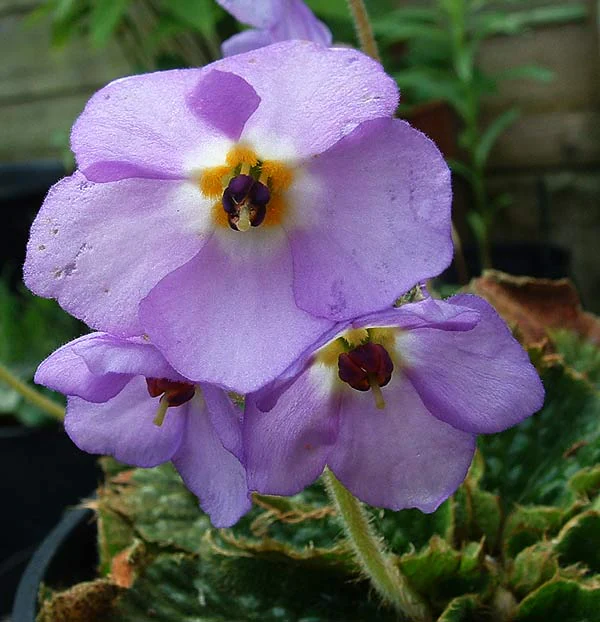
The nature of Sićevo Gorge reflects the interaction between geological, climatic, and biological processes that together create distinctive habitats within the canyon. The complex terrain generates varied microclimates, with south-facing slopes experiencing warmer, drier conditions while north-facing cliffs maintain cooler, more humid environments. This diversity supports a range of plant communities, from drought-resistant herbaceous vegetation on sunny rock faces to more lush growth in shaded areas and along the watercourse. The river corridor provides habitat for aquatic species and serves as a movement pathway for wildlife moving through the landscape. Birdlife is particularly notable, with species adapted to cliff habitats and river environments found in the gorge.
Sićevo Gorge wildlife and species highlights

Sićevo Gorge provides habitat for a variety of bird species that have adapted to its cliff and canyon environments. Raptors soar on thermal currents rising from the canyon walls, using the elevated terrain as hunting grounds and nesting sites on ledges and in caves. The river and its banks support water-associated species, while the surrounding forests and scrub areas host passerines and other songbirds. The diverse insect fauna of the gorge includes numerous butterfly species and other invertebrates that thrive in the varied plant communities. The combination of rocky habitats, water features, and vegetation layers creates ecological conditions that support a more diverse wildlife community than might be expected in this region of the Balkans.
Sićevo Gorge conservation status and protection priorities

The protection of Sićevo Gorge as a natural landmark reflects its significance as a representative example of karst canyon landscapes in Serbia. The protected area designation helps preserve both the geological features that make the gorge notable and the ecological communities that have adapted to its unique conditions. Conservation of the gorge also protects water quality in the Nišava River and maintains habitat connectivity for wildlife moving through the landscape. Educational and research value represents another dimension of the site's conservation importance, as the accessible canyon provides opportunities for studying geology, ecology, and natural history.

Sićevo Gorge cultural meaning and human context

The Sićevo Gorge area has been shaped by centuries of human presence, with the landscape influencing settlement patterns and land use in the Nišava River valley. Local communities have developed connections to the gorge through traditional activities including agriculture, pastoralism, and the use of natural resources. The dramatic scenery has inspired cultural expressions and local traditions that reflect the importance of the landscape in regional identity. The town of Sićevo itself takes its name from the gorge, indicating the long-standing relationship between the community and this distinctive natural landmark.
Top sights and standout views in Sićevo Gorge

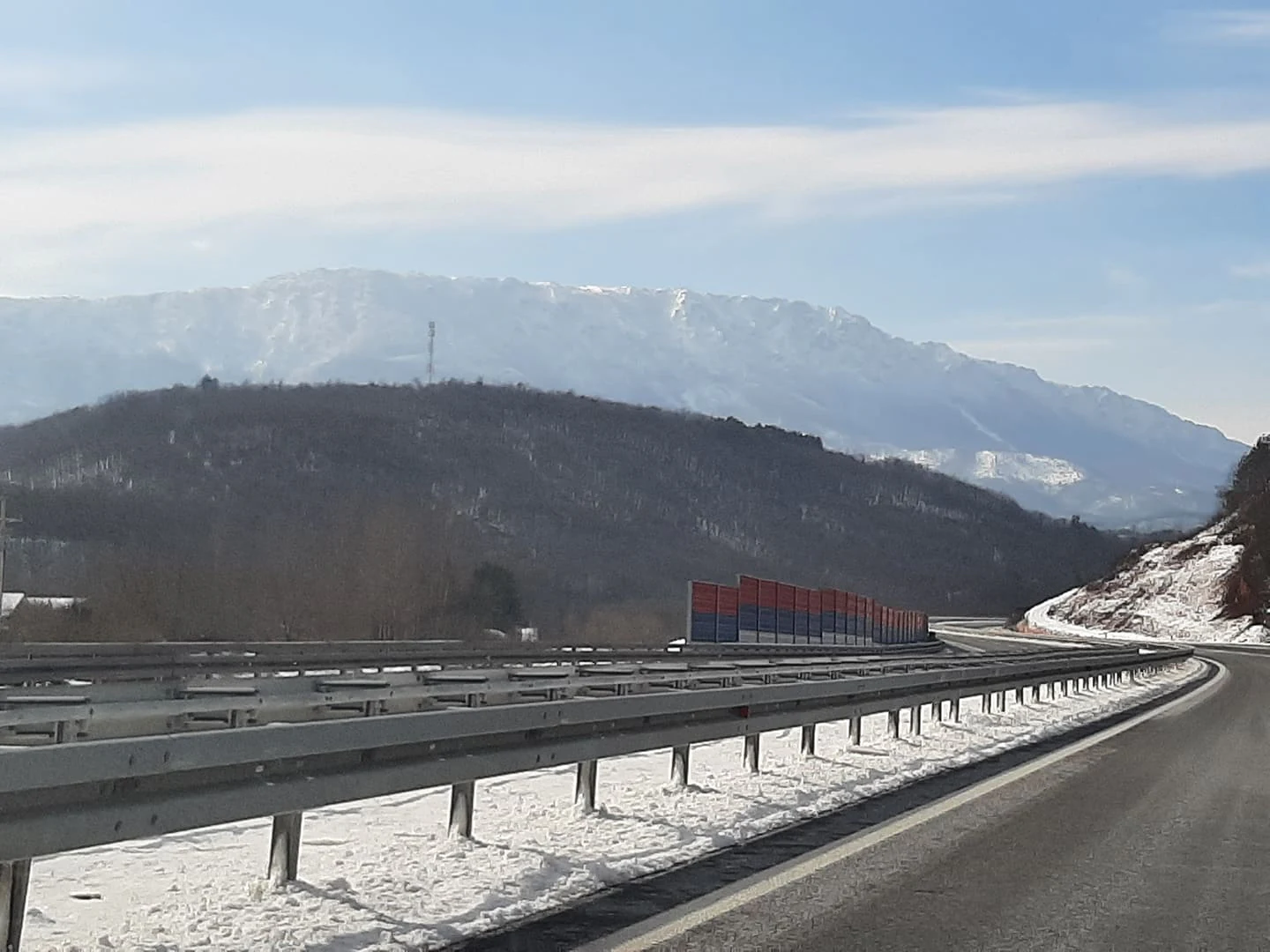
The towering limestone cliffs of Sićevo Gorge stand as the most striking visual feature, their vertical faces reaching impressive heights above the winding Nišava River. Hiking trails follow the canyon floor and climb to elevated viewpoints that reveal the full scope of the gorge's dramatic topography. The interplay of light and shadow on the rock walls creates an ever-changing landscape throughout the day. The sounds of the river, birds, and wind in the canyon contribute to a sense of natural immersion despite the area's proximity to urban centers. The combination of geological spectacle, ecological diversity, and cultural history makes Sićevo Gorge a destination that offers more than just scenic views.
Best time to visit Sićevo Gorge

Sićevo Gorge can be visited throughout the year, though each season offers a different experience of the landscape. The gorge is most vibrant in spring and early summer when vegetation is lush and water flow in the river is typically strong following winter precipitation. Summer months bring warmer temperatures that make hiking comfortable but can also mean lower water levels in the river. Autumn offers another attractive season with changing foliage colors adding splashes of red and gold to the green vegetation. Winter visits provide a different character, with the stark rock formations taking on a more austere beauty, though trail conditions may be more challenging. The shoulder seasons often provide the most comfortable conditions for exploration.
Park location guide

Geography guide, regional context, and park location map for Sićevo Gorge

Sićevo Gorge park geography, regions, and map view in Serbia
Understand where Sićevo Gorge sits in Serbia through a broader geographic reading of the surrounding landscape, nearby location context, and its mapped position within the national park landscape.

How Sićevo Gorge fits into Serbia

Serbia is a landlocked country in Southeast and Central Europe, bordered by eight neighboring countries. With a population of approximately 6.6 million, it operates as a unitary parliamentary republic with Belgrade as its capital. The country has a rich history dating back to medieval statehood in the 7th century and has been independent since 2006 following the dissolution of Serbia and Montenegro.

Wider geography shaping Sićevo Gorge in Serbia

Serbia is a landlocked country in the Balkans, spanning parts of Southeast and Central Europe. It occupies a strategic position in the heart of the Balkan Peninsula, bordered by Hungary to the north, Romania to the northeast, Bulgaria to the southeast, North Macedonia to the south, Croatia to the northwest, Bosnia and Herzegovina to the west, and Montenegro to the southwest. The terrain varies from rolling plains in the north to mountainous regions in the south and east.

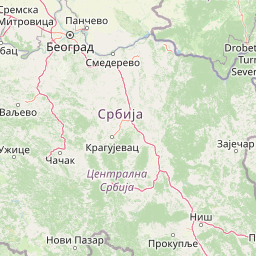
Map view of Sićevo Gorge

Use this park location map to pinpoint Sićevo Gorge in Serbia, understand its exact geographic position, and read its mapped placement within the surrounding landscape more clearly.

Pigeon | © OpenStreetMap contributors
Park atlas

Uncover regional park geography, compare protected landscapes, and trace karst formations near Sićevo Gorge.

Discover Nearby Protected Areas and Parks Surrounding Sićevo Gorge in Southeast Serbia
Explore protected areas and national parks geographically connected to Sićevo Gorge, tracing significant natural landmarks across eastern Serbia. This curated overview provides valuable geographic context, allowing you to compare diverse protected landscapes, river valleys, and karst terrain within a regional park atlas.
National park

Đerdap National Park: Europe's Grandest River Gorge and Protected Landscape

Explore Serbia's largest national park along the Danube River.

Đerdap National Park is defined by the Iron Gate, Europe's longest and most dramatic river gorge, a geological marvel carved through the Carpathian Mountains. This protected area showcases a complex karst landscape with towering cliffs, deep river sections, and rich biodiversity, including vital Tertiary relict species. The park's vastness and unique terrain offer a profound geographic context for understanding regional natural landscapes and conservation efforts. Explore its mapped boundaries and ecological significance.

Area
637.87 km²
Established
1974
IUCN
II
Relief
Mountain
Watercolor illustration of a river flowing through a valley with mountains in the background
Protected landscapeRomania

Iron Gates Natural Park: Explore Romania's Protected Landscape and Geographic Context

Detailed atlas view of a protected landscape in Romania.

Uncover the geographic dimensions of Iron Gates Natural Park, a protected landscape situated in Romania. This detailed entry offers an atlas-centric exploration of its mapped boundaries and regional setting, facilitating a deeper understanding of its protected status and landscape features within the national geography. Discover the park's intrinsic value through structured geographic data and visual map context.

Area
1,156.66 km²
Established
2000
Relief
Mixed relief
Climate
Mediterranean
National parkKosovo

Sharr Mountains National Park: Kosovo's Alpine Protected Landscape and Geographic Atlas

Explore its dramatic peaks and glacial terrain.

Sharr Mountains National Park in Kosovo is a prime example of dramatic alpine topography, featuring jagged peaks, steep glacial valleys, and clear evidence of ancient glacial shaping. This protected area safeguards critical ecosystems, including extensive old-growth forests and diverse alpine meadows, supporting notable wildlife conservation efforts. Its scenic ridgelines, glacial lakes, and mountain streams define the park's natural landscape, offering rich context for atlas-based geographic discovery within the Balkans.

Relief
Mountain
Scope
Terrestrial
National park

Rila National Park: Bulgaria's Largest National Park with Alpine Terrain and Glacial Lakes

Explore mapped boundaries and protected landscape features.

Rila National Park, situated in Bulgaria's Rila mountain range, stands as the country's largest national park and a vital protected landscape. Its territory is characterized by dramatic glacial topography, including the iconic Seven Rila Lakes, and ascends to Musala Peak, the highest summit in the Balkan Peninsula. This atlas entry details the park's extensive mapped boundaries and unique ecosystems, emphasizing its importance for understanding regional geography and protected area networks.

Area
810.46 km²
Established
1992
IUCN
II
Relief
Mountain
National parkKosovo

Bjeshkët e Nemuna National Park: Kosovo's Largest Alpine Protected Landscape

Explore dramatic mountains, glacial lakes, and diverse ecosystems.

Delve into the protected geography of Bjeshkët e Nemuna National Park, Kosovo's expansive national park located in the Accursed Mountains. This atlas entry details its significant alpine terrain, from dense forests to high-altitude meadows, and highlights the presence of glacial lakes like Liqenat. Understand its role as a vital conservation corridor and a key component of the Balkan's natural heritage.

Area
630.28 km²
Established
2012
IUCN
II
Watercolor painting showing green forests, a river, and pink-hued mountains in the background
Protected landscape

Kosmaj Protected Landscape: Explore Serbia's Island Mountain Geography and Forests

Mapped terrain, historic monasteries, and biodiversity near Belgrade.

Kosmaj, a unique protected landscape and island mountain, presents a compelling study in regional geography and mapped terrain for atlas enthusiasts. Rising prominently near Belgrade, its landscape is characterized by dense deciduous forests of beech and oak blanketing its steeper slopes, along with distinct peaks like Mali Vis and Goli Vis. This area serves as a vital watershed source and boasts significant biodiversity, offering a rich context for understanding Serbia's natural and historic environments through structured geographic data and map exploration.

Area
0.035 km²
Established
2005
Relief
Lowland
Climate
Temperate
Watercolor illustration showing rolling hills, scattered trees, and a soft pink sky
Protected landscapeMehedinți County

Mehedinți Plateau Geopark Protected Landscape: Karst Geography and Regional Context

Explore Romania's unique limestone formations and karst landscapes.

The Mehedinți Plateau Geopark in Mehedinți County, Romania, is a significant protected landscape celebrated for its extensive karst features. This page offers detailed insights into the park's mapped boundaries, including its famous natural bridges like Podul lui Dumnezeu, vast limestone pavements, and cave systems. Understand its position within the broader regional geography of southwestern Romania, providing a solid foundation for atlas-driven exploration of this geologically rich area.

Area
1,065 km²
Established
2005
IUCN
V
Relief
Upland
Watercolor painting of a landscape featuring rolling hills, a lake, trees, and a sky with clouds
Natural monument

Avala Natural Monument: Iconic Protected Landscape and Regional Geography Near Belgrade

Explore Avala's mapped terrain and natural monument significance.

Avala Natural Monument offers a unique protected landscape and significant geographic context for the Belgrade metropolitan area. As one of Serbia's oldest protected natural sites, its distinct mountain terrain, geological composition, and panoramic views provide a rich subject for atlas-based discovery. Explore the mapped boundaries and natural features that define this prominent Serbian natural monument.

Area
5.01 km²
Established
1859
Relief
Mountain
Climate
Temperate

Common questions about visiting, size, designation, and location context for Sićevo Gorge

Sićevo Gorge FAQs for park facts, access, geography, and protected area context
Find quick answers about Sićevo Gorge, including protected-area facts, park geography, trail and visitor context, and how the park fits into its surrounding country and regional landscape.
MoriAtlas Explorer

Continue Your Protected Areas Search Across the Global Atlas

Deepen your exploration by continuing the structured search for national parks and protected areas worldwide. Utilize the comprehensive filtering capabilities to compare different conservation landscapes and refine your understanding of global park geography. Discover more about the distribution and characteristics of protected natural areas.

Global natural geography