
Why Sićevo Gorge stands out
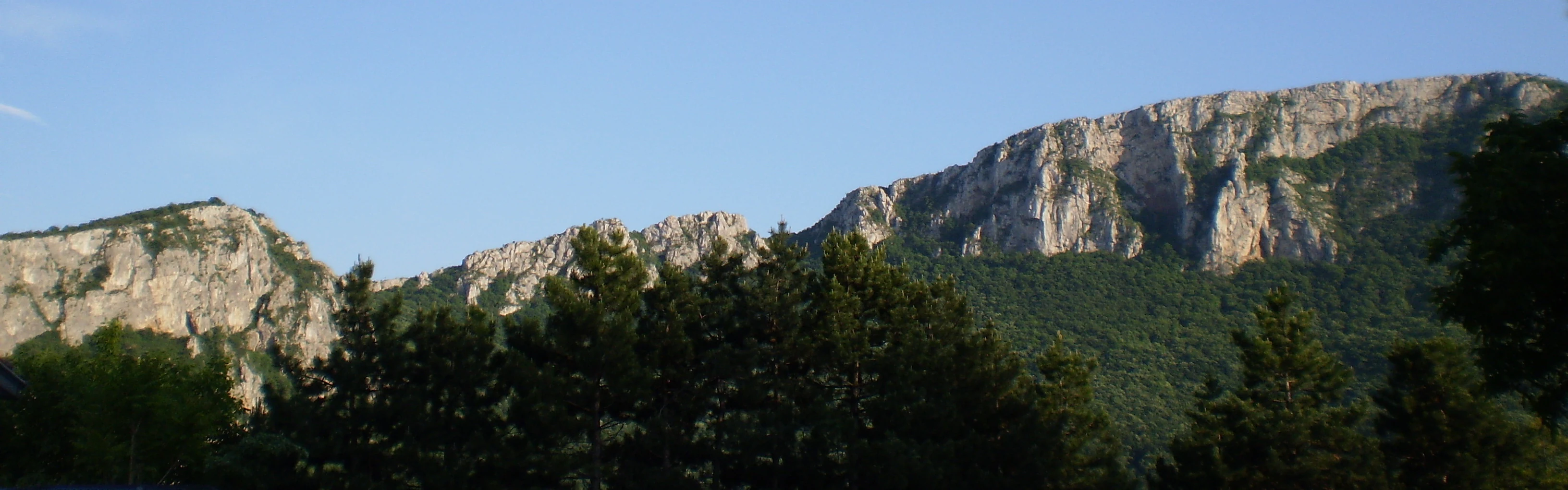
Sićevo Gorge is best known for its spectacular limestone cliffs and canyon scenery, which rank among the most impressive in Serbia. The dramatic rock faces, vertical walls, and erosion-formed caves and rock shelters create a landscape of exceptional visual drama. The gorge is also recognized for its ecological diversity, with the combination of rocky habitats, river corridors, and forested slopes supporting a range of plant and animal species. The area has long attracted hikers, nature enthusiasts, and geologists who come to explore its trails and study its geological formations.
Sićevo Gorge history and protected-area timeline
The Sićevo area has been inhabited since ancient times, with evidence of human presence in the gorge dating to various historical periods. The strategic value of the canyon, controlling passage along the Nišava River valley, made it significant for ancient and medieval civilizations that inhabited the Balkans. Local communities have long drawn resources from the surrounding landscape while adapting to the challenges and opportunities presented by the rugged terrain. The modern protection of Sićevo Gorge reflects a growing awareness in Serbia of the importance of preserving unique natural landscapes for future generations. Designation as a protected area has helped maintain the ecological integrity of the gorge while allowing continued public access for recreation and education.
Sićevo Gorge landscape and geographic character
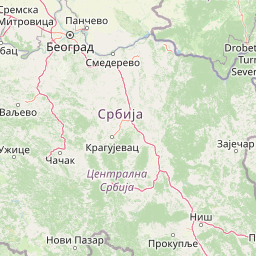
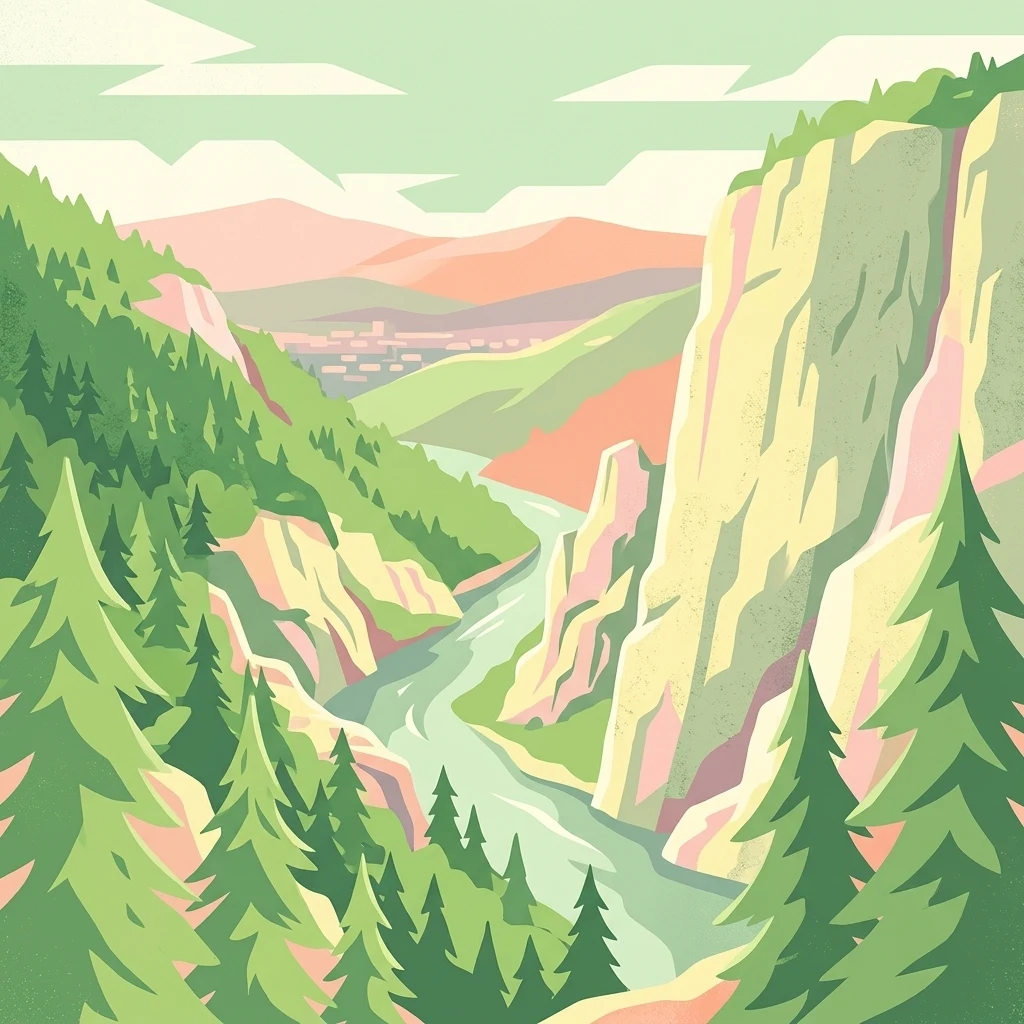
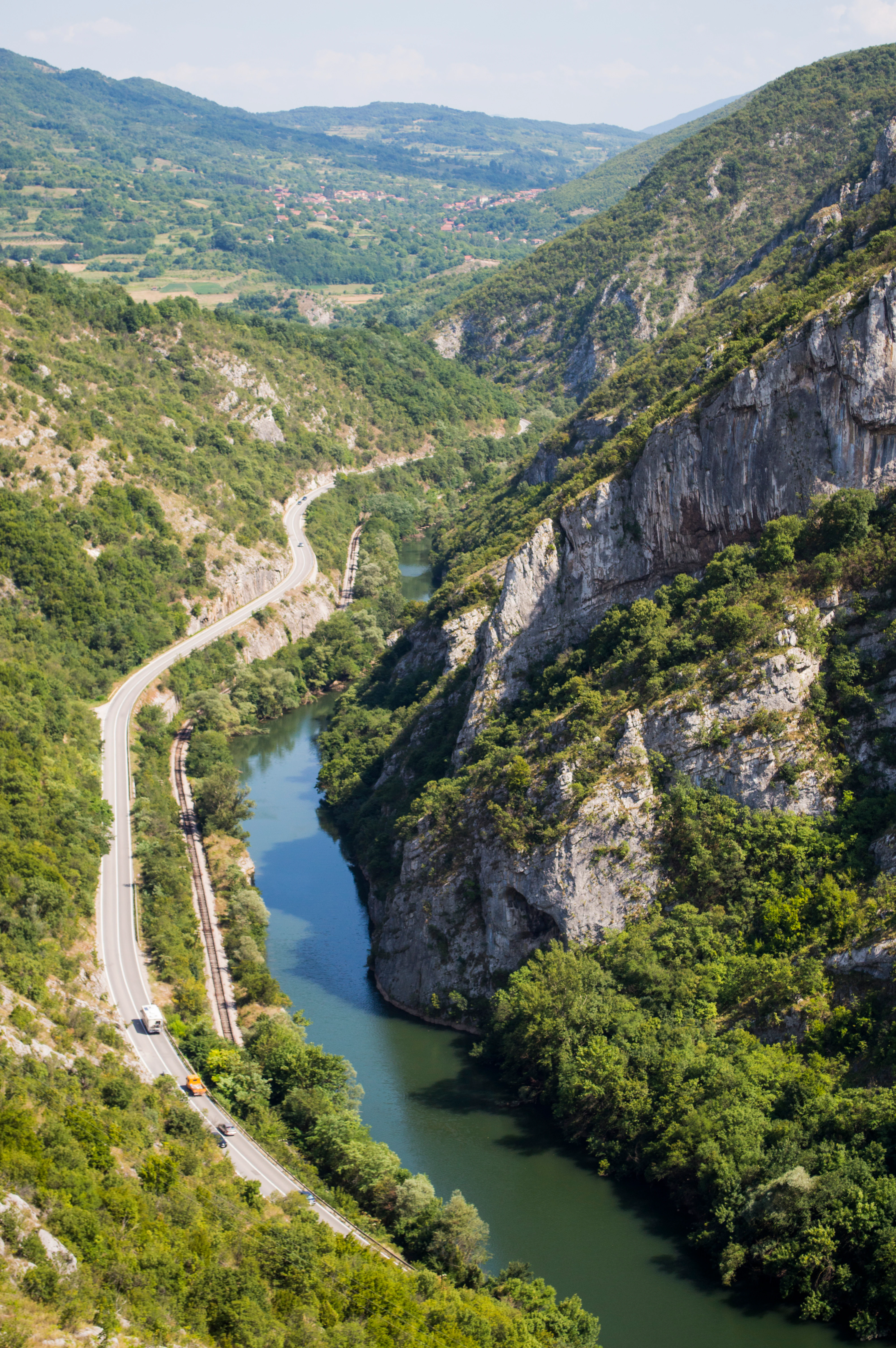
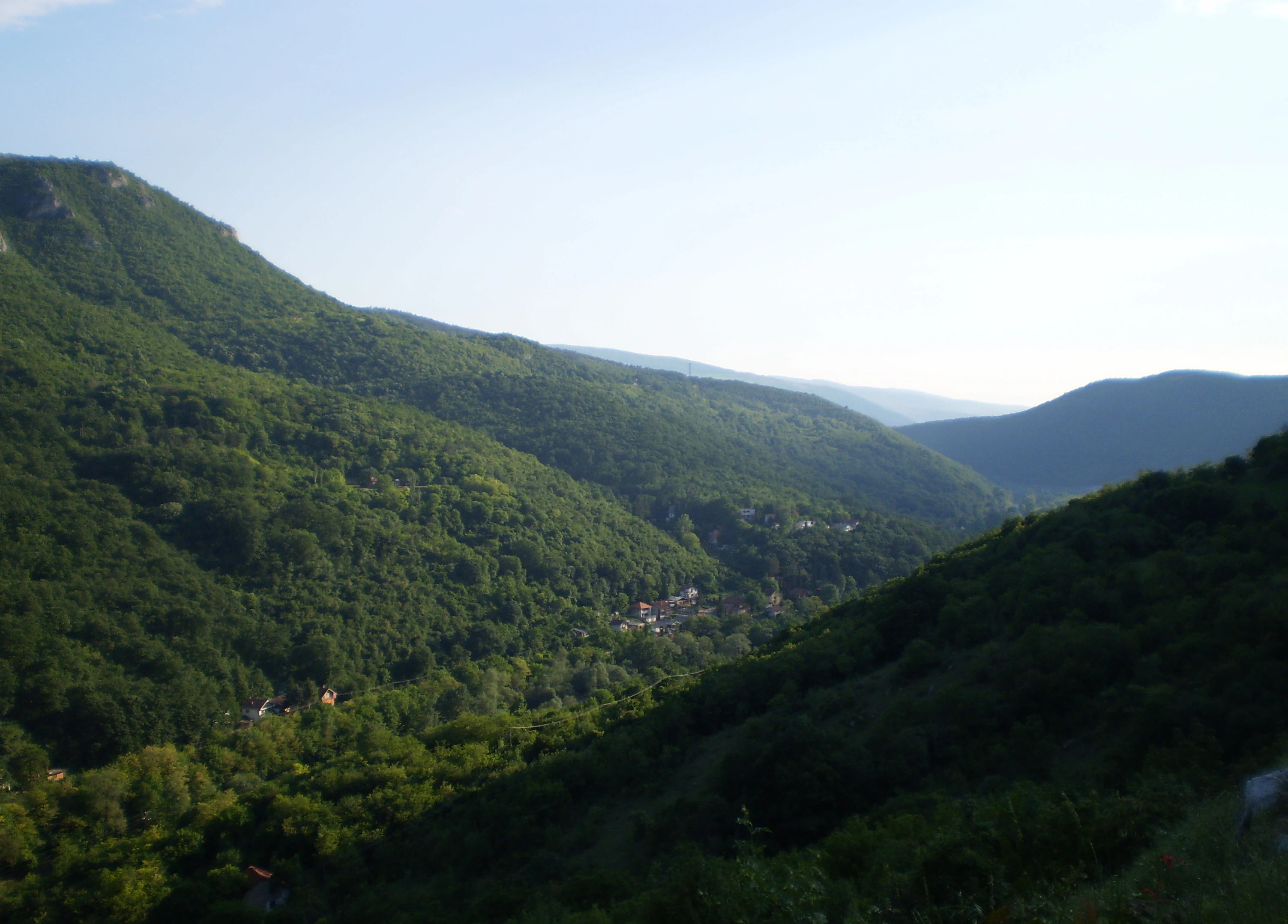
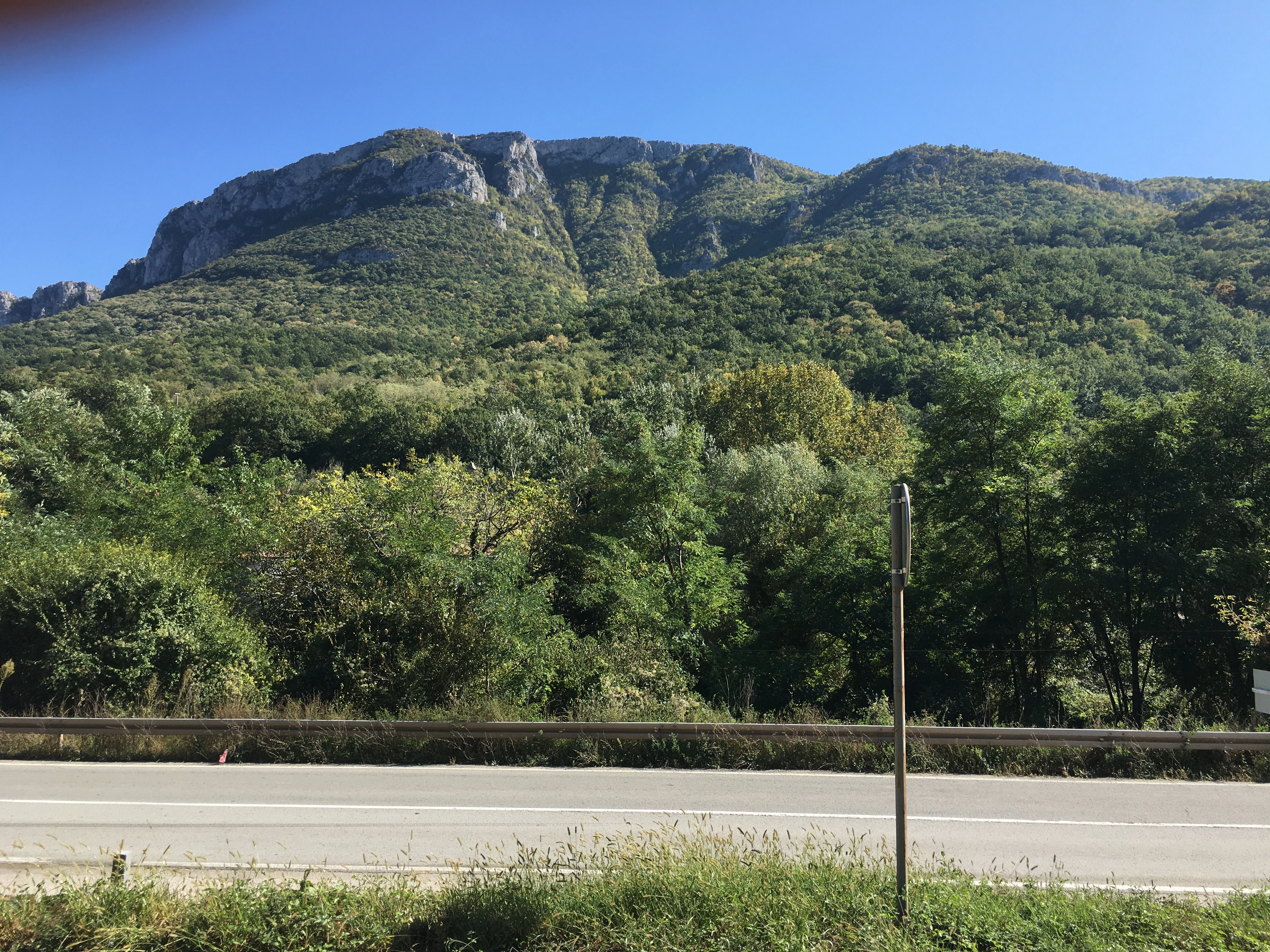
The landscape of Sićevo Gorge is defined by its dramatic limestone topography, where the Nišava River has cut a deep canyon through layers of sedimentary rock. Vertical and near-vertical cliff faces rise along the river course, their surfaces marked by erosion, weathering, and the formation of karst features including caves, sinkholes, and rock shelters. The canyon walls support patches of vegetation in crevices and on ledges, creating a pattern of green growth against the gray stone that is particularly striking in contrast. Rocky debris slopes accumulate at the base of cliffs, while the river itself flows over a bed of boulders and cobbles, creating riffles and small waterfalls. The surrounding terrain consists of rolling hills and agricultural land that provides context for the gorge's dramatic topography.
Sićevo Gorge ecosystems, habitats, and plant life
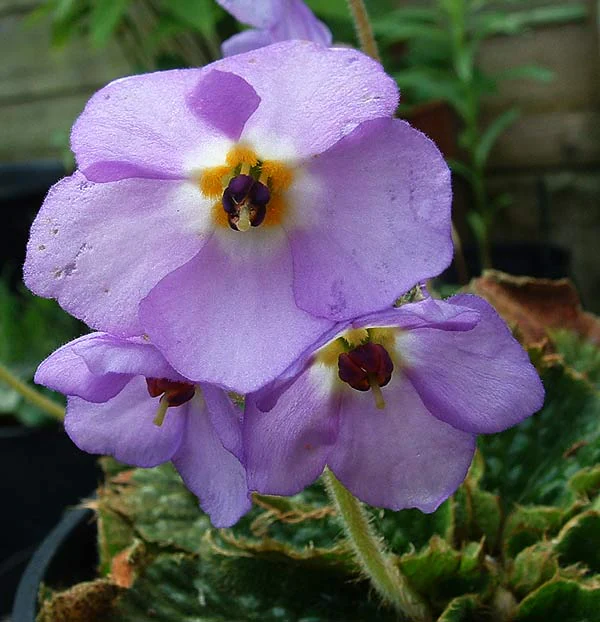
The nature of Sićevo Gorge reflects the interaction between geological, climatic, and biological processes that together create distinctive habitats within the canyon. The complex terrain generates varied microclimates, with south-facing slopes experiencing warmer, drier conditions while north-facing cliffs maintain cooler, more humid environments. This diversity supports a range of plant communities, from drought-resistant herbaceous vegetation on sunny rock faces to more lush growth in shaded areas and along the watercourse. The river corridor provides habitat for aquatic species and serves as a movement pathway for wildlife moving through the landscape. Birdlife is particularly notable, with species adapted to cliff habitats and river environments found in the gorge.
Sićevo Gorge wildlife and species highlights
Sićevo Gorge provides habitat for a variety of bird species that have adapted to its cliff and canyon environments. Raptors soar on thermal currents rising from the canyon walls, using the elevated terrain as hunting grounds and nesting sites on ledges and in caves. The river and its banks support water-associated species, while the surrounding forests and scrub areas host passerines and other songbirds. The diverse insect fauna of the gorge includes numerous butterfly species and other invertebrates that thrive in the varied plant communities. The combination of rocky habitats, water features, and vegetation layers creates ecological conditions that support a more diverse wildlife community than might be expected in this region of the Balkans.
Sićevo Gorge conservation status and protection priorities
The protection of Sićevo Gorge as a natural landmark reflects its significance as a representative example of karst canyon landscapes in Serbia. The protected area designation helps preserve both the geological features that make the gorge notable and the ecological communities that have adapted to its unique conditions. Conservation of the gorge also protects water quality in the Nišava River and maintains habitat connectivity for wildlife moving through the landscape. Educational and research value represents another dimension of the site's conservation importance, as the accessible canyon provides opportunities for studying geology, ecology, and natural history.
Sićevo Gorge cultural meaning and human context
The Sićevo Gorge area has been shaped by centuries of human presence, with the landscape influencing settlement patterns and land use in the Nišava River valley. Local communities have developed connections to the gorge through traditional activities including agriculture, pastoralism, and the use of natural resources. The dramatic scenery has inspired cultural expressions and local traditions that reflect the importance of the landscape in regional identity. The town of Sićevo itself takes its name from the gorge, indicating the long-standing relationship between the community and this distinctive natural landmark.
Top sights and standout views in Sićevo Gorge
The towering limestone cliffs of Sićevo Gorge stand as the most striking visual feature, their vertical faces reaching impressive heights above the winding Nišava River. Hiking trails follow the canyon floor and climb to elevated viewpoints that reveal the full scope of the gorge's dramatic topography. The interplay of light and shadow on the rock walls creates an ever-changing landscape throughout the day. The sounds of the river, birds, and wind in the canyon contribute to a sense of natural immersion despite the area's proximity to urban centers. The combination of geological spectacle, ecological diversity, and cultural history makes Sićevo Gorge a destination that offers more than just scenic views.
Best time to visit Sićevo Gorge
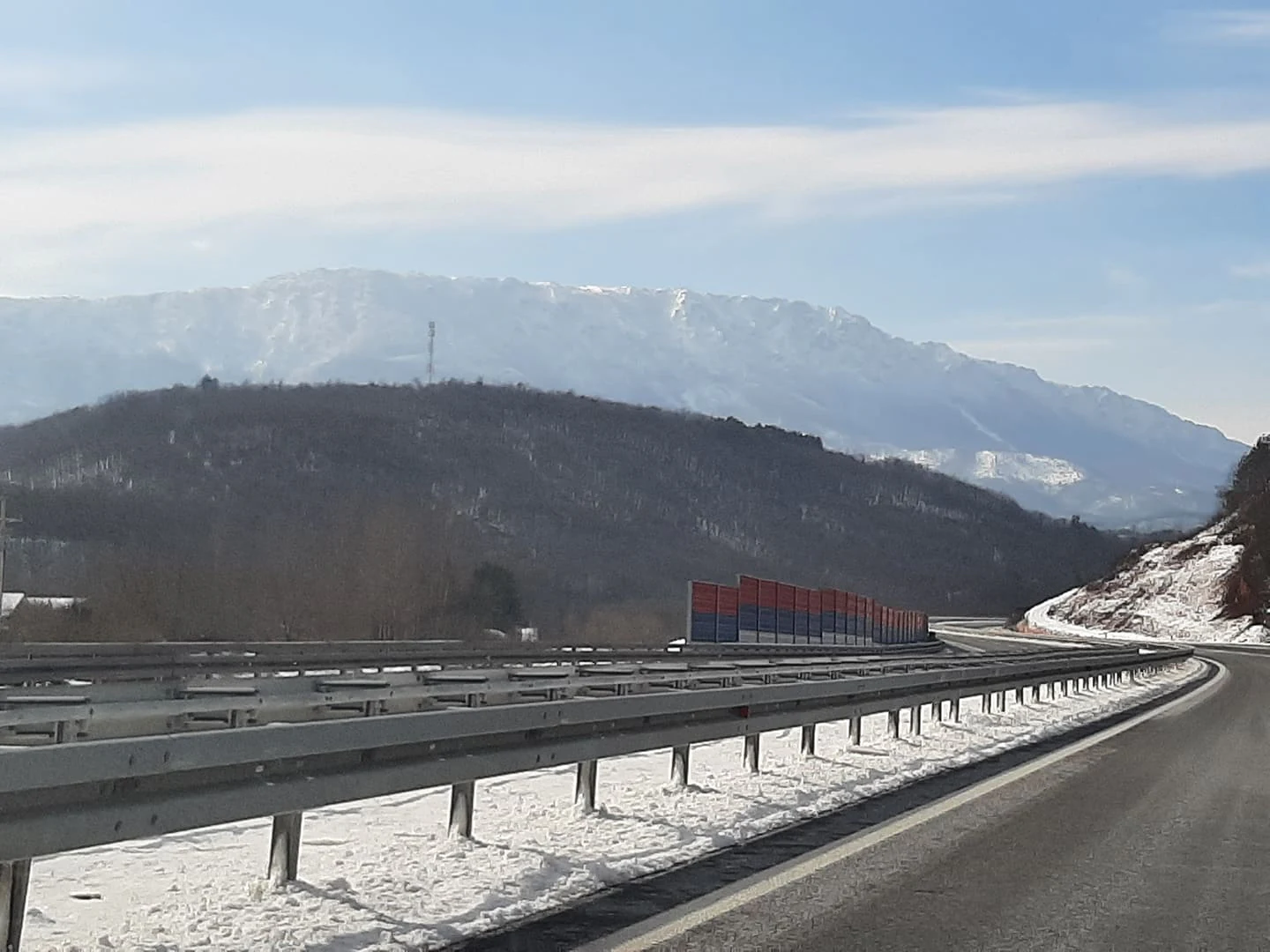
Sićevo Gorge can be visited throughout the year, though each season offers a different experience of the landscape. The gorge is most vibrant in spring and early summer when vegetation is lush and water flow in the river is typically strong following winter precipitation. Summer months bring warmer temperatures that make hiking comfortable but can also mean lower water levels in the river. Autumn offers another attractive season with changing foliage colors adding splashes of red and gold to the green vegetation. Winter visits provide a different character, with the stark rock formations taking on a more austere beauty, though trail conditions may be more challenging. The shoulder seasons often provide the most comfortable conditions for exploration.