
Why Stara Planina National Park stands out
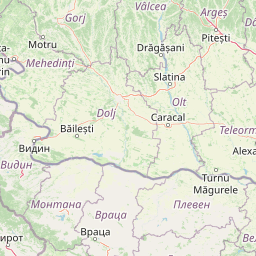
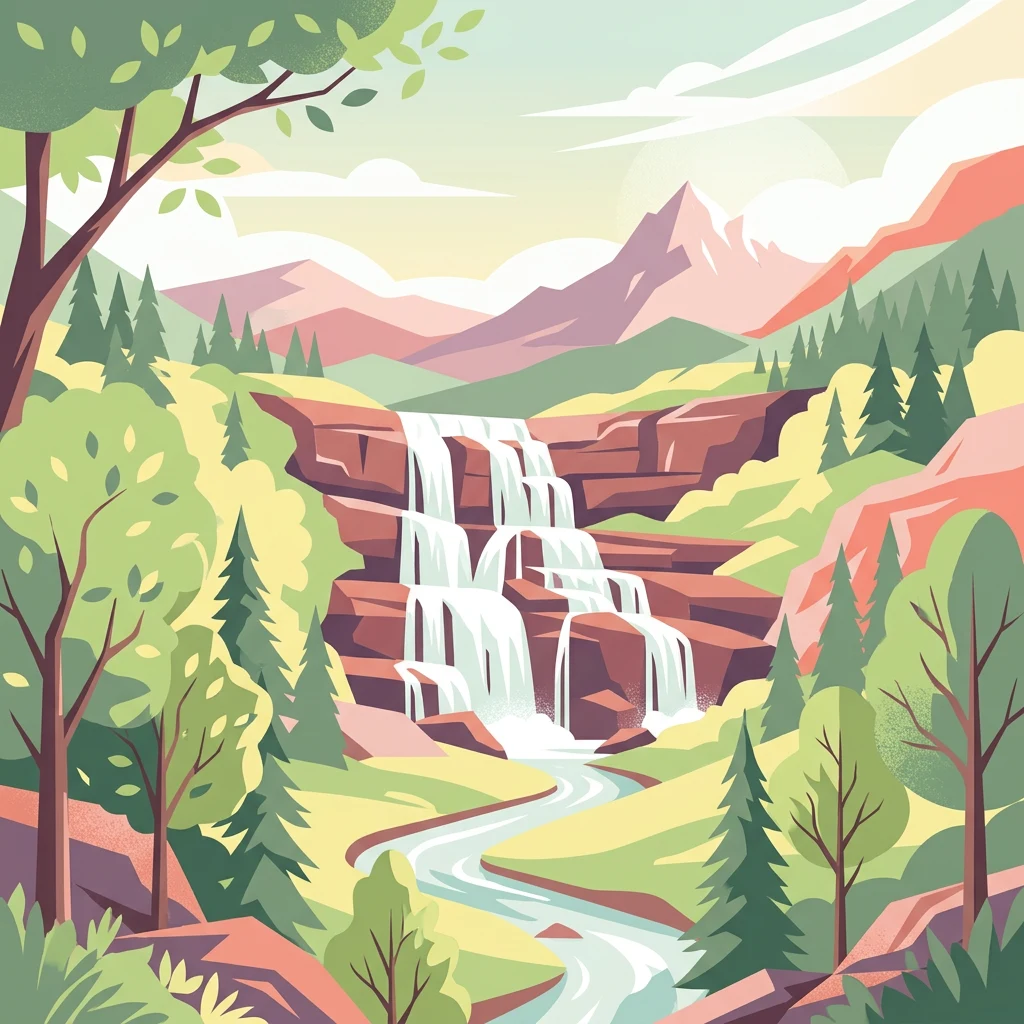
Stara Planina National Park is known for its dramatic mountain landscape characterized by rugged peaks, deep valleys, and the striking Kopren plateau. The park protects extensive forest ecosystems and the headwaters of several rivers that flow into the Timok and Nišava basins. Its transboundary position along the Serbian-Bulgarian border places it within a significant ecological corridor connecting protected areas across the Balkans. The park also features notable landmarks including the Tupavica waterfall and the Babin zub peak.
Stara Planina National Park history and protected-area timeline
Stara Planina National Park was officially established in 2022, representing the first new national park designation in Serbia in forty years. Prior to its elevation to national park status, the area existed as a nature park with the designation "Park prirode Stara planina," reflecting a lower tier of protection within Serbia's protected area system. The upgrade to national park status acknowledged the exceptional ecological, landscape, and cultural values of this mountain region, as well as its significance within Serbia's system of protected natural areas.
The creation of Stara Planina National Park was part of a broader expansion of Serbia's protected area network, with the declaration of two new national parks representing the country's commitment to nature conservation. This development reflected growing recognition of the need to protect representative samples of Serbia's diverse ecosystems and mountain landscapes. The park's establishment also acknowledged the region's biodiversity significance and the importance of transboundary conservation cooperation with Bulgaria.
Stara Planina National Park landscape and geographic character
The landscape of Stara Planina National Park is characterized by the rugged, forested terrain of the eastern Balkan Mountains, a mountain range that forms a natural barrier between Serbia and Bulgaria. The terrain rises from the surrounding valley basins toward the central mountain divide, with elevations increasing as the landscape approaches the eastern border. The Kopren plateau represents one of the park's most distinctive geographic features, offering dramatic alpine scenery and panoramic views of the surrounding mountain landscape.
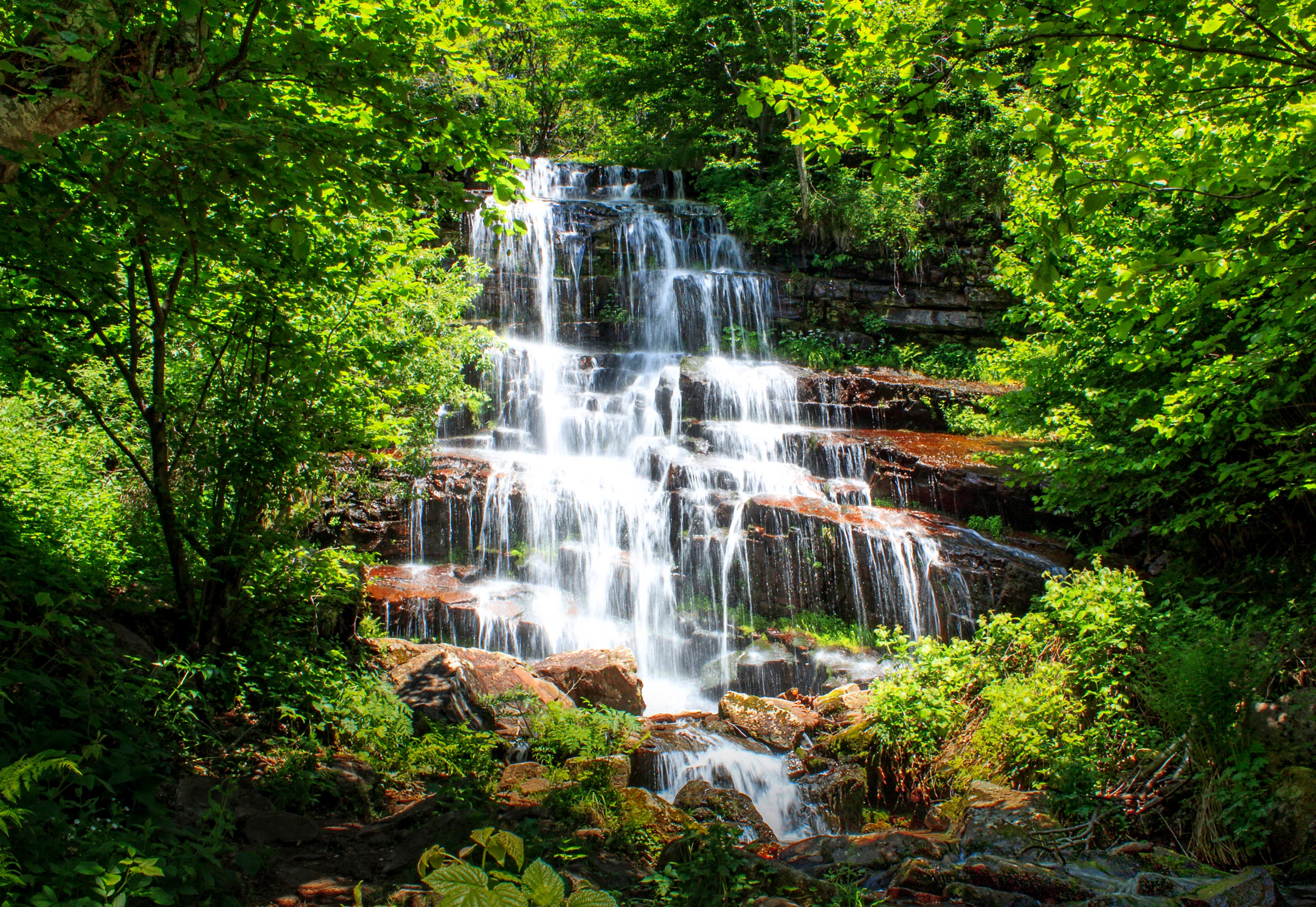
The park contains numerous valleys carved by rivers flowing from the mountain heights, including the headwaters of tributaries that feed into the Timok and Nišava river systems. These watercourses have cut deep corridors through the mountain terrain, creating diverse habitats and scenic valleys. Rock formations such as Orlov-Hajdučki kamen and Babin zub punctuate the mountain ridges, adding distinctive landmarks to the park's topography. The Tupavica waterfall exemplifies the park's hydrological features, cascading from the mountain slopes to create a notable natural attraction.
Stara Planina National Park ecosystems, habitats, and plant life
The ecosystems within Stara Planina National Park reflect the park's position within the Carpathian-Balkan biogeographical region, supporting forest communities, alpine meadows, and rocky habitats that characterize this mountain system. The forests cover substantial portions of the mountain slopes, representing diverse vegetation types adapted to the elevation gradient and varying microclimates found throughout the park. These forest ecosystems provide habitat for numerous species and play a critical role in watershed protection and soil conservation.
The park's diverse topography creates a range of microhabitats supporting different plant communities, from lower-elevation deciduous and mixed forests through coniferous forest zones to alpine meadows at higher elevations. The protection zones established within the park help maintain the most ecologically significant habitats in a relatively undisturbed state. The transboundary position of the park along the Serbian-Bulgarian border contributes to its ecological importance, as it forms part of a larger continuum of protected mountain habitats that support species movement and genetic exchange across the region.
Stara Planina National Park wildlife and species highlights
Stara Planina National Park provides habitat for diverse wildlife adapted to the mountain forest and alpine environments of the Balkan Mountains. The forest ecosystems support populations of medium and large mammals typical of Serbian mountain habitats, while the varied terrain and vegetation create conditions supporting a range of bird species. The park's position along a major biogeographical boundary contributes to its significance for species that occur at the limits of their distribution ranges in this region.
The protected status of the area helps maintain habitat conditions for wildlife populations, with the strict protection zones providing refuges where human disturbance is minimized. The connectivity with Bulgarian protected areas along the border supports transboundary wildlife movements and contributes to the viability of populations that require larger habitat areas. Specific species details would require more detailed documentation from Serbian biodiversity surveys and park management records.
Stara Planina National Park conservation status and protection priorities
Stara Planina National Park represents a significant addition to Serbia's system of national parks and contributes to the conservation of representative mountain ecosystems within the Carpathian-Balkan region. The park protects diverse habitats including forest communities, alpine zones, and river ecosystems that together support significant biodiversity. The designation of first-degree protection zones within the park ensures that the most ecologically valuable areas receive the highest level of protection.
The establishment of this national park reflects Serbia's commitment to expanding its protected area network and addressing gaps in the representation of different ecosystem types. The park's transboundary position adds importance from a regional conservation perspective, as it contributes to the network of protected areas along the Serbian-Bulgarian border. Conservation challenges include managing human activities that represent the primary threat to the park's natural values, including activities that could affect habitat integrity, water quality, and wildlife populations.
Stara Planina National Park cultural meaning and human context
The region encompassed by Stara Planina National Park has a long history of human presence and traditional land use, with communities in the surrounding valleys maintaining connections to the mountain landscape. The area around Pirot and the Nišava valley corridor has been inhabited for centuries, with traditional practices shaping the cultural landscape of the region. Place names and local knowledge reflect the historical relationship between communities and the mountain environment.
The protected area is closely associated with what was previously designated as the Nature Park Stara Planina, representing the continuation of protection for this mountain region under an enhanced legal framework. The tourism potential of the area has been recognized alongside its ecological significance, with sustainable tourism development offering opportunities for supporting local communities while maintaining natural values. The landscape contains elements of traditional infrastructure and land use patterns that reflect the historical relationship between human communities and this mountain environment.
Top sights and standout views in Stara Planina National Park
Stara Planina National Park stands as Serbia's first new national park in four decades, protecting a significant mountain landscape in the eastern Balkans. The park features the distinctive Kopren plateau with its dramatic alpine terrain, the Tupavica waterfall cascading from mountain slopes, and rocky landmarks such as Orlov-Hajdučki kamen and Babin zub. Extensive forests cover the mountain slopes, while first-degree protection zones preserve the most ecologically significant habitats. The park's position along the Bulgarian border connects it to a larger network of transboundary protected areas.
Best time to visit Stara Planina National Park
The summer and autumn seasons typically offer the most favorable conditions for exploring Stara Planina National Park. During summer, warmer temperatures make the higher elevations accessible for hiking and outdoor activities, while the forest environments provide opportunities for exploring the park's trails. Autumn brings changing foliage colors through the forest zones and generally stable weather conditions suitable for mountain exploration. Winter conditions in the higher elevations can be challenging, while spring may involve variable weather as snow melts and new growth begins.