
Why Bjeshkët e Nemuna National Park stands out
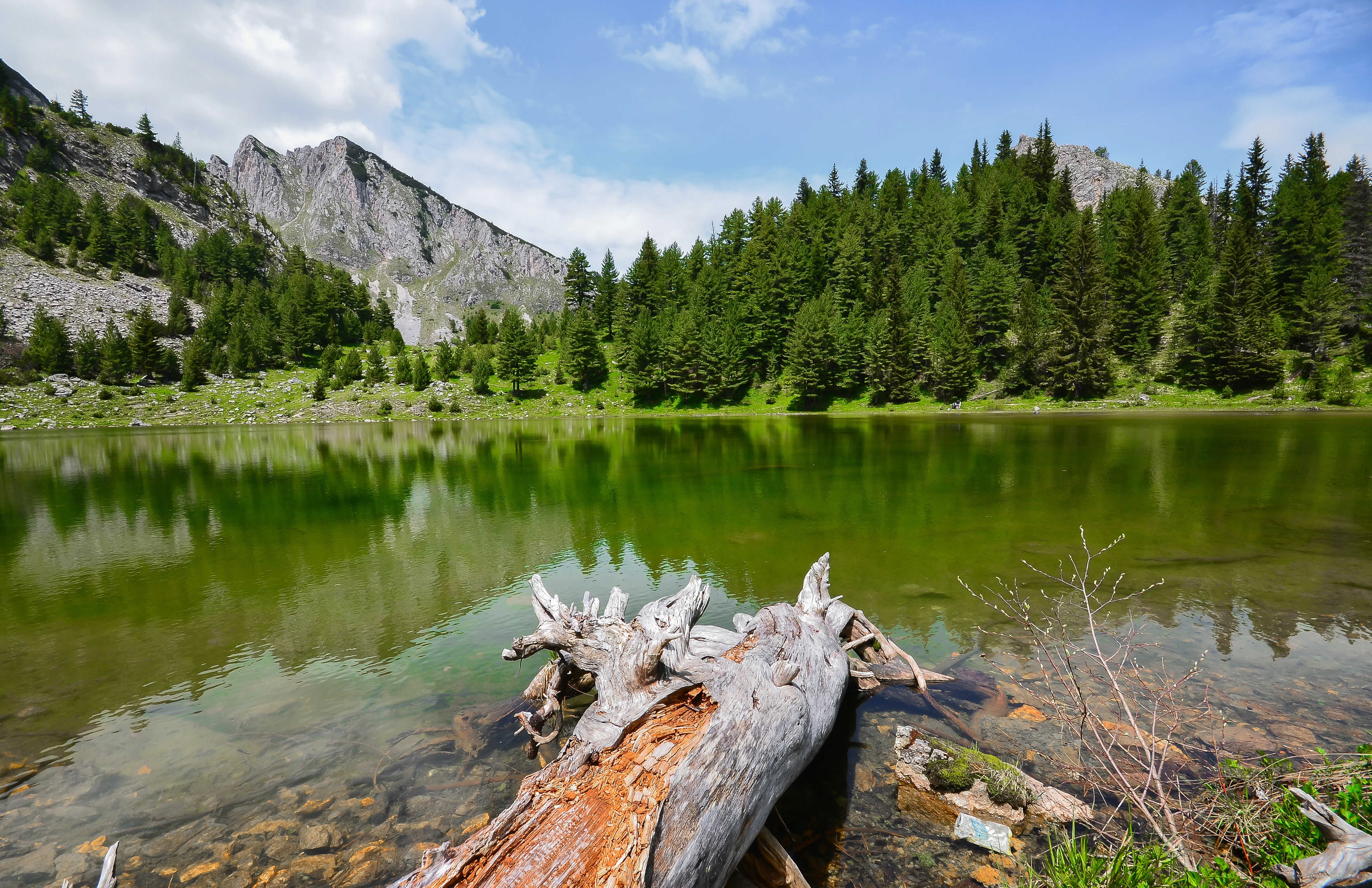
Bjeshkët e Nemuna is best known for its dramatic alpine landscapes within the Accursed Mountains, featuring the country's highest peaks and most extensive forest ecosystems. The park protects one of the Balkans' most ecologically diverse montane environments, with six distinct vegetation zones ranging from oak forests at lower elevations through beech and mixed coniferous zones to alpine shrub and grass communities at the highest elevations. The presence of significant populations of large carnivores, particularly brown bears and grey wolves, along with the remarkable biodiversity documented across mammals, birds, butterflies, and plant species, makes this park especially notable. The glacial lake Liqenat serves as one of the park's most recognizable scenic features, set against the backdrop of towering peaks and pristine alpine terrain.
Bjeshkët e Nemuna National Park history and protected-area timeline
Bjeshkët e Nemuna National Park was formally established on December 13, 2012, through official designation by Kosovo's relevant authorities. The creation of the park represented the culmination of growing recognition that this mountain region, known locally as the Accursed Mountains, contained outstanding natural values requiring formal protection. Prior to national park status, the area had been recognized for its ecological importance through various designations, including its identification as an Important Bird Area by BirdLife International.
The establishment of the park occurred within the broader context of Kosovo's post-independence environmental policy development. As the country worked to establish its system of protected areas, Bjeshkët e Nemuna was designated as a priority area due to the combination of its ecological significance, size, and the presence of notable species including brown bears and grey wolves. The park's creation also reflected the recognition that the Accursed Mountains represented one of the few remaining relatively intact alpine ecosystems in the Balkans, making conservation action particularly urgent given increasing pressures on mountain environments across the region.
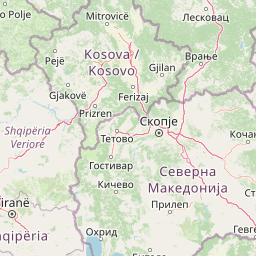
Bjeshkët e Nemuna National Park landscape and geographic character
The landscape of Bjeshkët e Nemuna National Park is defined by the rugged, mountainous terrain of the Accursed Mountains, characterized by steep ridges, deep valleys, and dramatic elevation changes. The park protects the Kosovo portion of this mountain range, which extends approximately 26 kilometers from east to west and 50 kilometers from north to south within the country's territory. The terrain is dominated by limestone and other sedimentary rocks that have been carved by glacial processes and ongoing erosion, creating the sharp peaks, vertical cliffs, and U-shaped valleys typical of highmountain landscapes.
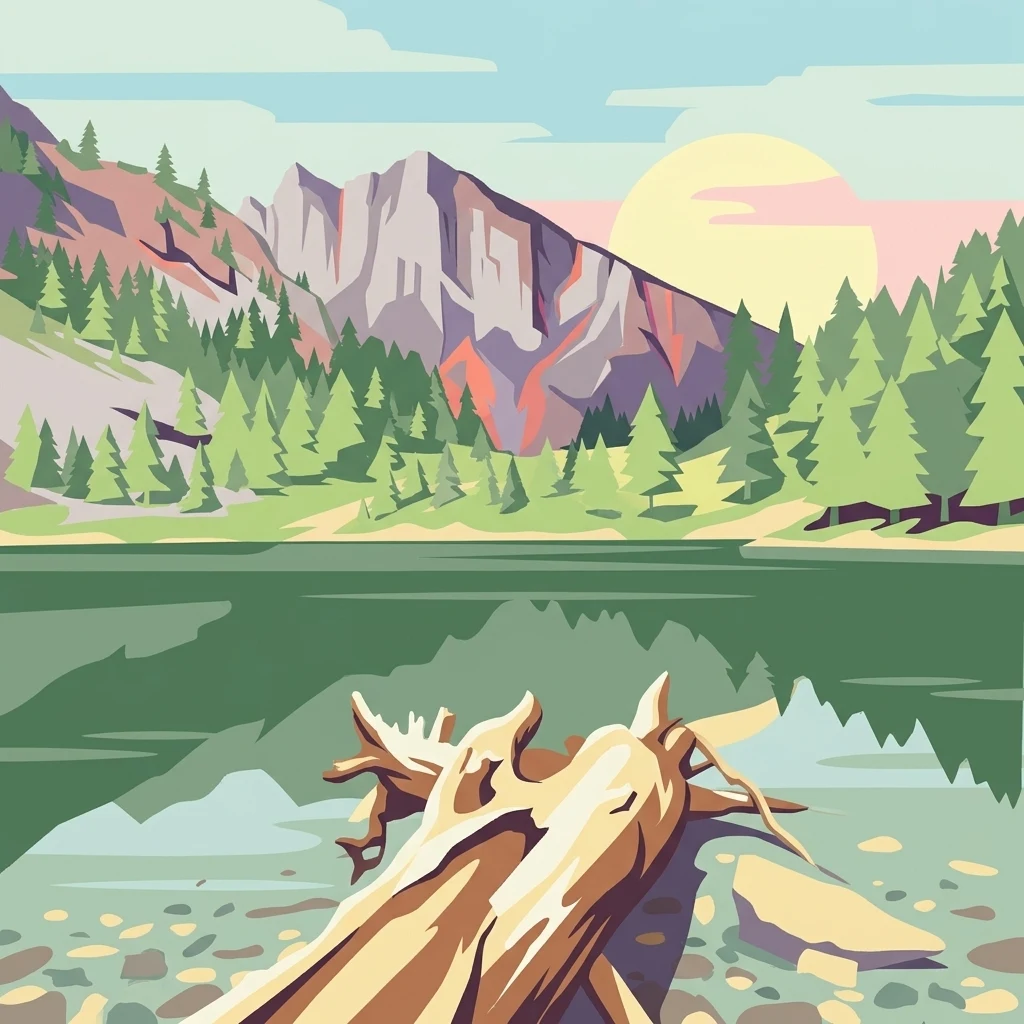
Gjeravica, standing at 2,656 meters, is the second-highest peak in both the Accursed Mountains and in Kosovo, providing a dramatic centerpiece to the park's terrain. The park contains numerous glacial lakes, with Lake Liqenat being among the most prominent, set in a scenic alpine cirque. The combination of exposed rock faces, forested slopes, alpine meadows, and lake-filled cirques creates a visually diverse landscape that distinguishes this park from other protected areas in the region. The forest cover is extensive, with both deciduous and coniferous species creating a green mantle across the lower and mid-elevation slopes.
Bjeshkët e Nemuna National Park ecosystems, habitats, and plant life
The ecological diversity of Bjeshkët e Nemuna National Park stems from the remarkable elevation range within its boundaries, which supports six distinct vertical vegetation zones. The oak forest zone extends to approximately 800 meters, dominated by Italian oak, Austrian oak, and Cornish oak. Above this, the beech forest zone occupies the eastern portions of the park between 900 and 1,320 meters, featuring forests of silver fir, sycamore, South European flowering ash, and Bosnian pine. The mixed oak forest zone, between 1,200 and 1,540 meters, combines silver fir, Norway spruce, and European hornbeam.
The dark coniferous forest zone spans from 1,540 to 1,800 meters, dominated by Bosnian pine, Macedonian pine, and Norwegian spruce. Above this, the breeding of fir forests zone at 1,850 to 1,930 meters is characterized by endemic species including Balkan pine. The shrub zone occupies the highest elevations between 1,850 and 2,050 meters, covered with grass, moss, lichen, and 55 species of herbaceous plants such as wood cranesbill, wild strawberry, willow gentian, and wood forget-me-not. The park falls within the Balkan mixed forests terrestrial ecoregion of the Palearctic realm, and over 1,000 plant species have been identified within the park boundaries. The flora is characterized by high endemism, reflecting the region's role as a center of plant diversity.
Bjeshkët e Nemuna National Park wildlife and species highlights
The wildlife community of Bjeshkët e Nemuna National Park is notably diverse for a mountain protected area of its size. Large mammals present throughout the park's forests include wildcats, chamois, roe deer, and grey wolves. Particularly significant is the presence of rare and endangered species, including lynx and brown bear, both of which require extensive territory and intact forest habitat. The brown bear population represents one of the most notable conservation values of the park, as these animals have suffered significant range contraction across the Balkans.
Avian diversity is exceptional, with 148 bird species documented within the park. This includes species associated with both forest habitats and open alpine environments. The park has been recognized as an Important Bird Area of international importance by BirdLife International, highlighting the significance of its bird communities. Additional faunal groups include more than a dozen fish species, 10 reptile species, 13 amphibian species, and 129 butterfly species. In total, nearly 37 mammal species have been recorded, making the park one of the most biodiverse protected areas in Kosovo and the broader Balkans region.
Bjeshkët e Nemuna National Park conservation status and protection priorities
Bjeshkët e Nemuna National Park serves as a critical conservation stronghold in the Balkans, protecting one of the region's most ecologically significant mountain ecosystems. The park's designation as IUCN Category II reflects its primary purpose of protecting outstanding natural landscapes and the ecological processes they sustain. The presence of viable populations of large carnivores, particularly brown bears and grey wolves, indicates that the ecosystem retains a relatively intact trophic structure—a rare finding in much of Europe's modified landscapes.
The protection of this mountain landscape also preserves important ecological corridors that allow wildlife movement across the broader region. The park's border with Albania's Valbonë Valley National Park creates opportunities for transboundary conservation cooperation, essential for species that require large ranges extending across international boundaries. The recognition of the park as an Important Bird Area by BirdLife International adds another layer of conservation significance, acknowledging the site as globally important for bird species conservation. The high plant species diversity, with over 1,000 species documented and significant endemism, further emphasizes the park's conservation value within the Balkan mixed forests ecoregion.
Bjeshkët e Nemuna National Park cultural meaning and human context
The Bjeshkët e Nemuna mountains have been home to local communities for generations, with the landscape shaped by centuries of traditional pastoral and agricultural practices. The Albanian name "Bjeshkët e Nemuna" itself reflects the cultural heritage of the region, with these mountains forming an integral part of local identity and subsistence. While the national park designation restricts certain activities, the protection framework acknowledges the cultural and historical heritage present within the area, including traditional land use practices that have shaped the landscape over time.
The mountain communities in the surrounding region maintain connections to this landscape through transhumance practices and pastoral activities that continue to influence the relationship between human settlement and the natural environment. The park's establishment recognized that protecting natural heritage in this region requires acknowledging the cultural dimension of the landscape, integrating conservation with the historical presence of local communities in the mountains.
Top sights and standout views in Bjeshkët e Nemuna National Park
Bjeshkët e Nemuna National Park offers Kosovo's most extensive alpine protected area experience, combining dramatic mountain scenery with exceptional biodiversity. The park protects Gjeravica, the country's second-highest peak at 2,656 meters, providing outstanding high-elevation terrain. The six distinct vegetation zones create a remarkable ecological gradient from oak forests through beech, mixed coniferous, and dark coniferous zones to alpine shrub communities. Notable wildlife includes viable populations of brown bears, grey wolves, and lynx—three of Europe's most iconic large mammals. The glacial Lake Liqenat and other high-altitude lakes add to the scenic diversity. The transboundary connection with Albania's Valbonë Valley National Park creates a larger conservation framework protecting the broader Accursed Mountains ecosystem.
Best time to visit Bjeshkët e Nemuna National Park
The optimal time to experience Bjeshkët e Nemuna National Park depends on the type of visit desired. The summer months of June through August offer the most accessible conditions for hiking and exploration, with snow-free trails at lower and mid-elevations and alpine meadows in full flower. Autumn brings spectacular fall color in the deciduous forests and typically stable weather, while also offering good wildlife viewing opportunities as animals become more active during cooler temperatures. Winter transforms the park into a snowy wilderness suitable for experienced winter mountaineers, though many trails become inaccessible. Spring sees the melting of winter snow and the emergence of alpine flora, though trail conditions can be challenging due to snowmelt and higher precipitation.