Why Risnjak National Park stands out
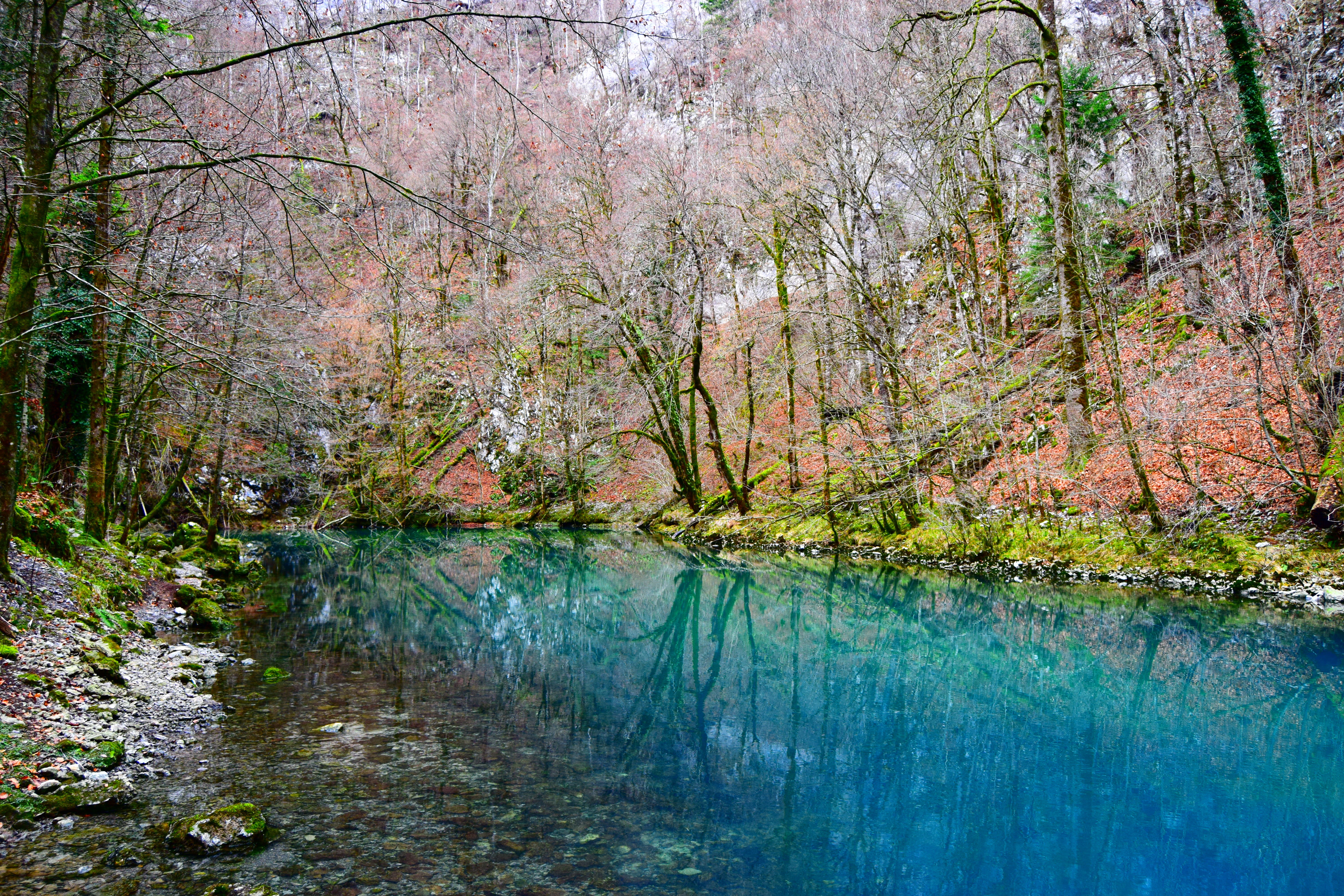
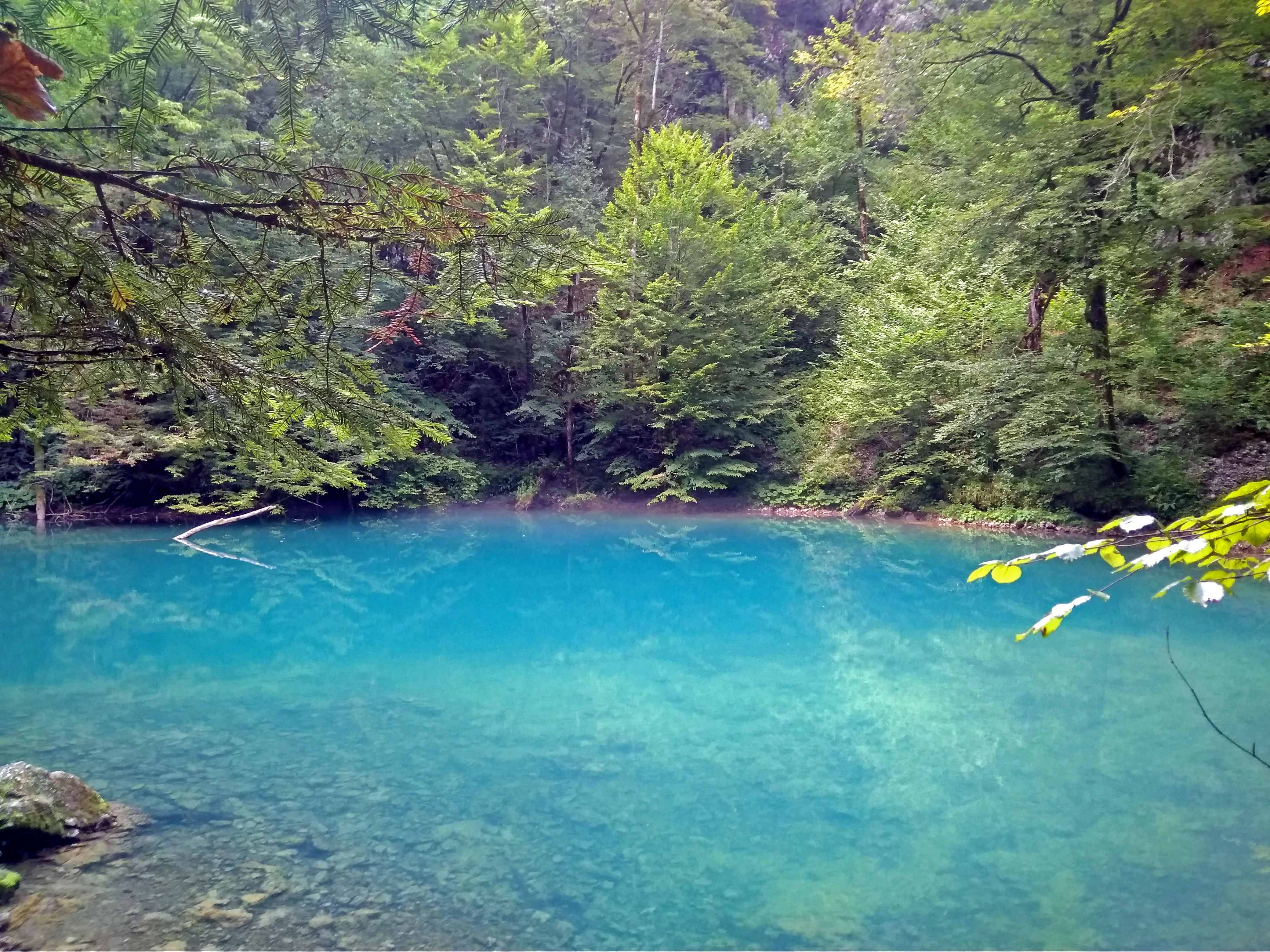
Risnjak is best known for its dramatic karst landscapes, rich biodiversity where coastal and continental vegetation zones meet, and the source of the Kupa River at the park's lowest point. The park is named after the lynx, an animal that was exterminated in the 19th century but has returned through successful reintroduction efforts from neighboring Slovenia. The mountain's flora is exceptionally diverse, featuring edelweiss and other rare alpine species on its rocky peaks, while the beech and fir forests that dominate the lower slopes transition through distinct ecological zones up to the subalpine pine forests near the summit.
Risnjak National Park history and protected-area timeline
The first documented scientific exploration of the Risnjak area occurred in 1825 when Budapest botanist Joseph Standler visited the region. Following this initial investigation, numerous botanists were drawn to the area's exceptional flora, with Josip Schlosser emerging as the most prominent 19th-century researcher, producing extensive publications on Risnjak's botanical diversity. The first organized mountaineering expedition was conducted by the Rijeka alpine club, and in 1932, the first mountain refuge was constructed in the area.
In 1949, following recommendations from botanist Ivo Horvat, the Socialist Republic of Croatia parliament declared approximately 36 km² around Risnjak as a national park. This initial protected area was reduced in 1956 to 30.14 km², with 21.06 km² placed under stricter protection. The park underwent significant expansion in 1997 when the Croatian parliament voted to enlarge the boundaries to their current size, incorporating the Snježnik massif and the Kupa source area, along with the inhabited villages of Razloge, Razloški okrug, and Krašćevica. This expansion marked the first time residential areas were included within the park's boundaries.
Risnjak National Park landscape and geographic character
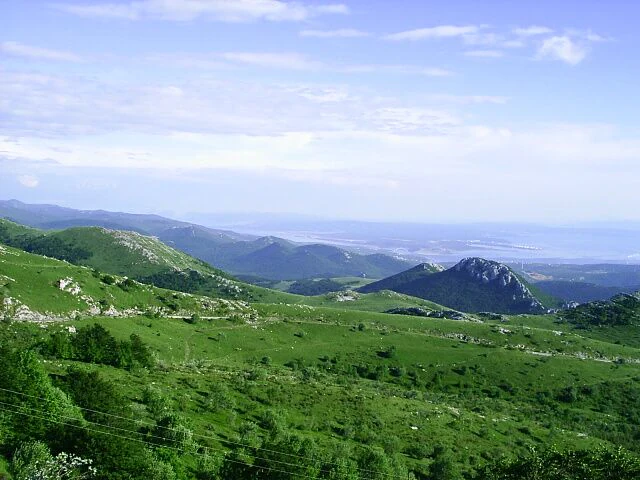
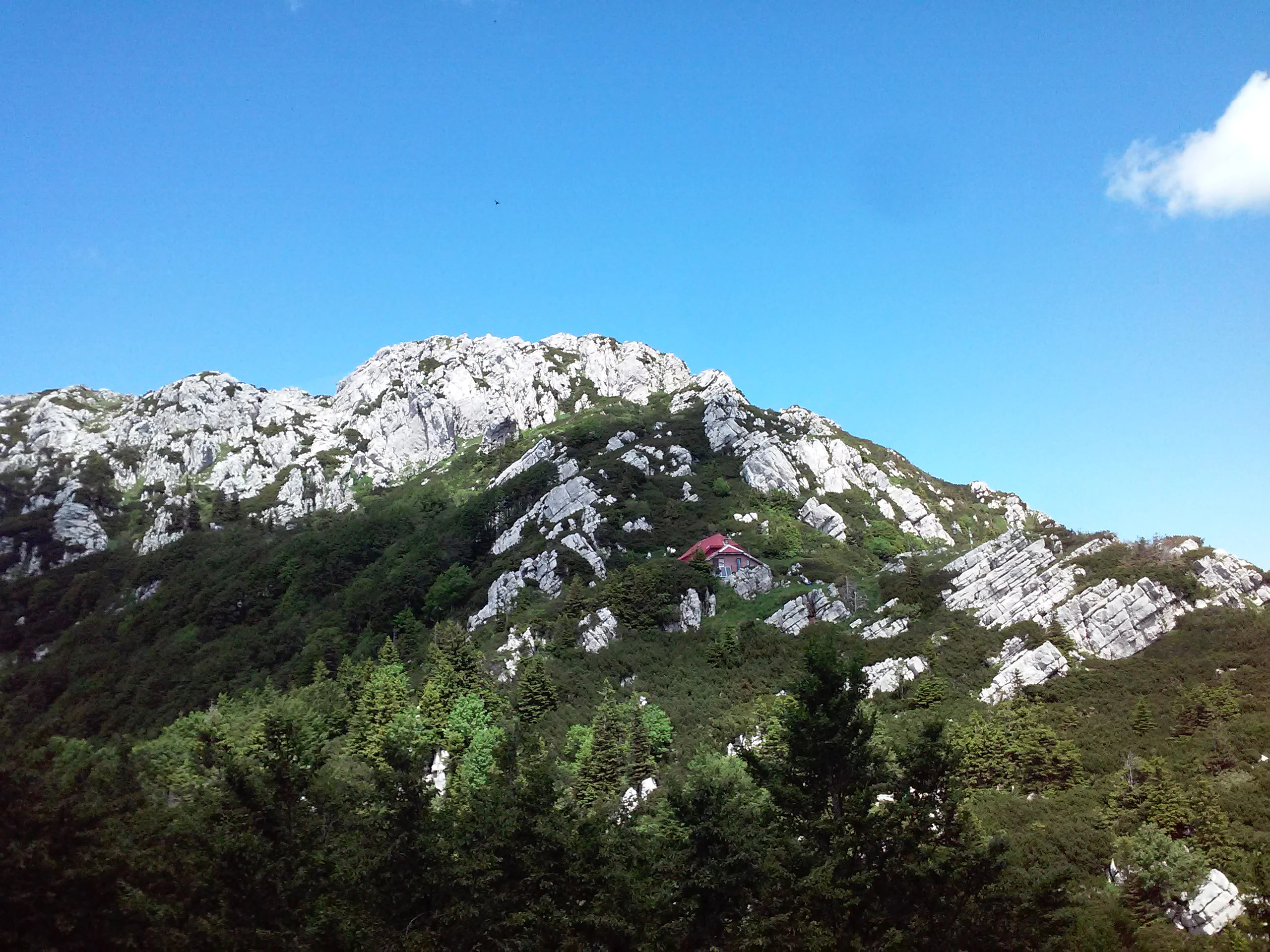
The landscape of Risnjak National Park is dominated by the mountainous terrain of the northern Dinaric Alps, characterized by dramatic limestone and dolomite peaks, rocky ridges, and deep valleys. The park's terrain rises from approximately 313 meters at the Kupa River source to 1,528 meters at Veliki Risnjak, creating substantial elevation variation across its 63.5 km² area. The geology is typical of karst regions, featuring ponikvas (depressions), karren (limestone pavement), rock falls, swallow holes, and numerous caves that attest to the ongoing erosive processes shaping the landscape.
The mountainous scenery includes the dual massifs of Risnjak and Snježnik, with Veliki Risnjak being the second-highest peak in Gorski Kotar after Bjelolasica. The landscape transitions from forested slopes in the lower elevations through the subalpine zone to rocky alpine summits. Near the Kupa source, the terrain opens into a marshy oval basin before the river begins its descent through the park. The abandoned Yugoslav military complex at Guslica peak, left derelict since 1991, adds an unusual historical element to the mountain landscape.
Risnjak National Park ecosystems, habitats, and plant life
The ecological significance of Risnjak National Park stems from its position at the convergence of multiple vegetation zones: coastal and continental, as well as Dinaric and Alpine. This geographic meeting point creates remarkable botanical diversity despite the park's relatively limited area. Most of the park is covered by beech and fir forests growing on limestone and dolomite substrates, with variations influenced by local microclimates and soil types. Scattered individuals of sycamore maple, elm, ash, and occasional yew add diversity to the dominant forest composition.
Above 1,200 meters, the beech and fir forest transitions to subalpine beech forest with lettuce grass, which in turn gives way to dense underbrush forming a unique ecosystem termed Fagelatum croaticum subalpinum fruticosu. The highest forest ecosystem consists of crooked shrubby pine. The rocky alpine summits support particularly rare species including edelweiss, black vanilla orchid, alpine yellow violet, livelong saxifrage, alpine snowbell, mountain avens, and hairy alpine rose. The climate exhibits dramatic seasonal variation with pleasant summers reaching 22°C, rainy springs and autumns, and long snowy winters with snow depths averaging between 122 and 448 centimeters.
Risnjak National Park wildlife and species highlights
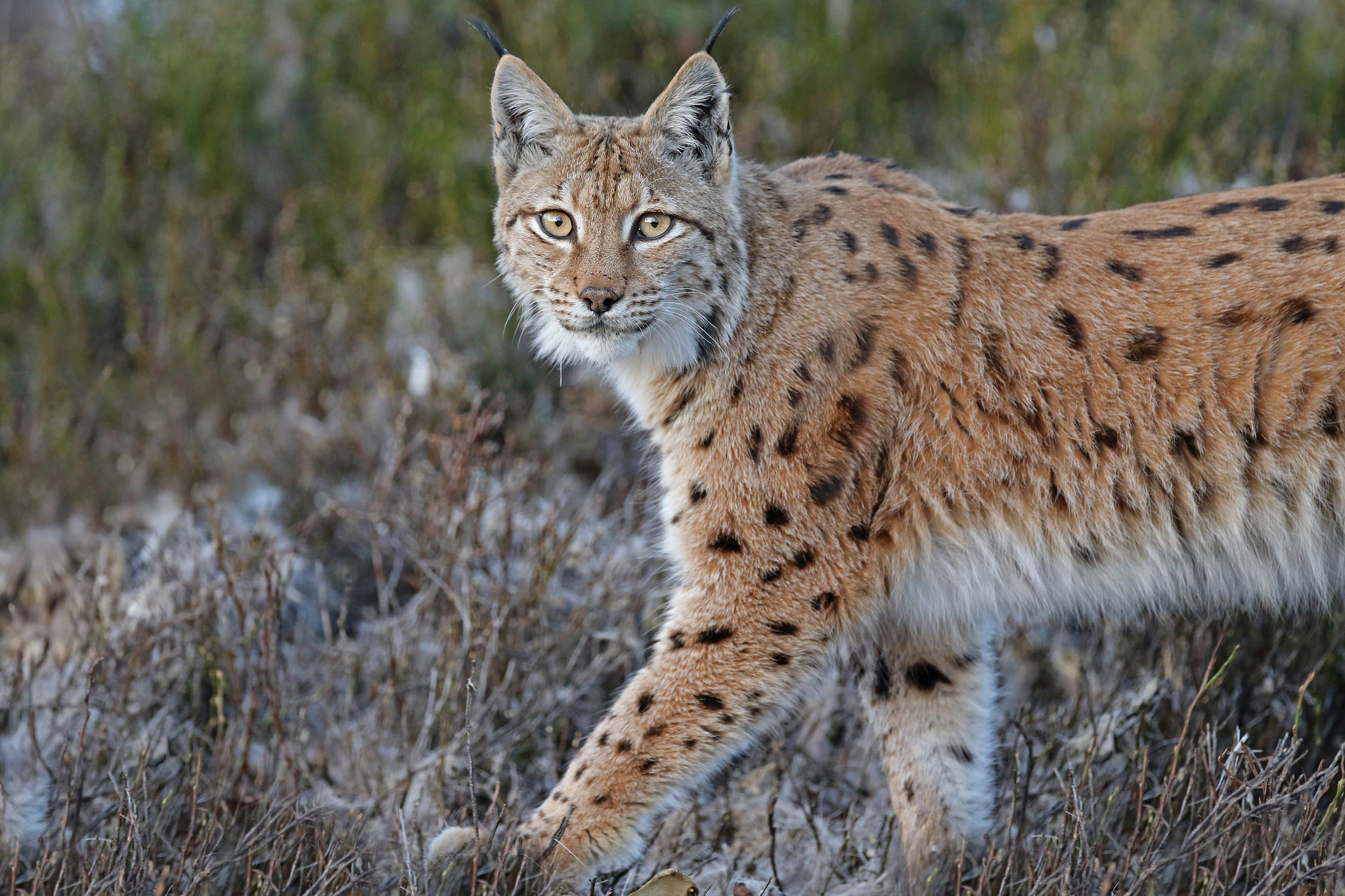
The fauna of Risnjak National Park is equally diverse as its flora, with the park supporting significant populations of large mammals including brown bear, red deer, roe deer, chamois, wild boar, and wolf. The lynx, after which the park is named, was historically present but exterminated during the 19th century before being successfully reintroduced from Slovenia three decades ago, restoring this apex predator to the ecosystem. Smaller mammals include pine marten, stone marten, badger, weasel, squirrel, and dormouse.
The bird population is particularly noteworthy, with species such as capercaillie, hazel grouse, northern goshawk, eagle owl, and several woodpecker species inhabiting the forested slopes and alpine meadows. The park also supports populations of amphibians, reptiles, and diverse insect and snail taxa, reflecting the complex ecological relationships within this mountain ecosystem.
Risnjak National Park conservation status and protection priorities
Risnjak National Park represents one of Croatia's highest-tier protected areas, designated under the Register of Protected Natural Values of Croatia. The park is divided into two management zones: a strict protection zone where natural processes are allowed to continue with minimal intervention, and a directed protection zone that accommodates sustainable visitor access while preserving natural values. The 1997 expansion significantly increased the park's conservation scope by incorporating the Kupa source area and the Snježnik massif, both of which contain significant natural features.
The park's conservation value is enhanced by its role as a climatic and ecological barrier between coastal and continental Croatia, protecting the headwaters of the Kupa River and maintaining connectivity between different biogeographic regions. The reintroduction of lynx demonstrates successful conservation management, restoring an essential apex predator to the ecosystem. The diverse habitats from karst valleys through beech-fir forests to alpine meadows create a comprehensive protected landscape that preserves both species and ecosystem diversity.
Risnjak National Park cultural meaning and human context
The human presence within Risnjak National Park is represented by several villages that were incorporated into the park during the 1997 expansion, including Razloge, Razloški okrug, and Krašćevica. The village of Crni Lug, located on the eastern edge of the park, serves as the administrative center and visitor contact point. The mountain refuge known as Šloserov dom, built on the southern slope of Veliki Risnjak by Josip Schlosser in the 1930s, reflects the long tradition of mountaineering and scientific exploration in the area. The name Risnjak itself derives from the Croatian word for lynx or possibly from the local term for a specific grass species, connecting the landscape to local linguistic and cultural heritage.
Top sights and standout views in Risnjak National Park
Risnjak National Park offers exceptional mountain landscapes where karst geology meets rich biodiversity, with the source of the Kupa River providing a dramatic natural landmark. The park's network of mountain trails, including the educational Leska path starting from the visitor center in Crni Lug, allows visitors to explore diverse vegetation zones from beech-fir forests through subalpine meadows to alpine peaks. The reintroduction of lynx has restored the park's namesake predator, while populations of brown bear and wolf maintain the ecological integrity of this mountainous wilderness. The mountain lodges at Risnjak and Snježnik peaks provide access to panoramic views spanning from the peaks to the Adriatic Sea on clear days.
Best time to visit Risnjak National Park
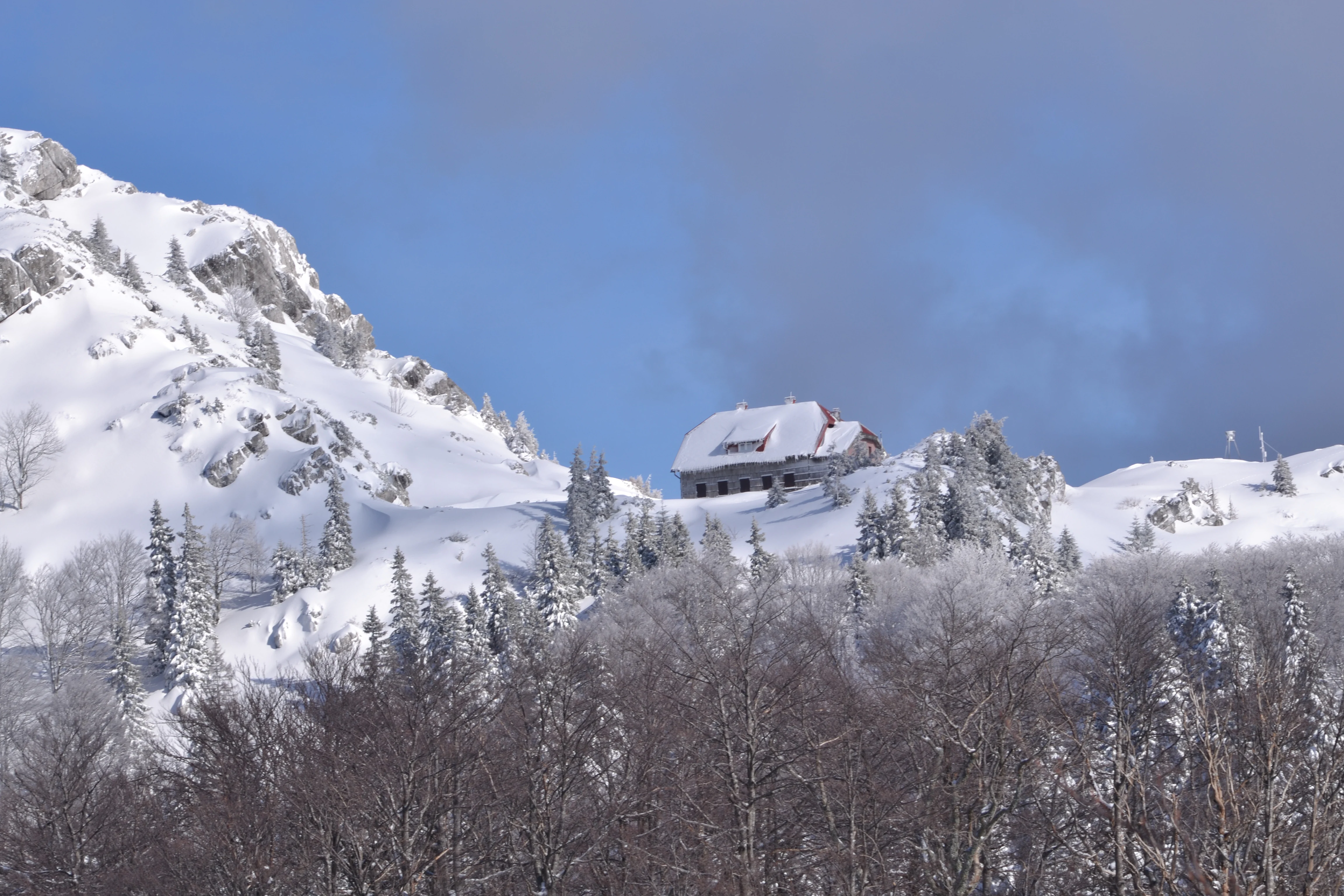
The best time to visit Risnjak National Park depends on the type of experience sought. Summer months offer warm temperatures and full trail accessibility, with the mountain lodge providing comfortable access to the higher elevations. Spring and autumn bring increased rainfall but also rich atmospheric conditions as the park's vegetation transforms with the seasons. Winter transforms the park into a snowy wilderness with substantial snow depths making it popular for skiing, particularly from the nearby Platak resort, though many higher trails become challenging or inaccessible. The ponikva areas experience temperature inversions where lower elevations are actually colder than higher ground during winter, creating unique microclimate conditions that extend snow cover in these valleys well into spring.