Why Brijuni Islands National Park stands out
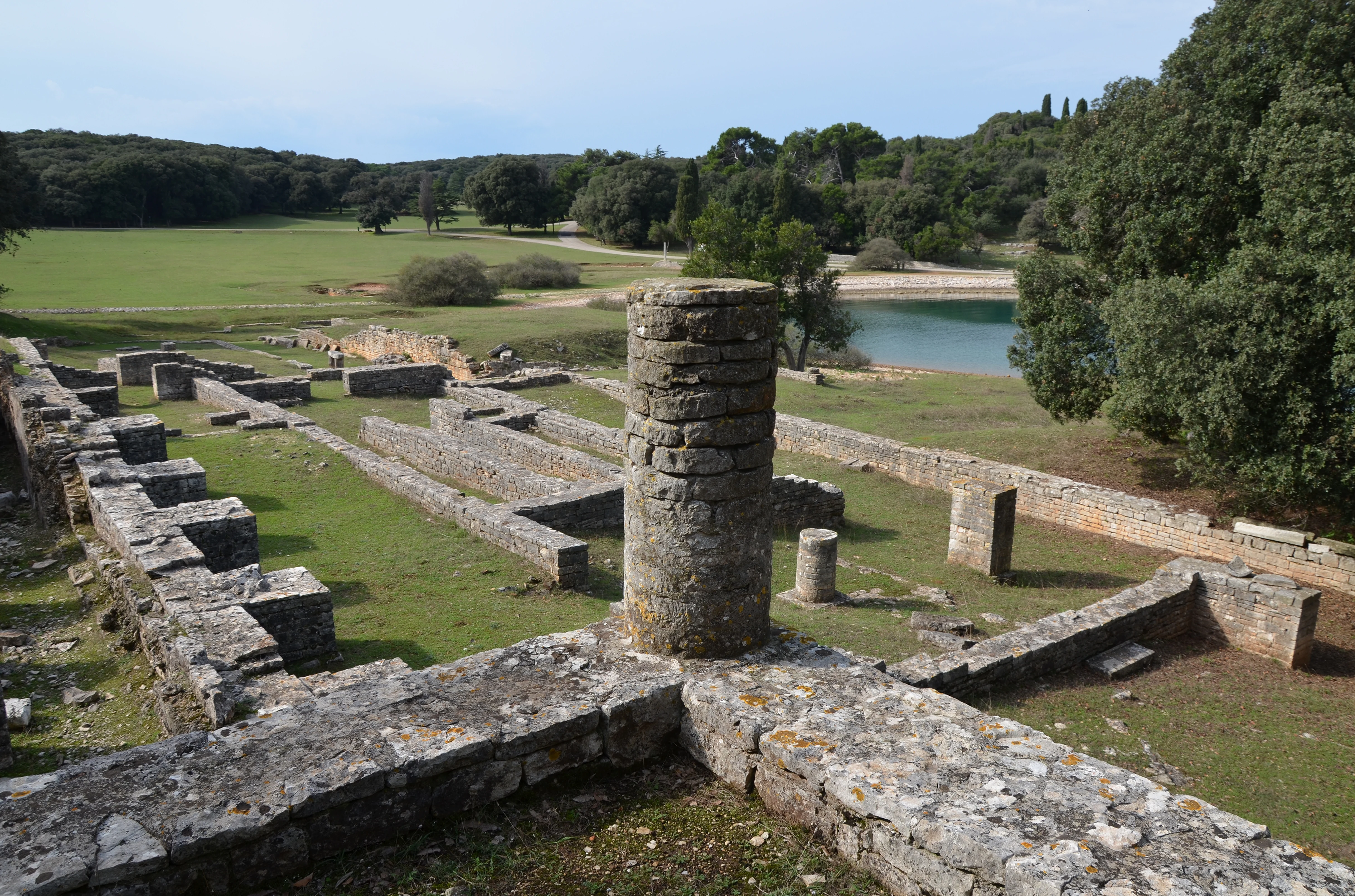
Brijuni Islands National Park is best known for its unique combination of political history, archaeological significance, and ecological diversity. The 1956 Brioni Meeting that gave birth to the Non-Aligned Movement established the islands' place in 20th-century world history. The archipelago contains over 200 dinosaur footprints from the Cretaceous period, making it significant for paleontological study. The Safari Park houses exotic animals gifted by international diplomatic partners, including Asian elephants presented by Indian Prime Minister Indira Gandhi. Archaeological sites include Roman villa complexes from the 1st-2nd century BC with thermal baths and a Venus temple, Byzantine fortress remains, and a 13th-century Knights Templar church.
Brijuni Islands National Park history and protected-area timeline
The Brijuni Islands possess a history extending to the third millennium BCE, with evidence of early human settlement involving agricultural, pastoral, hunting, and fishing activities by inhabitants who crafted tools from stone, bone, and wood. The Illyrian Histri tribe, after whom the region of Istria takes its name, inhabited the islands during the first millennium BCE, followed by Roman settlement beginning in the 2nd century BC.
Under Venetian rule from the Middle Ages, the islands served primarily as a source of building stone, with materials used in Venetian palaces and bridges. Following Napoleon's brief annexation as part of the Illyrian Provinces, the islands became part of the Austrian Empire in 1815 and later Austria-Hungary. The Austro-Hungarian Navy constructed Fort Tegetthoff on Veli Brijun and maintained a submarine base during this period.
In 1893, Viennese businessman Paul Kupelwieser acquired the archipelago and transformed it into a luxurious beach resort. The renowned microbiologist Robert Koch was invited in 1900 to conduct malaria eradication experiments, successfully eliminating the disease by 1901. The resort period saw the islands become a playground for the Viennese upper class, industrialists, cultural figures, and members of the Imperial family.
After World War I, the islands passed to Italy, with Karl Kupelwieser attempting to maintain the resort's international character by developing an 18-hole golf course and polo facilities. Following financial difficulties and bankruptcy, Italian government acquired ownership in 1936, maintaining control until the 1943 capitulation. German forces occupied the islands until the war's end in 1945.
In 1945, the islands became part of Yugoslavia and President Tito's state summer residence. The 1956 Brioni Meeting with Nasser and Nehru proved historically transformative, while the 1991 Brioni Agreement marked a significant moment in Croatian independence negotiations. The islands were declared a national park in 1983.
Brijuni Islands National Park landscape and geographic character
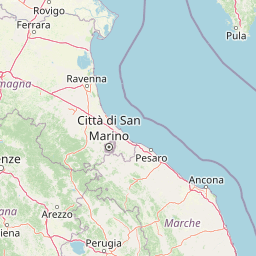
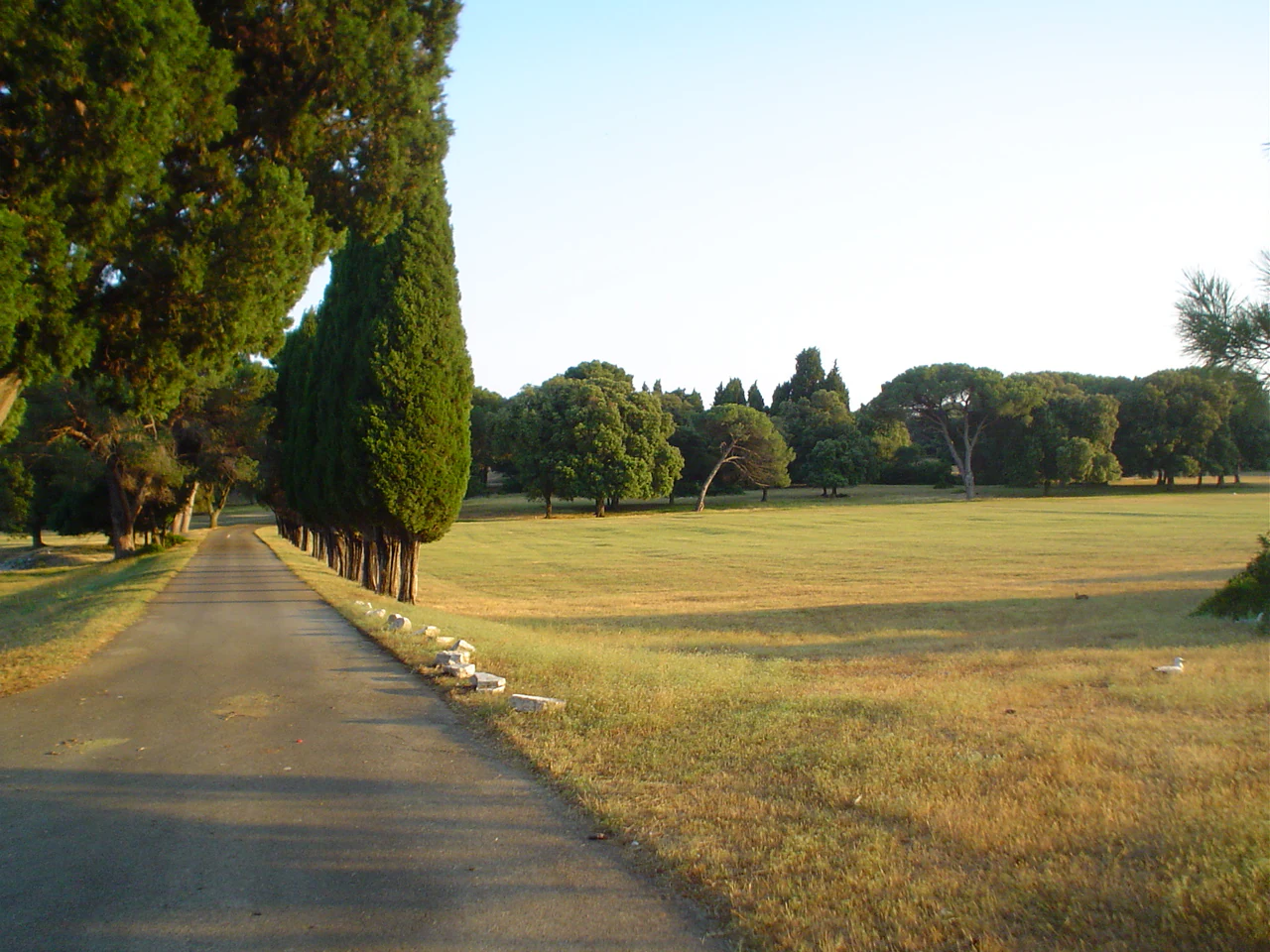
The Brijuni Islands present a Mediterranean landscape characterized by gentle rolling terrain, forested areas, and a varied coastline of coves, beaches, and rocky shores. The largest island, Veli Brijun, features a landscape shaped by centuries of human modification through quarrying, agriculture, and deliberate garden design. The island reaches modest elevations but offers panoramic views across the Adriatic toward the Istrian peninsula.
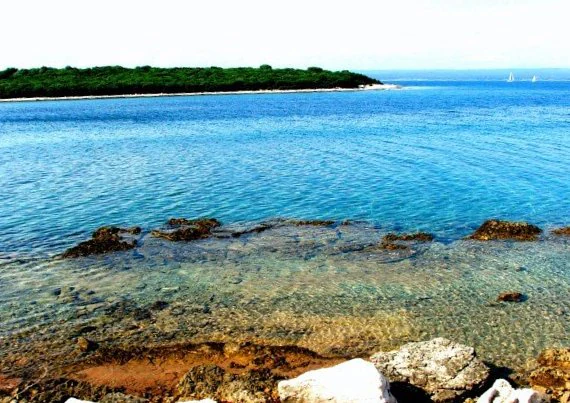
The coastline features numerous small bays and inlets, with the eastern shores offering sheltered anchorages while the western aspects face the open sea. The surrounding waters form part of the northern Adriatic, a shallow sea with distinctive marine characteristics. The islands' position in the Fažana Strait creates a transitional marine environment between the open Adriatic and coastal waters.
Ancient stone quarries that supplied Venice remain visible across the islands, their activity having shaped the terrain over centuries. The landscape combines natural Mediterranean vegetation with planted exotic species and structured parkland, creating a hybrid environment that reflects the islands' varied history. Woodland areas of Holm oak and laurel forest alternate with more open maquis shrubland and cultivated areas, while the coastline transitions between rocky shores and sandy beaches.
Brijuni Islands National Park ecosystems, habitats, and plant life
The Brijuni Islands support Mediterranean vegetation communities typical of the northern Adriatic coast, with approximately 600 indigenous plant species recorded on Veli Brijun alone. The principal plant associations include maquis shrubland, Holm Oak forests, laurel forest, and conifer plantings, representing the characteristic vegetation of the Mediterranean region. The islands have been enriched over time with exotic species that have successfully acclimatized, including various conifers and ornamental plantings.
The marine environment surrounding the islands serves as important hatching grounds and representative marine habitat for organisms typical of the northern Adriatic. Protected marine species including pen-shells and date-shells inhabit the seabed, while sea turtles and dolphins occasionally visit the surrounding waters. Endemic species such as black tang and the tunicate Jadranski ciganin occur in these waters, alongside diverse populations of sponges, shellfish, sea urchins, and crustaceans.
Three marshy lakes covering approximately eight acres on Veli Brijun form a significant ornithological habitat, with the largest lake overgrown with reed and serving as nesting grounds for numerous bird species. Some smaller islands provide excellent nesting habitats for gulls, sea swallows, and rare cormorant species, while the archipelago serves as important seasonal habitat for northern bird species during migration periods.
Brijuni Islands National Park wildlife and species highlights
The wildlife of Brijuni Islands encompasses both indigenous Mediterranean species and a remarkable collection of imported and gifted animals. Indigenous terrestrial fauna includes typical Istrian species, while the early 20th century saw the introduction of chital deer, fallow deer, and mouflon to Veli Brijun. These species have thrived in the island environment and can be observed roaming freely through forests, parks, and glades.
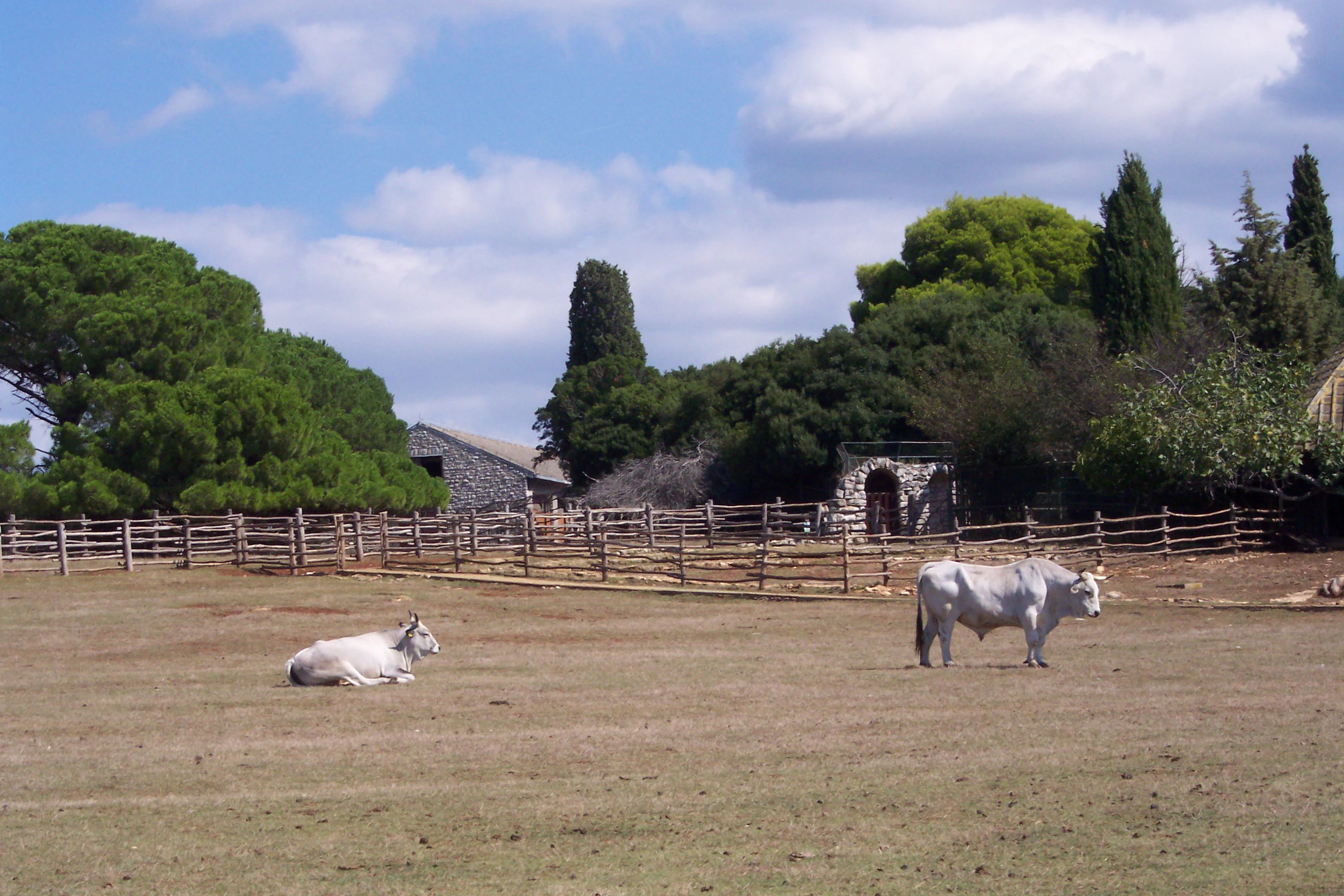
The Safari Park houses exotic animals presented as diplomatic gifts to Tito, including Asian elephants (notably Sony, gifted by Indira Gandhi in 1970, and Lanka), nilgai and zebu from India, plains zebra and mountain zebra from Guinea, and waterbuck from Ethiopia. An ethno-park within the Safari Park showcases typical Istrian domestic animals including the Istrian ox (descendant of aurochs), Istrian sheep, and Istrian donkeys.
The ornithological significance of the islands centers on the wetland areas and small island habitats. The lakes at Saline provide crucial nesting and feeding grounds for waterfowl and marsh birds, while the smaller outer islands support colonial nesting seabirds. Seasonal bird migration brings northern species to the archipelago, enhancing its avian diversity. The surrounding marine environment supports marine mammals including dolphins and periodic sea turtle visitors, along with commercially important fish and shellfish populations.
Brijuni Islands National Park conservation status and protection priorities
Brijuni Islands National Park protects a significant Mediterranean ecosystem combining terrestrial and marine environments. The park's conservation value derives from its diverse habitats ranging from forested islands and wetland lakes to coastal waters and seabed communities. The protection of endemic marine species in surrounding waters demonstrates the park's ecological significance within the northern Adriatic region.
The designation as a national park in 1983 established formal protection for the islands' natural and cultural resources, recognizing their combined scientific, educational, and scenic value. Archaeological sites spanning from the Bronze Age through Roman and Byzantine periods receive protection alongside living ecosystems, reflecting an integrated approach to heritage conservation. The presence of endangered plant species such as marine poppy and wild cucumber, which thrive on the islands despite facing threats on the Istrian mainland, demonstrates the conservation importance of these protected habitats.
The marine protected waters around the archipelago serve as representative habitat for northern Adriatic marine organisms, with specific legal protections for pen-shells, date-shells, sea turtles, and dolphins. The wetland areas have been recognized as ornithological reservations, providing protected habitat essential for breeding and migratory bird populations.
Brijuni Islands National Park cultural meaning and human context
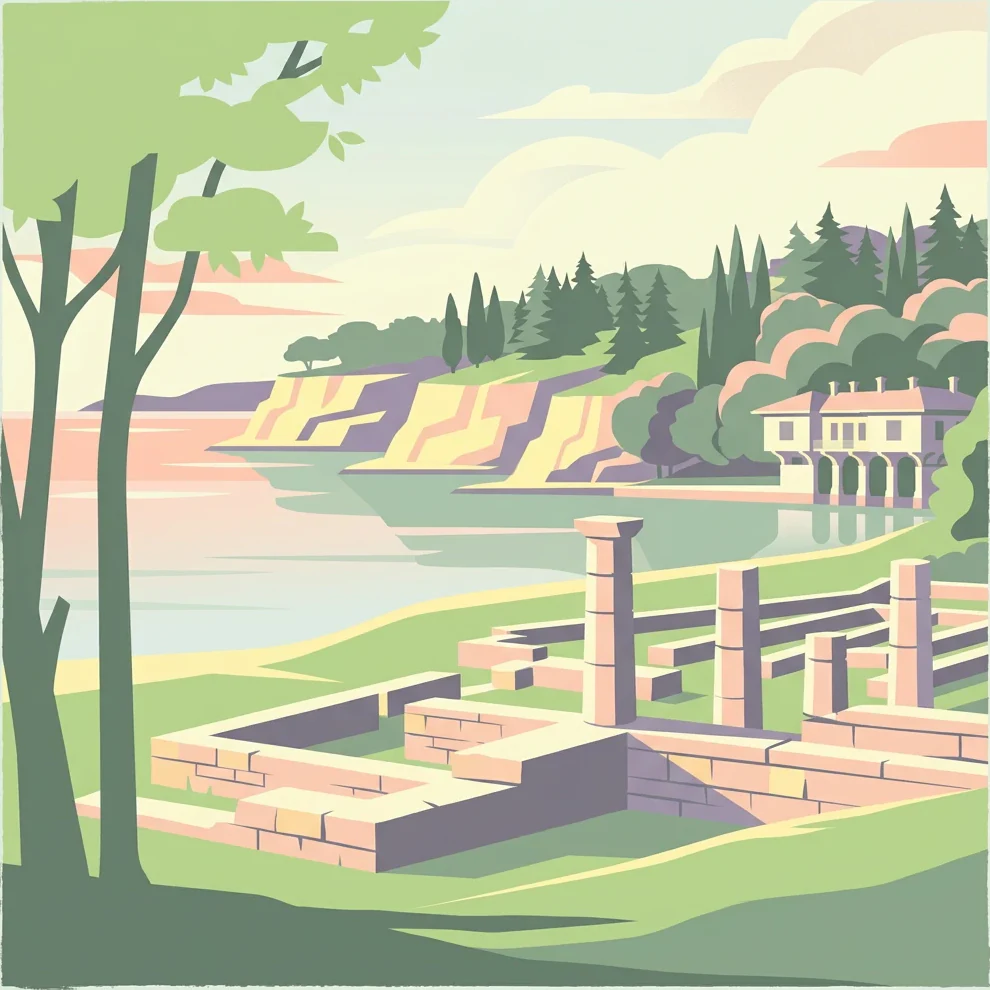
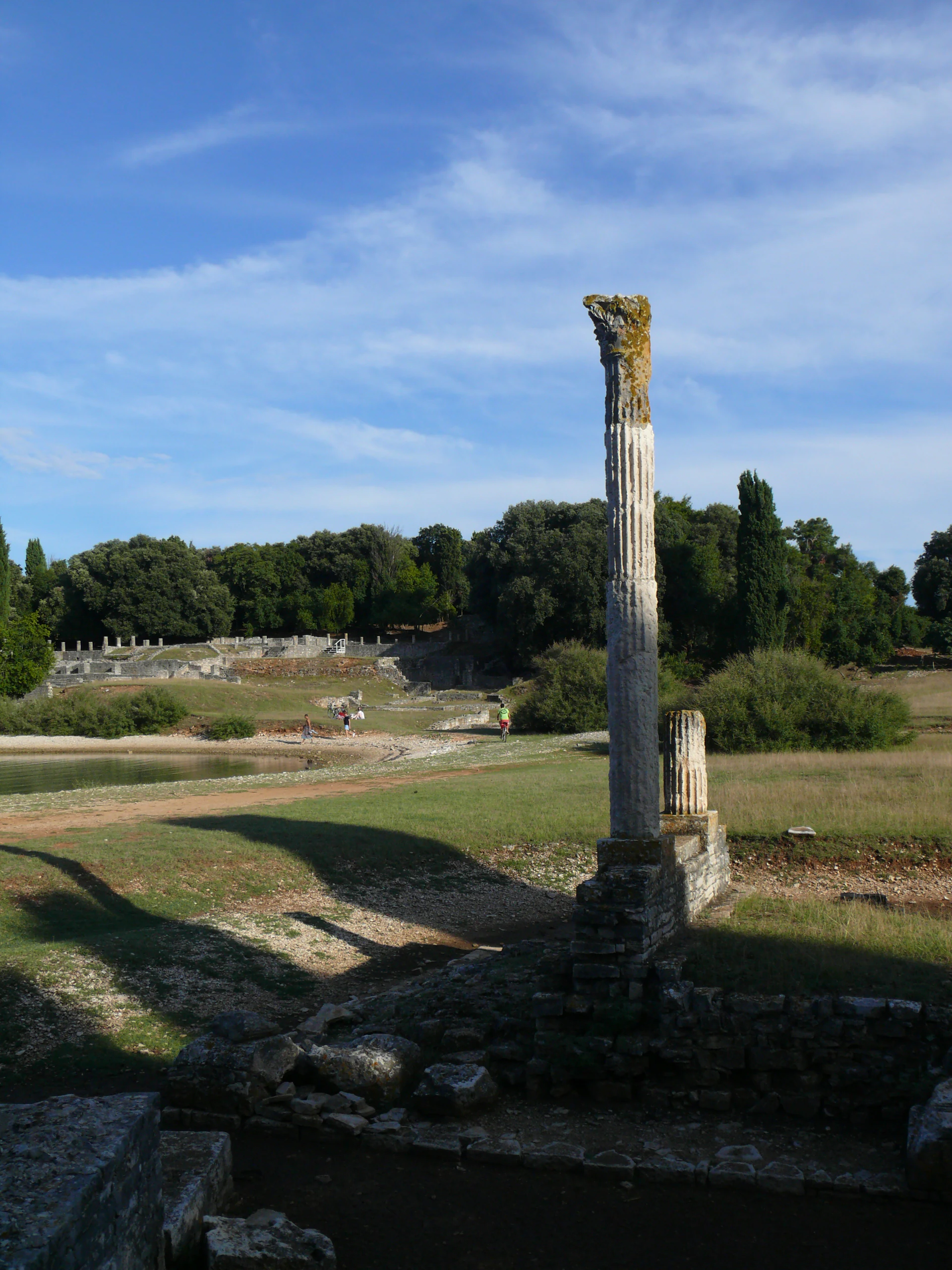
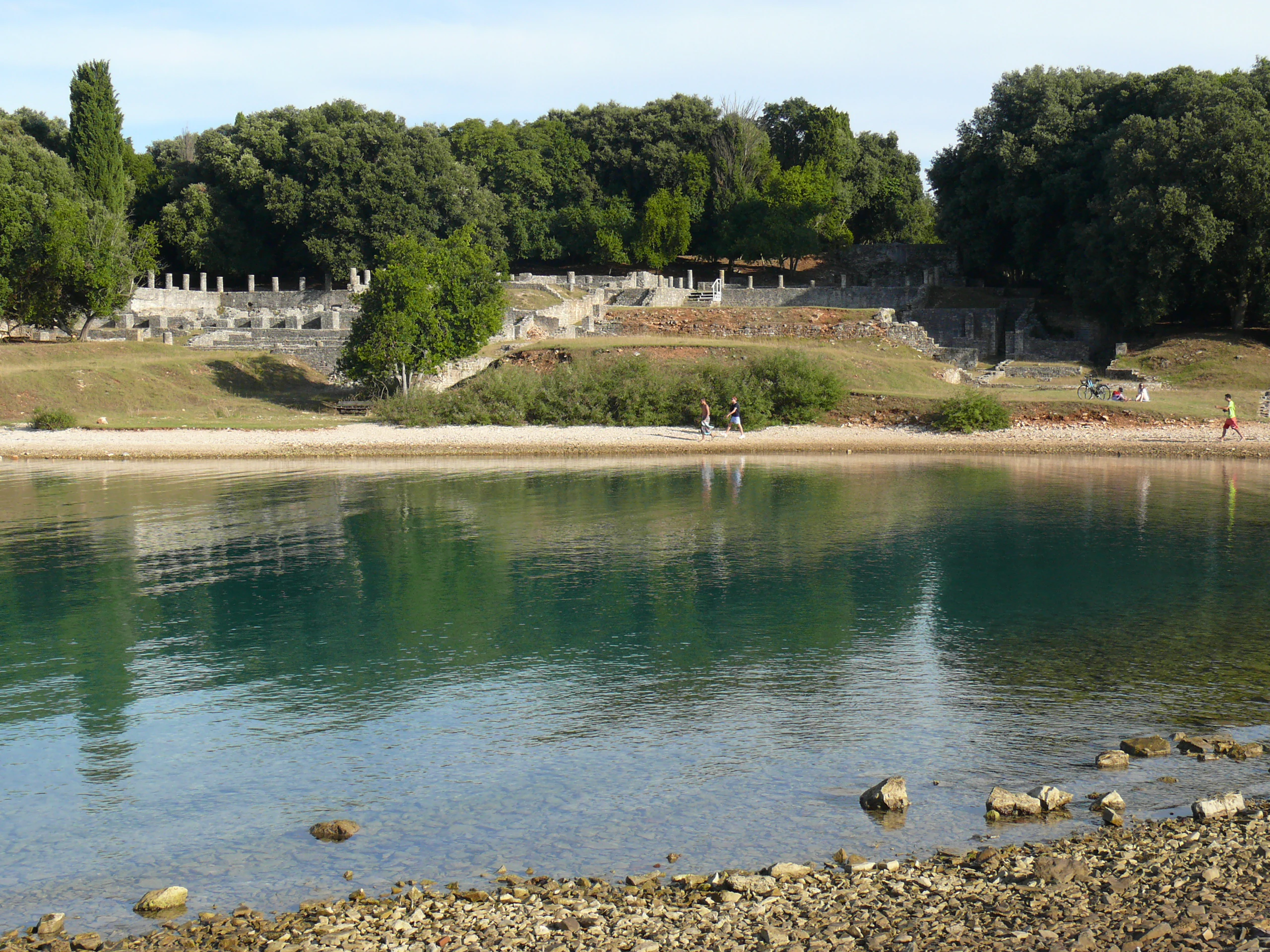
The Brijuni Islands have served as a crossroads of Mediterranean civilizations, with archaeological evidence spanning from Bronze Age settlements through Greek, Roman, Byzantine, Venetian, and modern periods. The Illyrian Histri tribe, after whom the Istrian peninsula takes its name, inhabited the islands during the first millennium BCE. Roman presence is marked by substantial villa complexes from the 1st-2nd century BC, including thermal baths and a temple to Venus, while Byzantine fortifications and a 5th-6th century basilica to St. Mary represent later settlement layers.
The 13th-century St. Mary's Church, constructed by the Knights Templar, adds another dimension to the islands' religious and architectural heritage. The historical narrative continued through Venetian quarrying operations that shaped the islands' economy for centuries, followed by the Austro-Hungarian military presence and the exclusive resort development of the early 20th century.
The islands' modern political significance stems from Tito's use of the archipelago as his state summer residence from 1945 to 1980, during which nearly a hundred foreign heads of state visited. This diplomatic history, beginning with the 1956 Brioni Meeting that founded the Non-Aligned Movement and continuing through the 1991 Brioni Agreement during Croatian independence, has made the islands an important venue for international negotiations. Cultural figures including writers James Joyce and George Bernard Shaw, composer Richard Strauss, and artists such as Gustav Klimt visited during the resort era, adding to the islands' cultural associations.
Top sights and standout views in Brijuni Islands National Park
The Brijuni Islands combine multiple layers of significance that distinguish this national park from others in the region. The 1956 Brioni Meeting that gave birth to the Non-Aligned Movement represents a pivotal moment in 20th-century world history, with the islands serving as the site where leaders from Egypt, India, and Yugoslavia shaped the policies of a movement that would influence global politics for decades. The archaeological complex spanning Roman villas, Byzantine fortifications, and a Knights Templar church demonstrates continuous human presence across millennia.
The Safari Park's collection of diplomatically gifted exotic animals creates a unique wildlife experience, with Asian elephants, African zebras, and Indian antelope species roaming in a Mediterranean setting. The dinosaur footprint discoveries on Veli Brijun provide paleontological significance, while the wetland areas support significant bird populations. The cultural landscape combining Mediterranean vegetation, historic architecture, and designed parkland reflects the aristocratic resort era and creates a distinctive visitor experience.
Best time to visit Brijuni Islands National Park
The Brijuni Islands enjoy a Mediterranean climate with warm, dry summers and mild, relatively wet winters, making spring and early autumn particularly pleasant for visiting. The summer months of June through August offer the warmest conditions and peak visitor numbers, with average temperatures suitable for beach activities and outdoor exploration. However, the popular International Polo Tournament occurs during summer, adding to visitor interest.
Spring (April through May) and early autumn (September through October) provide comfortable temperatures for walking tours, wildlife observation, and experiencing the archaeological sites without peak-season crowds. These shoulder seasons allow visitors to enjoy the parks and gardens in more tranquil conditions while still accessing all visitor facilities. The islands operate year-round, though some facilities may have reduced hours during the winter months. The Mediterranean vegetation remains attractive throughout the year, with spring bringing flowering plants and autumn offering pleasant conditions for coastal walks.