

Mori Atlas logo
National parkLos Quetzales National Park

Discover the protected area's boundaries and regional geographic context within Costa Rica.

Los Quetzales National Park: Costa Rica National Park Atlas and Mapped Landscape Exploration

(Parque Nacional Los Quetzales)

Los Quetzales National Park represents a distinct protected landscape within Costa Rica, offering a focus for geographic discovery and atlas exploration. This national park serves as a key point for understanding the distribution of conservation areas and the natural terrain across the region. Explore the mapped boundaries and unique geographic identity of this significant protected area, providing detailed context for its place within Costa Rica's diverse natural heritage.

cloud forestCentral Americahighland protected areabirdwatching destinationCosta Rica national parksRamsar site

Los Quetzales National Park

National park

Park overview

Structured park overview, official facts, and landscape profile for Los Quetzales National Park

Los Quetzales National Park park facts, protected area profile, and essential visitor context
Review the core facts for Los Quetzales National Park, including designation, size, terrain, visitor scale, habitats, and operating context in one park-focused overview.

About Los Quetzales National Park

Los Quetzales National Park occupies a mountainous niche in Costa Rica's protected area network where the Sierra de Talamanca rises sharply from the Central Valley. The park's establishment in 2006 was relatively recent in the context of Costa Rica's conservation history, and it represents a deliberate effort to provide formal national park status to an area that had previously been managed as a forest reserve. The transition from the Los Santos Forest Reserve designation to national park status reflects increased recognition of the ecological values present, particularly the quetzal habitat and the wetland components. The park's boundaries create a conservation corridor linking the higher-elevation Chirripó National Park with lower-elevation forest reserves, supporting the broader ecological connectivity that Costa Rica's conservation planning emphasizes. The surrounding landscape includes agricultural zones and rural communities, making the park an ecological island within a human-modified terrain.

Quick facts and research context for Los Quetzales National Park

Located about 97 kilometers southeast of San Isidro de El General in Pérez Zeledón canton, Los Quetzales National Park occupies a strategic position in the Talamanca highlands adjacent to Tapantí National Park and surrounded on three sides by the Los Santos Forest Reserve. The park protects cloud forest habitat at elevations that support unique moisture-dependent vegetation and endemic species assemblages. The Turberas de Talamanca Ramsar site, designated in 2003, extends into this protected area, linking it with five other conservation units in the region. The park was created by allocating territory from the former Los Santos Forest Reserve.

Park context

Deeper park guide and search-rich context for Los Quetzales National Park

Los Quetzales National Park history, landscape, wildlife, and travel context
Explore Los Quetzales National Park through its history, landscape character, ecosystems, wildlife, conservation priorities, cultural context, and seasonal travel timing in a structured park guide built for atlas discovery and search intent.

Why Los Quetzales National Park stands out

Los Quetzales National Park is best known for protecting habitat critical to the Resplendent Quetzal, a bird species so iconic that the park bears its name. The cloud forest environment provides the moist, moss-draped conditions this species requires for breeding and foraging. The park also encompasses portions of the Turberas de Talamanca, a Ramsar-designated wetland system of high-altitude peat bogs and peatlands that are rare in Central America. The combination of accessibility challenges, limited development, and the presence of the quetzal makes this a destination primarily for serious birdwatchers and nature enthusiasts rather than general tourism.

Los Quetzales National Park history and protected-area timeline

The land that became Los Quetzales National Park was originally part of the Los Santos Forest Reserve, a designation that provided some protection but allowed for greater flexibility in resource use. In 2006, the Costa Rican government elevated the area to national park status through decree 32981-MINAE, reflecting updated priorities for protecting high-value ecological zones. The creation coincided with broader recognition that the Talamanca region contained globally significant biodiversity that warranted the strongest domestic protection category. The Ramsar designation for the Turberas de Talamanca wetland complex had already been established in 2003, but the national park status provided additional regulatory framework for the terrestrial components of this ecosystem.

Los Quetzales National Park landscape and geographic character

The terrain within Los Quetzales National Park is characterized by steep, mountainous slopes typical of the Talamanca range, with elevations that support persistent cloud cover and moisture accumulation. The landscape features dense vegetation where the canopy captures moisture from passing clouds, creating the epiphyte-laden environment characteristic of neotropical cloud forests. Ridgelines and valleys create diverse microhabitats, while the underlying volcanic geology contributes to the nutrient dynamics of the soils. The single main road that traverses the park provides access to the higher elevations but itself reflects the challenging topography, winding through the mountainous terrain.

Los Quetzales National Park ecosystems, habitats, and plant life

The cloud forest ecosystem protected by Los Quetzales National Park represents a specialized habitat type where atmospheric moisture is sufficient to support vegetation that derives significant water input directly from cloud contact. This creates conditions for abundant epiphytic growth, including mosses, lichens, ferns, and orchids that blanket tree trunks and branches. The forest structure tends toward dense canopy with multiple layers, and the persistent moisture supports decomposition rates that recycle nutrients quickly through the system. These forests transition through elevation gradients that shift species composition, creating ecological zonation that increases overall biodiversity within the protected area.

Los Quetzales National Park wildlife and species highlights

The Resplendent Quetzal is the flagship species of Los Quetzales National Park, drawing attention both for its ecological requirements and its cultural significance. This bird inhabits the cloud forest canopy where it feeds on fruits, particularly those of the avocado family, and insects. The male's extraordinary tail feathers, which can exceed 60 centimeters in length, have made it a target of both admiration and historical exploitation. Beyond the quetzal, the cloud forest supports a diversity of other bird species, mammals adapted to the highland environment, and the invertebrate communities that form the base of the food web. The wetland components within the Ramsar site add amphibian and aquatic species to the overall biodiversity supported by the broader protected landscape.

Los Quetzales National Park conservation status and protection priorities

Los Quetzales National Park contributes to Costa Rica's network of protected areas by preserving cloud forest habitat that would otherwise face pressure from agricultural expansion and logging. The elevation and terrain create natural limitations to development, but the national park status provides formal legal protection that forest reserve designation alone may not convey. The inclusion within the Turberas de Talamanca Ramsar site connects this park to international conservation frameworks and demonstrates the wetland values present at these high altitudes. The park's position within the Central Conservation Area provides institutional support through the SINAC system, linking management to broader regional conservation strategies.

Los Quetzales National Park cultural meaning and human context

The Talamanca highlands have been inhabited by indigenous peoples, particularly the Cabécar, whose traditional territories extend into the mountain zones. The name Quetzales itself derives from the Nahuatl language, reflecting the pre-Columbian cultural significance of the bird whose feathers were used in ceremonial contexts by Aztec and other Mesoamerican societies. The modern park exists within a landscape where coffee agriculture and livestock ranching dominate lower elevations, creating a context where conservation exists alongside ongoing human land use. The nearby town of San Isidro de El General serves as the primary population center and access point for visitors entering the region.

Top sights and standout views in Los Quetzales National Park

The defining highlight of Los Quetzales National Park remains the opportunity to observe the Resplendent Quetzal in its native cloud forest habitat, an experience that attracts birdwatchers from around the world. The Turberas de Talamanca Ramsar wetland components represent a rare high-altitude peatland ecosystem in Central America, of interest to those studying wetland conservation and highland ecology. The limited infrastructure and challenging access contribute to an experience that feels genuinely wild compared to more developed parks, appealing to visitors seeking immersion in a less-touristed protected area.

Best time to visit Los Quetzales National Park

The cloud forest environment maintains high humidity year-round, but visitor experiences vary with seasonal weather patterns. The dry season from December through April typically offers more stable conditions for trail use and wildlife observation, though the characteristic morning clouds still form regularly. The green season from May through November brings heavier precipitation but also creates dramatic atmospheric conditions and may offer different wildlife viewing opportunities as birds become more active in the wetter conditions. The quetzal can be observed throughout the year, though breeding season in the early months may offer the best chances to see the elaborate tail feathers at their most impressive.

Park location guide

Geography guide, regional context, and park location map for Los Quetzales National Park

Los Quetzales National Park park geography, regions, and map view in Costa Rica
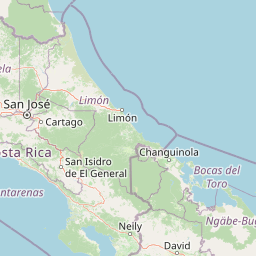
Understand where Los Quetzales National Park sits in Costa Rica through a broader geographic reading of the surrounding landscape, nearby location context, and its mapped position within the national park landscape.

How Los Quetzales National Park fits into Costa Rica

Costa Rica is a Central American country with coastlines on both the Caribbean Sea and Pacific Ocean. It gained independence from Spain in 1821 and operates as a unitary presidential republic with no standing military. The economy has diversified from agriculture into finance, pharmaceuticals, and ecotourism.

Wider geography shaping Los Quetzales National Park in Costa Rica

Costa Rica is located in Central America, bordered by Nicaragua to the north, the Caribbean Sea to the northeast, Panama to the southeast, and the Pacific Ocean to the southwest. It shares a maritime boundary with Ecuador. The terrain includes coastal plains, mountain ranges, and volcanic landscapes.

Map view of Los Quetzales National Park

Use this park location map to pinpoint Los Quetzales National Park in Costa Rica, understand its exact geographic position, and read its mapped placement within the surrounding landscape more clearly.

Pigeon | © OpenStreetMap contributors

Location context for Los Quetzales National Park

Pérez Zeledón Canton
Park atlas

Map Adjacent Protected Areas and Regional Cloud Forest Ecosystems Surrounding Los Quetzales National Park

Continue Park Discovery: Explore National Parks and Protected Areas Near Los Quetzales National Park
Explore other national parks and protected areas geographically close to Los Quetzales National Park, tracing the spread of conservation landscapes across Costa Rica's Talamanca mountains. Comparing these protected areas reveals their regional context, offering deeper insights into interconnected cloud forest habitats, highland terrain, and broader conservation efforts.
National parkCosta Rica

Tapantí National Park: Costa Rica National Park Atlas and Mapped Landscape Exploration

Explore protected boundaries and natural terrain within its geographic setting.

Tapantí National Park is a designated national park in Costa Rica, offering specific insights into the country's protected natural landscapes. This page provides an atlas-style view of its geographic placement, the extent of its protected area, and the character of its natural terrain. Users can investigate the park's mapped context and understand its significance within the broader geography of Costa Rica, facilitating focused exploration of protected lands and regional landscape features.

Area
583.2 km²
Established
1982
IUCN
II
Relief
Mountain
National parkPuntarenas Province

Manuel Antonio National Park: Protected Landscape and Geographic Detail

Mapped boundaries and regional atlas context.

Delve into the protected landscape of Manuel Antonio National Park, a notable national park located in Puntarenas Province. This detail entry provides essential geographic context, focusing on mapped park boundaries and regional terrain. Understand its protected-area identity and its contribution to the natural atlas through detailed exploration tools designed for geographic discovery.

Area
275.87 km²
Established
1972
IUCN
II
Visitors
438.8K annual
National parkCartago Province

Irazú Volcano National Park: National Park Protected Area Atlas

Mapped Boundaries and Volcanic Terrain

Irazú Volcano National Park stands as a distinct protected area within the landscape of Cartago Province, Costa Rica. This page provides an atlas-centric view, detailing the park's mapped boundaries and its identity as a national park. Explore the volcanic geography and regional context, understanding its contribution to the protected lands of Central America.

Area
20 km²
Established
1955
IUCN
II
Relief
Mountain
National parkCartago Province

Chirripó National Park: A Protected Landscape within Cartago Province's Geography

Explore its mapped boundaries and natural terrain.

This page provides detailed geographic context for Chirripó National Park, a designated national park located in the Cartago Province of Costa Rica. It focuses on the park's protected landscape identity, its position within the regional geography, and its distinct mapped boundaries. Understanding Chirripó National Park through its geographic and atlas-centric attributes offers a foundational insight into its natural significance.

Area
508.49 km²
Established
1975
IUCN
II
Climate
Alpine
National parkCosta Rica

Turrialba Volcano National Park: Mapped Geography and Protected Landscape Context in Costa Rica

Explore the protected area's natural terrain and regional atlas placement

Turrialba Volcano National Park is a key protected landscape in Costa Rica, offering distinct geographic features and environmental context for atlas exploration. This page details the park's mapped boundaries and its significance as a national park, providing a foundation for understanding its place within the country's diverse natural terrain. Discover the unique geographic identity of this protected area and its role in the regional landscape.

Area
16 km²
Established
1955
IUCN
II
Relief
Mountain
National parkSan José Province

La Cangreja National Park: Costa Rican National Park with Distinct Protected Landscape Identity

Explore its mapped boundaries and regional geographic context in San José Province.

La Cangreja National Park serves as a key protected area within the geography of San José Province, Costa Rica. This page facilitates a deeper understanding of its specific landscape character and mapped terrain, crucial for users interested in the structured discovery of national parks and their geographic significance. Examine the park's identity as a protected national park and its placement within the broader atlas of natural landscapes.

Area
19 km²
Established
1987
IUCN
II
Relief
Mountain
National parkHeredia Province

Braulio Carrillo National Park: Costa Rica's Protected Landscape in Heredia Province

National Park Boundaries and Regional Geography Exploration

Braulio Carrillo National Park represents a vital protected area, offering deep insights into its geographic setting within Heredia Province. This entry provides a focused view on the park's mapped boundaries and its identity as a national park, contributing essential data for regional geography and landscape atlas exploration. Understand the character of its protected terrain and its place within the broader mapped context.

Area
475.8 km²
Established
1978
IUCN
II
Relief
Mountain
National parkLimón Province

Barbilla National Park: National Park Atlas Exploration and Geographic Context

Mapped protected landscape in Limón Province, Costa Rica

Barbilla National Park offers a focused view into Costa Rica's protected natural areas, specifically within the Limón Province. This entry provides an atlas-centric understanding of its geographic footprint and the character of its protected landscape. Explore the mapped boundaries and regional setting of this national park to enhance your structured geographic discovery.

Area
119 km²
Established
1982
IUCN
II
Relief
Mountain

Common questions about visiting, size, designation, and location context for Los Quetzales National Park

Los Quetzales National Park FAQs for park facts, access, geography, and protected area context
Find quick answers about Los Quetzales National Park, including protected-area facts, park geography, trail and visitor context, and how the park fits into its surrounding country and regional landscape.
MoriAtlas Explorer

Continue Your Protected Areas Search Across the Global Atlas

Deepen your exploration by continuing the structured search for national parks and protected areas worldwide. Utilize the comprehensive filtering capabilities to compare different conservation landscapes and refine your understanding of global park geography. Discover more about the distribution and characteristics of protected natural areas.

Global natural geography