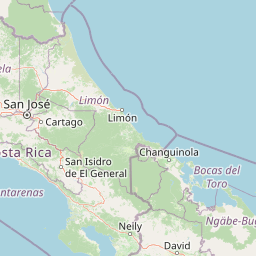
Why Turrialba Volcano National Park stands out
Turrialba Volcano National Park is best known for its active volcanic crater and the dramatic landscape shaped by ongoing volcanic processes. The park provides rare opportunities to observe an active Central American volcano up close, with its sulfurous vents, crater formations, and the distinctive barren terrain characteristic of recent volcanic activity. The panoramic views from the volcano's slopes are another defining feature, offering visitors sweeping vistas of the Caribbean plains extending to the east and the forested slopes of the Talamanca mountain range. The park's combination of volcanic scenery, biodiversity, and its status as one of Costa Rica's few accessible active volcanic zones makes it a distinctive destination within the country's protected area network.
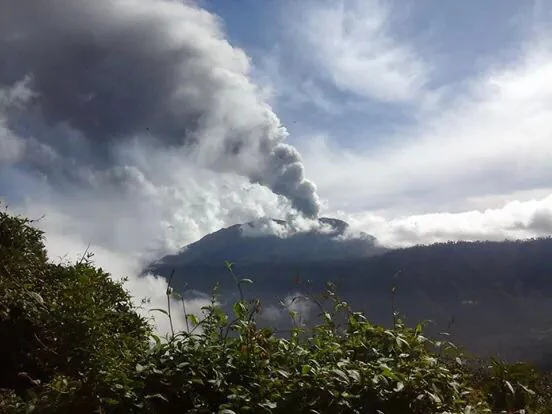
Turrialba Volcano National Park history and protected-area timeline
Turrialba Volcano National Park was established on July 30, 1955, making it one of Costa Rica's older national parks. The creation of the park reflected growing recognition of the volcano's scientific, scenic, and conservation value. Major volcanic eruptions occurred between 1864 and 1868, events that predated the park's formal protection but demonstrated the mountain's significant eruptive potential. Beginning in 2014, Turrialba Volcano entered a period of renewed activity that included frequent ash emissions, explosive events, and the ejection of volcanic material. These eruptions produced ash clouds that affected portions of Costa Rica, depositing gritty volcanic ash and occasionally forcing the temporary closure of Juan Santamaría International Airport in San José. Due to safety concerns, the park was closed to visitors in 2012 and remained closed for nearly eight years. The park officially reopened on December 4, 2020, following a period of reduced activity and infrastructure improvements. During the closure period, emergency shelters were constructed, the visitor center was renovated, and safety railings were installed at key viewpoints.
Turrialba Volcano National Park landscape and geographic character
The landscape of Turrialba Volcano National Park is defined by the volcanic terrain of an active stratovolcano. The slopes of Turrialba rise steeply from the surrounding countryside, their profile shaped by centuries of volcanic building and periodic collapse. Near the summit, the terrain becomes increasingly barren and rugged, characteristic of areas affected by recent volcanic activity. The crater area features distinctive volcanic formations, active vents that emit sulfurous gases, and the gray, ashy terrain typical of active volcanic zones. From the higher vantage points within the park, visitors can observe the expansive Caribbean plains stretching eastward toward the coast, the Turrialba valley below, and the forested peaks of the Talamanca mountain range to the south and west. The contrast between the volcanic terrain's stark appearance and the surrounding green montane forests creates a visually striking landscape. The park encompasses both the rocky volcanic heights and the transitional zones where forest vegetation gradually recovers on older lava flows and ash deposits.
Turrialba Volcano National Park ecosystems, habitats, and plant life
The ecological character of Turrialba Volcano National Park reflects its position in the montane zone of central Costa Rica, where volcanic terrain meets diverse forest habitats. The park spans ecological transitions from the more barren volcanic summit areas through zones of shrub and pioneering vegetation to patches of forest on older volcanic deposits. The diverse habitats support notable biodiversity, with the park recording 84 bird species and 11 mammal species. The vegetation patterns include areas of secondary forest regrowth on older volcanic deposits, stands of montane forest in the more sheltered zones, and the distinctive low-growing vegetation adapted to the harsh conditions of recent volcanic substrates. The park lies within the Central Conservation Area, connecting to broader ecological corridors that facilitate wildlife movement through the mountainous terrain of central Costa Rica. The combination of volcanic disturbance dynamics and the relatively intact forest cover creates a mosaic of habitats that supports both specialized species adapted to volcanic environments and more common montane species.
Turrialba Volcano National Park wildlife and species highlights
The wildlife community within Turrialba Volcano National Park includes both resident species and seasonal visitors that utilize the diverse habitats found within the park's boundaries. Birdlife is particularly notable, with 84 species recorded including a variety of tropical songbirds, raptors, and forest-dwelling species. The montane forest habitats support bird species associated with cloud forest environments, while the more open volcanic areas provide foraging opportunities for species adapted to more open terrain. Mammal presence includes 11 species documented within the park, encompassing both smaller mammals and larger species that traverse the volcanic slopes and adjacent forested areas. The wildlife community reflects the park's position within the Central Conservation Area, a network of protected lands that maintains ecological connectivity across the mountainous terrain of central Costa Rica. The ongoing volcanic activity creates dynamic conditions that influence wildlife distribution and behavior within the park.
Turrialba Volcano National Park conservation status and protection priorities
Turrialba Volcano National Park is designated as an IUCN Category II protected area, reflecting its primary purpose of protecting natural ecosystems while allowing for controlled visitor use and interpretation. The park is managed by Costa Rica's National System of Conservation Areas, which coordinates the country's network of protected areas. The conservation significance of the park extends beyond its volcanic landscape to include the forest habitats that surround the volcanic core, habitats that contribute to the broader ecological integrity of the Central Conservation Area. The active volcanic nature of the site presents unique management challenges, balancing the goal of providing public access to this distinctive landscape with the need to protect visitors from volcanic hazards. The two-kilometer perimeter closure around the crater reflects a precautionary approach to visitor safety in an environment where eruptive events can occur with limited warning. The park's conservation value also includes its role in scientific monitoring of volcanic processes and ecosystem responses to volcanic disturbance.
Turrialba Volcano National Park cultural meaning and human context
The area surrounding Turrialba Volcano holds cultural significance for local communities in Cartago Province. The volcano has been a prominent feature in the regional landscape and local identity, visible from inhabited valleys and agricultural areas throughout central Costa Rica. Historical interactions between local communities and the volcanic landscape include both practical considerations related to volcanic hazards and the more intangible associations with the mountain's presence in the regional setting. The Turrialba area has a history of agricultural use, with coffee cultivation and other farming activities in the surrounding valleys. While the park itself is managed as a protected area, the broader cultural landscape includes the communities that have lived in the volcano's shadow and developed relationships with the land over generations. The park's name in Spanish, Parque Nacional Volcan Turrialba, reflects the local use of the geographic name.
Top sights and standout views in Turrialba Volcano National Park
The primary highlight of Turrialba Volcano National Park is the opportunity to visit an active volcanic crater within Costa Rica, one of the few places in Central America where visitors can experience an active stratovolcano at relatively close range. The panoramic viewpoints from the volcano's slopes offer sweeping vistas across central Costa Rica, encompassing the Caribbean plains, the Turrialba valley, and the Talamanca mountain range. Hiking trails traverse the volcanic terrain, allowing visitors to experience the distinctive landscape shaped by ongoing geological processes. The park's biodiversity, including 84 bird species, provides opportunities for wildlife observation, particularly for those interested in tropical birdlife. The recent history of volcanic activity adds an element of dynamism to the landscape, with the park's closure and subsequent reopening reflecting the ongoing relationship between volcanic processes and visitor access. The visitor center and viewing infrastructure were upgraded during the closure period, enhancing the interpretive experience.
Best time to visit Turrialba Volcano National Park
The optimal time to visit Turrialba Volcano National Park generally corresponds to the dry season in Costa Rica, typically running from December through April. During these months, precipitation is typically lower, and visitor access is more consistently available. The dry season also offers clearer atmospheric conditions for viewing the panorama from the volcano's slopes, though cloud cover can develop quickly in the mountain environment regardless of season. Visitors should be aware that volcanic activity is inherently unpredictable, and the park's status can change with little advance notice depending on current conditions. Checking current park status and volcanic activity reports before planning a visit is advisable. The park's operational hours and access policies reflect the need to manage visitor safety in an active volcanic environment, with tours typically running from early morning through mid-morning.