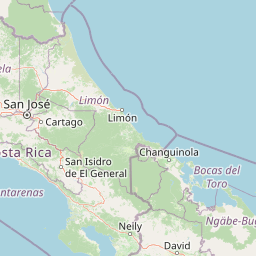
Why Tortuguero National Park stands out
Tortuguero is best known as one of the most important sea turtle nesting sites in the world. The park's beaches serve as the nesting ground for hawksbill, loggerhead, green, and leatherback turtles, with the nesting season running from February through July. The park protects the second-largest green sea turtle nesting beach globally. Beyond sea turtles, the park is celebrated for its extraordinary biodiversity across eleven distinct habitat types, including primary rainforest, mangrove ecosystems, freshwater marshes, coastal lagoons, and palm swamps. The extensive network of natural canals and waterways that traverse the park provides visitors with unique boat-based wildlife viewing opportunities through one of Central America's most intact wetland systems.
Tortuguero National Park history and protected-area timeline
Tortuguero National Park was established in 1975 primarily to protect the significant sea turtle nesting beaches along the Caribbean coast. Prior to protection, the region experienced intensive exploitation of turtles for their eggs, skins, and meat, with commercial turtle hunting representing a major economic activity for local communities. The establishment of the park marked a turning point in conservation for the region, creating legal protection for nesting beaches and the surrounding wetland habitats. The park's conservation status was further strengthened when it was designated as a Ramsar Wetland site in 1996, recognizing its international importance as a biological resource. Conservation efforts have faced ongoing challenges from illegal activities including poaching of turtle eggs and clearing of forest for agriculture. The park operates within the framework of Costa Rica's National System of Conservation Areas, with management overseen by the Ministry of Environment and Energy. Research and monitoring programs, particularly focused on sea turtle populations, have been conducted by various institutions including the Caribbean Conservation Corporation, now known as the Sea Turtle Conservancy.
Tortuguero National Park landscape and geographic character
The physical landscape of Tortuguero National Park is defined by its coastal wetland character and the interplay between freshwater systems and the Caribbean Sea. The park's coastline stretches for over 20 miles of sandy beach, the most significant nesting habitat for sea turtles along this section of coast. Behind the beach, a complex system of parallel bars and coastal ridges creates a succession of marine and freshwater wetlands. The interior contains numerous lagoons, estuaries, and freshwater marshes that form interconnected water bodies fed by rivers descending from the surrounding hills. The Lomas de Sierpe and Tortuguero Hill represent ancient volcanic cinder cones that stand as the most prominent topographical features, reaching approximately 300 meters in height and providing limited relief within the predominantly flat coastal plain. The soils are predominantly sandy sediments deposited by river systems, with areas of permeable volcanic rock in the higher terrain. The water network within the park includes small rivers typically 3 meters deep, fed by the extensive drainage system created by the high annual rainfall.
Tortuguero National Park ecosystems, habitats, and plant life
The ecological diversity of Tortuguero National Park centers on its eleven distinct habitat types, which together support an extraordinary concentration of biodiversity. The primary lowland rainforest represents the dominant terrestrial habitat, characterized by tall canopy trees including the gavilán, caobilla, almendro, and monkey pot tree species. The mangrove forests, though representing only about one percent of Costa Rica's Caribbean mangrove coverage, provide critical nursery habitat for marine and freshwater species. The palm-dominated wetlands featuring species such as Raphia taedigera and Manicaria saccifera create distinctive floating vegetation communities that cover water surfaces during the dry season. The extensive freshwater system supports floating aquatic plants including various species of Azolla, Eichhornia, Hydrocotyle, and Salvinia. The combination of high rainfall, persistent cloud cover, and nutrient-poor soils has shaped a distinctive wet lowland forest ecosystem with high species turnover and significant endemism.
Tortuguero National Park wildlife and species highlights
The wildlife community of Tortuguero reflects the park's position as a critical refuge within the Caribbean lowland ecosystem. Sea turtles represent the most celebrated wildlife resource, with four species using the park's beaches for nesting between February and July. Green sea turtles and leatherbacks nest in the greatest numbers, making this one of the most important turtle nesting sites in the Western Hemisphere. The freshwater systems support populations of manatees, spectacled caimans, American crocodiles, and the tropical gar, a living fossil species protected under Costa Rican law. The forest harbors at least four species of wild cats including jaguars, ocelots, jaguarundis, and pumas, representing a complete assemblage of Costa Rican felids. Three species of monkeys, Geoffroy's spider monkey, mantled howler, and white-headed capuchin, inhabit the forest canopy. The bird community includes over 440 species, with the crested eagle and great green macaw representing notable threatened species. The park serves as a critical migratory stopover for nearly one million birds annually, with 134 migratory species recorded.
Tortuguero National Park conservation status and protection priorities
Tortuguero National Park carries significant conservation importance as a Ramsar-designated wetland and a critical component of the Mesoamerican Biological Corridor. The park's designation as a Wetland of International Importance in 1996 recognized its role in supporting globally significant biodiversity and its function as a refuge for threatened species. Conservation challenges include illegal clear-cutting that has created access routes for poachers to reach previously isolated nesting beaches, threatening the world's second-largest green sea turtle nesting site. Additional pressures include deforestation from surrounding banana plantations, illegal hunting of mammals including tapirs, peccaries, and pacas, and collection of turtle eggs. Proposed development projects including a hydroelectric facility and a new international port pose potential future threats to the park's ecological integrity. The park is managed as part of the Tortuguero Conservation Area, a comprehensive protected landscape that includes multiple reserves and is administered by Costa Rica's National System of Conservation Areas.
Tortuguero National Park cultural meaning and human context
The park area itself contains no permanent human settlements, though the surrounding region is inhabited by communities engaged in cattle ranching and agriculture. Historical use of the Tortuguero area in the early twentieth century included timber extraction, turtle hunting, and collection of reptile skins, activities that prompted the establishment of protection measures. Local communities surrounding the park are permitted to collect certain forest products for domestic use and participate in regulated fishing and tourism activities. The nearby village of Tortuguero has developed eco-tourism oriented economies that depend on the park's natural resources, creating economic incentives for conservation. The park collaborates with local communities through environmental education programs and sustainable development initiatives.
Top sights and standout views in Tortuguero National Park
Tortuguero offers visitors one of the most immersive wetland wilderness experiences in Central America, with access via a network of natural canals that wind through primary forest and past nesting beaches. The sea turtle nesting season from February through July provides extraordinary wildlife viewing opportunities as turtles come ashore to lay eggs on the protected beaches. The park's eleven habitat types can be explored through a combination of hiking trails like the Gavilan Trail and water routes that access interior lagoons and forests. Birdwatching is exceptional, with over 440 species including the crested eagle and great green macaw, and the park serves as a major migratory bird stopover. The opportunity to observe multiple species of freshwater dolphins, manatees, caimans, and crocodiles from the park's waterways distinguishes Tortuguero from other Costa Rican parks.
Best time to visit Tortuguero National Park
The optimal time to visit Tortuguero National Park depends on visitor priorities, with different seasons offering distinct experiences. The sea turtle nesting season runs from February through July, with the peak of green turtle and leatherback nesting occurring from March through June. This period offers the best opportunity to observe nesting turtles, though egg hatching occurs later in the season. The dry season from August through November tends to offer more comfortable conditions for hiking and wildlife viewing, though rainfall remains significant year-round. The wetter months from December through April still allow for visits, with the park's water trails remaining navigable throughout the year. The high humidity and persistent cloud cover characterize the climate regardless of season, and visitors should prepare for wet conditions at any time of year.