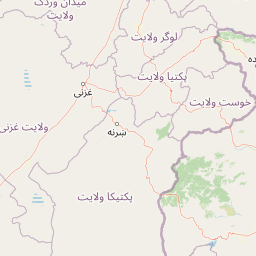
Why Ab-i Istada stands out
Ab-i Istada is best known as a critical wetlands habitat for migratory birds along Central Asian flyways. The lake and its surrounding wetlands support over 120 bird species and have been designated an Important Bird Area by BirdLife International. The site was historically significant as a major stopover for the central migratory population of Siberian cranes, though these birds have not been sighted at the lake since 1986. The lake is also notable for its populations of greater flamingos, with numbers historically fluctuating between zero and nine thousand individuals. The alkaline nature of the lake creates unique ecological conditions, and the presence of raised beaches at multiple elevations around the shoreline provides geological evidence of past water level variations.
Ab-i Istada history and protected-area timeline
The area around Ab-i Istada was historically characterized as largely uninhabited, with seasonal nomadic groups from neighboring regions utilizing the lake and its surroundings during summer months. The formal designation of the site as a Waterfowl and Flamingo Sanctuary occurred in 1974 when the Afghan government recognized the ecological importance of the wetlands for migratory bird populations. This protection status generated some local resentment, as it restricted traditional land use practices in the area. Conservation and management activities at the site effectively ended with the Soviet invasion of Afghanistan in 1979, and subsequent decades of conflict prevented the resumption of structured conservation programs. More recently, the Tarakai people have established permanent settlements near the lake, with eight villages now located within ten kilometers of the shoreline. The population in this area reached approximately five thousand people by 2003. The site's designation as an Important Bird Area by BirdLife International represents the primary contemporary recognition of its conservation value.
Ab-i Istada landscape and geographic character
The physical setting of Ab-i Istada is defined by its position within a large endorheic basin in the southern foothills of the Hindu Kush mountain range. The lake occupies a depression created by the Chaman Fault system, a major tectonic structure that runs through central Afghanistan. The surrounding terrain consists of rolling hills and alluvial plains that slope toward the lake basin. The lake itself is very shallow, with a maximum depth of only 3.7 meters, and contains two small islands near its southeastern shore: Loya ghundai covering approximately 2,500 square meters and Kuchney ghundai at roughly 500 square meters. Raised beaches visible around the lake shoreline at elevations of two to three meters, six to seven meters, and nine to ten meters above current water levels provide evidence of higher historical lake stands. The landscape is characterized by arid to semi-arid conditions typical of central Afghan uplands, with the wetland areas providing a striking contrast to the surrounding dry terrain.
Ab-i Istada ecosystems, habitats, and plant life
The ecological character of Ab-i Istada centers on its wetland habitats, which form a critical oasis in the arid central Afghan landscape. The lake's alkaline waters support a limited fish fauna, and mass die-offs of freshwater fish entering from the Ghazni River have been periodically documented. The surrounding wetlands and mudflats provide crucial feeding and resting habitat for migratory waterfowl traversing the Central Asian flyway. The site's designation as an Important Bird Area reflects the presence of significant populations of waterbirds including greylag geese, common pochards, greater flamingos, grey herons, great white pelicans, black-winged stilts, Kentish plovers, slender-billed gulls, and gull-billed terns. The vegetation around the lake consists primarily of wetland plant communities adapted to the saline and fluctuating water conditions, contrasting sharply with the dry steppe and rangeland dominating the surrounding landscape.
Ab-i Istada wildlife and species highlights
Ab-i Istada supports remarkable bird diversity, with over 120 species previously recorded in the area. The wetlands are particularly significant for waterfowl and wading birds. Greater flamingos have historically been a flagship species at the site, with Babur documenting enormous flocks at the lake in historical accounts. Flamingo numbers have varied dramatically in recent decades, ranging from zero to approximately nine thousand individuals depending on water conditions. The lake was once a critical stopover for the central migratory population of Siberian cranes, a species of high conservation concern, though these birds have not been recorded at the site since 1986. The wetland habitats support populations of greylag geese, common pochards, grey herons, great white pelicans, black-winged stilts, Kentish plovers, slender-billed gulls, and gull-billed terns. The alkaline lake waters occasionally experience fish kills when freshwater fish from the Ghazni River cannot adapt to the saline conditions.
Ab-i Istada conservation status and protection priorities
The conservation significance of Ab-i Istada has been recognized through both national and international frameworks. The Afghan government established the lake as a Waterfowl and Flamingo Sanctuary in 1974, marking the first formal protected area designation for the site. However, conservation activities were suspended following the Soviet invasion in 1979 and have not been meaningfully restarted despite the site's continued ecological importance. Internationally, BirdLife International has designated the lake and its surrounding wetlands as an Important Bird Area, recognizing its global significance for bird conservation. The IBA encompasses approximately 27,000 hectares encompassing the lake and its immediate surroundings. The site qualifies for this designation based on its role in supporting significant populations of multiple bird species, particularly waterfowl using Central Asian migration routes. The disappearance of Siberian cranes from the site since 1986 exemplifies the ongoing conservation challenges facing the area.
Ab-i Istada cultural meaning and human context
The human relationship with Ab-i Istada has evolved significantly over time. Historically, the lake and its surrounding lands were largely uninhabited, though nomadic groups from nearby regions would visit during the summer months to utilize the water and grazing resources. More recently, the Tarakai people have established permanent settlements near the lake, forming eight villages within ten kilometers of the shoreline with a combined population of approximately five thousand people as of 2003. Traditional economic activities in the area include bird trapping, particularly for saker and peregrine falcons, livestock grazing, and the collection of fuel wood. The establishment of the protected sanctuary in 1974 created tension with local communities whose traditional land use practices were restricted, a dynamic that reflects broader challenges in balancing conservation objectives with local livelihood needs in Afghan rural areas.
Top sights and standout views in Ab-i Istada
The wetlands of Ab-i Istada represent one of the most important bird habitats in central Asia, providing critical stopover sites for migratory waterfowl along the Central Asian flyway. The lake's dramatic fluctuations in water levels, including periodic drying events, create a dynamic ecosystem where wetland extent varies substantially between years. The presence of raised beaches at multiple elevations around the shoreline provides tangible evidence of the lake's hydrological history and past larger water volumes. The site's position at 2,070 meters elevation makes it one of the higher-altitude significant wetlands in Afghanistan, creating unique ecological conditions. The designation of the site as an Important Bird Area by BirdLife International reflects its international significance for conservation, while the historical presence of large flamingo flocks and the former role as a key stopover for Siberian cranes underline its past ecological importance.
Best time to visit Ab-i Istada
The optimal time to observe Ab-i Istada's bird life coincides with the migration seasons, typically during spring and autumn when waterfowl are most abundant at the wetland. Spring migration brings large numbers of birds northward along Central Asian flyways, while autumn provides another period of significant bird activity as birds move south. The lake's water levels fluctuate substantially based on precipitation patterns in the catchment, so visiting during years of adequate water supply yields the most productive wetland conditions. The high-elevation location means summer months can be pleasant while winters may be cold. However, visitors should note that conservation infrastructure and visitor services are limited at the site following decades of political instability, and access may be constrained by security conditions in Ghazni Province.