Why Tilla Reserve National Park stands out
Tilla Reserve National Park is best known for two intertwined legacies. The first is its ecological character as a remnant dry subtropical forest in the Salt Range, supporting vegetation communities dominated by Acacia modesa (phulai), Olea ferruginea (wild olive), and Dodonaea viscosa amid rocky, arid soils. The second is its extraordinary cultural heritage: the Tilla Jogian ridge preserves the ruins of a centuries-old monastic complex that served as a major pilgrimage center for the Nath tradition of Hindu ascetics. Historical accounts note that Guru Nanak visited this site during his travels, adding to its significance in Sikh tradition as well. The coexistence of ancient forest ecosystem and archaeological heritage makes this park uniquely significant within Pakistan's protected area network.
Tilla Reserve National Park history and protected-area timeline
The formal establishment of Tilla Reserve National Park occurred in June 2021 through Notification No. 77 of 2021, issued under the Punjab Wildlife (Protection, Preservation, Conservation and Management) Act, 1974. This designation emerged from Pakistan's broader Protected Areas Initiative, a government program aimed at expanding the nation's network of protected areas. However, the cultural history of Tilla Jogian stretches far deeper than its recent national park status. The hilltop monastery complex represents a centuries-old pilgrimage site associated with the Nath tradition of Hindu ascetics, who established meditation caves and spiritual retreats across the ridge. Historical records indicate that Guru Nanak, the founder of Sikhism, visited Tilla Jogian during his extensive travels across the Indian subcontinent, lending the site particular significance in multiple religious traditions. The ruins of monasteries, ponds, and associated structures visible across the ridge today testify to centuries of continuous spiritual use. The forest reserves adjoining the ridge were managed by the Punjab Forest Department prior to national park designation, and their inclusion within the protected area framework ensures the preservation of both cultural and ecological heritage under unified management.
Tilla Reserve National Park landscape and geographic character
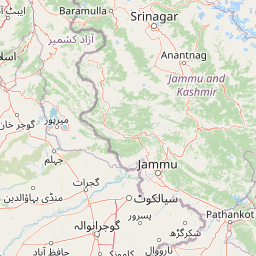
The landscape of Tilla Reserve National Park is defined by the dramatic topography of the Salt Range, a series of low mountains and steep ridges that rise abruptly from the Punjab plains. The park encompasses the Tilla Jogian ridge, which reaches elevations exceeding 975 meters and constitutes the highest point in the Salt Range. The terrain is characterized by steep, rocky ridges separated by narrow valleys, with exposed Precambrian rock formations creating a rugged and visually striking environment. The underlying geology dates to ancient Precambrian times, among the oldest rock formations in the region. Dry subtropical forest covers the slopes, with vegetation concentrated in the valleys and on north-facing aspects where moisture conditions are slightly more favorable. The park's boundaries are naturally defined by the Jhelum River to the east, which flows through a broad valley immediately adjacent to the park's foothills, and by Khewra Gorge to the west, where the Salt Range's characteristic salt formations create a distinctive geological landscape. The combination of elevation, rocky terrain, and forest cover creates a habitat that contrasts sharply with the intensively cultivated surrounding plains.
Tilla Reserve National Park ecosystems, habitats, and plant life
The park is situated within the Pabbi Hills-Salt Range dry subtropical forest belt, an ecological region characterized by limited rainfall and vegetation adapted to arid and semi-arid conditions. The dominant tree species include Acacia modesta, locally known as phulai, which forms the primary forest canopy, accompanied by Olea ferruginea (wild olive), Dodonaea viscosa (sanatha), and Ziziphus nummularia. These species are well-adapted to the rocky, nutrient-poor soils and seasonal water limitations that characterize the Salt Range environment. The forest structure is best described as open woodland or scrub forest, with scattered trees and an understory of grasses and shrubs adapted to dry conditions. The park represents one of the few remaining intact examples of this forest type in the Salt Range, as much of the original forest cover has been degraded by overgrazing, fuelwood extraction, and agricultural expansion. The ecological significance of preserving this remnant forest ecosystem was a key driver behind the national park designation.
Tilla Reserve National Park wildlife and species highlights
Tilla Reserve National Park provides habitat for wildlife characteristic of Pakistan's northern arid zone. The mammal community includes the Indian pangolin, a critically important species due to its endangered status from poaching for scales, as well as the Asiatic jackal, Indian crested porcupine, Indian hare, and wild boar. Several small carnivore species and reptiles are also present in the area. The bird community features resident species such as the grey francolin and black partridge, which are commonly found in the rocky, scrub-covered terrain, while the blue rock pigeon inhabits the cliff faces and rocky outcrops. During winter months, migratory raptors pass through the area, taking advantage of the open terrain and prey availability. The Salt Range cliffs within and adjacent to the park also support colonies of bats and nesting raptors, adding to the area's biodiversity significance. The park thus serves as an important refuge for species that have lost habitat elsewhere in the increasingly agricultural Punjab plains.
Tilla Reserve National Park conservation status and protection priorities
The designation of Tilla Reserve National Park serves multiple conservation objectives within Pakistan's environmental framework. The park protects a unique remnant of the Salt Range's dry forest ecosystem, a habitat type that has become increasingly threatened by overgrazing, fuelwood extraction, and agricultural encroachment. By preserving this forest corridor, the park contributes to maintaining ecological connectivity in a landscape where natural habitats have been heavily fragmented. The national park status also supports Pakistan's commitments under the Billion Tree Tsunami programme, a major reforestation and restoration initiative. Additionally, the park's inclusion in the Protected Areas Initiative represents the federal and provincial government's strategy to expand the national protected area network. Management responsibilities fall to the Punjab Wildlife and Parks Department, which conducts anti-poaching patrols, conservation activities, and community outreach programs, often in collaboration with the IUCN and local forest divisions. The dual natural and cultural heritage values of the site have also prompted attention from heritage conservation perspectives.
Tilla Reserve National Park cultural meaning and human context
The cultural significance of Tilla Reserve National Park extends far beyond its ecological values, centered on the ancient hilltop monastery complex of Tilla Jogian. This site has served as a major pilgrimage center for centuries, associated with the Nath tradition of Hindu ascetics who established spiritual retreats and meditation caves throughout the ridge. The ruins of monasteries and sacred ponds remain visible across the hilltop, creating a cultural landscape of considerable archaeological and religious importance. Historical accounts record that Guru Nanak, the founder of Sikhism, visited Tilla Jogian during his travels through the region, adding a dimension of Sikh heritage to the site's significance. The hill's inclusion within the national park framework ensures that both natural ecosystems and cultural heritage are afforded protection, recognizing that these values are inseparable in this landscape. Local communities maintain connections to the site through continued pilgrimage and traditional use, though the intensity of religious activity has diminished from historical peaks.
Top sights and standout views in Tilla Reserve National Park
Tilla Reserve National Park stands out as one of the most culturally and ecologically significant protected areas in the Salt Range, combining ancient spiritual heritage with threatened forest ecosystems. The Tilla Jogian ridge offers both natural and historical exploration opportunities, with its panoramic views, ancient monastery ruins, and century-old pilgrimage pathways. The park preserves one of the last intact examples of dry subtropical forest in the Salt Range, providing crucial habitat for species including the Indian pangolin and supporting birdlife such as francolins, partridges, and seasonal raptors. The establishment of this national park in 2021 represents a recent but important expansion of Pakistan's protected area network, contributing to both national conservation targets and local ecological restoration efforts. The site's dual significance as both a natural refuge and cultural heritage landscape makes it unique among Pakistan's national parks.
Best time to visit Tilla Reserve National Park
The best time to visit Tilla Reserve National Park is during the cooler months from October through March, when temperatures are more comfortable for hiking and outdoor exploration. Winter months offer pleasant daytime temperatures and clear skies, making them ideal for exploring the ridge trails and appreciating the panoramic views from Tilla Jogian. The summer months from May through September can bring intense heat that makes outdoor activity difficult and reduces the appeal of the forest trails. The post-monsoon period in late summer and early autumn can also offer good conditions, though rainfall patterns in the Salt Range are unpredictable. Visitors interested in wildlife viewing may find the dry season more productive, as animals are more likely to congregate around water sources. Those interested in the cultural heritage of the site may prefer to visit during pilgrimage seasons, though the monastery complex is now largely in ruins and accessible year-round.