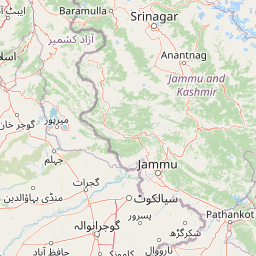
Why Pir Lasura National Park stands out
Pir Lasura National Park is best known for its population of vultures, including the white-rumped vulture, Himalayan griffon, and Egyptian vulture, which use the park's pine trees, cliffs, and rocky outcrops as roosting sites. The park also supports a notable population of common leopards, which inhabit the subtropical pine forests and have been documented causing livestock predation conflicts with local communities. The area has become a focal site for Indian pangolin research and conservation studies in the western Himalaya-Pothwar transitional zone. The subtropical chir pine forest ecosystem represents a distinctive vegetation type at this elevation band, providing habitat for 159 documented vascular plant species across 83 families.
Pir Lasura National Park history and protected-area timeline
Pir Lasura National Park was officially designated as a protected area in 2005 through a government notification process. The gazette notification covered forest compartments totaling 2,916 acres (approximately 11.80 square kilometers), though subsequent ecological studies have treated the park extent as 1,580 hectares (15.8 square kilometers), reflecting either later boundary refinements or differences between legal notification areas and ecological study zones. The park is governed by the Azad Jammu and Kashmir Forests, Wildlife and Fisheries Department, which oversees management and conservation activities. Since its establishment, the park has been the subject of multiple peer-reviewed ecological studies documenting flora and fauna, with particular emphasis on biodiversity assessments and conservation biology research on threatened species.
Pir Lasura National Park landscape and geographic character
The landscape of Pir Lasura National Park is characterized by the Pir Lasura mountain range, which rises from approximately 1,000 meters to 2,000 meters above sea level. The terrain consists of ridgelines and valleys interspersed with rocky outcrops and cliff formations. The underlying geology supports the subtropical pine forest ecosystem that defines the park's visual character. Access to the park is via unpaved tracks and foot trails that connect various villages within and adjacent to the protected area. The landscape receives approximately 1,500 millimeters of mean annual rainfall, supporting dense forest cover throughout most of the park area. The combination of elevation, rainfall, and aspect creates a mosaic of forest types, with chir pine dominating the more accessible slopes while scrub vegetation occupies rockier terrain and valley bottoms.
Pir Lasura National Park ecosystems, habitats, and plant life
The ecological character of Pir Lasura National Park is defined by subtropical chir pine forest intergrading with dry subtropical broad-leaved scrub vegetation. A baseline biodiversity survey documented 159 vascular plant species from 83 families, including trees, shrubs, herbs, grasses, and epiphytes. The Pinus roxburghii (chir pine) forest represents the dominant vegetation type, creating a relatively open canopy that permits understory development. The park lies within a biogeographically transitional zone between the western Himalayas and the Pothwar plateau, resulting in a mixture of species from both regional biotas. The elevation gradient from 1,000 to 2,000 meters creates environmental conditions favorable for subtropical montane forest development, with the approximately 1,500 millimeters of annual precipitation supporting relatively lush vegetation compared to surrounding drier areas.
Pir Lasura National Park wildlife and species highlights
Pir Lasura National Park supports a diverse mammalian fauna centered on the common leopard, which inhabits the pine forest and scrub habitats throughout the park. Barking deer (Muntiacus spp.) represent an important prey species for leopards and are themselves well-represented in the park. The endangered Indian pangolin has been documented in the area and has become a focal species for conservation research. Small carnivores and bats round out the mammalian community, while herpetofauna surveys have documented multiple reptile species across different slope and vegetation classes. The avifauna is particularly significant, with the park serving as important habitat for three vulture species: the white-rumped vulture, Himalayan griffon, and Egyptian vulture. These vultures roost on pine trees, power pylons, cliffs, and rock formations near settlements and rivers within the park boundaries. The park has gained recognition as an important site for vulture population mapping and Indian pangolin conservation studies in the western Himalayan region.
Pir Lasura National Park conservation status and protection priorities
Pir Lasura National Park represents an important protected area in Pakistan's conservation estate, designated under IUCN Category II as a national park. The park protects the subtropical pine forest ecosystem, which is ecologically significant as a transitional zone between Himalayan and Pothwar biotic communities. Conservation focus has centered on several threatened species, particularly the common leopard, Indian pangolin, and populations of vultures including white-rumped vulture, Himalayan griffon, and Egyptian vulture. The park has been the subject of systematic biodiversity assessments and ecological studies that have established baseline data for ongoing monitoring. Human-wildlife conflict mitigation has emerged as a conservation priority, with research documenting leopard predation on livestock and recommending improved husbandry practices and compensation mechanisms to reduce conflict. The park serves as a research site for conservation biology studies, particularly regarding Indian pangolin ecology and vulture population dynamics in the western Himalaya-Pothwar transitional zone.
Pir Lasura National Park cultural meaning and human context
The human context of Pir Lasura National Park centers on the villages interspersed throughout and adjacent to the protected area, including Sarda, Chitibakri, Kothian, Shakyali, Phagwarmorah, and Panagali. These communities have traditional connections to the landscape and utilize forest resources, though the protected area status restricts certain activities. Research has documented human-wildlife interactions, particularly livestock predation by common leopards that concentrate in late spring and summer when pastoral practices bring more animals into potential conflict zones. The park lies in proximity to the Line of Control, the de facto boundary with India in the Kashmir region, which influences access and management considerations. Local communities have participated in questionnaire-based research studies that have informed conservation recommendations regarding husbandry practices and conflict mitigation.
Top sights and standout views in Pir Lasura National Park
Pir Lasura National Park protects a distinctive subtropical pine forest ecosystem in the Himalayan foothills of Azad Kashmir. The park's vulture populations represent a particular conservation highlight, with three species using the area for roosting and foraging. The documented presence of common leopards and Indian pangolin adds significant conservation value. Research transects and point counts have established reproducible ecological baseline data, making the park a valuable case study for conservation science in the western Himalayan region. The elevation gradient from 1,000 to 2,000 meters creates diverse habitat conditions supporting both forest-dwelling and open-country species.
Best time to visit Pir Lasura National Park
The park can be visited throughout the year, though spring and autumn offer the most comfortable conditions for exploration. Summer months bring warmer temperatures at lower elevations but can be pleasant in the higher terrain. The monsoon season (July-September) brings substantial rainfall to the region, which supports the lush forest vegetation but may make some trails difficult. Winter months see cooler temperatures, particularly at higher elevations, and while less typically considered for wildlife viewing, the reduced vegetation cover can make animal spotting easier in some areas. The vultures are present year-round but may be most easily observed during morning hours when they congregate at roost sites.