Why Panjal Mastan National Park stands out
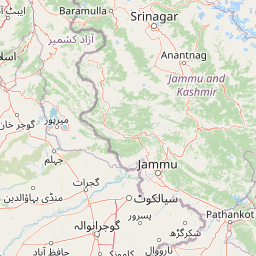
Panjal Mastan National Park is best known for its position as one of the highest plateaus in the Pir Panjal region, offering a distinctive high-altitude mountain environment within Azad Kashmir. The park is celebrated for its spring wildflower displays that blanket the open plains, creating a scenic and visually distinctive landscape. The area supports a variety of wildlife, including leopards from the adjacent Galiyat region, Rhesus macaques, wild boars, foxes, and notable bird species such as the cheer pheasant and kalij pheasant. The presence of the Panjal vole, a rodent species endemic to Pakistan, adds to the park's ecological significance.
Panjal Mastan National Park history and protected-area timeline
The Wikipedia source provides limited information regarding the establishment history or institutional development of Panjal Mastan National Park. The protected area designation appears to be a relatively modern conservation initiative, though specific dates regarding its formal creation or evolution within Pakistan's protected area system are not detailed in the available source material. The park exists within the context of Azad Kashmir's broader efforts to preserve representative samples of its mountain ecosystems, though precise historical documentation of designation milestones would require additional sources beyond the current Wikipedia entry.
Panjal Mastan National Park landscape and geographic character
The landscape of Panjal Mastan National Park is defined by its high-altitude plateau setting within the Pir Panjal Range. The terrain consists of expansive plains situated at approximately 2,800 metres above sea level, making this one of the most elevated plateau areas in the surrounding region. The surrounding mountainous terrain contributes to the park's scenic character, while the open plains provide seasonal visual interest when wildflowers bloom during spring. The area experiences significant fog and consistent precipitation throughout the year, with precipitation peaks occurring during the winter months and again during the summer monsoon period from July through August. The combination of high elevation, substantial snowfall in winter, and relatively mild summer temperatures creates a distinctive mountain landscape that contrasts with the lower-elevation valleys of Azad Kashmir.
Panjal Mastan National Park ecosystems, habitats, and plant life
Panjal Mastan National Park sits within the Pir Panjal ecoregion, a mountainous zone characterized by diverse ecological communities adapted to the subtropical highland climate. The park experiences a Köppen climate classification of Cwb, indicating a subtropical highland environment with cool temperatures year-round and significant precipitation. Average annual precipitation reaches approximately 1,789 mm, distributed across all seasons with winter and summer peaks. The high-altitude setting influences vegetation patterns, with plant communities adapted to colder conditions and seasonal snow cover. The diverse flora and fauna of the park represents the biological richness of this portion of the western Himalayas, though detailed documentation of specific vegetation types would require more comprehensive source material.
Panjal Mastan National Park wildlife and species highlights
The wildlife of Panjal Mastan National Park includes several notable species that reflect the park's position within the Pir Panjal ecoregion. Large mammals present in the area include leopards that move through the park from the nearby Galiyat region, Rhesus macaques, wild boars, and foxes. The bird population features species of conservation interest, including the cheer pheasant and kalij pheasant, both of which are recognized game birds in the broader Himalayan region. A particularly significant presence is the Panjal vole, a rodent species that is endemic to Pakistan and represents a unique component of the park's mammalian fauna. The combination of these species, along with other wildlife that inhabits the diverse terrain, contributes to the ecological value of the protected area.
Panjal Mastan National Park conservation status and protection priorities
Panjal Mastan National Park contributes to the conservation framework of Azad Kashmir by protecting a representative sample of high-altitude mountain ecosystem within the Pir Panjal range. The protected area designation helps preserve habitat for species of conservation interest, including leopards that require larger territories spanning multiple habitat types. The presence of the endemic Panjal vole demonstrates the park's significance for maintaining populations of species with restricted distributions. The ecosystem services provided by the high-altitude terrain, including watershed protection and soil conservation in a region characterized by steep slopes and seasonal precipitation, add further value to the protected area. While the Wikipedia source provides limited detail on specific conservation programs or management approaches, the park's designation reflects commitment to maintaining the ecological character of this distinctive mountain landscape.
Panjal Mastan National Park cultural meaning and human context
The Wikipedia source provides minimal information regarding human history or cultural dimensions associated with Panjal Mastan National Park. The park is situated within Bagh District, an area with historical significance within Azad Kashmir, though specific cultural connections to the high-altitude plateau are not documented in the available material. The use of Urdu as the official language reflects the broader linguistic context of Azad Kashmir, though detailed information regarding traditional land use, indigenous communities, or historical interactions between local populations and the park's landscape would require additional sources beyond the current entry.
Top sights and standout views in Panjal Mastan National Park
The highlights of Panjal Mastan National Park centre on its distinctive high-altitude character within Azad Kashmir, the scenic wildflower displays that adorn the plains each spring, and the presence of wildlife species including leopards, pheasants, and the endemic Panjal vole. As one of the highest plateaus in the Pir Panjal region, the park offers an environment quite different from the valley bottoms and lower elevations that characterize much of Azad Kashmir. The combination of mountain terrain, seasonal vegetation interest, and wildlife viewing opportunities defines the park's primary attractions for visitors interested in the natural landscapes of northern Pakistan.
Best time to visit Panjal Mastan National Park
The best time to visit Panjal Mastan National Park aligns with the more temperate conditions of the spring and summer months, when temperatures are milder and the landscape displays its seasonal character. Spring brings the notable wildflower displays that contribute significantly to the park's scenic reputation, with the plains becoming adorned with colourful blooms. The summer months offer relatively cool conditions compared to lower elevations, though precipitation remains significant during this period. Winter visitation is likely impractical due to heavy snowfall and cold temperatures characteristic of the high-altitude setting, with the park experiencing substantial winter precipitation that would restrict access and comfort.