Why Machiara National Park stands out
Machiara National Park is best known for its exceptional Himalayan biodiversity and its role as a refuge for several globally threatened species. The park is particularly renowned for snow leopard habitat, supporting one of the rarer large cat species in the world. It also protects significant populations of Kashmir musk deer, a critically important alpine species. For birdwatchers, the park offers encounters with prized species including the western tragopan, one of the rarest pheasants in the Himalayas, and the cheer pheasant. The park's designation as an Important Bird Area underscores its value as a breeding and nesting ground for numerous Himalayan bird species.
Machiara National Park history and protected-area timeline
Machiara National Park was formally established in 1996 through official notification as a national park within Pakistan's protected area system. The designation came as recognition of the region's exceptional natural values and the need to conserve the Himalayan biodiversity found within its boundaries. Prior to national park status, the area functioned as important wildlife habitat with local communities maintaining traditional relationships with the mountain environment. The park's creation was part of a broader expansion of Pakistan's national park network during the 1990s, a period when several new protected areas were established to address gaps in ecological representation. The park's proximity to Muzaffarabad, the capital of Azad Kashmir, has influenced its management and accessibility, though the challenging mountain terrain has limited development pressure that might otherwise affect more accessible protected areas.
Machiara National Park landscape and geographic character
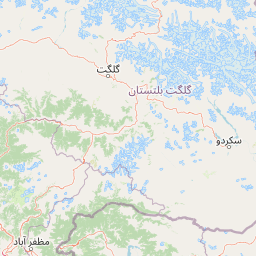
The physical landscape of Machiara National Park reflects the dynamic geological processes that have shaped the western Himalayas over millions of years. The terrain consists of steep mountain slopes, narrow valleys, and forested ridges that descend from higher alpine zones into the approaches of the Kashmir valley system. Forest vegetation covers much of the accessible terrain, with evergreen broadleaved species dominating lower slopes while deciduous broad-leaved woodlands occupy middle elevations. The park's position between two significant valleys, Neelum Valley to the east and Kaghan Valley to the west, places it along an important ecological transition zone. River Neelum, flowing along the eastern boundary, contributes to the hydrological character of the region and provides water resources for both wildlife and downstream communities. The overall elevation range within the park supports diverse habitat types from forested slopes to rocky alpine terrain.
Machiara National Park ecosystems, habitats, and plant life
The ecological character of Machiara National Park is defined by its position within the Western Himalayan Broadleaf Forests ecoregion, one of the most biodiverse montane forest systems in Asia. Annual precipitation of approximately 1526.7mm sustains dense forest cover across much of the protected area, with the seasonal pattern creating distinct growing conditions throughout the year. July brings the heaviest rainfall, supporting lush vegetation growth during the summer monsoon season, while November's minimal precipitation marks the transition into the drier winter period. This climatic regime supports a complex vertical stratification of vegetation, from evergreen broadleaved forests in the lower elevations through mixed broadleaf communities to subalpine conditions at higher reaches. The forest composition includes species adapted to the subtropical monsoon climate of the western Himalayas, creating ecosystems that differ markedly from the dry alpine conditions found in more continental Himalayan locations.
Machiara National Park wildlife and species highlights
The wildlife community of Machiara National Park reflects the exceptional biodiversity of the western Himalayas, with the park supporting both globally threatened large mammals and a remarkable diversity of bird species. Snow leopard, one of the rarest and most elusive big cats in the world, inhabits the higher elevations of the park, preying on blue sheep and other mountain ungulates in the rocky terrain. The Kashmir musk deer, a small alpine cervid prized for its musk-producing glands, occupies subalpine meadows and forested slopes within the park's boundaries. Among the park's remarkable bird fauna, the western tragopan stands out as one of the most sought-after species for birdwatchers visiting the Himalayas, while the cheer pheasant represents another member of the pheasant family with restricted distribution. Raptors including the lammergeier and Himalayan vulture soar over the mountain terrain, while numerous smaller bird species such as the hoary-throated barwing, white-cheeked bushtit, and Kashmir nuthatch inhabit the forested areas. The park's designation as an Important Bird Area by BirdLife International recognizes its significance for bird conservation.
Machiara National Park conservation status and protection priorities
Machiara National Park plays a crucial role in protecting a segment of the Western Himalayan Broadleaf Forests ecoregion that faces numerous pressures from human activity and development across its range. The park's inclusion within the Global 200 ecoregion designation reflects its importance as one of the world's most significant ecological areas requiring conservation attention. Protection of snow leopard habitat within the park contributes to conservation of this apex predator across its limited global range in the high mountains of Central and South Asia. The Kashmir musk deer, another species of conservation concern, benefits from the protected status that limits hunting pressure within park boundaries. The Important Bird Area designation by BirdLife International provides additional recognition of the park's significance for conservation of Himalayan bird species, several of which have restricted distributions and face habitat threats outside protected areas. Management of the park must balance conservation objectives with the needs of local communities who have historically used the area for livelihoods.
Machiara National Park cultural meaning and human context
Machiara National Park is located in the Azad Kashmir region of Pakistan, an area with deep cultural connections to the broader Himalayan world. The park lies near Muzaffarabad, the regional capital, placing it within a landscape that has been inhabited for centuries by communities whose lives are intertwined with the mountain environment. The valley systems that border the park, particularly Neelum Valley, have historically served as trade routes and seasonal grazing areas for local populations. Traditional land use practices in the broader region have shaped both the landscape and the relationship between human communities and the natural environment. While the park itself restricts certain activities to protect wildlife, the surrounding areas continue to support agricultural communities whose practices influence the park's edge zones and the broader landscape context.
Top sights and standout views in Machiara National Park
Machiara National Park offers exceptional opportunities to experience Himalayan mountain nature in a relatively accessible setting near Muzaffarabad. The park's diverse forest ecosystems, spanning from evergreen broadleaved to deciduous woodlands, create visually striking seasonal changes throughout the year. Wildlife enthusiasts may encounter snow leopards in the higher terrain, though sighting these elusive cats requires patience and luck. Birdwatchers find particular value in the park's avifauna, with species such as western tragopan and cheer pheasant representing highlights for serious bird observers. The park's position between two major valleys provides scenic backdrops of mountain terrain that characterizes the western Himalayas. The Important Bird Area status underscores the park's value for conservation of species with restricted distributions in the Himalayan region.
Best time to visit Machiara National Park
The optimal time to visit Machiara National Park spans from spring through autumn, when weather conditions allow comfortable exploration of the mountain terrain. Spring months bring forest vegetation into fresh leaf, creating attractive scenery as deciduous species emerge from winter dormancy. Summer months coincide with the monsoon season, bringing lush vegetation but also heavy rainfall that affects trail conditions and visibility. Autumn offers clear skies and stable weather as the monsoon retreats, providing excellent conditions for wildlife viewing and landscape photography. Winter conditions involve significant snowfall at higher elevations, limiting accessibility to much of the park's terrain. The park can be visited year-round, though spring and autumn generally provide the most favorable combination of accessible conditions and pleasant weather for outdoor exploration.