Why Deosai National Park stands out
Deosai National Park is best known for its successful conservation of the critically endangered Himalayan brown bear, which has become the park's flagship species. The park protects one of the highest altitude ecosystems in the world, with the Deosai Plains representing a unique alpine steppe environment that supports remarkable biodiversity in an extreme setting. The area is famous for its spectacular spring wildflower displays and the dramatic transformation of the otherwise stark plateau into a carpet of colorful blooms and butterflies. The park is also recognized for its population of Snow Leopards and as an important habitat for the Lammergeier (bearded vulture) and Golden Eagle.
Deosai National Park history and protected-area timeline
Deosai National Park was established in 1993 with the primary mission of protecting the critically endangered Himalayan brown bear and its habitat. Prior to the park's designation, the brown bear population had been severely depleted by poaching and hunting, with the total population reduced to just 19 individuals by the early 1990s. The establishment of the park represented a critical intervention in the species' survival, and the creation was driven substantially by the efforts of the Himalayan Wildlife Foundation, originally known as the Himalayan Wildlife Project, which played an instrumental role in the park's designation. The Foundation operated park entry check posts and a field research camp for approximately ten years and documented the management framework for handover to the Northern Areas Forest Department in 2006. The conservation success story is notable: the brown bear population has increased from 19 individuals in 1993 to 40 by 2005 and 78 by 2022, representing one of the few instances of successful recovery of a critically endangered large carnivore in South Asia. The park remains on the tentative list of UNESCO World Heritage Sites in Pakistan.
Deosai National Park landscape and geographic character
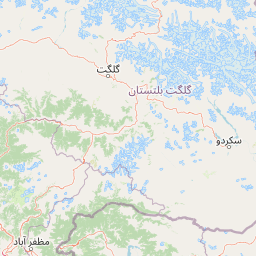
The Deosai Plains form the core landscape of the national park, comprising an extensive alpine meadow system that stretches across the high plateau. The terrain is characterized by gentle rolling hills and flat valleys between mountain ranges, with an average elevation of 4,114 metres above sea level. Several rivers traverse the plains, with Bara Pani being the largest, flowing through the heart of the park and providing vital water resources for the ecosystem. The surrounding Deosai Mountains frame the plateau, creating a dramatic backdrop of rugged peaks. The geology of the area features severely eroded soils that are coarser in nature and mixed with gravel and stones, while flat areas between mountains contain deeper soils supporting marshy vegetation. In spring, the landscape transforms dramatically as the plains become covered with sweeps of wildflowers, adding vibrant colors to the otherwise austere alpine environment.
Deosai National Park ecosystems, habitats, and plant life
The park protects a representative example of the Karakoram-West Tibetan Plateau alpine steppe eco-region, an ecosystem type found at high elevations across Central Asia. The vegetation consists of alpine meadows and steppe communities adapted to the harsh conditions of high altitude, including numerous species of grasses, sedges, and herbaceous plants. The floral diversity is remarkable, with documented species including Polygonum affine, Thalictrum alpinum, Saxifraga flagellaris, various Artemisia species, and the medicinal plant Saussurea lappa (kuth). The spring season brings spectacular displays of wildflowers and the area is notable for its variety of butterflies. The ecological significance of Deosai extends beyond its borders as a protected area within the broader Himalayan biodiversity hotspot, supporting species communities that are increasingly threatened by climate change and development pressures.
Deosai National Park wildlife and species highlights
Deosai National Park is home to a remarkable assembly of high-altitude wildlife, with the Himalayan brown bear serving as the park's most celebrated species. Once on the brink of local extinction with only 19 individuals remaining in 1993, the bear population has recovered to approximately 78 individuals today, representing one of the most successful large carnivore conservation stories in the region. The park also supports healthy populations of Siberian ibex, which are commonly observed on the surrounding slopes, as well as the elusive Snow Leopard, a species that inhabits the rocky terrain at the park's edges. The Kashmir Musk Deer, Himalayan wolf, and Himalayan marmot round out the notable mammalian fauna. The avifauna is particularly diverse, with over 124 species of resident and migratory birds recorded, including the Golden eagle, Lammergeier (bearded vulture), Himalayan vulture, Laggar falcon, Peregrine falcon, Eurasian kestrel, and the Himalayan snowcock.
Deosai National Park conservation status and protection priorities
The establishment of Deosai National Park represents a significant achievement in Pakistan's conservation landscape, primarily for its successful recovery of the Himalayan brown bear population. The park is designated under IUCN Category Ib as a wilderness area, reflecting its commitment to maintaining natural conditions with minimal human intervention. While hunting and poaching pressures that existed in the 1990s have substantially diminished, the brown bear and other protected species face ongoing threats from climate change and nutritional deficiencies. The park's inclusion on Pakistan's tentative list for UNESCO World Heritage status reflects its outstanding universal value as a protected area. The management transition from the Himalayan Wildlife Foundation to the Northern Areas Forest Department in 2006 marked a shift in administrative oversight, though conservation challenges persist.
Deosai National Park cultural meaning and human context
The Deosai region carries cultural significance that extends beyond its ecological value. Research by French ethnologist Michel Peissel has drawn connections between the ancient Greek historian Herodotus's account of 'gold-digging ants' and the behavior of golden Himalayan marmots on the Deosai plateau, suggesting that local tribes such as the Minaro collected gold dust excavated from marmot burrows. The area has been historically used by the Gujjar-Bakwarwal communities for seasonal grazing, reflecting traditional transhumance practices. The Balti people have long referred to the area as Ghbiarsa, recognizing its character as a summer destination accessible only during the warmer months when the heavy winter snows recede. The travel writer and historian Salman Rashid coined the English moniker 'Land of the Giant' in the early 1990s based on the Shina etymology.
Top sights and standout views in Deosai National Park
Deosai National Park offers visitors an extraordinary high-altitude wilderness experience in one of the most remote and pristine environments in Pakistan. The opportunity to observe the recovered Himalayan brown bear in its natural habitat represents a singular wildlife experience, particularly given the species' precarious status elsewhere in its range. The spring wildflower displays transform the plateau into a vibrant tapestry of colors, while the surrounding mountain scenery provides dramatic backdrops including views toward Nanga Parbat. The avifauna, particularly the large raptors such as Lammergeier and Golden Eagle, attract birdwatchers interested in Himalayan species. The park's status as the second-highest plateau in the world gives it a distinctive character among global protected areas.
Best time to visit Deosai National Park
The optimal time to visit Deosai National Park is during the summer months, typically from June through September, when the park is accessible and the weather is relatively mild for the high-altitude environment. Winter access is essentially impossible due to heavy snowfall that blankets the plateau, which is why the area has traditionally been known as a summer destination (Ghbiarsa in the Balti language). The spring season, particularly late May through early July, offers the spectacular wildflower displays that blanket the plains in color and attract large numbers of butterflies. Summer provides the best opportunities for wildlife viewing, including sightings of Himalayan brown bears and Siberian ibex, while the clearer skies offer excellent visibility of the surrounding mountain peaks.