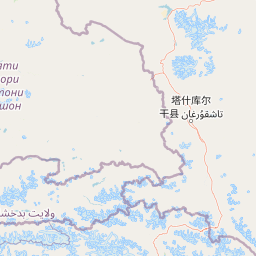
Why Qurumbar National Park stands out
Qurumbar National Park is best known for its position at the crossroads of two of Asia's great mountain systems and for protecting some of Pakistan's highest-altitude ecosystems. The park encompasses Karambar Lake, the nation's second-highest lake, set amid a landscape of dramatic alpine valleys, glacial passes, and meadows. It is renowned for harboring populations of snow leopard, Himalayan brown bear, Marco Polo sheep, and other iconic high-altitude species. The combination of glacial lakes, mountain passes, and the presence of rare alpine wildlife makes this park particularly significant within Pakistan's protected area network.
Qurumbar National Park history and protected-area timeline
Qurumbar National Park was established in 2011 as part of Pakistan's efforts to expand and strengthen its protected area network, particularly in the ecologically significant but under-represented alpine regions of Gilgit-Baltistan. The creation of the park reflected growing recognition of the need to conserve the unique high-altitude ecosystems found in this remote corner of the country, where the Hindu Kush and Himalayan mountain systems create habitat conditions found nowhere else in Pakistan.The establishment of the park came during a period of increased attention to Pakistan's mountain protected areas, which had historically received less conservation focus than the country's more accessible lowland regions. By designating the Qurumbar Valley as a national park, the government sought to provide formal protection to a landscape that supports significant biodiversity while also serving as a traditional grazing area for local communities. The park's creation built upon the earlier designation of adjacent Broghil Valley National Park, creating a connected network of protected areas in the extreme north of the country.
Qurumbar National Park landscape and geographic character
The landscape of Qurumbar National Park is defined by its position in one of the most mountainous regions of Asia, where the Hindu Kush and Himalayas meet to create terrain of extraordinary topographical complexity. The park encompasses the Qurumbar Valley, a high-altitude valley system flanked by steep mountain ridges and glacial valleys that have been shaped by centuries of ice and snow. The terrain rises and falls dramatically, with valley floors at significant elevations giving way to craggy peaks and ridgelines that form the backdrop to the protected area.The park contains several notable geographical features that contribute to its character. Karambar Lake, situated within the park's boundaries, is recognized as the second-highest lake in Pakistan, a crystal-clear body of water set against a backdrop of alpine terrain. The lake and surrounding wetlands provide important habitat within the otherwise harsh mountain environment. Passes including Broghil Pass and Chillinji Pass traverse the mountain barriers surrounding the valley, historically serving as routes for trade and movement between different parts of the region. The Qurumbar Glacier represents one of the significant glacial features in the area, its ice feeding streams and rivers that flow through the valley floor.The vegetation across the park reflects the alpine conditions, with alpine steppe and alpine meadows dominating the landscape. These plant communities are adapted to the short growing season, intense solar radiation, and cold temperatures that characterize the high-altitude environment. The meadows burst with wildflowers during the brief summer months, providing a stark contrast to the predominantly rocky and barren terrain that dominates much of the landscape.
Qurumbar National Park ecosystems, habitats, and plant life
The nature of Qurumbar National Park is shaped by its high-altitude setting within the Hindu Kush-Himalaya region, creating ecological conditions that support distinctive alpine biodiversity. The park's terrain of alpine steppe and alpine meadows provides habitat for plant species specially adapted to the harsh mountain environment. The vegetation communities include coniferous species such as Pinus wallichiana, deciduous species including birch and willow, and a variety of shrubs and herbaceous plants that together form the alpine vegetation matrix. Species such as Artemisia absinthium, Ephedra, wild rose, and Potentilla indica are recorded from the park, representing the diversity of plant life that persists in these extreme conditions.The park's ecological significance is heightened by its position at the junction of two major mountain systems, creating a zone of biogeographical importance where species from different regional faunas may overlap. The alpine meadows provide important grazing habitat for the park's herbivorous wildlife, while the rocky terrain and cliff areas offer denning and shelter sites for predators. The glacial lakes and streams support aquatic life and provide critical water sources for the entire ecosystem, especially during the dry season when snowmelt becomes the primary water source for the valley.
Qurumbar National Park wildlife and species highlights
Qurumbar National Park supports a remarkable assemblage of high-altitude wildlife, including several species of global conservation significance. The park is home to the snow leopard, one of the rarest and most elusive big cats in the world, which inhabits the rocky terrain and alpine meadows where it hunts ibex and other prey species. The population of Himalayan brown bear in the park represents another significant conservation asset, as this species faces mounting pressures across much of its range. Marco Polo sheep, named after the famous explorer who first described them to Western audiences, inhabit the high-altitude terrain of the park in what remains one of their strongholds in Pakistan.Additional mammalian species found in the park include the Himalayan wolf, a distinct population of the gray wolf adapted to high-altitude conditions, the agile Himalayan ibex with its distinctive curved horns, and the well-camouflaged Pallas's cat, one of the smallest and most mysterious felids in Asia. The Cape hare rounds out the mammalian community as a common prey species for the park's predators.The birdlife of Qurumbar National Park is equally noteworthy, with the raptor community being particularly diverse. Golden eagles and booted eagles patrol the skies, while the Himalayan griffon vulture and bearded vulture scavenge across the landscape. The park supports populations of Peregrine falcons and Eurasian hobby, fast-flying falcons that hunt in the open skies, while Common kestrels hover over the meadows in search of prey. Ground-dwelling birds include the chukar partridge and various snowcock species, which are adapted to the rocky alpine terrain.
Qurumbar National Park conservation status and protection priorities
Qurumbar National Park plays a significant role in Pakistan's conservation framework, protecting a segment of the country's alpine biodiversity that has historically received limited formal protection. The park's designation in 2011 was driven by recognition of the area's ecological values, including the presence of globally threatened species such as the snow leopard and Marco Polo sheep, both of which are listed as Near Threatened or Threatened on the IUCN Red List. The high-altitude habitat these species require is increasingly under pressure from climate change, grazing pressures, and other human impacts, making protected areas like Qurumbar increasingly important for their long-term survival.The park's conservation significance is enhanced by its connectivity with Broghil Valley National Park, creating a larger conservation landscape that can support viable populations of wide-ranging species. This transboundary network within Pakistan's northern mountains is particularly important for snow leopards, which require extensive territories and will move between protected areas in search of prey. The presence of multiple protected species, including the vulnerable Himalayan brown bear and the near-threatened Himalayan wolf, further elevates the conservation importance of the area.
Qurumbar National Park cultural meaning and human context
Qurumbar National Park exists within a landscape that has been inhabited by local communities for generations, with traditional pastoral activities forming part of the cultural fabric of the region. The valley has historically supported communities who practice seasonal grazing, moving their livestock between different elevations as snow conditions change throughout the year. These traditional land use patterns have shaped both the landscape and the relationship between local people and the mountain environment.While the establishment of the national park has provided formal protection to the area, the continued presence of local communities and their traditional practices remain part of the park's context. The management of the protected area must balance conservation objectives with the livelihoods and traditions of people who have lived in this landscape for generations, a common challenge in mountain protected areas throughout the High Himalayas.
Top sights and standout views in Qurumbar National Park
Qurumbar National Park stands out for its spectacular high-altitude wilderness at the junction of the Hindu Kush and Himalayas, a setting that supports remarkable biodiversity in one of Pakistan's most remote regions. The park's Karambar Lake, the nation's second-highest lake, provides a stunning focal point within the alpine landscape. The presence of snow leopards, Marco Polo sheep, Himalayan brown bears, and a diverse raptor community makes this park a stronghold for some of Asia's most iconic mountain wildlife. The glacial landscape, including the Qurumbar Glacier and mountain passes, adds geological and scenic value to the protected area. Combined with the park's relative youth and expansion of Pakistan's protected area network, Qurumbar represents an important conservation achievement in the country's mountain regions.
Best time to visit Qurumbar National Park
The best time to visit Qurumbar National Park is during the summer months, typically from June through September, when weather conditions are most favorable for travel and wildlife viewing. During this period, the high-altitude valleys are accessible, temperatures are relatively mild compared to the harsh winters, and the alpine meadows are in bloom with wildflowers. This is also the season when wildlife is most active at higher elevations as snow retreats, making sightings of species such as ibex and possibly snow leopards more likely. The summer months coincide with the main grazing season, so visitors may encounter local herders moving their livestock through the valley. Winter visits are extremely challenging due to heavy snow, extreme cold, and reduced access, while spring and autumn offer transitional conditions with variable weather and potential access limitations.