Why André Félix National Park stands out
The park is best known for its population of large African mammals, particularly African elephants and buffalo that traverse the savanna landscapes. The protected area represents one of the most intact savanna ecosystems in the Central African Republic, with seasonal movements of wildlife between the park and surrounding lands. The park also contains significant populations of giraffes, which are among the most recognizable megafauna in the region. Additionally, the park provides important habitat forlion and various antelope species including waterbuck and bushbuck.
André Félix National Park history and protected-area timeline
André Félix National Park was established in 1960, coinciding with the independence of the Central African Republic from French colonial rule. The park was named in recognition of André Kolingba, who served as the country's first President following independence. The creation of the protected area reflected early post-colonial commitment to preserving the nation's natural heritage and establishing a system of national parks. During the subsequent decades, the park experienced varying levels of protection and management attention, with periods of both relative stability and periods when conservation activities were limited due to political instability and resource constraints. The park's establishment represented a significant step in CAR's approach to biodiversity conservation, aiming to protect the country's savanna ecosystems and the large mammals they support.
André Félix National Park landscape and geographic character
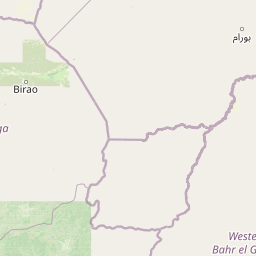
The landscape of André Félix National Park consists primarily of rolling savanna terrain with elevations ranging between 400 and 600 meters above sea level. The vegetation transitions between open grass-dominated savanna and woodland areas with scattered trees, particularly along the stronger lines where gallery forests develop along watercourses. The park contains several seasonal watercourses that contribute to the ecological diversity of the area, providing critical water sources for wildlife during the dry season. The terrain is generally flat to gently undulating, typical of the central African plateau region. The combination of open savanna and woodland creates a landscape of considerable scenic value, with vast views across the grassland punctuated by isolated trees and tree clusters.
André Félix National Park ecosystems, habitats, and plant life
The park is situated in the Sudan-Guinea transition zone, an ecological region characterized by the intermingling of savanna and forest elements. The vegetation consists predominantly of savanna grasslands with scattered woody species, transitioning to denser woodland in certain areas and gallery forests along rivers. This mosaic of habitats supports a range of ecological communities and provides important dry-season refuge for species that move between the park and adjacent areas. The park's position in this transitional zone gives it ecological significance beyond what its size alone would suggest, as it contains elements of both northern and southern African biomes. The seasonal patterns of rainfall influence the character of the landscape throughout the year, with distinct wet and dry seasons affecting vegetation structure and wildlife behavior.
André Félix National Park wildlife and species highlights
André Félix National Park supports populations of several large mammal species characteristic of the central African savanna. African elephants are present in the park, though their numbers have been affected by poaching pressure across the region. Buffalo populations persist in the savanna areas, often forming herds that move through the grasslands. Giraffes are among the most visible large mammals, their distinctive silhouettes observable across the open savanna. The park also provides habitat for various antelope species, including waterbuck that favor areas near water and bushbuck that inhabit more wooded sections. Lion presence has been documented in the park, representing the apex predator in the savanna ecosystem. Birdlife includes species typical of African savanna environments, with numerous raptors and waterfowl using the park's habitats.
André Félix National Park conservation status and protection priorities
André Félix National Park represents an important conservation area within the Central African Republic's protected area network. The park plays a critical role in maintaining viable populations of large mammals in a country where wildlife outside protected areas faces significant pressure from hunting and habitat conversion. The savanna ecosystem protected within the park is representative of a biome that has experienced substantial loss across its range in central Africa. Conservation challenges include addressing poaching, which has impacted elephant populations throughout the region, and managing human-wildlife conflict where park boundaries intersect with areas used by local communities. The park's continued protection is essential for maintaining biodiversity in the central African region.
André Félix National Park cultural meaning and human context
The area surrounding André Félix National Park is home to pastoralist communities who have traditionally used the savanna landscapes for grazing livestock, particularly cattle. These communities have historical connections to the land that predates the establishment of the protected area. The relationship between local populations and the park's resources has evolved since the 1960 establishment, with varying degrees of interaction between conservation objectives and traditional land use practices. The park exists within a broader cultural landscape where the rhythms of rural life in CAR continue to shape human-environment relationships.
Top sights and standout views in André Félix National Park
The park's defining features include its extensive savanna landscapes, populations of large African mammals including elephants and giraffes, and its location in the ecologically significant Sudan-Guinea transition zone. The combination of open grasslands and woodland creates a distinctive visual environment that represents classic central African scenery. The park provides some of the best opportunities in CAR for observing free-ranging wildlife in a relatively intact savanna ecosystem.
Best time to visit André Félix National Park
The optimal period for visiting André Félix National Park corresponds with the dry season, typically from November through April, when wildlife congregates more predictably around remaining water sources and vegetation is less dense, improving visibility. The wet season from May to October transforms the landscape with fresh vegetation but can make wildlife viewing more challenging and some areas less accessible. The dry season months offer the most favorable conditions for observing elephants, buffalo, and giraffes as they move through the savanna.