Why Bamingui-Bangoran National Park stands out
Bamingui-Bangoran is best known as a vast protected landscape within the Guinea-Congo Forest biome, representing one of the most extensive dry forest and savanna ecosystems in Central Africa. The park is distinguished by its significant populations of large mammals and its designation as an Important Bird Area by BirdLife International. It serves as a critical refuge for several vulnerable species including the Sudan cheetah, Central African African lion, and African manatee. The park also contains the Vassako Bolo Strict Nature Reserve at its core. Historically, the park was a stronghold for the Western Black Rhinoceros, though this species has been extinct in the country since 1986. The combination of diverse habitats ranging from dry forests to gallery forests and seasonal floodplains gives the park particular ecological significance for the Central African region.
Bamingui-Bangoran National Park history and protected-area timeline
Bamingui-Bangoran National Park traces its protected status to 1933, when the area was first established as a protected zone. The formal designation as a national park and biosphere reserve came in 1993, establishing the current institutional framework for the area's management and protection. For many years, the park operated as a relatively secure conservation area within the Central African Republic's northern region. However, this stability was disrupted in 2012 when Séléka rebels captured the park, leading to a significant decline in protection activities and increased pressure on the park's wildlife and ecosystems. Following this period of instability, conservation efforts resumed in 2018 when rangers employed by the Wildlife Conservation Society began patrolling the park. On December 18, 2018, park rangers engaged in a confrontation with rebels engaged in illegal hunting activities within the protected area. The engagement resulted in one rebel killed and three others fleeing, marking a significant moment in the ongoing effort to secure the park from illegal exploitation.
Bamingui-Bangoran National Park landscape and geographic character
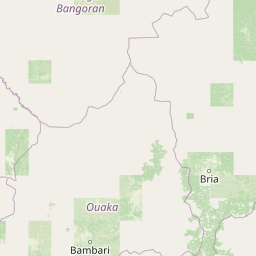
The physical landscape of Bamingui-Bangoran National Park is defined by its position on a broad plateau in the Central African Republic's north-central region, with elevations ranging from 400 to 500 meters above sea level. The terrain is relatively flat and uniform, lacking dramatic topographical variation but offering extensive views across the savanna and forest mosaic. The park encompasses a network of important waterways, with the Bamingui River and Bangoran River being the primary watercourses. These rivers create seasonal floodplains that represent critical habitats within the broader savanna landscape. The Bamingui River's left bank floodplain is protected for approximately 202 kilometers, while the Bangoran River's protected floodplain extends for about 105 kilometers along its left bank. A smaller section of about 30 kilometers along the Bangoran River's right bank remains outside the formal protection framework. The waterways drain generally northwestward, ultimately reaching the Chari River system that flows into Lake Chad. The landscape supports a diverse mixture of habitat types including tropical dry forests, wooded savannas, edaphic savannas on specific soil types, and gallery forests that follow river corridors.
Bamingui-Bangoran National Park ecosystems, habitats, and plant life
The ecological character of Bamingui-Bangoran is defined by its position within the Guinea-Congo Forest biome and the mid-Sudanian phytogeographic domain. The park's major ecosystem is characterized as tropical dry or deciduous forest, with the primary habitats and land covers consisting of dry forests, wooded savannas, edaphic savannas, and gallery forests. The vegetation is characterized by tree species including Terminalia, Isoberlinia doka, and Anogeissus, which form the dominant canopy species across the different habitat types. The gallery forests that follow the river systems provide particularly important habitat corridors and moisture refuges within the broader savanna landscape. The seasonal flooding of the river floodplains creates dynamic wetland conditions that support distinct ecological communities. The park's location at the transition between forest and savanna ecosystems gives it particular significance for understanding ecological patterns in Central Africa. The presence of subspecific endemism in large mammals appears to be linked to Pleistocene isolation events associated with the Chari-Logone River system.
Bamingui-Bangoran National Park wildlife and species highlights
Bamingui-Bangoran National Park supports significant wildlife populations across its diverse habitats, though many species face conservation pressures. The park was historically a stronghold for the Western Black Rhinoceros in the Central African Republic, but this species has been extinct in the country since 1986. Several large mammal species of conservation concern are present, with the Chadian wild dog classified as endangered and the Sudan cheetah, Central African lion, and African manatee all classified as vulnerable. Antelope populations have declined markedly since 1960 according to documented studies. The park has been designated an Important Bird Area by BirdLife International due to its significance for bird populations, supporting significant populations of numerous species. The red-faced lovebird is among the notable bird species found in the park, with populations also occurring in Nigeria's Gashaka Gumti National Park. The amphibian fauna includes multiple species such as the Mascarene ridged frog, sharp-nosed ridged frog, Schilluk ridged frog, Galam white-lipped frog, cryptic sand frog, ornate frog, crowned bullfrog, flat-backed toad, shovelnose frog, Senegal kassina, and Natal puddle frog.
Bamingui-Bangoran National Park conservation status and protection priorities
Bamingui-Bangoran holds significant conservation importance as both a national park and a biosphere reserve within the Central African Republic's protected area network. The park's designation as an Important Bird Area by BirdLife International underscores its international significance for biodiversity conservation, particularly for bird species. The diverse habitat mosaic supporting forest, savanna, and wetland ecosystems provides refuge for multiple threatened species including the endangered Chadian wild dog and vulnerable Sudan cheetah, Central African lion, and African manatee. However, the park faces substantial ecological threats from foreign timber and mining concessions that operate in and around the protected area, as well as from poaching and agricultural land-clearance that drive habitat loss and species decline. The park's history reflects broader challenges facing conservation in post-conflict regions, with the 2012 Séléka rebel capture leading to significant declines in protection. The resumption of ranger patrols by the Wildlife Conservation Society in 2018 represents an important effort to restore conservation capacity, though the December 2018 clash with illegal hunters illustrates the ongoing security challenges facing the park.
Bamingui-Bangoran National Park cultural meaning and human context
Bamingui-Bangoran National Park is situated in the northern region of the Central African Republic, an area with limited documentation of indigenous communities within the immediate park boundaries. The park lies west of N'Délé, the principal town in the northern prefecture of Bamingui-Bangoran, and proximity to the Chad border gives the region strategic importance. The broader Central African Republic contains numerous ethnic groups with traditional relationships to the land, though specific indigenous communities associated with the park's interior are not prominently documented in available sources. The park's management involves international conservation partnerships, particularly with the Wildlife Conservation Society that supports ranger operations. The historical human presence in the region includes traditional land use patterns involving pastoralism and agriculture, though the park's protected status has restricted such activities within its boundaries.
Top sights and standout views in Bamingui-Bangoran National Park
Bamingui-Bangoran National Park stands as one of Central Africa's largest and most ecologically significant protected areas, spanning over 11,000 square kilometers of forest, savanna, and wetland habitats in the northern Central African Republic. The park's dual designation as a national park and UNESCO Biosphere Reserve reflects its international conservation importance, while its location within the Guinea-Congo Forest biome and designation as an Important Bird Area highlight its biodiversity significance. The combination of tropical dry forests, wooded savannas, and gallery forests along the Bamingui and Bangoran Rivers creates a diverse ecological landscape supporting numerous species, including vulnerable large mammals such as the Sudan cheetah and Central African lion. The park contains the Vassako Bolo Strict Nature Reserve at its core and holds higher animal density than neighboring Manovo-Gounda St. Floris National Park. Despite facing significant challenges from poaching, logging, and regional conflict, ongoing conservation efforts by the Wildlife Conservation Society continue working to protect this important ecosystem.
Best time to visit Bamingui-Bangoran National Park
Visiting Bamingui-Bangoran National Park is best during the dry season, which typically runs from November through April in the northern Central African Republic. During this period, wildlife becomes more concentrated around remaining water sources, making animal observation easier as vegetation thins and animals venture more openly into the savanna clearings. The cooler temperatures during the dry season also make outdoor activities more comfortable for visitors. The rainy season from May through September brings challenging travel conditions with muddy roads and reduced accessibility, though this period supports the park's lush green landscapes and provides optimal conditions for birdwatching when migratory species arrive. The park's remote location in northern CAR means that access requires careful planning and coordination with local authorities and conservation organizations. Visitors should be aware that the park has experienced security challenges in recent years, and current conditions should be verified with relevant authorities before planning any visit.