
Why Ben Lomond National Park stands out
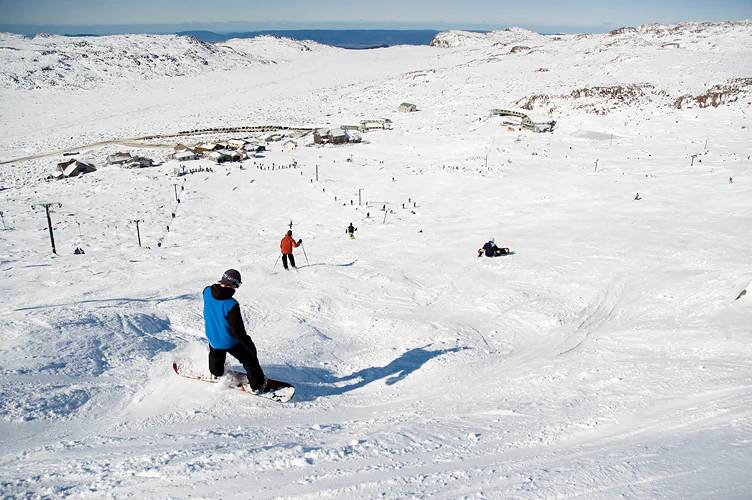
Ben Lomond is Tasmania's premier alpine skiing destination, with facilities at the state's highest ski village at 1,460 metres elevation. The mountain is notable for its dramatic dolerite geology, including the imposing Stacks Bluff and extensive plateau scenery. The park protects significant alpine ecosystems and endemic species including the northern snow skink. Its historical significance includes both the traditional country of the Ben Lomond Nation and later colonial exploration and mining activity.
Ben Lomond National Park history and protected-area timeline
The establishment of Ben Lomond National Park followed decades of growing recognition of the mountain's natural and scenic values. Proposals to protect the area as a scenic reserve were made as early as 1910, emerging in response to frequent fires on the plateau that damaged the unique alpine vegetation. The formal declaration of the national park in July 1947 marked the culmination of these保护 efforts, creating a protected area encompassing nearly 40,000 acres of land that had previously been declared a fauna reserve, though land set aside for the Forestry Commission was excluded from the park boundaries.
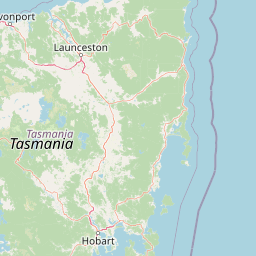
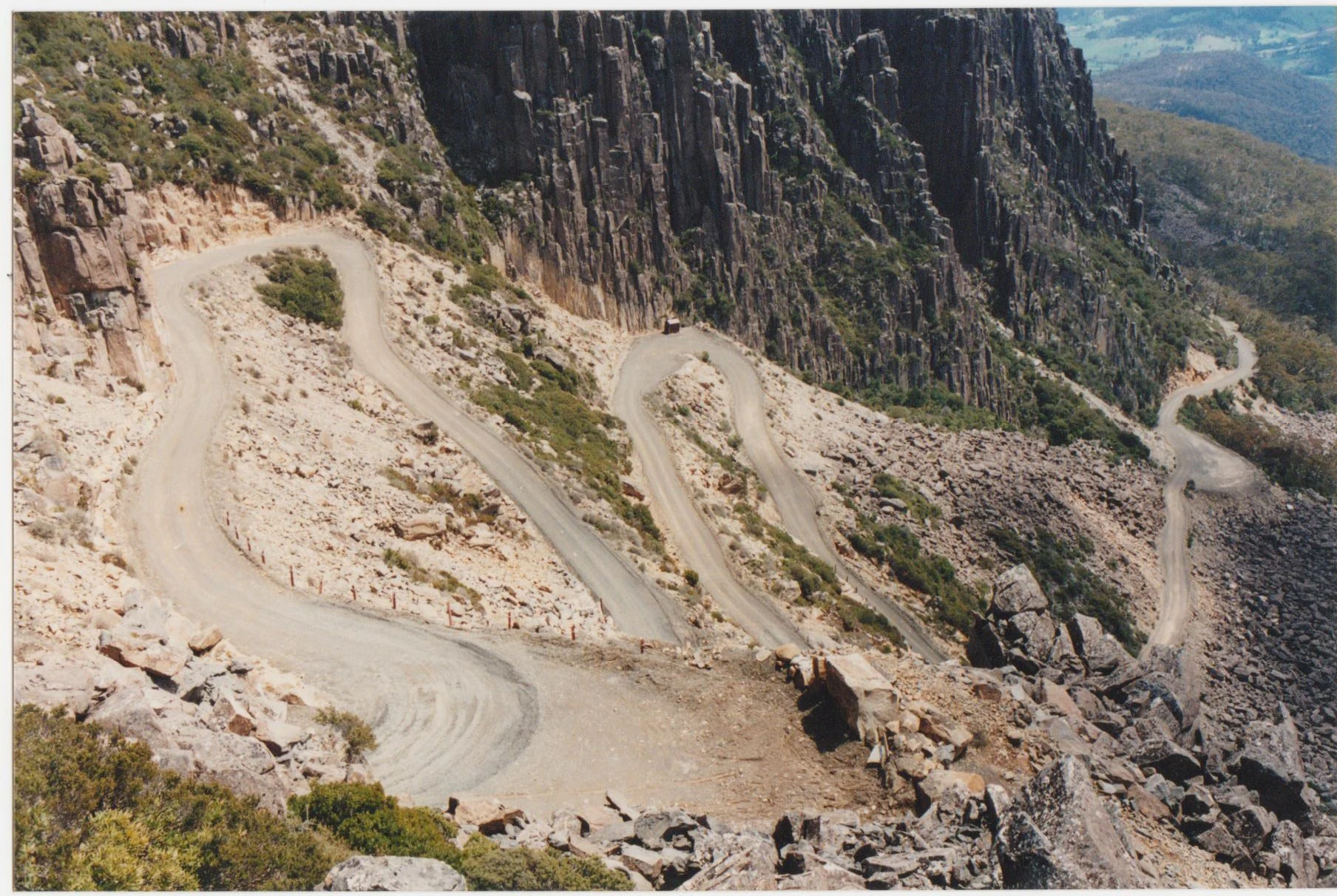
Prior to national park status, the mountain had already become a destination for recreation and tourism. Walking tracks onto the plateau were established from the 1830s, with the principal routes ascending from Avoca through the Ben Lomond Marshes or from Mangana on the eastern side. The development of skiing facilities began in the 1920s, with the Northern Tasmanian Alpine Club formed in 1929 and early ski huts constructed from 1932. The accessibility of the mountain from Launceston, combined with the existence of a ski village on the plateau, has made Ben Lomond a year-round destination for tourists and hikers. Access to the village and summit can be made via walking tracks or via the distinctive Jacobs Ladder road that ascends the steep northern face.
Ben Lomond National Park landscape and geographic character
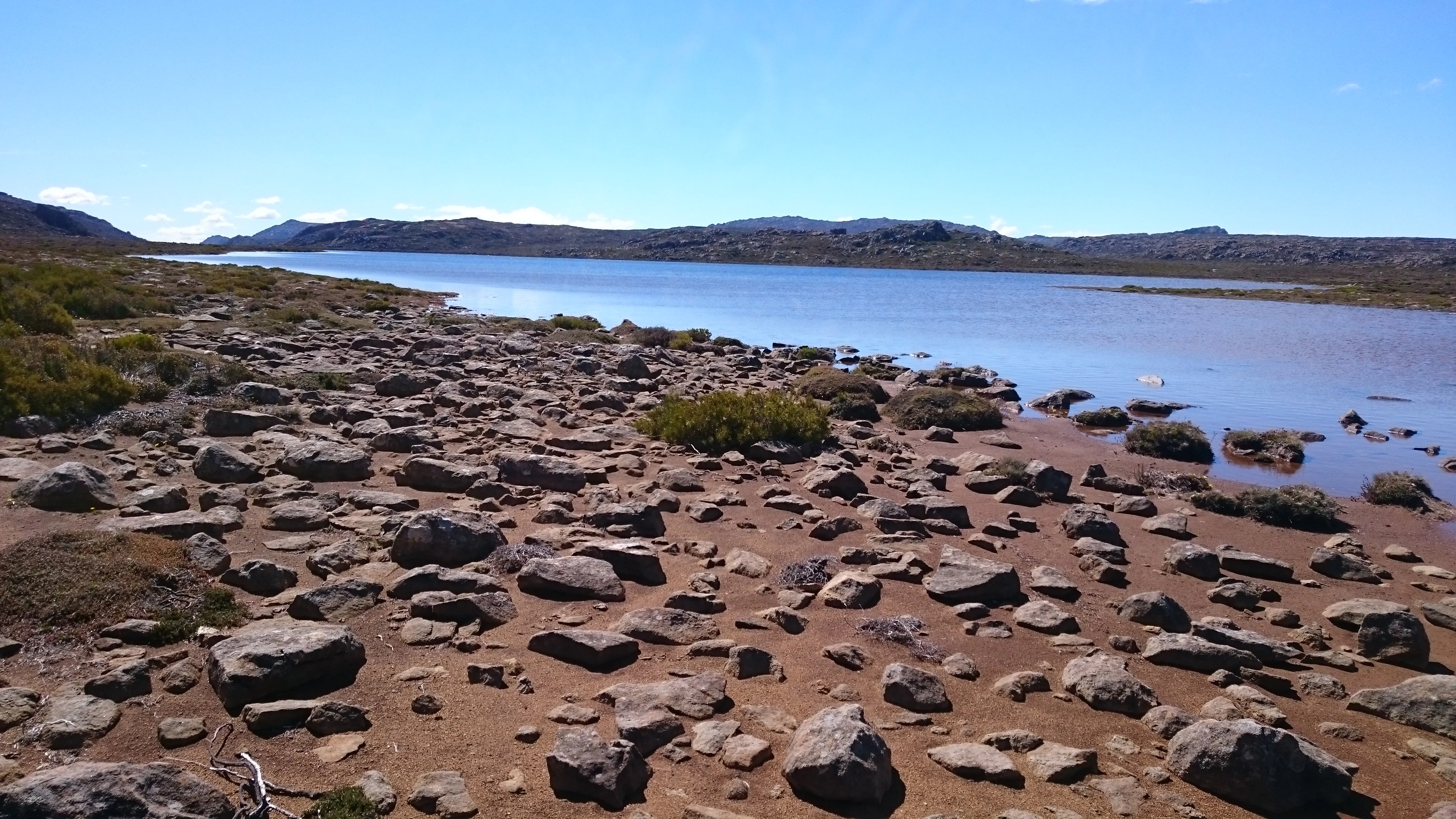
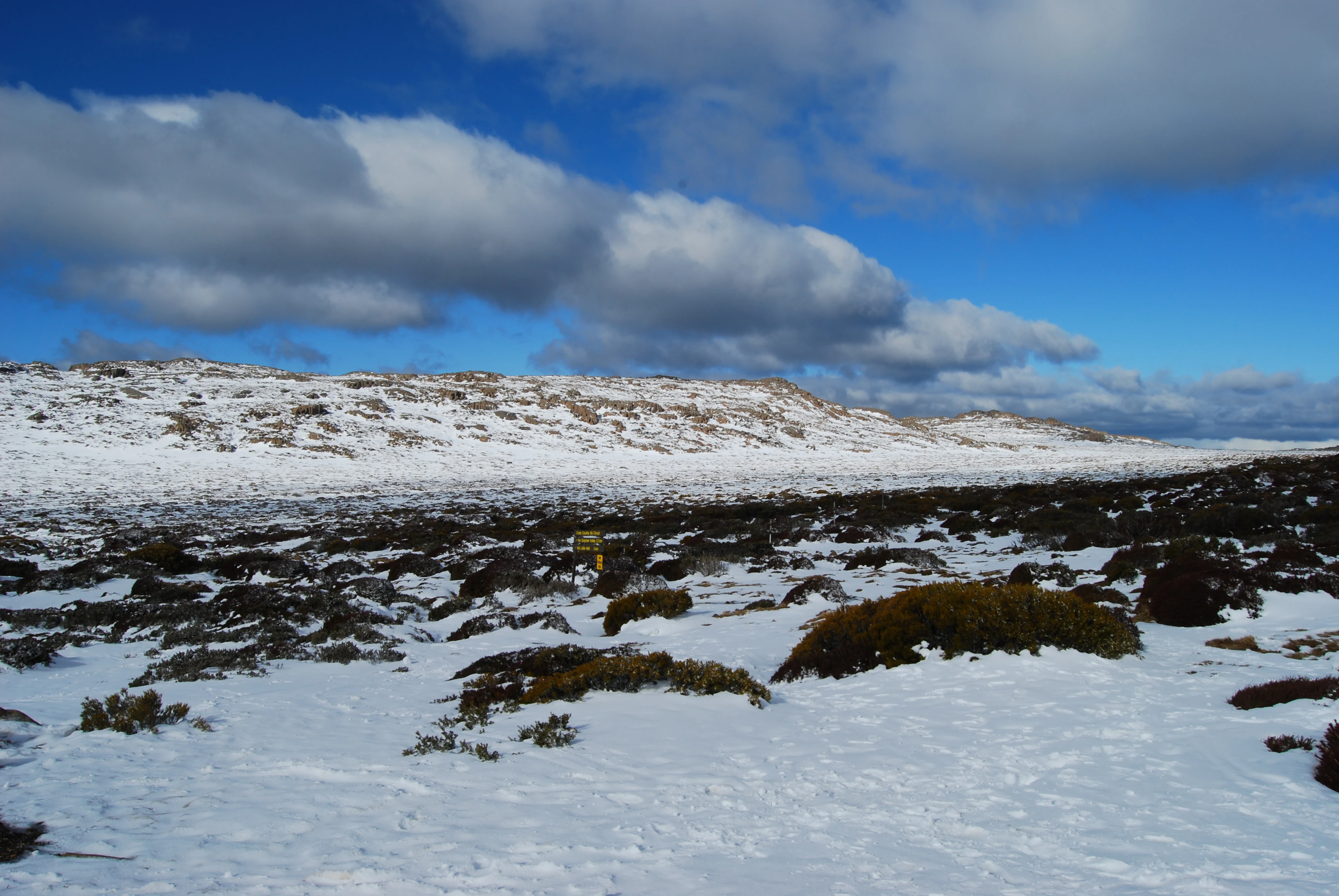
The landscape of Ben Lomond National Park is defined by its distinctive dolerite geology and glacial history. The mountain is composed of a central massif with an extensive plateau above 1,200 metres, while high outlier peaks project from the main body of the mountain. The plateau surface is largely stony and covered with blockfields, periglacial depositional features that cover over a quarter of the plateau area and represent the legacy of Pleistocene glaciation. This was the only plateau in Tasmania's north-east to experience glaciation, and the resulting landforms create a landscape markedly different from other mountains in the region.
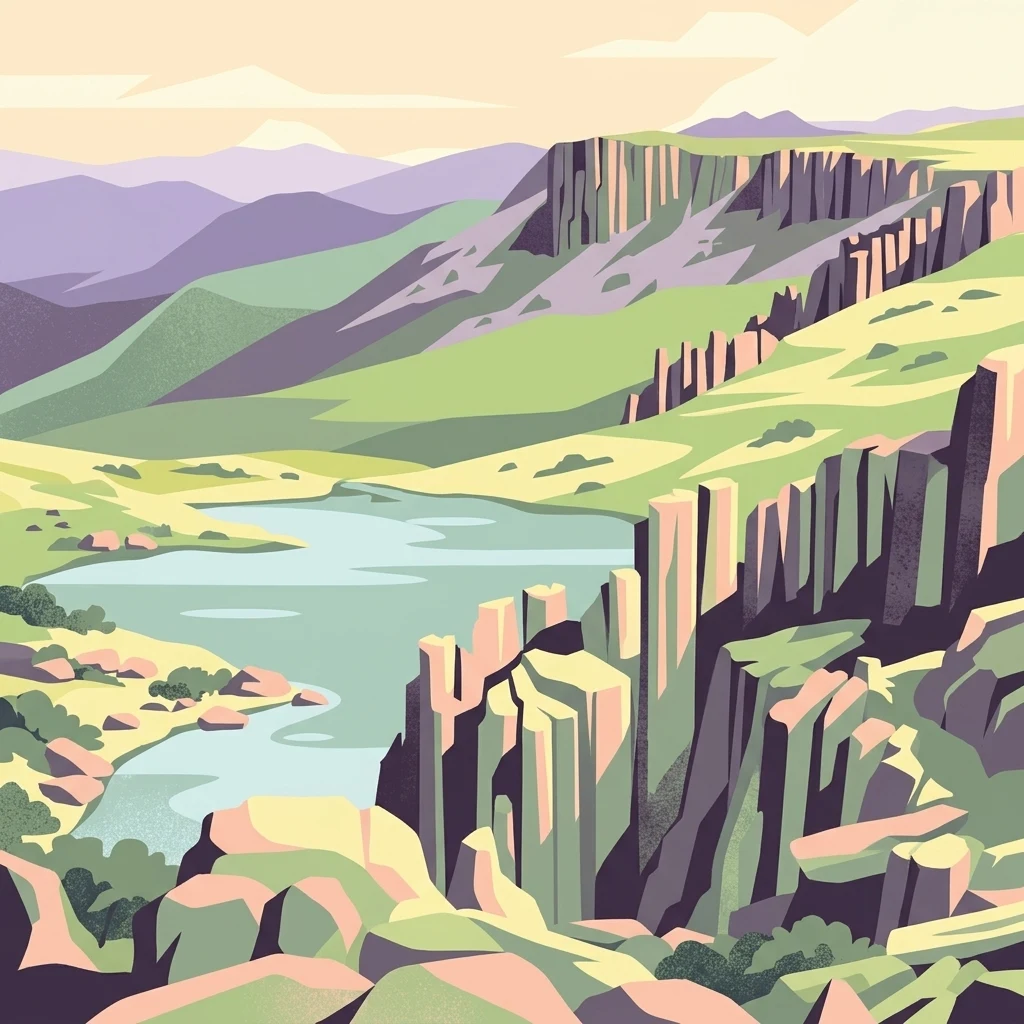
The highest feature on the plateau is Legges Tor, an unimposing summit at 1,572 metres on the northern aspect. The southern end of the plateau is dominated by Stacks Bluff, a dramatic feature that drops away via a cliffline 600 metres above the surrounding foothills. The prominent outlier peaks of Ragged Jack at 1,369 metres, Mensa Moor at 1,358 metres, and Tower Hill at 1,122 metres surround the plateau, creating a distinctive mountain complex. The western escarpment features exposed Jurassic dolerite, while the surrounding foothills are characterized by slopes leading down to the South Esk River, which encircles the plateau on three sides.
Ben Lomond National Park ecosystems, habitats, and plant life
Ben Lomond National Park protects a representative cross-section of Tasmania's north-east alpine plant communities, supporting 222 plant species across diverse habitats. Although much of the plateau is stony with areas of low and often stunted vegetation, the remainder of the mountain contains a wide variety of habitats ranging from alpine moorland to dense forest. The five most common plant families recorded are Asteraceae, Poaceae, Epacridaceae, Cyperaceae, and Proteaceae, which together account for about half of all species documented on the plateau.
Cushion plants are abundant throughout the plateau, and several rare or endemic species occur within the park. The rock cushion plant Chionohebe ciliolata is known only from a small localized area within the park. Other significant species include the rare endemic Oreomyrrhis sessiliflora and the endangered Colobanthus curtisiae. The most common native species include tussock grass (Poa gunnii), gentian (Gentianella diemensis), and various shrubs including Richea scoparia, Orites acicularis, and Baeckea gunniana. The plateau soils are largely thin or absent, with organic peats most extensively developed on the western side of Rodway Valley.
Ben Lomond National Park wildlife and species highlights
The park supports a diverse fauna typical of Tasmanian alpine and forest environments. Among the larger mammals, Bennett's wallabies and wombats are common and are regularly seen in the ski village even during winter blizzard conditions. Pademelons are abundant in wet gullies and areas with thick undergrowth, while Forester kangaroos have been recorded along the south-western edge of the park. Eastern quolls inhabit the ski village during winter, occasionally sighted during daylight hours, and various other marsupials including long-nosed potoroo, Tasmanian bettong, brushtail possum, ringtail possum, and sugar glider have all been recorded.
The bird fauna includes wedge-tailed eagles and noisy yellow-tailed black cockatoos which are regularly reported. Among the endemic Tasmanian species recorded are the green rosella, scrubtit, brown thornbill, yellow wattlebird, yellow-throated honeyeater, black-headed honeyeater, strong-billed honeyeater, and the black currawong. Of particular conservation interest is the endemic northern snow skink (Niveoscincus greeni), an alpine species restricted to several mountain top areas in Tasmania. Amphibians recorded include the brown tree frog, common eastern froglet, and the endemic Tasmanian froglet.
Ben Lomond National Park conservation status and protection priorities
Ben Lomond National Park plays an important role in protecting Tasmania's alpine ecosystems and endemic species. The park protects representative examples of north-east alpine plant communities that would otherwise face pressures from development, tourism infrastructure, and changing fire regimes. The declaration of the national park in 1947 was partly motivated by concerns about frequent fires on the plateau that threatened the unique alpine vegetation communities.
The protection of endemic species such as the northern snow skink and rare plants including Chionohebe ciliolata and Colobanthus curtisiae represents an important conservation outcome. The blockfield landscapes and glacial features of the plateau are of scientific interest as examples of periglacial processes in the Australian Alps region. The park also protects habitat for species of conservation concern including various marsupials and endemic birds, contributing to the broader conservation network across Tasmania's highlands.
Ben Lomond National Park cultural meaning and human context
The mountain holds deep cultural significance as the traditional country of the Ben Lomond Nation, comprising at least three clans (Plangermaireener, Plindermairhemener, and Tonenerweenerlarmenne) whose total population numbered 150-200 people. The palawa kani name for Ben Lomond is turapina, with the suffix likely denoting tableland or plateau and linguistic research suggesting the stem refers to bluff or precipitous cliffs. The clans seasonally occupied the plateau in summer and hunted along the valleys of the South Esk and North Esk rivers and their tributaries.
The colonial period saw violent conflict as settlers expanded into the Ben Lomond frontier during the 1820s. The remnants of the Ben Lomond Nation were eventually removed during the Black War, with survivors relocated to Wybalenna on Flinders Island. Descendants of palawa women taken by sealers continue to live on Flinders and Cape Barren Islands and maintain cultural and genetic connections to the Ben Lomond Nation. The mountain also contains evidence of Aboriginal quarry works at Coalmine Crag, indicating sustained use of the plateau for stone tool production.
Top sights and standout views in Ben Lomond National Park
Ben Lomond National Park offers Tasmania's highest and most accessible alpine experience. The ski resort at 1,460 metres provides the state's premier alpine skiing facilities, while the extensive plateau and peak summits reward hikers with sweeping views across eastern Tasmania. The mountain's dolerite geology creates distinctive landscapes including the dramatic Stacks Bluff cliff face and the blockfield-covered plateau. Wildlife viewing opportunities include encounters with wallabies, wombats, and eastern quolls in the ski village area. The mountain's historical layers range from Aboriginal heritage through colonial exploration and mining to modern recreation development.
Best time to visit Ben Lomond National Park
Ben Lomond can be visited year-round, with each season offering different experiences. Summer (December to February) provides the most accessible hiking conditions on the plateau, with warm temperatures and long daylight hours ideal for walking and summit attempts. The alpine wildflower season occurs during this period. Winter (June to August) transforms the mountain into Tasmania's primary ski destination, with snow cover and ski facilities operational. The shoulder seasons of autumn and spring offer quieter conditions but may bring variable weather. The alpine weather can change rapidly, and visitors should be prepared for conditions at any time of year.